
Rocks and minerals are all around us, yet we often take them for granted. But did you know that these geological wonders play a crucial role in our daily lives? From the metals used in our smartphones to the stones that adorn our homes, rocks and minerals have a profound impact on our economy and environment. But what exactly are they, how do they form, and why should we care about them?
In this article, we’ll delve into the fascinating world of rock and mineral classification, formation processes, and properties. We’ll explore the importance of rocks in economic development, sustainable management strategies, and safe handling practices. Whether you’re a geology enthusiast or simply curious about the natural world, join us as we uncover the secrets behind these essential elements. By the end of this article, you’ll have a deeper appreciation for the complex processes that shape our planet and its resources.
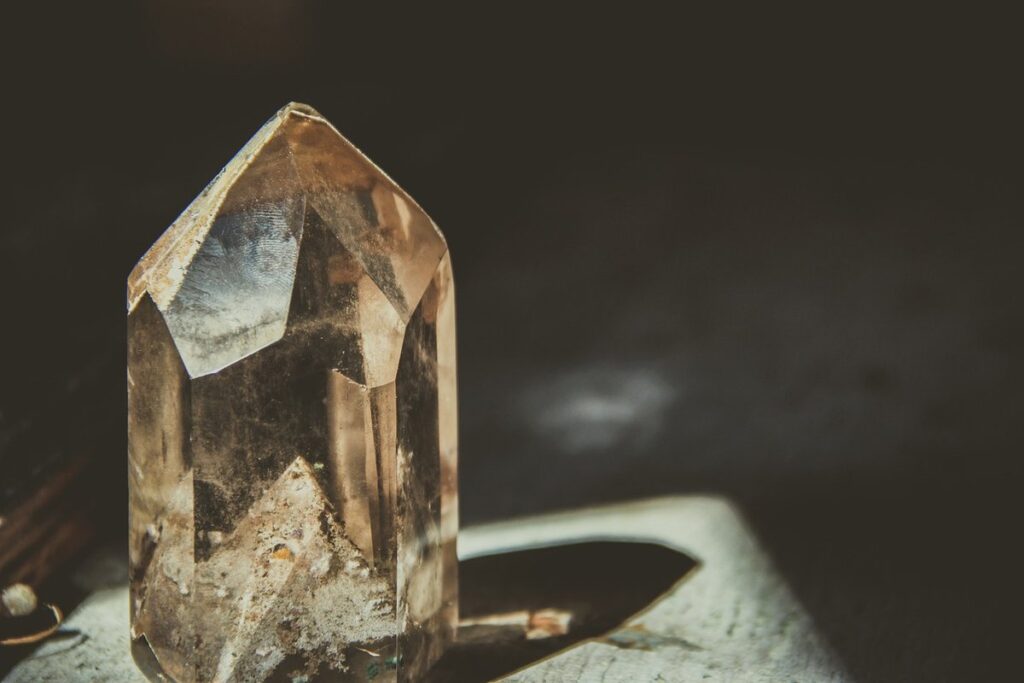
What are Rocks and Minerals?
Let’s start by understanding what rocks and minerals are, and how they differ from one another. We’ll begin with a basic definition of each to set the stage for further exploration.
Definition and Distinction
Rocks and minerals are two fascinating subjects that are often misunderstood as being one and the same. However, they have distinct compositions and structures that set them apart from each other.
A rock is a naturally occurring solid mass of mineral material. It can be composed of one or more minerals, which are crystalline solids formed by geological processes. For instance, granite is an igneous rock made up of three primary minerals: quartz, feldspar, and mica. On the other hand, a mineral is a naturally occurring inorganic element or compound that has a specific chemical composition and crystal structure.
To distinguish between rocks and minerals, consider their compositions and structures. Rocks are often composed of multiple minerals, whereas minerals have a unique chemical formula and crystalline structure. For example, quartz is a single mineral species with a distinct crystal form, while granite is a composite rock made up of several different minerals. Understanding the difference between these two fascinating subjects can help you better appreciate their unique characteristics and properties.
Types of Rocks
Rocks are categorized into three primary types: igneous, sedimentary, and metamorphic. Each type of rock forms through distinct geological processes, resulting in unique characteristics.
Igneous rocks originate from molten magma that cools down and solidifies either beneath the Earth’s surface or above it. This process can lead to two subtypes: intrusive (forms below the surface) and extrusive (forms above the surface). Granite is a common example of an igneous rock, while obsidian is another type. Igneous rocks often display a glassy texture and are frequently found in areas where volcanic activity has occurred.
Sedimentary rocks, on the other hand, are formed through the accumulation and compaction of sediments, which can be derived from pre-existing rocks, organic materials, or chemical precipitates. Sandstone is an example of a sedimentary rock, whereas shale is another type. These rocks often display visible layers of compression due to their formation process.
Metamorphic rocks undergo significant transformations due to intense heat and pressure applied over long periods. Marble, slate, and quartzite are notable examples of metamorphic rocks, which can exhibit striking patterns or colors resulting from the recrystallization of minerals within the rock.
Formation and Classification
Let’s dive into how rocks and minerals form, including the different types of rock formation and classification systems used by geologists. You’ll discover how these processes shape our planet’s surface.
Geological Processes
Rocks and minerals are formed through a combination of geological processes that shape our planet’s surface. One of the most significant factors is plate tectonics, where the Earth’s crust is broken into large plates that move and interact with each other. This process can lead to the creation of mountain ranges, volcanoes, and earthquakes.
Weathering and erosion are also crucial in forming rocks and minerals. Weathering involves the breakdown of existing rocks through exposure to wind, water, ice, and temperature fluctuations. This process can create new minerals and rock formations. Erosion, on the other hand, is the removal of weathered materials from one location to another.
For example, consider the Grand Canyon, which was carved out by the Colorado River over millions of years through a combination of weathering and erosion. The rocks exposed in the canyon walls provide valuable insights into the geological history of the region. To appreciate these processes in your own backyard, try observing how rocks are formed through weathering and erosion around you. Look for areas where water or wind is breaking down existing rocks, creating new minerals and formations.
These geological processes have shaped our planet’s surface over millions of years, resulting in a diverse array of rocks and minerals that we encounter daily. By understanding these processes, we can gain a deeper appreciation for the natural world and its many wonders.
Rock-Forming Minerals
At the heart of every rock lies a group of minerals known as rock-forming minerals. These minerals are responsible for forming the majority of rocks found on our planet, and understanding their compositions is crucial to grasping the basics of geology. The most common rock-forming minerals include quartz, feldspar, mica, amphibole, pyroxene, and olivine.
Quartz, for instance, is one of the most abundant minerals in the Earth’s crust, making up over 12% of all rocks. Its composition consists mainly of silicon and oxygen atoms, which are arranged in a unique crystal structure that gives quartz its characteristic hardness and cleavage properties. Feldspar, on the other hand, is a group of minerals that make up about 50% of all igneous and metamorphic rocks. Their high feldspathic content allows them to form large crystals and contribute significantly to the rock’s texture.
These rock-forming minerals play distinct roles in forming different types of rocks. For example, quartz is often found in granite and sandstone, while mica is common in schist and gneiss. Understanding their compositions and properties can help you identify the type of rock you’re dealing with, which can be a valuable skill for geologists, rockhounds, or anyone interested in earth sciences.
Properties and Identification
When it comes to rocks and minerals, being able to identify them is key. Let’s break down some of the most important properties you should look for in your rock and mineral collection.
Physical Properties
When identifying rocks and minerals, understanding their physical properties is crucial. One of the most distinctive features is color, which can range from deep blues to vibrant greens and even radiant yellows. Note that color is not always a reliable indicator, as it can be affected by impurities or external factors like weathering.
Luster refers to the way light reflects off the surface of a rock or mineral, ranging from metallic to dull. Some common examples include diamonds (brilliant), pyrite (metallic), and limestone (dull). This property is particularly useful in distinguishing between minerals that may have similar colors or textures.
Hardness is another essential physical property, often tested using the Mohs hardness scale. This scale ranks minerals from 1 (softest) to 10 (hardest). For instance, talc has a rating of 1 and is easily scratched, while quartz is a 7 and can only be scratched by other hard minerals.
Crystal structure refers to the arrangement of atoms within a mineral’s lattice. This property can reveal valuable information about its composition and origin.
Chemical Properties
Chemical properties are a crucial aspect of identifying rocks and minerals. By understanding these characteristics, you can narrow down the possibilities when trying to determine the identity of an unknown sample. One of the key chemical properties to examine is reactivity with acids. Many minerals exhibit distinct reactions when exposed to hydrochloric acid (HCl) or sulfuric acid (H2SO4). For example, calcite, a common mineral found in limestone, will fizz and bubble when treated with HCl due to its high magnesium content.
Another important chemical property is pH level. Minerals can have varying levels of acidity or alkalinity, which can be detected using pH paper or a digital pH meter. Some minerals, such as quartz and feldspar, tend to have neutral pH values around 7. In contrast, minerals like pyrite (iron sulfide) and galena (lead sulfide) are typically acidic with low pH levels.
When testing the chemical properties of a rock or mineral, it’s essential to handle samples carefully and use protective gear. Start by conducting reactivity tests using gentle acids and gradually increase the concentration as needed. Be sure to rinse the sample thoroughly between tests to avoid contamination.
Economic Importance
Rocks and minerals play a vital role in our daily lives, from the iron in our food to the quartz in our electronics, making them an essential part of modern economies.
Uses in Construction
Rocks and minerals play a crucial role in the construction industry, providing essential building materials for infrastructure development and geological engineering. One of the most significant uses of rocks and minerals is in the production of cement, concrete, and aggregate. These building blocks are used to construct roads, bridges, buildings, and other structures that form the backbone of our modern society.
Granite, limestone, and marble are just a few examples of rocks used in construction. Granite, for instance, is often used as dimension stone due to its durability and resistance to weathering. Limestone, on the other hand, is used extensively in concrete production, while marble is prized for its aesthetic appeal and durability. The extraction and processing of these rocks require careful consideration of their geology and environmental impact.
In addition to building materials, rocks and minerals are also essential for infrastructure development. For example, the construction of dams, tunnels, and foundations relies heavily on geological engineering principles, which involve the analysis of rock mechanics and stability. By understanding the properties of different rocks and minerals, engineers can design structures that are safe, efficient, and cost-effective.
Energy and Environmental Applications
Rocks and minerals play a vital role in our daily lives, not just as building materials but also in powering our homes and protecting our environment. When it comes to energy production, rocks and minerals are essential components of renewable energy sources such as solar panels and wind turbines. For instance, silicon, a common mineral found in igneous rocks, is used to make photovoltaic cells that convert sunlight into electricity.
In fact, the world’s largest solar panel manufacturer, JinkoSolar, uses silicon from China to produce its solar panels. Similarly, rocks and minerals like lithium and cobalt are crucial for the production of batteries that power electric vehicles. The United States Geological Survey (USGS) reports that the demand for these minerals is expected to increase significantly in the coming years.
Moreover, rocks and minerals also play a critical role in pollution control. Activated carbon, made from limestone and other minerals, is used to clean air and water by removing impurities and pollutants. Additionally, rocks like zeolites can be used to clean contaminated soil and groundwater. By harnessing the power of rocks and minerals, we can reduce our reliance on fossil fuels and create a more sustainable future.
Health and Safety Considerations
When handling rocks and minerals, it’s essential to prioritize your safety, as some specimens can be hazardous if not handled properly. This section highlights key considerations for a safe and enjoyable experience.
Mineral Extraction Risks
Mineral extraction, though essential for our daily lives, comes with its own set of risks and challenges. When rocks and minerals are extracted from the earth, it can have devastating effects on both human health and the environment.
Respiratory problems are a common concern for miners exposed to dust and airborne particles during excavation. Silicosis, a lung disease caused by inhaling silica particles, is a well-documented risk in mining operations. In addition, exposure to toxic chemicals and heavy metals can lead to long-term health issues, including cancer and neurological damage.
Water contamination is another significant concern. Mining activities often involve the use of large quantities of water, which can then be polluted with heavy metals, sediments, and other contaminants. This can have severe consequences for local ecosystems and human populations reliant on those water sources.
Land degradation is a lasting impact of mineral extraction. The removal of vegetation and soil disturbance can lead to erosion, landslides, and loss of biodiversity. In some cases, mining activities can even cause subsidence, where the ground surface collapses into underground voids created by excavation.
As we delve deeper into the world of rocks and minerals, it’s essential to acknowledge these risks and strive for more sustainable and responsible extraction practices. By understanding the potential consequences, we can work towards minimizing harm and preserving the integrity of our planet’s natural resources.
Safe Handling and Storage
When working with rocks and minerals, it’s essential to follow proper handling and storage techniques to avoid accidents and damage. In a home setting, this means keeping sharp edges away from children and pets, and storing heavier specimens on lower shelves or in secure containers.
In a laboratory or workplace environment, safety protocols are even more critical. Always wear protective gear such as gloves, goggles, and a dust mask when handling rocks and minerals that may be fragile or produce dust. Be cautious of loose clothing or long hair that could get caught in equipment.
For storage, use sturdy cabinets or shelves with dividers to prevent specimens from falling and causing damage. Label each container clearly so you can easily identify the contents. When transporting rocks and minerals, use secure boxes or bags to prevent them from shifting during transit. Regularly inspect your collection for any signs of damage or wear and tear, and address these issues promptly.
Proper handling and storage will not only keep you safe but also help preserve the integrity of your collection for years to come.
Conservation and Management
To ensure that these natural wonders continue to thrive, it’s essential to understand how conservation efforts protect our planet’s rock and mineral resources. We’ll explore some key strategies in place.
Sustainable Practices
When it comes to harnessing the benefits of rocks and minerals while minimizing our impact on the environment, adopting sustainable practices is crucial. In the world of rock and mineral mining, processing, and recycling, sustainability isn’t just a buzzword – it’s a necessity.
For instance, consider the mineral boron. This essential element is used in everything from cosmetics to ceramics, but its extraction often involves significant environmental costs. However, companies like Rio Tinto are pioneering more sustainable methods of boron mining. They’re exploring ways to reduce water usage and lower greenhouse gas emissions, demonstrating that profit and planet don’t have to be at odds.
When shopping for rock or mineral-based products, look for certifications like “Conflict-Free” or “Sustainable Source.” These labels indicate that the product has been extracted using environmentally responsible methods. You can also choose to buy second-hand or recycled rocks and minerals, reducing waste and demand for newly mined materials. Every small choice counts, and together, we can promote a more sustainable relationship with the earth’s geological treasures.
Environmental Impact Reduction
As we delve into the world of rocks and minerals, it’s essential to acknowledge the significant environmental impact associated with their extraction. Rock and mineral mining can lead to deforestation, soil erosion, water pollution, and loss of biodiversity. However, there are strategies that mining companies and governments can implement to reduce this impact.
Reclamation and rehabilitation efforts are crucial in restoring mined lands to a stable and sustainable state. This involves removing debris, replanting vegetation, and creating new habitats for wildlife. For instance, the Mount Isa Mine in Australia has undergone extensive reclamation efforts since its closure, with over 10 million trees planted and more than 1,000 hectares of land restored.
Mining companies can also adopt environmentally friendly practices such as reducing waste, implementing efficient water management systems, and using renewable energy sources. Additionally, governments can establish stricter regulations and guidelines for mining operations to ensure environmental protection.
You can make a difference by supporting companies that prioritize environmental sustainability in their mining practices. By choosing products from responsibly sourced materials, you’re contributing to the reduction of environmental impact associated with rock and mineral extraction.
Frequently Asked Questions
How can I apply the knowledge from this article to my everyday life?
You can start by paying attention to the rocks and minerals around you, whether it’s in your garden, neighborhood, or workplace. Try to identify different types of rocks and minerals, and learn about their properties and uses. This will help you appreciate the importance of these geological wonders in our daily lives.
Can I collect rocks and minerals for personal use without harming the environment?
Yes, collecting small samples of rocks and minerals for personal use is generally safe as long as you follow sustainable practices. Always research local regulations, obtain any necessary permits, and avoid damaging or removing large amounts of rock or mineral deposits.
How do I safely store and handle rocks and minerals to prevent damage and injury?
When storing rocks and minerals, keep them in a dry place away from direct sunlight and moisture. Use protective gloves when handling sharp or heavy specimens, and always inspect your collection for any signs of deterioration or hazardous materials.
What are some common misconceptions about rocks and minerals that I should be aware of?
One common misconception is that all rocks and minerals are the same. In reality, there are thousands of different types of rocks and minerals, each with its unique composition and properties. Another misconception is that collecting rocks and minerals is a trivial hobby; however, it can be a valuable learning experience that helps us understand the natural world.
How can I get involved in rock and mineral conservation efforts?
You can start by supporting organizations that work to protect and conserve geological sites and resources. You can also participate in citizen science projects or volunteer for local initiatives focused on rock and mineral preservation. Additionally, spread awareness about the importance of sustainable practices when extracting and handling rocks and minerals.