
Many people collect things – vintage toys, antique furniture, rare coins, or even quirky knick-knacks. It’s not uncommon for these treasured collections to end up stashed away in closets or attics, out of sight and out of mind. But displaying your collection at home can be a great way to add personality and interest to your decor. Not only does it showcase your unique tastes, but it also invites conversation and creates a sense of storytelling. However, showcasing collections can be tricky – how do you choose the right display method, lighting, and maintenance to keep everything looking beautiful and preserved? In this article, we’ll explore expert tips on displaying your treasured collections in style, covering display methods, lighting, and maintenance for a stunning home decor that showcases your personality. By the time you finish reading, you’ll know how to beautifully showcase your collection at home.
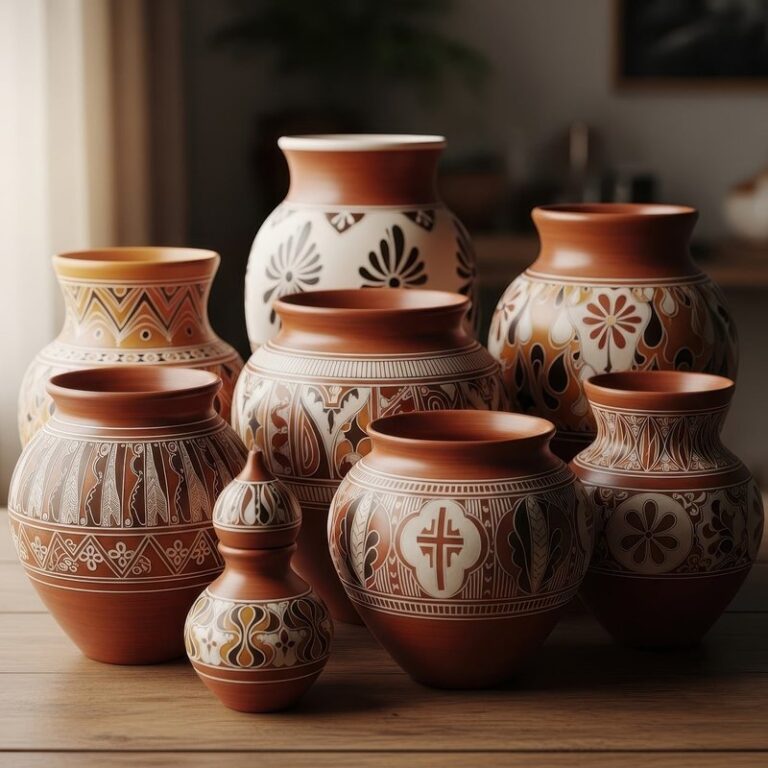
Decluttering and Preparing Your Space
Before you start showcasing your treasured possessions, let’s tackle the messy part: decluttering and preparing your space to create a beautiful display. This process is essential for a harmonious home.
Assessing Your Collection’s Value
When assessing your collection’s value, consider what makes each item unique and valuable. This might be its rarity, condition, provenance, or historical significance. For instance, a vintage vase may be worth more if it was created by a renowned artist or has been owned by a notable figure. On the other hand, a common collectible like a coin may hold value due to its age, metal composition, and mint condition.
To determine your collection’s overall worth, research each item individually using online resources such as catalogs, price guides, and expert forums. You can also consult with appraisers or collectors in your niche for a more informed opinion. Consider the 80/20 rule: about 80% of the value comes from 20% of the items in your collection. Focus on identifying these high-value pieces to prioritize their display and protection.
Some questions to ask yourself when evaluating each item’s worth include:
• Is it authentic or reproduction?
• What is its condition, and are there any signs of damage or restoration?
• Are there any notable features, such as signatures, hallmarks, or unique materials?
• Has the item been previously owned by a notable collector or institution?
Sorting and Categorizing Items
Sorting items within your collection can be a daunting task, but it’s essential for creating an efficient display. Begin by grouping similar items together, such as vintage toys, antique furniture, or artwork from the same era. This will help you identify patterns and make decisions about how to display each group.
For example, if you have multiple vases with different shapes and sizes, categorize them by shape, size, or material. You can also sort items by color, texture, or theme. Consider creating subcategories within larger groups – for instance, grouping vintage toys by type (e.g., dolls, action figures, trains).
When categorizing items, consider the visual impact of each group and how they will interact with one another in your display. Ask yourself questions like: Which items are most eye-catching? How can I balance contrasting textures and colors? By sorting and categorizing items thoughtfully, you’ll be able to create a cohesive and visually appealing display that showcases your collection’s unique character.
To make the process more manageable, divide your collection into smaller batches, focusing on one group at a time. This will help prevent feeling overwhelmed by the sheer number of items.
Choosing a Display Method
When choosing a display method for your collection, consider the type of items you’re showcasing. For instance, delicate or fragile pieces may require a more protective approach, such as glass cases or cabinets with secure locking mechanisms. On the other hand, larger or heavier items might be better suited to freestanding shelves or wall-mounted displays.
Consider the style and aesthetic of your space when selecting a display method. A sleek, modern room might benefit from minimalist shelving units, while a traditional or vintage-inspired space could be enhanced by ornate cabinets or glass-fronted bookcases. Think about the overall visual flow you want to achieve: do you want to create a focal point with a statement piece, or maintain a sense of continuity throughout the room?
Some popular display methods include:
- Floating shelves for a minimalist look
- Glass cases for displaying delicate or fragile items
- Cabinets with adjustable shelves for maximum storage and flexibility
- Wall-mounted displays for making the most of vertical space
When selecting a display method, also consider the maintenance needs of your collection. For example, if you’re displaying items that require regular dusting or polishing, choose a display method that allows for easy access and cleaning. By carefully considering these factors, you can find a display method that not only showcases your collection but also meets its unique needs.
Curating Your Collection for Aesthetic Appeal
When it comes to showcasing your treasured items, curating your collection is key to achieving a visually appealing display. Learn how to thoughtfully arrange and balance your favorite pieces for maximum aesthetic impact.
Creating a Focal Point
A focal point is a crucial element in creating visually appealing displays. It’s the central attraction that draws the viewer’s attention and ties together various elements of your collection. To create a strong focal point, identify your most striking or unique pieces – these could be rare items, limited editions, or particularly beautiful examples. Choose one or two standout pieces to serve as the centerpiece.
Consider the size and scale of your focal point in relation to the surrounding space. A small, intricately detailed piece might be overwhelming if placed against a large wall; instead, use it as a conversation starter on a smaller shelf or mantle. Conversely, a larger sculpture can anchor a corner or dominate a room.
When selecting items for your focal point, think about color, texture, and theme. Grouping similar items creates visual harmony, while contrasting textures and colors add depth. For example, pairing a smooth glass vase with a chunky wooden decorative box adds tactile interest. To make your focal point truly shine, use lighting to highlight the piece – consider spotlights or floor lamps trained directly on it.
Balancing Visual Interest
To balance visual interest within your display, it’s essential to mix and match different items, textures, and colors. Start by grouping similar items together, but don’t be afraid to place a few contrasting pieces throughout the arrangement. For example, pair a delicate porcelain vase with a chunky wooden sculpture or a sleek glass box with a vintage metal container.
Play with scale by combining large and small objects. A statement piece can serve as a focal point, while smaller items can create visual interest in surrounding areas. Consider the texture of each item: matte and glossy surfaces, smooth and rough textures, and soft and hard materials. Balance these elements to avoid overwhelming the senses.
Use color strategically by incorporating a few bold pieces amidst more neutral tones. A single vibrant piece can draw attention without dominating the space. Experiment with different arrangements until you find a balance that works for your collection and room aesthetic. Don’t be afraid to step back and reassess – sometimes, it takes a fresh eye to achieve visual harmony.
Using Lighting Effectively
Effective lighting can elevate the beauty of your collection and create a captivating atmosphere. To use lighting effectively, start by considering the ambiance you want to achieve. Warm white light (2700K-3000K) is ideal for creating a cozy and inviting feel, while cool white light (3500K-5000K) is better suited for a modern or sleek aesthetic.
When displaying collections with intricate details or textures, use spotlights or accent lighting to highlight the items. This will draw attention to specific pieces and create visual interest. For example, you can place a spotlight above a display case containing delicate figurines or use LED strips to illuminate the edges of a glass cabinet showcasing crystal vases.
Avoid harsh overhead lighting, which can create unflattering shadows and make your collection appear dull. Instead, opt for table lamps or floor lamps with soft shades to provide gentle illumination. When displaying collections in low-light areas, consider installing dimmable lights or using string lights to create a warm glow. By thoughtfully incorporating lighting into your display, you can create an immersive experience that showcases the beauty of your collection.
Displaying Collections in Different Rooms
When it comes to displaying collections, one of the biggest challenges is deciding how to showcase them throughout your home. Let’s see how you can beautifully display your treasures in multiple rooms.
Living Room Displays
Living rooms are often the heart of a home, where families gather to share meals, stories, and laughter. When it comes to displaying collections in this high-traffic area, console tables offer a prime opportunity for showcasing smaller items like vases, sculptures, or framed photographs. Consider arranging these pieces on a console table with a decorative tray or dish to add visual interest.
Another great option is the mantel – perfect for displaying larger, more statement-making pieces like vintage clocks, mirrors, or even a collection of antique bottles. To create a visually appealing display, try grouping similar items together and balancing them with some empty space on either side.
Coffee tables are also ideal for showcasing smaller collections or personal treasures, such as family heirlooms, seashells, or sentimental trinkets. To avoid cluttering the surface, use risers or stackable boxes to create separate levels of display. This will not only add visual interest but also make it easier to dust and clean the items.
When displaying collections in a living room, remember that less is often more – too many competing displays can overwhelm the space and distract from the overall aesthetic. By focusing on one or two statement pieces per area, you can create a harmonious and visually appealing display that showcases your personal treasures.
Dining Room Displays
Incorporating your collection into dining room decor can add warmth and personality to the space. A sideboard is a great place to start, as it provides ample display space for smaller items like vases, decorative boxes, or framed photos. Consider grouping similar items together on one side of the sideboard to create visual interest.
For wall art, choose pieces that complement the room’s style and your collection’s theme. A large piece above the sideboard can anchor the space, while smaller prints or paintings scattered throughout the walls add a playful touch. To avoid overwhelming the space, limit your collection to 3-5 statement pieces and balance them with neutral-colored artwork or blank spaces on the wall.
Other display options for dining rooms include console tables behind chairs, buffet cabinets, and even window seats with built-in storage. When choosing a display method, consider the room’s traffic flow and the visibility of your collection from different angles. Experiment with different layouts to find a balance between showcasing your items and maintaining a functional space. By incorporating your collection into dining room decor thoughtfully, you can create a unique and inviting atmosphere that reflects your personal style.
Bedroom Displays
Bedrooms are a natural fit for displaying collections, as they often serve as personal retreats where you can unwind and showcase your personality. When it comes to nightstands, consider repurposing a decorative cabinet or armoire to hold small items like vintage trinkets, rare coins, or sentimental jewelry. You can also dedicate an entire dresser to showcasing collectible clothing or accessories.
For a more dramatic effect, use a statement headboard as a focal point in the room. A beautifully crafted wooden headboard with built-in display shelves can be used to showcase art pieces, sculptures, or other three-dimensional items. Alternatively, consider a minimalist approach by displaying a few select items on a nightstand or dresser using decorative trays or risers.
Remember that bedrooms are often smaller than other rooms in the house, so it’s essential to edit your collection and only display the most meaningful or visually appealing pieces. This will help maintain a sense of calm and avoid overwhelming the space. By incorporating display ideas into your bedroom design, you can create a sanctuary that not only showcases your personality but also reflects your values and interests.
Displaying Delicate or Fragile Items
When showcasing delicate items, it’s essential to find a balance between preservation and presentation. You’ll learn how to showcase your fragile treasures without sacrificing their safety or beauty.
Choosing the Right Storage
When choosing storage solutions for delicate or fragile items within your collection, it’s essential to consider the materials, weight, and sensitivity of each piece. For instance, glassware requires protective cases or shelves with soft cushioning to prevent chipping or cracking.
For heavier items like vases or sculptures, opt for sturdy cabinets or display cases with reinforced walls to distribute weight evenly. This will prevent damage from collapsing shelves or uneven pressure.
Some storage options specifically designed for delicate items include:
• Velvet-lined drawers or compartments to cradle fragile objects
• Glass-front cabinets that allow for visibility without exposing the contents to dust and air pollutants
• Acid-free tissue paper or bubble wrap for wrapping sensitive materials, such as prints or artwork
When selecting storage solutions, also consider the level of climate control you need. For items prone to moisture damage, like books or photographs, choose a dry storage area with minimal humidity fluctuations. By carefully choosing the right storage for your delicate or fragile items, you can ensure their preservation and maintain their beauty within your collection.
Displaying Sensitive Materials
When displaying items made from sensitive materials like glass, porcelain, or paper, it’s essential to take extra precautions to prevent damage. Glass and porcelain can be heavy and prone to chipping or cracking if dropped, while paper-based materials may yellow or degrade over time due to exposure to light.
To display these types of items safely, consider using museum-quality glass shelves or acrylic displays that are specifically designed for fragile items. These materials are less likely to scratch or crack the sensitive materials they hold. Additionally, avoid placing items on surfaces that can harbor dust, such as wood or fabric, and instead opt for smooth surfaces like metal or glass.
When it comes to paper-based materials, keep them away from direct sunlight and moisture, which can cause fading or warping. Consider using acid-free tissue paper or archival-quality storage boxes to store these items when not on display. By taking these precautions, you can enjoy your sensitive materials without worrying about damage.
Protecting Your Collection from Damage
To protect your collection from damage, consider using UV-filtering glazing on display cases and shelves. This specialized glass blocks 99% of ultraviolet rays, which can cause colors to fade and materials to degrade over time. For delicate items like artwork or rare collectibles, opt for acrylic or museum-quality glass that’s designed specifically for displaying sensitive materials.
When choosing a protective casing, look for one made from acid-free materials and airtight seals to prevent dust and moisture from seeping in. Some display cases come with built-in UV protection, while others may require you to install glazing separately. Consider the weight of your collection when selecting a display case – if it’s heavy or large, choose a sturdy unit that can support its weight.
You should also consider displaying items in low-traffic areas and avoiding direct sunlight whenever possible. This will help reduce the risk of damage from accidental knocks or exposure to harsh light. By taking these simple precautions, you can enjoy your collection while keeping it safe for years to come.
Themed Displays and Diplay Ideas
Transforming your home into a gallery of treasures requires creativity, and themed displays can be just the spark you need to showcase your collection in style. From vintage toys to rare collectibles, let’s explore some inspiring ideas.
Creating a Themed Display Room
Creating a themed display room allows you to showcase specific collections in a unique way. Start by identifying the type of collection you want to feature, such as vintage items, artwork, or antique furniture. Consider the style and era of the pieces when selecting a color scheme and decor for the room.
For instance, a vintage clothing collection might be showcased in a room with a distressed wooden floor and exposed brick walls, while an art collection could be displayed in a space with white walls and sleek, modern furniture. Think about the atmosphere you want to create – do you want it to feel nostalgic or sophisticated?
To further enhance your themed display room, choose decorative pieces that complement your collection. This might include vintage accessories, antique lighting fixtures, or even a statement piece of furniture. For example, if you’re showcasing a collection of antique dolls, consider displaying them on a beautifully crafted wooden cabinet with intricate carvings.
Remember to balance the display of your collection with negative space to avoid overwhelming the senses. A well-designed themed room should guide the viewer’s eye through the space and create a cohesive visual experience.
Displaying Seasonal Items
Incorporating seasonal items into your display is a great way to add visual interest and create a unique atmosphere in your home. Whether it’s holiday decorations, summer collectibles, or winter treasures, seasonal items can be a fun and creative way to showcase your personality and interests.
For example, you might display a festive Christmas village on your mantle during the winter months, and then swap it out for a spring-inspired vase arrangement filled with fresh flowers as soon as the seasons change. Similarly, you could create a summer-themed display featuring seashells, driftwood, or other beachy finds.
To make the most of seasonal displays, consider grouping similar items together and using a unifying theme to tie everything together. For instance, if you’re displaying winter sports equipment, group skis, snowboards, and hockey sticks together on a wall-mounted rack or in a corner cabinet. You can also use seasonal colors and patterns to add visual cohesion to your display.
Some popular seasonal items to consider including in your display are:
• Holiday ornaments and decorations
• Seasonal flowers or plants
• Summer collectibles like seashells, driftwood, or beach stones
• Winter sports equipment
• Outdoor-themed items like lanterns, planters, or sculptures
Using Mirrors and Reflections
Mirrors can be a powerful tool for enhancing the visual appeal of your collection by creating the illusion of more space and adding depth to your display. When used thoughtfully, mirrors can also serve as a means of reflecting and amplifying specific items or themes within your collection. Consider placing a mirror opposite a particularly striking piece, such as a large sculpture or painting, to create a sense of symmetry and emphasize its importance.
To incorporate mirrors effectively into your display, start by identifying areas where they can be used to best effect. A corner or alcove may provide an ideal spot for a floor-to-ceiling mirror that creates the illusion of more space while also reflecting light and adding visual interest. When choosing mirrors, consider their shape, size, and style in relation to the items being displayed. For example, a round mirror can add a touch of elegance when placed beside a delicate vase or ornament.
Incorporating mirrors into your display also allows for creative use of reflections as an additional element within your collection. You may want to arrange a series of small objects or prints on a shelf opposite a mirror, creating the illusion of a larger installation.
Tips for Maintenance and Upkeep
To keep your collection looking its best, regular cleaning and dusting are essential, as well as taking steps to prevent damage from everyday use.
Cleaning Your Collection
When it comes to cleaning a collection, especially one comprised of delicate or sensitive items, it’s essential to approach the task with care. Start by gently dusting each piece using a soft-bristled brush or a microfiber cloth, working from top to bottom to prevent dirt and debris from spreading. For particularly fragile or valuable items, consider using a static-reducing spray to minimize the risk of damage.
For items that require more thorough cleaning, such as figurines or collectible dolls, use a mild soap solution and a soft-bristled brush to gently scrub away any grime or stains. Be sure to rinse each piece thoroughly with lukewarm water, then dry it immediately with a clean towel to prevent water spots.
When handling sensitive materials like glass, crystal, or antique ceramics, always wear gloves to avoid leaving behind oils from your skin that can cause damage. For items that require specialized cleaning solutions, such as vintage toys or model cars, consult the manufacturer’s guidelines for recommended care and maintenance. By following these best practices, you can keep your collection looking its best while preserving its integrity for years to come.
Some common mistakes to avoid include using harsh chemicals, abrasive cleaners, or excessive water pressure, which can cause damage or discoloration. Always test a small, inconspicuous area first to ensure the cleaning solution won’t harm the item.
Rotating Your Display
Rotating your display is a simple yet effective way to keep your collection fresh and exciting. With a large collection, it can be overwhelming to decide what to showcase at all times. By rotating your display regularly, you can highlight different pieces and create a new visual interest. For example, if you have a seasonal collection, such as holiday decorations or summer-themed items, rotate them in and out of the display based on the current season.
When deciding which items to include in the current rotation, consider creating a few focal points within your display. This can be achieved by grouping related items together, using a consistent color scheme, or incorporating visual balance. You can also use this opportunity to rearrange the layout of your collection, creating new relationships between pieces and adding depth to the display.
To make rotating your display even easier, establish a routine. Set aside time each quarter or season to review your collection and decide which items will take center stage. Consider using storage solutions, such as shelves or cabinets, to keep items that are not currently on display organized and out of sight, making it easy to swap them in when needed.
Updating Your Display Seasonally
Updating a display seasonally can revitalize its visual appeal and prevent boredom. When you keep the same items on display for an extended period, they start to feel stale. This is especially true for seasonal or holiday-themed collections, which are typically only relevant during specific times of the year. By swapping out these items with new ones that reflect current holidays or seasons, you can create a fresh and engaging display.
Consider the following tips when updating your display seasonally:
- Remove winter decorations in late spring, replacing them with summer-inspired pieces such as seashells, driftwood, or bright-colored ceramics.
- Update your holiday-themed displays in a timely manner – for example, swap out Christmas decorations after New Year’s Day and replace them with Valentine’s Day or St. Patrick’s Day items.
- Rotate your seasonal items regularly to keep the display feeling fresh and exciting.
By making these simple changes, you can breathe new life into your collection and maintain its visual appeal throughout the year. This is especially important for collections that are meant to be enjoyed in a specific room or area, such as holiday-themed decor or seasonal plant arrangements.
Frequently Asked Questions
What If My Collection is Very Large and I Don’t Have Enough Space in One Room?
You can consider displaying collections across multiple rooms or levels of your home. This can be done by creating a cohesive look through matching display methods, lighting, and color schemes. For example, you could use shelves in one room and glass cases in another to create a sense of continuity.
How Do I Balance Displaying New Acquisitions with Rotating My Existing Collection?
To avoid clutter and keep your display fresh, consider setting aside a specific area or shelf for new acquisitions. This will allow you to rotate existing pieces regularly while also showcasing your latest additions. You can also designate certain times of the year to update your display entirely.
Can I Mix Modern and Vintage Items in My Display Without It Looking Cluttered?
Yes. Mixing modern and vintage items can create a unique and visually appealing display. To avoid clutter, group similar items together (e.g., all vintage pieces on one shelf) and balance them with more streamlined or contemporary items. This will create a harmonious blend of old and new.
What If I Have Delicate or Fragile Items That I Don’t Want to Leave Out, But They’re Not Suitable for Display?
You can consider displaying these items in a separate room or area that’s not visible from the main living space. Alternatively, you could store them in a glass-front cabinet or display case where they can still be admired without being handled.
How Can I Make My Collection Stand Out Without Breaking the Bank on Expensive Display Cases?
To create a stunning display without breaking the bank, focus on using existing pieces and creative displays. For example, use decorative crates or baskets to add visual interest, or repurpose vintage items as display stands. You can also get creative with lighting by using string lights or table lamps to highlight specific pieces.