
Drawing birds in flight can be a challenging yet rewarding experience for artists of all skill levels. Whether you’re a beginner or an experienced artist looking to improve your skills, mastering the art of easy bird flying drawing is essential for creating realistic and engaging artwork. However, many people struggle with capturing the dynamic movement and fluid motion of flying birds on paper.
In this article, we’ll take you through the basics of bird flying drawing, covering fundamental techniques such as gesture drawing, proportion, and perspective. As you progress through our comprehensive guide, you’ll learn advanced tips and tricks for achieving realistic feather textures, wing movements, and body language. Our goal is to equip you with the skills necessary to draw birds in flight effortlessly, providing you with a solid foundation for continuous improvement. By the end of this article, you’ll be well on your way to creating stunning bird flying drawings that showcase your artistic talent.
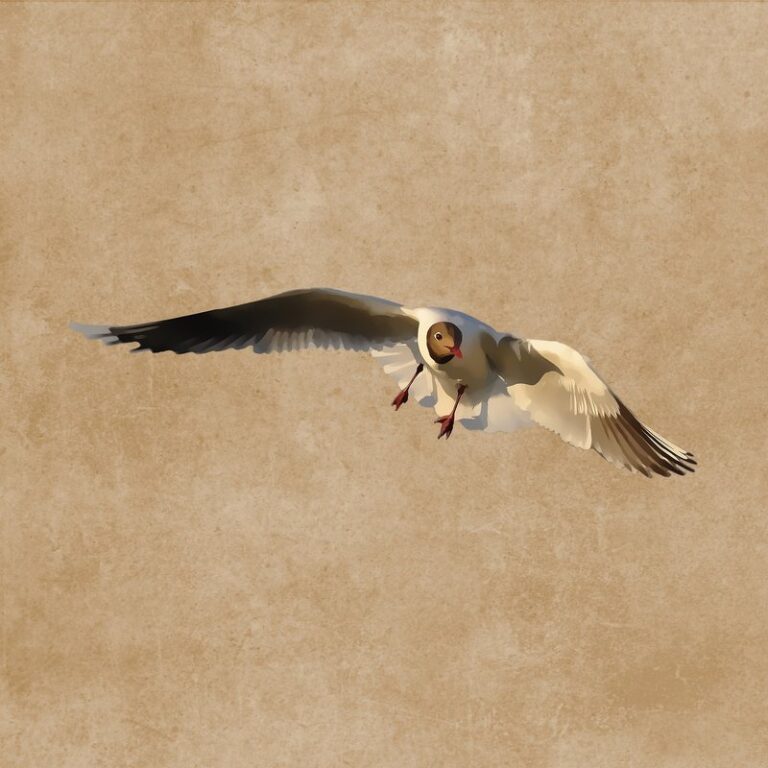
Understanding the Basics of Bird Drawing
To get started, it’s essential to understand the fundamental concepts that will help you draw birds in flight accurately and beautifully. This means learning the basic shapes and proportions of a bird’s body.
Choosing the Right Pencils and Paper
When it comes to drawing birds in flight, having the right tools can make all the difference. You’ll want to start with a few essentials: pencils, erasers, and paper.
For pencils, choose a range of graphite grades that will allow you to create varying levels of detail and texture. A set of HB, 2B, and 4B pencils is a great starting point. These pencils will enable you to achieve smooth lines for feathers, delicate textures for beaks, and expressive shading for wings.
Don’t forget an eraser! A good eraser can help you correct mistakes and create subtle details like wing outlines or eye shape. Look for a kneaded eraser that’s gentle on paper but effective at removing graphite marks.
When it comes to paper, select a smooth surface that will allow your pencils to glide smoothly without feathering or bleeding. Hot press watercolor paper or cartridge paper work well for drawing birds in flight. Avoid rough paper textures, which can make it difficult to achieve clean lines and precise details.
Basic Shape and Proportion Guidelines
When it comes to drawing birds in flight, having a solid understanding of basic shapes and proportions is crucial. This foundation will help you create more realistic and balanced compositions. Think about it: the shape of a bird’s body is made up of simple geometric forms – spheres, cylinders, and cones.
Start by identifying the bird’s overall form as an oval or egg shape (sphere). The neck and head can be thought of as a cylindrical extension from the top of this sphere. The wings are typically more curved than straight, resembling the shape of a wing nut or a crescent moon. The tail feathers can be seen as extensions from the back of the bird’s body, creating a long, tapering cone-like shape.
Divide the bird’s body into these basic shapes to help guide your drawing. Try sketching out a simple oval for the main body and adding cylinders for the neck and head. Don’t worry too much about proportions at this stage – focus on getting the overall shape right before moving on to details like beaks, feathers, and wings.
Sketching Bird Silhouettes: The Foundation of Flight
To master drawing birds in flight, you need a solid understanding of their silhouettes and how they change as they soar through the sky. Let’s break down the basics of capturing bird shapes.
Understanding Wing Shape and Movement
When it comes to sketching bird silhouettes, understanding wing shape and movement is crucial for capturing their essence. Different bird species have unique wing shapes and movements that can be challenging to replicate. However, by breaking down these characteristics into categories, you’ll be better equipped to tackle the task.
Broadly speaking, there are three main types of wing shapes: long and narrow (found in birds like eagles and hawks), rounded (seen in waterfowl such as ducks and geese), and pointed (common among songbirds). Each type requires a distinct approach when sketching. For example, when drawing an eagle’s silhouette, focus on the long, curved wings that extend beyond its body.
To capture the movement of a bird’s wings, think about the direction and flow of the feathers. Observe how they curve outward from the body in a gentle arc or sweep upward and forward with greater velocity. Study photographs or videos of birds in flight to get a sense of these movements. By observing and mimicking these characteristics in your sketches, you’ll be able to capture the dynamic essence of bird flight.
Capturing Feather Details with Simple Lines
When it comes to capturing feather details with simple lines, think of movement and flow rather than intricate textures. Focus on suggesting the overall shape and pattern, rather than getting bogged down in every individual detail.
To start, use smooth, fluid strokes to suggest the softness of feathers. Avoid sharp angles or hard lines that can make your bird look stiff. Instead, try using gentle curves and subtle shifts in direction to convey a sense of movement and fluidity.
For example, when drawing a robin’s breast feathers, you might use short, curved lines that follow the natural shape of the feathers. This will give your bird a soft, downy appearance without getting too caught up in individual details. Remember, it’s all about suggesting the overall pattern and texture, rather than trying to draw every single feather.
As you practice drawing different types of birds, pay attention to how their feathers are arranged. Note how some species have stiff, overlapping feathers that provide protection, while others have soft, fluffy plumage for insulation. By capturing these subtle differences in your drawings, you’ll be able to convey a sense of depth and realism without getting too caught up in intricate details.
Drawing Bird Postures and Attitudes
When drawing birds in mid-air, capturing their posture and attitude can make all the difference. We’ll show you how to convey bird behavior through expressive postures and attitudes.
Creating Dynamic Movement with Body Language
When drawing birds in flight, it’s essential to capture their dynamic movement through body language. Different postures and attitudes can convey energy and motion, making your drawings more engaging and lifelike.
Think about the bird’s wings: are they spread wide for gliding or tucked in for diving? The angle of the wings greatly affects the bird’s overall pose. For instance, a bird with its wings held high will appear to be soaring effortlessly through the air, while one with its wings lowered might seem more aggressive or intent on capturing prey.
Consider the tilt of the head as well – is it pointed upwards towards the sky or downwards at the ground? This can greatly influence the bird’s attitude. A bird looking up seems curious and alert, whereas a bird gazing down appears vigilant and watchful. Remember, these small details add depth to your drawings and make them more expressive.
Incorporate subtle variations in pose and attitude to create more dynamic movement in your bird flying drawings. Practice experimenting with different wing angles and head positions to capture the essence of each species’ unique energy and motion.
Adding Facial Expressions for Emotional Depth
Adding facial expressions to your bird drawing can bring it to life by conveying the bird’s personality and attitude. A calm bird might have a relaxed expression with slightly open beak and soft eyes, while an excited one would have a more vibrant expression with a slightly tilted head and alert gaze.
To draw various emotions, start by observing real-life birds in different situations. Notice how their facial expressions change when they’re hunting, playing, or frightened. You can also draw inspiration from your favorite bird species’ unique characteristics. For instance, an eagle’s piercing gaze is unmistakable, while a hummingbird’s tiny, round eyes are full of curiosity.
When drawing emotions, remember to balance realism with artistic license. Exaggerate the facial expression to convey the emotion you’re aiming for. Use subtle lines and gentle strokes for more subdued expressions or bold, expressive ones for stronger emotions. Practice drawing different emotional expressions on paper to become comfortable with conveying your bird’s personality through its face.
Mastering Bird Flight: Wings and Motion
Now that we’ve covered the basics, let’s dive into the fascinating world of bird flight, exploring how wings move to achieve lift and propulsion.
Understanding Wing Action and Propulsion
When you draw birds in flight, it’s essential to understand the physics behind their wing motion. Birds use two main forces to generate lift and thrust: cambered wings and asymmetric wing movement.
Cambered wings are curved upwards on top and flat or curved downwards on the bottom. As air flows over these wings, it speeds up above the curve and slows down below, creating a pressure difference that generates an upward force called lift. The shape of the wing allows birds to control how much lift they generate by adjusting their angle of attack.
Asymmetric wing movement occurs when one wing moves faster than the other, creating thrust. Birds use this motion to push themselves forward, allowing them to fly efficiently. To illustrate these concepts in your drawings, try visualizing the airflow around the wings. You can use simple lines and arrows to show how air flows over and under the wing.
By understanding these fundamental principles of bird flight, you’ll be able to create more realistic and engaging drawings that capture the beauty of birds in motion.
Adding Movement to Your Drawings with Gestural Lines
Adding movement to your bird drawings is all about capturing that dynamic energy of flight. One effective technique for doing this is using gestural lines and expressive strokes. Gestural lines are loose, spontaneous lines that convey the sense of movement and flow. Think of them as a quick sketch of the bird’s wings beating or its body twisting in mid-air.
To get started, try making rapid, flowing gestures on your paper with your pencil or pen. Don’t worry too much about accuracy – focus on capturing the energy of the bird’s movement. Practice drawing gestural lines for different parts of the body, such as the tail feathers swishing back and forth or the wings flapping in a wide arc.
As you practice, pay attention to varying the thickness and pressure of your lines to convey more emotion and tension. For example, if the bird is diving down towards its prey, use thicker, darker lines to suggest force and speed. The key is to keep it loose and spontaneous – don’t overthink it!
Advanced Techniques: Adding Texture and Color
Now that you’ve mastered basic bird flying poses, let’s take your drawings to the next level by adding texture and color to give them extra depth and visual interest.
Creating Feathered Textures with Hatching and Cross-Hatching
To create realistic feather textures on your bird drawing, it’s essential to master hatching and cross-hatching techniques. Hatching involves creating a series of parallel lines that follow the direction of the feathers, while cross-hatching adds layers of perpendicular lines to create depth and texture.
For a more realistic effect, experiment with different line weights and densities. Thicker lines can be used for the base layer, while finer lines can be layered on top for added detail. When hatching, pay attention to the direction of the feathers; follow their natural flow to create a convincing appearance.
To add dimension and texture, try cross-hatching at various angles. This will help create the illusion of softness or firmness in the feathers. For example, softer-looking feathers might be achieved by applying gentle, curved strokes with your hatching tool, while firmer textures can be created using more forceful, angular lines.
By mastering these basic techniques and experimenting with different line weights and directions, you’ll be able to create convincing feather textures that add a touch of realism to your bird drawing.
Exploring Color Palette Options for Bird Illustrations
When it comes to bringing your bird illustration to life, choosing the right color palette is crucial. The colors you select can transport viewers to a specific environment and evoke emotions associated with that setting. For instance, warm earth tones like terracotta, sienna, and golden brown are perfect for depicting birds in their natural habitats, such as forests or grasslands.
Consider the species you’re illustrating – some birds thrive in tropical environments, while others prefer cooler climates. Bright blues and greens can create a lush atmosphere reminiscent of rainforests, whereas softer pastels might evoke a serene, arctic landscape. Think about the bird’s behavior too; if it’s a migratory bird, you could incorporate colors that reflect its seasonal changes.
Some popular color palette options for bird illustrations include:
* Nature-inspired palettes with shades of green, brown, and blue
* Vibrant tropical hues like pink, yellow, and orange
* Soft, watercolor-inspired tones for a whimsical feel
Remember, the key is to have fun and experiment with different colors until you find the perfect fit for your illustration.
Practice Makes Perfect: Tips for Continuous Improvement
Now that you’ve mastered the basics of easy bird flying drawing, let’s focus on taking your skills to the next level by incorporating continuous improvement techniques into your practice.
Regular Drawing Exercises for Hand-Eye Coordination
Developing strong hand-eye coordination is essential for creating lifelike drawings of birds in flight. To improve your skills, incorporate regular drawing exercises into your practice routine. Gesture drawing and blind contour drawing are excellent techniques to focus on hand-eye coordination.
Gesture drawing involves quickly sketching the overall pose or movement of a subject, usually within 1-2 minutes. This exercise helps loosen up your drawing muscles and gets you thinking about the flow and energy of the bird’s flight. For example, try drawing a bird in motion by rapidly sketching its position every few seconds. Focus on capturing the overall gesture rather than precise details.
Blind contour drawing takes it a step further by not looking at your paper while drawing. This exercise forces you to pay attention to the subject and translates what you see onto the page more accurately. To practice blind contour drawing, place a bird reference image facing away from you and sketch its outline without looking at your paper. Repeat this process several times to improve your accuracy.
By incorporating these exercises into your regular practice, you’ll develop greater hand-eye coordination and be able to capture the fluid motion of birds in flight with more ease and precision.
Online Resources and Communities for Learning and Inspiration
If you’re eager to improve your easy bird flying drawing skills or just want to stay inspired by others who share your passion, there are numerous online resources and communities at your disposal.
Platforms like DeviantArt and ArtStation provide a wealth of user-generated artwork for you to browse through, including stunning bird illustrations that showcase various styles and techniques. You can also discover tutorials on YouTube channels dedicated to art education, such as Proko and Art Camp, which offer a range of drawing lessons suitable for different skill levels.
In addition, online forums like Reddit’s r/LearnArt and r/Drawings provide an opportunity to connect with fellow artists, ask questions, and share your own work. You can also participate in online challenges and exercises designed to help you improve specific skills, such as perspective or gesture drawing.
Frequently Asked Questions
How Do I Apply the Techniques Learned to Real-Life Drawing Situations?
The techniques covered in this article are fundamental, but applying them to specific drawing situations can be challenging. To overcome this, practice regularly and experiment with different bird species, environments, and lighting conditions. Observe real-life birds and take note of their movements, postures, and attitudes. Use these observations as reference points for your drawings.
Can I Use Digital Tools or Software to Create Bird Flying Drawings?
Yes, digital tools can be a great asset in creating bird flying drawings. Consider using software like Adobe Illustrator or Procreate to create dynamic and realistic artwork. Familiarize yourself with the software’s features and tools, such as layers, brushes, and animation controls. This will enable you to experiment with different techniques and styles.
How Do I Achieve Realistic Wing Movement in My Drawings?
To capture realistic wing movement, focus on the subtle changes in shape and position. Use gentle curves and smooth lines to convey the fluid motion of a bird’s wings. Study real-life photographs or videos of birds in flight, paying attention to the way their wings move in different phases of flight.
Can I Create Highly Detailed Bird Drawings Using Only Basic Shapes?
While basic shapes provide an essential foundation for drawing birds, creating highly detailed artwork often requires more advanced techniques. To achieve this level of detail, learn to use hatching and cross-hatching methods to create realistic feather textures and patterns. Experiment with different line weights and shading techniques to add depth and dimensionality to your drawings.
How Can I Continuously Improve My Bird Drawing Skills?
To continuously improve, set aside time each week for regular practice and experimentation. Try drawing birds in different environments, lighting conditions, and poses. Join online communities or forums to connect with other bird artists and learn from their experiences. Additionally, seek feedback from peers or mentors to identify areas for improvement.