
Are you ready to transport yourself back in time to an era of grandeur and opulence? Empire style furniture is more than just a relic of the past – it’s a testament to the elegance and sophistication that defined 19th-century Europe. Characterized by imposing proportions, luxurious materials, and intricate details, empire style furniture exudes a sense of drama and majesty that’s hard to resist.
In this article, we’ll delve into the history behind this iconic design movement, exploring its roots in French neoclassicism and the key elements that define its aesthetic. From gilded accents and sculptural motifs to plush upholstery and ornate carvings, we’ll examine the distinctive features of empire style furniture and how it continues to inspire modern designers and homeowners alike. Whether you’re a seasoned decorator or simply looking for inspiration, this comprehensive guide will show you why empire style furniture remains an enduring symbol of luxury and refinement.
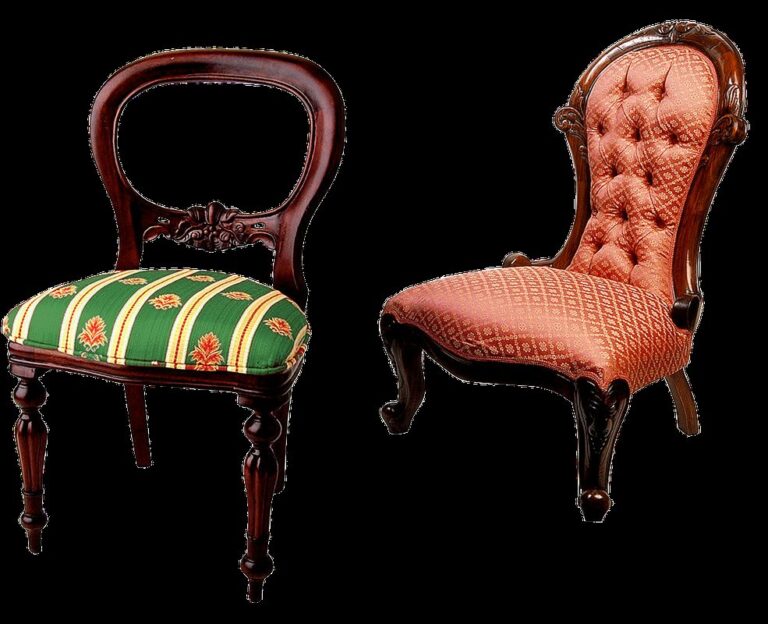
The Origins of Empire Style Furniture
Let’s take a step back in time and explore how empire style furniture came into being, emerging from the grandeur of European history. We’ll delve into its early beginnings and evolution.
The Influence of Napoleon’s France
The Influence of Napoleon’s France on Empire Style Furniture was significant. During this time, French designers were heavily influenced by ancient Greek and Roman styles. The classical elements that characterized these periods, such as columns, pediments, and arches, became prominent features in empire style furniture.
Napoleon’s military campaigns and expansionist policies had far-reaching effects on European design trends. As his armies conquered territories across the continent, they introduced new ideas, materials, and techniques to French designers. In turn, these designers drew inspiration from ancient Greek and Roman art and architecture, which was already widely studied and admired in France.
Designers such as Percier and Fontaine popularized empire style furniture, creating pieces that were both elegant and imposing. Their designs often featured intricately carved moldings, gilded details, and classical motifs, reflecting the grandeur of ancient civilizations.
Key Design Elements
At the core of Empire style furniture lies a distinctive set of design elements that echo the era’s fascination with grandeur and imperial power. One of the defining features of this style is its use of curved lines, which are often sinuous and sweeping. You’ll notice this in pieces like the Empire-style armchair, where gentle curves give way to plush upholstery and ornate carvings.
These curved lines serve as a visual metaphor for the era’s imperial aspirations – expansive, flowing, and without bounds. To create a sense of grandeur, designers often employed bold scale, pairing large proportions with elaborate ornamentation. This is evident in pieces like the Empire-style sideboard, which features intricate carvings and gilded accents on a massive, imposing frame.
In terms of ornamentation, Empire style furniture is renowned for its lavish use of carved motifs, from floral patterns to mythological creatures. To achieve this look in your own home, consider incorporating similar elements into your decor – perhaps a statement piece of furniture with intricate carvings or a room adorned with ornate moldings.
Characteristics of Empire Style Furniture
Empire style furniture is easily recognizable by its bold, ornate features and luxurious materials. As we explore the characteristics of this iconic style, you’ll notice a few key traits that set it apart.
Types of Furniture Pieces
When it comes to Empire style furniture, you’ll notice that many pieces are designed with luxurious and opulent elements. One of the defining features of this style is the use of grand, formal furniture pieces that exude elegance and sophistication.
Let’s take a look at some common types of furniture that embody Empire style design:
* Sofas: Plush, tufted sofas with rolled arms and high backs are a staple of Empire style. These statement pieces often feature intricate carvings or upholstery patterns.
* Armchairs: Regal armchairs with curved lines, carved details, and luxurious fabrics like velvet or silk are typical of the Empire style.
* Coffee tables: Low-slung coffee tables with ornate legs or metal supports add a touch of elegance to any room. Look for ones with intricate carvings or inlays.
* Consoles: Console tables with ornate mirror-backed cabinets, carved details, and gilded accents are perfect for adding a touch of Empire style to your entryway or hallway.
* Sideboards: Large sideboards with mirrored doors, intricate carvings, and raised paneling are a classic example of Empire style furniture.
These pieces often feature luxurious materials like marble, gilded metalwork, and rich fabrics. When incorporating these types of furniture into your own home, remember to balance their opulence with more understated elements to avoid overwhelming the space.
Materials and Finishes
When it comes to Empire style furniture, the choice of materials was carefully curated to reflect the era’s emphasis on luxury and durability. Typically, Empire-style pieces were crafted from rich, exotic woods such as mahogany, rosewood, and ebony. These hardwoods not only added a sense of opulence but also ensured that the furniture could withstand the test of time.
The finish used on these pieces was equally impressive, with many featuring intricate carvings, gilded accents, and subtle sheens. The use of finishes such as satin and gloss helped to enhance the beauty of the woods, while also adding an extra layer of protection against wear and tear.
To recreate the Empire style at home, consider using similar materials in your furniture-making projects. Look for hardwoods with a rich grain pattern and interesting texture, such as mahogany or walnut. Pair these woods with ornate carvings, gilded accents, or subtle sheens to add an air of luxury to your space.
Design Principles of Empire Style Furniture
As we explore the intricacies of empire style furniture, let’s dive into its core design principles that set it apart from other styles. We’ll examine what makes an empire piece truly unique and authentic.
Balance and Proportion
In Empire style design, balance and proportion are crucial elements that contribute to the grandeur and majesty of the furniture pieces. Symmetry is a key principle used in this style, where designers strive for mirror-image balance on either side of an axis. This creates a sense of order and stability, often associated with classical designs.
To achieve symmetry, Empire style furniture makers employed various techniques, including the use of matching components such as mirrors, vases, or other decorative elements. For example, a dresser might feature identical mirrors on either side of the center mirror, creating a harmonious balance that draws the eye to the focal point.
Scale is another essential aspect of Empire style design, where furniture pieces are designed to be imposing and majestic. Large proportions create an air of grandeur, often in contrast with the ornate details and rich materials used throughout the piece. Negative space also plays a vital role in maintaining balance by providing visual breathing room between elements, allowing the eye to rest and creating a sense of balance.
Practically speaking, you can incorporate these principles into your Empire style-inspired furniture design by balancing large pieces with smaller ones or using matching components on either side of an axis. By employing symmetry, scale, and negative space effectively, you’ll be able to create a harmonious and majestic atmosphere that embodies the essence of Empire style design.
Ornamentation and Carvings
Ornamentation and carvings played a pivotal role in Empire style furniture design, serving as a visual representation of power and status. Intricate carvings, often featuring mythological creatures, foliage, and acanthus leaves, were used to adorn pieces such as side tables, chairs, and cabinets. Gilding was also a common technique, adding a touch of luxury and opulence to the overall design.
Take, for example, the iconic Empire-style side table designed by French cabinetmaker Georges Jacob in the late 18th century. Its surface is adorned with intricate carvings of acanthus leaves and scrollwork, while gilding adds a sense of grandeur to the piece. This type of ornamentation not only showcased the owner’s wealth but also their taste and refinement.
When designing your own Empire-style furniture pieces, consider incorporating similar elements, such as carved floral motifs or gilded accents, to convey a sense of power and sophistication. Remember, the key is balance – too much ornamentation can be overwhelming, while too little may make the piece seem bland. By striking the right balance, you can create a stunning Empire-style piece that exudes luxury and refinement.
Creating Empire Style Furniture Today
Now that you have a good understanding of empire style furniture, let’s dive into how to create stunning pieces for your home using modern materials and techniques. We’ll explore key design principles and must-have features.
Modern Interpretations
As we explore the realm of empire style furniture today, it’s clear that modern designers are breathing new life into classic designs. Gone are the days of strict adherence to traditional materials and techniques – instead, contemporary makers are incorporating innovative elements to create unique, statement pieces.
One notable trend is the use of unconventional materials in empire-inspired furniture. Think reclaimed wood, rich velvet upholstery, or even metallic accents. For example, a modern dresser might feature a distressed wood frame paired with sleek hardware and a tufted linen top. This fusion of old and new creates a fresh, eclectic aesthetic that speaks to modern tastes.
Another key aspect of modern empire style is the integration of cutting-edge technologies and styles. Designers are experimenting with sustainable materials, such as eco-friendly fabrics and recycled metal, to create pieces that not only look stunning but also promote environmentally responsible practices. Consider pairing traditional empire motifs with minimalist silhouettes or bold patterns – the result is a visually striking yet practical space solution.
By embracing these modern twists on classic design elements, you can bring the grandeur of empire style into your home while staying true to your personal aesthetic.
Tips for Incorporating Empire Elements in Your Home
Incorporating empire-style furniture into your home can be a great way to add elegance and sophistication. To start, consider what pieces you already have that could work with an empire style aesthetic. A console table or a sideboard are natural choices, as they often feature intricate carvings and ornate details.
When choosing empire-style furniture, look for pieces made from rich, high-quality materials such as mahogany or walnut. Consider the scale of your space when selecting furniture – larger rooms can accommodate more grandiose pieces, while smaller spaces may require more compact options.
Pairing empire-style furniture with other styles can be challenging, but there are a few ways to make it work. For example, you could balance an empire-style console table against a sleek modern sofa or pair an ornate sideboard with a minimalist kitchen island.
Ultimately, the key to successfully incorporating empire-style furniture into your home is to strike a balance between form and function. Consider what pieces will be used frequently and which can serve as statement pieces. With a little creativity and experimentation, you can create a cohesive look that combines the best of both worlds – old and new.
Legacy of Empire Style Furniture
As we explore the enduring appeal of empire style furniture, let’s delve into its lasting legacy and how it continues to influence design today. We’ll examine its impact on modern interiors.
Influence on Later Design Movements
The influence of Empire Style furniture design can be seen in many subsequent movements, including Neoclassicism, Art Deco, and Modernism. One of the key elements that continues to influence contemporary furniture design is the use of curves. The sinuous lines and flowing shapes characteristic of Empire Style furniture have been adopted by designers throughout history. For example, the curved legs of an Empire Style chair are reminiscent of those found in 1960s-era Mid Century Modern designs.
The intricate carvings and ornate details that were a hallmark of Empire Style furniture have also continued to inspire designers. The Art Deco movement, which emerged in the early 20th century, is characterized by bold geometric patterns and metallic accents – elements that owe a debt to the opulent ornamentation of Empire Style design. Meanwhile, modernist designers have taken inspiration from the clean lines and minimal ornamentation of Empire Style furniture, adapting these principles for a more minimalist aesthetic.
Today, designers continue to draw on the principles of Empire Style furniture to create pieces that are both elegant and functional. By incorporating elements like bold scale, curved lines, and intricate carvings into their designs, modern manufacturers can tap into the timeless appeal of this classic style.
Preservation and Restoration Efforts
As we explore the rich history of Empire Style furniture, it’s essential to acknowledge the efforts being made to preserve and restore these exquisite pieces. Museums and conservation projects are working tirelessly to protect these valuable artifacts for future generations.
The Metropolitan Museum of Art in New York City, for instance, has an extensive collection of Empire Style furniture that is meticulously maintained by skilled conservators. Similarly, the Victoria and Albert Museum in London has a dedicated team that works on restoring and preserving its vast collection of Empire-era pieces.
Historical preservation initiatives, such as the National Trust for Historic Preservation, are also crucial in safeguarding these artifacts. These organizations work with private collectors, museums, and conservationists to ensure that original pieces are properly cared for and made accessible to the public.
By supporting these efforts, you can play a vital role in preserving the legacy of Empire Style furniture. Consider visiting museums and exhibitions featuring restored pieces, donating to reputable preservation initiatives, or even learning about proper care and maintenance techniques to help extend the lifespan of your own Empire-style furniture collection.
Conclusion: The Enduring Appeal of Empire Style Furniture
As you’ve learned about the history and design principles of empire style furniture, let’s now explore why this timeless aesthetic remains so appealing to designers and homeowners today. Its enduring charm lies in its elegant simplicity and rich cultural heritage.
Why Empire Style Remains Relevant Today
As we conclude our journey through the world of Empire style furniture, it’s clear that its allure has stood the test of time. This classic design aesthetic continues to captivate homeowners and designers alike, and for good reason. The unique blend of elegance, grandeur, and adaptability makes Empire style a timeless choice for those seeking sophistication and refinement.
One of the primary reasons Empire style remains relevant today is its ability to evoke a sense of history and tradition. With its roots in 19th-century Europe, this design movement pays homage to the opulence and luxury of bygone eras. However, it’s not just about nostalgia – Empire style also speaks to our desire for modern comfort and functionality. By incorporating sleek lines, rich materials, and innovative manufacturing techniques, designers can create pieces that are both stylish and practical.
To incorporate Empire style into your own design scheme, consider the following tips: look for pieces with intricate carvings or ornate details, pair rich wood tones with bold upholstery, and don’t be afraid to mix high-low elements. For example, a vintage Empire-style sofa can be paired with a modern coffee table or console table to create a striking contrast.
Moreover, Empire style is not just limited to traditional settings – it can also be adapted to suit modern tastes. Consider using Empire-style elements in bold colors or metallic finishes to add a touch of drama and whimsy. By embracing the classic lines and opulent details of this design movement, you can create spaces that are both elegant and memorable.
Ultimately, Empire style’s enduring appeal lies in its ability to balance tradition with innovation, luxury with practicality, and grandeur with restraint. Whether you’re a seasoned designer or a DIY enthusiast, incorporating Empire style into your decor is a great way to add depth, sophistication, and personality to your space.
Frequently Asked Questions
Can I replicate the grandeur of empire style furniture on a budget?
Yes, you can achieve an empire-inspired look without breaking the bank by focusing on key elements like gilded accents, ornate carvings, and plush upholstery. Shop for second-hand pieces or consider DIY projects to create custom details.
How do I balance empire style’s opulent aesthetic with modern design principles?
Empire style furniture is all about drama and majesty, but it can be overwhelming when paired with minimalist decor. To strike a balance, introduce empire elements as accent pieces, and pair them with more subdued designs to avoid visual overload.
Can I mix empire style with other design periods or styles?
Empire style’s luxurious feel lends itself well to mixing with other historical styles like Victorian or Art Deco. Experiment with combining different eras to create a unique look that reflects your personal taste.
How do I choose the right materials and finishes for my empire-style furniture?
For an authentic empire look, opt for rich, high-quality materials like velvet, marble, or gilded metals. Consider the historical context of each piece when selecting materials and finishes – for example, Napoleon-era pieces might feature intricate carvings.
Can I incorporate empire style elements into smaller spaces or apartments?
While empire style furniture is often associated with grand estates, you can still incorporate its opulent aesthetic into smaller spaces by focusing on accent pieces like statement lighting, ornate mirrors, or intricately carved side tables.