
The thrill of venturing into the woods in search of wild mushrooms can be a magical experience, but it’s essential to remember that this hobby comes with responsibility. As more people take up mushroom foraging, it’s crucial to establish some ground rules to ensure we’re not harming these incredible ecosystems or breaking any regulations. In this article, we’ll explore the essential rules and best practices for ethical mushroom foraging, from identifying species correctly to minimizing our impact on the environment. We’ll cover how to respect protected areas, avoid over-harvesting, and identify any species that are off-limits due to toxicity or habitat concerns. By the end of this guide, you’ll be well-equipped with the knowledge to enjoy this hobby while preserving the delicate balance of nature.
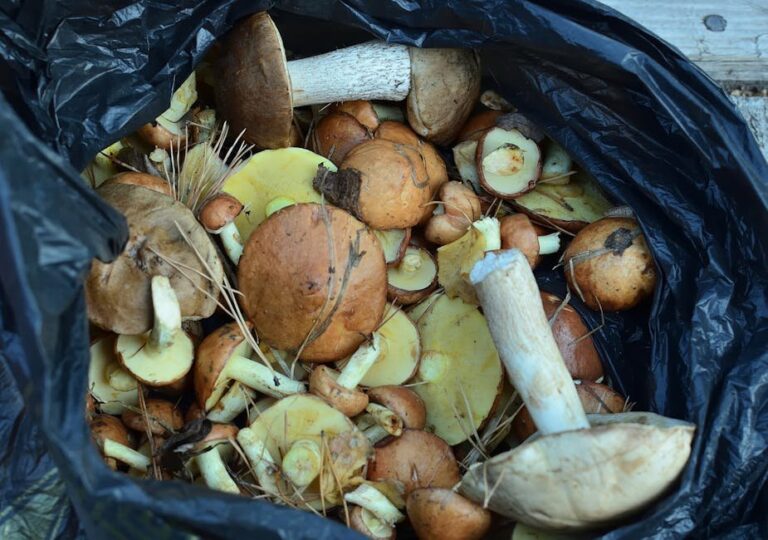
Understanding the Importance of Responsible Foraging
Responsible foraging is not just about finding wild mushrooms, but also about preserving their populations and ecosystems. Let’s explore why being mindful of your foraging impact is crucial for a sustainable future.
The Impact of Over-Harvesting
Over-harvesting mushrooms can have severe consequences on ecosystems and potentially even lead to extinction. When mushroom populations are depleted at a rate faster than they can regenerate, it disrupts the delicate balance of nature. This can cause irreparable harm to the environment, affecting not only the specific species but also other organisms that depend on them.
For example, certain species of fungi play a crucial role in decomposing organic matter and recycling nutrients. Without them, soil health suffers, and this has far-reaching implications for entire ecosystems. Moreover, some mushroom species are keystone indicators, providing valuable insights into environmental conditions. Over-harvesting these species can result in the loss of critical information.
Practicing responsible foraging involves not only observing but also respecting the limits of what can be sustainably harvested. This means adhering to local regulations and guidelines set by organizations that work to conserve mushroom populations. By being mindful of our impact, we can help preserve the beauty and biodiversity of nature for future generations.
Benefits of Sustainable Foraging Practices
Responsible foraging practices play a vital role in maintaining healthy fungal populations. When done sustainably, foraging can help preserve biodiversity and support ecosystem services. For instance, leaving some mushrooms behind allows them to produce spores, which disperse and colonize new areas. This process ensures the continued health and resilience of fungal communities.
By not over-harvesting, you’re also giving other species that rely on these fungi for food or shelter a chance to thrive. Fungi form symbiotic relationships with tree roots, improving soil quality and facilitating nutrient exchange. When we responsibly collect only what’s necessary, we support this delicate balance.
Moreover, sustainable foraging encourages the growth of diverse fungal populations, which in turn supports pollinators, insects, and other organisms that rely on fungi for survival. By adopting a mindful approach to foraging, you contribute to maintaining these essential ecosystem services, ultimately enriching the natural environment.
Identifying Mushroom Species Safely
When venturing into the world of foraging, it’s crucial to know your mushrooms from a safe distance. This section will guide you through identifying key characteristics that indicate a mushroom’s potential edibility and toxicity.
Characteristics of Edible Mushrooms
When venturing into the world of edible mushrooms, it’s essential to know what you’re looking for. While it may seem daunting at first, understanding the characteristics of different species can make all the difference between a delicious find and a potentially poisonous one.
Start by examining the cap shape. Edible mushrooms often have caps that are rounded, convex, or even umbrella-shaped. For example, morels have distinctive honeycomb patterns on their caps, while chanterelles tend to be funnel-shaped. Be sure to note the size of the cap as well – some species like the oyster mushroom can grow quite large.
Color is another crucial characteristic. Edible mushrooms come in a wide range of hues, from the creamy whites and yellows of button mushrooms to the deep purples and blacks of some more exotic varieties. Pay attention to any distinctive markings or colors on the cap or stem – these can be key identifying features.
Finally, take note of the stem size and shape. Some edible mushrooms have slender stems that are almost imperceptible, while others have sturdy stalks that support large caps. By considering all these characteristics together, you’ll become more confident in your ability to identify edible mushroom species in the wild.
Distinguishing Between Similar Species
When foraging for wild mushrooms, it’s not uncommon to come across species that are remarkably similar yet potentially deadly poisonous or delectably edible. A case in point is the Death Cap (Amanita phalloides) and its innocuous cousin, the Autumn Skullcap (Galerina marginata). These two species appear quite alike, but while one can be fatal if ingested, the other is harmless.
To distinguish between these closely related yet distinct species, examine their cap shapes and sizes carefully. The Death Cap typically has a rounded cap that’s usually greenish-gray in color, whereas the Autumn Skullcap has a more elongated cap with wavy edges. Additionally, note the arrangement of gills or pores beneath the cap – the Death Cap tends to have white gills that are close together, while the Autumn Skullcap has its pores crowded and yellow-brown.
Another critical aspect is the mushroom’s overall size and growth patterns. The larger and more robust the specimen, the more likely it is a poisonous species like the Death Cap.
Resources for Mushroom Identification
When venturing into the world of mushroom foraging, it’s essential to prioritize accurate identification. A single misstep can lead to disastrous consequences, from unpleasant reactions to life-threatening poisonings. To avoid such risks, consult field guides, online resources, and expert guidance when identifying mushrooms.
Field guides provide a wealth of information on various species, including descriptions, photographs, and habitat specifics. When selecting a guide, look for one that’s comprehensive, well-illustrated, and written by an expert in the field. The classic “Mushrooms Demystified” by David Arora is a reliable choice.
Online resources offer convenience and accessibility. Websites like MushroomExpert.com and MycoBank.org feature extensive databases of species, along with detailed descriptions and images. However, be cautious when relying on digital sources alone, as they may lack the nuance and expertise found in print guides.
Seeking guidance from experts is also crucial. Join local foraging groups or online forums to connect with seasoned enthusiasts who can offer valuable insights and advice. Many mushroom clubs and organizations provide mentorship programs, workshops, and guided forays – take advantage of these opportunities to hone your identification skills under expert supervision.
Best Practices for Ethical Foraging
To truly make the most of your mushroom hunting experience, it’s essential to follow some basic rules and guidelines that ensure a sustainable and responsible harvest. Let’s explore the best practices for doing just that.
Permits and Regulations
When venturing into mushroom foraging, it’s essential to be aware of the laws and regulations surrounding this activity. These vary greatly depending on the region, state, or even county you’re in. In some areas, permits are required before you can start collecting wild mushrooms.
In the United States, for example, the Lacey Act prohibits the interstate trade of certain plant species, including many types of wild mushrooms. This means that if you plan to sell your foraged finds, you’ll need to familiarize yourself with federal regulations. Some states have their own laws and restrictions on mushroom harvesting as well.
To ensure compliance, research the specific regulations in your area before heading out on a foraging trip. The U.S. Forest Service website is an excellent resource for learning about permit requirements and harvest limits in national forests. Be aware that even if you’re not planning to sell your finds, some areas may still have restrictions on the quantity of mushrooms you can collect.
When applying for permits or researching regulations, be sure to check with local authorities as well as regional organizations dedicated to conservation and sustainability. By doing so, you’ll avoid unintentionally harming the ecosystem and ensure a safe, responsible foraging experience.
Minimizing Impact on Ecosystems
When venturing into the great outdoors to forage for mushrooms, it’s essential to be mindful of your surroundings and minimize your impact on the ecosystem. Sensitive habitats such as wetlands, meadows with rare species, or areas with unique geological formations should be avoided altogether.
Before harvesting any mushrooms, take a moment to observe your surroundings and assess potential damage to trees or vegetation. Be cautious not to trample fragile plants, disturb roots, or break branches. If you’re foraging in a forested area, consider the root system of nearby trees and avoid digging too deeply, which can cause long-term damage.
Some simple precautions include staying on designated trails, not removing any parts of the plant life beyond what’s necessary for your mushroom, and leaving behind any unnecessary debris or waste. By being mindful of these details and taking a moment to assess potential environmental impact, you’ll be able to enjoy your foraging experience while preserving the integrity of the ecosystem.
It’s also worth noting that some areas may have specific regulations regarding foraging. Be sure to familiarize yourself with local laws and guidelines before venturing out.
Respecting Private Property and Public Lands
When venturing out to forage for wild mushrooms, it’s essential to remember that you’re not only respecting the land and its inhabitants but also the private property rights of others. Before heading out, research the area and familiarize yourself with the boundaries of private properties, parks, and protected areas. Be mindful that trespassing can have serious consequences, including fines and damage to your reputation as a responsible forager.
When foraging in public lands, follow established guidelines and regulations. These may include permits, licenses, or specific rules about the types of mushrooms you’re allowed to harvest. For example, some national parks prohibit the collection of certain species due to their rarity or habitat requirements. Always check with park rangers or local authorities before collecting mushrooms.
As a responsible forager, respect closed areas and private property signs. Don’t assume that just because an area appears abandoned or neglected, it’s open to foraging. The landowner may still have valid reasons for restricting access, and trespassing can cause damage to their property. Always prioritize respect for both public lands and private property rights.
Foraging in Different Environments
When foraging in various environments, understanding how to identify mushrooms in each setting is crucial. We’ll explore how to adapt your observation skills to different landscapes and ecosystems.
Forests and Woodlands
When venturing into forested environments for mushroom foraging, it’s essential to be aware of the unique characteristics and challenges that come with this terrain. Forests are home to a diverse range of species, but identifying them requires careful observation and attention to detail.
Start by familiarizing yourself with the local flora and fauna. Learn about the typical habitats and growth patterns of various mushroom species in your region. This knowledge will help you recognize potential targets from a distance, allowing you to approach with caution and respect for their environment. Pay close attention to the terrain itself – steep slopes, ravines, and uneven ground can be treacherous.
Some forest-dwelling mushrooms may be found growing on decaying logs or tree trunks. Others thrive in shaded areas beneath dense foliage. Be aware of potential hazards like poisonous lookalikes, snags (dead trees), and wildlife habitats. When foraging in forests, proceed slowly and deliberately, taking time to inspect each potential find carefully before collecting any mushrooms. This approach will not only help you avoid mistakes but also minimize your impact on the forest ecosystem.
Grasslands and Meadows
When venturing into grasslands and meadows for mushroom foraging, it’s essential to adapt your techniques to respect these unique ecosystems. Grassland species often grow in areas with limited canopy cover, making them more susceptible to environmental stressors.
Start by identifying the specific habitat you’re foraging in. Look for areas with a mix of native grasses, wildflowers, and shrubs. Some popular grassland mushroom species include False Morel (Gyromitra esculenta), Slender Chanterelle (Cantharellus cibarius), and Oyster Mushrooms (Pleurotus ostreatus).
To minimize your impact on the environment, avoid trampling sensitive vegetation or disturbing underground water sources. Instead, walk carefully along the edge of meadows or grasslands, using a gentle “meandering” approach to inspect the terrain.
When identifying species in these areas, keep an eye out for distinctive features like caps, stems, and gills. Be aware that some grassland mushrooms can be toxic, so exercise caution when handling them.
Safety Precautions and Emergency Protocols
As you venture into the forest, it’s essential to know what to do in case of an emergency. This section outlines critical safety measures for mushroom foragers.
Common Hazards and Poisonous Species
When venturing into the world of mushroom foraging, it’s essential to be aware of common hazardous species that can pose a threat to human health. Some mushrooms, while edible and highly sought after by enthusiasts, require extreme caution when handling.
One such example is the Destroying Angel (Amanita virosa). With its striking white cap and bulbous base, this mushroom is often mistaken for edible varieties like Button Mushrooms or Portobellos. However, consuming the Destroying Angel can lead to liver and kidney failure, resulting in severe health consequences.
Other hazardous species include the False Morel (Gyromitra esculenta), Death Cap (Amanita phalloides), and Panther Cap (Amanita pantherina). These mushrooms are often indistinguishable from edible varieties at first glance. To avoid these poisonous species, always consult an experienced forager or a trusted field guide before setting out.
When foraging, remember that prevention is key. Never assume you can identify a mushroom on sight and take extra precautions when exploring unfamiliar areas. Be aware of your surroundings and keep a safe distance from any mushrooms that look unusual or suspect.
Emergency Response Plan
In the event of an emergency while mushroom foraging, it’s crucial to have a clear plan in place. This includes knowing what to do in case of allergic reactions or accidental ingestion of poisonous mushrooms. Always carry a first aid kit and make sure someone knows where you are and what you’re doing.
A step-by-step response plan should be developed with the following key points:
* Remain calm: Panic can exacerbate symptoms, so it’s essential to stay calm and think clearly.
* Administer basic first aid: If an allergic reaction occurs, provide basic first aid such as applying a cold compress or using antihistamines if available.
* Identify the situation: Determine what type of mushroom was ingested, and how much was consumed. This information will be crucial in determining the best course of action.
* Seek medical attention immediately: Even if symptoms seem minor, it’s always better to err on the side of caution and seek professional help.
By being prepared and knowing what to do in case of an emergency, you can minimize risks associated with mushroom foraging.
Conclusion and Final Thoughts
As we’ve explored the world of ethical mushroom foraging, it’s time to summarize key takeaways and thoughts on responsible observation practices. Let’s distill our findings into actionable advice.
Recap of Key Takeaways
As we conclude our exploration of ethical mushroom foraging observation rules, it’s essential to recap the key takeaways. By following these guidelines, you’ll not only contribute to the preservation of fungal ecosystems but also ensure a safe and enjoyable foraging experience.
To begin with, accurate identification is crucial in mushroom foraging. Familiarize yourself with various species, paying attention to characteristics such as cap shape, color, gills or pores, and habitat. Consult multiple field guides and expert resources to avoid misidentification. Remember that some mushrooms are toxic or deadly, so it’s better to err on the side of caution.
Regulations also play a significant role in responsible foraging. Check with local authorities regarding permits, seasonal restrictions, and protected areas. Be mindful of private property rights and obtain permission before entering someone else’s land. Always follow “take only what you need” principles to avoid over-harvesting and ensure sustainability.
Safety precautions are equally important. Be aware of potential allergens, such as bee or wasp stings, and watch out for hazards like slippery terrain or inclement weather. When handling mushrooms, use clean equipment and avoid touching your face to minimize the risk of contamination.
In addition to these rules, consider a few more best practices:
* Respect the environment by not damaging vegetation or disturbing wildlife habitats
* Keep an eye on your surroundings to avoid getting lost or injured
* Share knowledge with others through workshops, online forums, or guided forays
By adhering to these guidelines and continuing to educate yourself, you’ll become a responsible mushroom forager who contributes positively to the ecosystem.
Frequently Asked Questions
Can I forage in areas with restricted access, such as national parks or protected wildlife reserves?
No, it’s essential to respect these areas and their regulations to preserve the natural habitats and ecosystems. Always check with park rangers or local authorities before venturing into restricted areas.
How can I identify specific species of mushrooms that are known to be toxic, even if they resemble edible ones?
Be aware of key characteristics like cap shape, size, color, gills, and habitat preferences for both edible and poisonous mushroom species. Familiarize yourself with the most common lookalike species to ensure safe identification.
What happens if I accidentally over-harvest a protected or endangered species?
If you’re unsure about the identity of a mushroom or suspect you may have disturbed a sensitive species, report your findings to local authorities or conservation organizations to help mitigate any potential damage. This responsible action can also contribute to ongoing research and habitat preservation efforts.
Are there specific regulations or permits required for foraging in certain environments, like forests or grasslands?
Yes, familiarize yourself with regional laws and regulations regarding private property rights, public lands access, and environmental permits before heading out on a foraging adventure. Understand the rules for collecting specific species, quantities, and any restrictions on harvesting in protected areas.
How can I maintain accurate records of my foraging activities to ensure sustainable practices?
Maintain a field notebook or app to record details about each find, including location, date, time, weather conditions, and mushroom characteristics. This helps you monitor your progress, identify patterns, and make informed decisions about future foraging trips while minimizing impact on the environment.