
Are you tired of feeling stuck with a blank page staring back at you? Do you want to unleash your creativity and bring your sketchbook to life with vibrant doodles? Filling your sketchbook with doodles is not only a fun way to express yourself, but it’s also an amazing skill to develop. Whether you’re a seasoned artist or just starting out, having a collection of go-to techniques and ideas can take your art from bland to grand. In this article, we’ll dive into the world of doodling, covering everything from traditional mediums like pencils and markers to digital tools and advanced techniques. We’ll explore various methods for creating unique doodles, including patterns, shapes, and characters, so you can fill your sketchbook with confidence and creativity.
Choosing the Right Medium
When it comes to filling your sketchbook, you may be wondering which medium is best suited for your unique style and creativity. Let’s explore the options together.
Exploring Traditional Tools
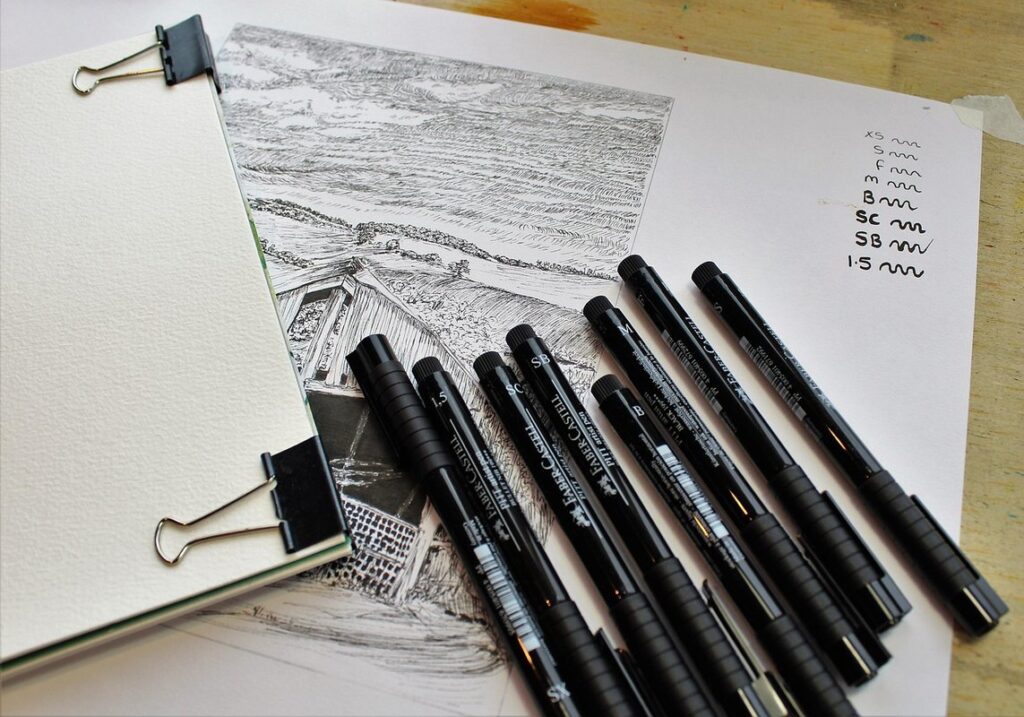
When it comes to filling your sketchbook with doodles, traditional mediums like pencils, pens, and markers offer a unique charm that’s hard to replicate with digital tools. Not only do they provide a tactile experience, but they also allow for expressive subtleties and textures that can add depth to your doodles.
For instance, graphite pencils enable you to create smooth transitions from light to dark, while fine-tip pens are perfect for creating delicate details and intricate patterns. Markers, on the other hand, offer vibrant colors and bold strokes that can add a dynamic touch to your doodles.
When working with traditional mediums, it’s essential to choose paper that complements them. Look for papers specifically designed for drawing or mixed media, such as cold press watercolor paper or hot press paper. These surfaces will help you achieve the desired texture and effect from your tools. For example, a rough-textured paper like cartridge paper can add an interesting organic feel to your doodles when used with pencils or markers.
Some popular types of paper suitable for traditional mediums include:
* Cold press watercolor paper (150-300 gsm)
* Hot press paper (90-200 gsm)
* Cartridge paper (80-100 gsm)
Experimenting with different papers and tools will help you discover new techniques and styles to fill your sketchbook with unique doodles.
Digital Tools for Doodling
If you’re looking to mix things up and try out new techniques for filling your sketchbook, consider exploring digital tools for doodling. Digital drawing apps and tablets have become incredibly popular among artists and doodlers alike, offering a wide range of benefits that can enhance your creative process.
For instance, apps like Procreate and Adobe Draw allow you to access a vast library of brushes and tools, giving you the freedom to experiment with different styles and techniques. These programs also enable easy editing and undoing, which can be especially helpful when trying out new methods or making mistakes.
You don’t need an expensive tablet to get started either – many artists swear by their smartphones and tablets as viable alternatives for digital doodling. The Wacom Intuos is a great entry-level option that’s both portable and affordable. To take your digital doodling to the next level, experiment with different software options and discover what works best for you.
Basic Doodle Techniques
Let’s get started with some fundamental techniques that will have your sketchbook filled with creativity in no time, starting with basic doodle patterns and shapes.
Lines and Shapes
When it comes to doodling, lines and shapes are the building blocks of creativity. Let’s start with the basics – straight lines can be used to create borders, frames, or even geometric patterns. Experiment with varying line widths to add depth and texture. Curved lines, on the other hand, lend themselves to organic forms like waves, flowers, or even hair.
Zigzag lines are perfect for adding movement and energy to your doodles. Try combining them with straight lines to create a dynamic contrast. When it comes to shapes, circles are great for creating mandalas or unity-inspired designs. Squares can be used to build patterns or create a sense of structure. Triangles add an element of drama and balance when combined in different ways.
Now that you have these fundamental elements at your fingertips, remember: the key is experimentation! Combine lines and shapes in unique ways to discover new patterns and styles. For instance, try creating a repeating pattern by alternating between straight and curved lines or using shapes like circles and triangles together. The possibilities are endless, so don’t be afraid to get creative and fill those sketchbook pages with excitement.
Patterns and Textures
When it comes to creating visually appealing doodles, patterns and textures play a crucial role. These elements can add depth, interest, and personality to your sketches, making them truly unique.
One of the simplest ways to introduce patterns into your doodles is by using repeating shapes or lines. Try drawing rows of connected circles or zig-zagging lines that weave in and out of each other. You can also experiment with chevrons, herringbone, or brick patterns – the possibilities are endless!
To practice incorporating textures into your doodles, try adding a mix of smooth and rough lines to create visual interest. For example, you could draw a series of smooth, flowing lines for the sky, then add some textured, scribbled lines for the trees or mountains in the background.
Experiment with different tools like pens, pencils, and even markers to achieve unique textures. Don’t be afraid to get messy – remember, doodling is all about experimentation and having fun!
Advanced Doodle Techniques
Now that you’ve mastered the basics, let’s dive into some more complex doodle techniques to add even more personality and style to your sketchbook pages. You’ll learn how to create intricate patterns and designs.
Adding Shading and Dimension
As you continue to fill your sketchbook with doodles, it’s time to take your creations to the next level by adding shading and dimension. Basic shading methods like hatching and cross-hatching can instantly add depth and visual interest to your drawings.
Hatching involves creating parallel lines that follow the contours of a shape or object, while cross-hatching involves layering hatching lines at different angles to create a more textured look. For example, try using short, gentle strokes to hatch the surface of a sphere, then add deeper, darker lines to suggest shading and dimension.
To create texture with doodles, experiment with irregular shapes and patterns. You can use loose, expressive lines to suggest rough textures like stone or wood, or tight, controlled lines for smoother surfaces like glass or metal. Try combining hatching and cross-hatching techniques with texture creation to add visual complexity and interest to your doodles.
Remember, the key is to practice and experiment with different shading methods and texture combinations to develop a unique style that reflects your personality. With patience and practice, you’ll be able to create richly detailed doodles that fill your sketchbook with depth and dimension.
Experimenting with Form and Silhouette
Experimenting with form and silhouette is a great way to add depth and visual interest to your doodles. When we think of form and silhouette, we often associate them with 3D shapes and volumes, but in the context of doodling, they can also refer to the overall shape and outline of an object or creature.
To create more complex doodles, play around with combining different forms and silhouettes within a single sketchbook page. For example, you could draw a cat’s body using smooth, flowing lines for the silhouette, but then add more intricate details like whiskers and ears that create additional forms. This blending of shapes adds texture and visual interest to your doodle.
When balancing these elements, remember that it’s all about creating contrast. Mix smooth silhouettes with more defined forms or experiment with different textures to create depth. Don’t be afraid to try out new combinations – the possibilities are endless! Try drawing a series of abstract shapes in different colors and see how they interact with each other on the page.
Experimenting with form and silhouette is all about having fun and exploring your creative boundaries. So, go ahead and get messy – mix up smooth lines with bold forms and see what unique doodles you come up with!
Sketchbook Ideas for Doodling
Let’s dive into some fun and creative doodle ideas that will help you fill your sketchbook pages and bring new inspiration to your drawing practice. From simple patterns to quirky characters, we’ve got you covered!
Themes and Prompts
Whether you’re a seasoned doodler or just starting out, it’s essential to have some inspiration and ideas to get those creative juices flowing. Let’s dive into some theme ideas and prompt collections that will help spark your creativity when filling your sketchbook with doodles.
Nature is a vast and wondrous theme, full of opportunities for exploration. Consider creating a collection of illustrations showcasing different seasons, landscapes, or wildlife. You could draw inspiration from the patterns on leaves, branches, or flowers, or depict majestic creatures like eagles, wolves, or bears.
Animals are another delightful theme to explore. Think about capturing the unique characteristics and quirks of your favorite animals, whether it’s their funny faces, playful poses, or adorable details. You could also create a collection of fantastical creatures, blending real-world animals with imaginative features.
Portraits are an excellent way to practice drawing facial expressions and proportions. Start by doodling simple silhouettes or gestural drawings, then gradually add more details like eyes, noses, mouths, and hairstyles. Experiment with different styles, from realistic to cartoonish, and don’t be afraid to get creative with colors and textures.
Collecting prompts can also help keep you motivated and inspired. Try making lists of themes or subjects that spark your curiosity, such as architecture, food, or musical instruments. You could also create a “doodle jar” by writing down random words or phrases on slips of paper, then drawing inspiration from whatever you pull out.
The beauty of doodling lies in its flexibility and playfulness. Feel free to experiment with different techniques, styles, and themes until you find what brings you joy and keeps your sketchbook pages filled with creativity.
Incorporating Personal Items
Incorporating personal items into your doodle art can add an extra layer of meaning and significance to your artwork. Not only does it make the piece more unique and meaningful, but it also serves as a reflection of your personality and experiences.
Consider incorporating items that hold sentimental value, such as ticket stubs from memorable events or photos of loved ones. You could also use personal symbols or icons that resonate with you, like a favorite animal or a special quote. To incorporate these items in a way that adds to the artwork, try layering them onto your doodles using different mediums like markers, colored pencils, or even collage techniques.
For instance, you could create a doodle of a cityscape and then add small ticket stubs from places you’ve visited to represent memories made in those cities. Alternatively, you might draw a portrait of yourself and incorporate photos of loved ones into the background as a way of honoring them. The possibilities are endless, and it’s up to you to decide how to creatively integrate your personal items into your doodles.
Tips for Consistency
To avoid doodling fatigue and keep your sketchbook consistently filled, we’ll share some essential tips on maintaining a regular creative routine.
Establishing a consistent practice will help you stay motivated and see progress in your artistic journey.
Creating a Routine
Establishing a regular practice is key to filling up your sketchbook with doodles. It’s easy to get caught up in our busy lives and put off drawing until “later,” but consistency is what will help you see progress and keep the creative momentum going. Set aside a specific time each day or week that works for you, whether it’s first thing in the morning, during your lunch break, or right before bed.
Start small by dedicating just 15-20 minutes a day to doodling. This can be as simple as sketching out a few loose shapes, experimenting with different line weights, or playing with basic patterns like chevrons and polka dots. Try incorporating doodling into your daily routine alongside other activities you already do regularly, such as brushing your teeth or sipping your morning coffee.
Make it a habit by committing to doodle at the same time every day, so it becomes second nature. As you get into the swing of things, you can gradually increase the amount of time spent on doodling or experiment with new techniques and ideas. Remember, consistency is what will help you fill up your sketchbook – not perfection!
Overcoming Creative Blocks
We’ve all been there – staring at a blank page, feeling like we’re running out of ideas, and wondering where our creativity went. Overcoming creative blocks is crucial to maintaining consistency in sketchbook practices. One common obstacle is self-doubt. When you doubt your abilities, it’s easy to put off doodling altogether. To overcome this, try setting achievable goals for each session, like completing a simple shape or repeating a pattern.
Another challenge is finding inspiration. If you’re stuck, try flipping through art books, browsing social media, or observing the world around you. Nature, architecture, and even mundane objects can spark interesting doodles. You can also draw from personal experiences, memories, or emotions to create unique illustrations. Practice regularly, and don’t worry too much about perfection – it’s okay to make mistakes.
When inspiration strikes, take advantage of it! Set a timer for 10-15 minutes and sketch whatever comes to mind. This will help you tap into your creative flow and fill your sketchbook with interesting doodles. By recognizing common obstacles and developing strategies to overcome them, you’ll be well on your way to maintaining consistency in your sketchbook practices.
Displaying Your Art
Now that you’ve filled your sketchbook with doodles, it’s time to display them proudly! Learn how to showcase your artwork in a way that brings out its unique character and personality.
Physical Displays and Exhibitions
When you’ve filled your sketchbook with doodles, it’s time to share them with others. You might be thinking, “How do I showcase my artwork?” Displaying your sketches can be a great way to get feedback, build confidence, and connect with like-minded artists.
You have several options for displaying your completed sketches or sketchbooks, including personal exhibitions and community showcases. Consider hosting a solo exhibition in your home, a local gallery, or online through platforms like Instagram or Behance. This allows you to curate your favorite pieces and share them with friends, family, or potential clients.
Another option is to participate in community showcases, such as group art exhibits at coffee shops, libraries, or bookstores. These events are often free and open to the public, providing a great opportunity to connect with local art enthusiasts. You can also submit your work to online communities like Dribbble or DeviantArt, where you can share your doodles with a wider audience.
When preparing for an exhibition, make sure to take high-quality photos of your artwork, and have a clear plan for how you’ll hang or display your pieces. This will ensure that your sketches are presented in the best possible light, and you can focus on enjoying the experience of sharing your art with others.
Digital Sharing and Engagement
Sharing your doodles online can be a great way to get feedback, connect with like-minded artists, and even gain inspiration from others. Social media platforms like Instagram and TikTok are perfect for showcasing your work and engaging with potential fans. Consider joining communities like DeviantArt or ArtStation, where you can upload your doodles and receive constructive criticism.
To make the most of digital sharing, be sure to include relevant hashtags in your posts so that others can find your art easily. This could be something like #doodlemotivation or #sketchbookart. You might also consider participating in online challenges or collaborations with other artists to stay motivated and try new techniques.
When engaging with others’ work online, don’t be afraid to offer kind words of encouragement – it’s a great way to build relationships within the art community. And who knows? Your doodles might just catch someone’s eye and spark a new idea for you! By sharing your passion for doodling online, you can turn what started as a solo activity into a fun, interactive experience that brings you joy and growth.
Frequently Asked Questions
Can I use any type of paper for doodling, or do I need a specific sketchbook?
While you can doodle on any type of paper, it’s best to choose a paper specifically designed for drawing and doodling, such as mixed media or cartridge paper. These papers are usually heavy enough to handle multiple layers without buckling, and they have a smooth surface that allows for even lines and shading.
How do I prevent my doodles from looking too messy or uneven?
To achieve more cohesive doodles, try using a consistent line width and varying the size of your doodles. You can also experiment with different tools, like pencils and pens, to create diverse textures and effects. Additionally, practice makes perfect, so don’t be discouraged if it takes some time to develop your skills.
Can I use digital drawing tools for doodling, or do they only work for illustration?
Digital tools are an excellent way to explore doodling, especially when you want to experiment with new techniques or styles without committing to a physical medium. Popular options include Procreate, Adobe Draw, and Autodesk Sketchbook. These programs offer a range of brushes, pencils, and other digital drawing instruments that can help you create stunning doodles.
How do I incorporate themes and prompts into my doodling routine for more inspiration?
To make the most of themes and prompts, try to set aside dedicated time each week or month to explore different subjects. You can find inspiration online, in nature, or by observing people around you. Write down your ideas, and then see how they translate into doodles. Don’t be afraid to experiment with new techniques or styles as you go along.
Can I incorporate personal items into my doodles without making them look cluttered?
While it’s true that adding personal items can sometimes create a cluttered effect, there are ways to integrate them thoughtfully into your doodles. Experiment with arranging objects in a balanced composition, and use techniques like layering or subtle shading to merge the items with the surrounding doodle.