
Are you ready to uncover the hidden treasures of the earth? Geodes, those majestic crystal-lined rocks, have long fascinated rockhounds and gem enthusiasts alike. But where can you find these natural wonders? From the rugged terrain of the American West to the ancient landscapes of South America, geodes are scattered across the globe, waiting to be discovered.
In this article, we’ll delve into the world of geodes, exploring their unique formation process and the top locations in the US and abroad where you can find them. Whether you’re a seasoned rock collector or just starting your geological journey, we’ll cover everything from the basics of geode hunting to expert tips for spotting these precious rocks. So grab your rock hammer and get ready to embark on an adventure that will take you to the most stunning geode hotspots around the world!
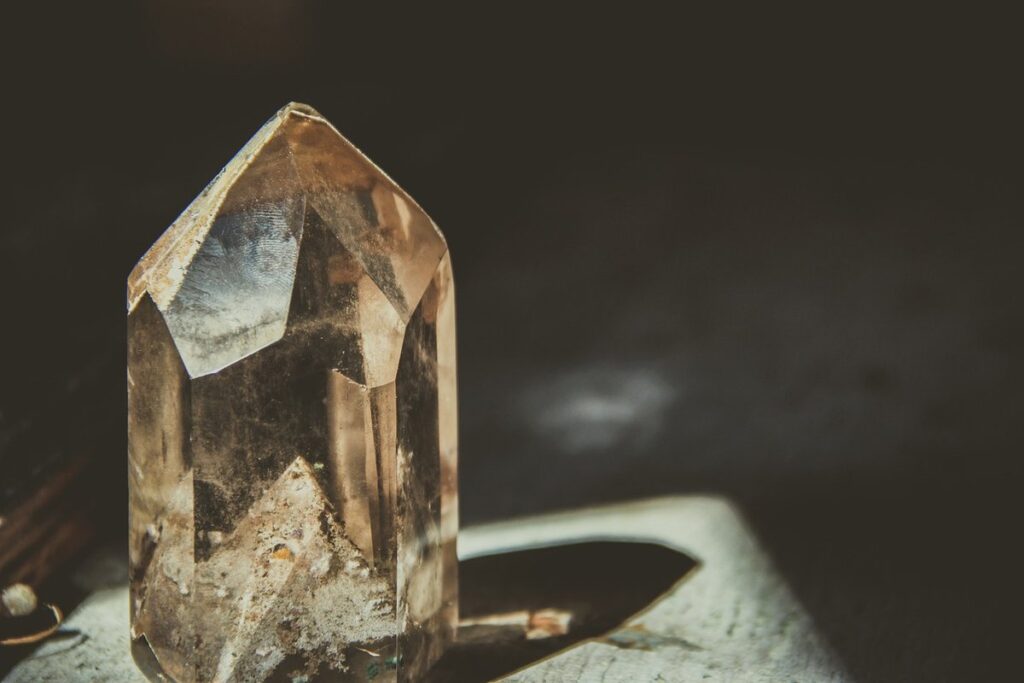
What are Geodes?
Let’s dive into what geodes actually are and how they’re formed, which will help you better understand why these rocks can be so valuable. Geodes are essentially hollow rocks filled with crystals.
Definition and Formation Process
So, you’re probably wondering what makes geodes so special? It all starts with their formation process. Geodes are essentially hollow rocks lined with crystals, and they form through a unique geological process that involves groundwater flowing through cracks and fissures in the rock.
As water flows through these openings, it carries dissolved minerals like silica, calcite, or iron oxides. Over time, these minerals precipitate out of the solution and begin to accumulate on the surfaces of the rock. This process can take thousands or even millions of years, depending on factors like temperature, pressure, and mineral availability.
The result is a hollow cavity lined with crystals that grow inward from the surface, often in a radial pattern. The shape and size of geodes can vary greatly, but they’re typically spherical or egg-shaped. The formation process itself is fascinating because it’s a slow, gradual process that requires just the right conditions to occur. And that’s what makes geodes so valuable – not only are they beautiful specimens, but they also hold clues about the geological history of their location.
Types of Geodes and Their Characteristics
Geodes can be classified into several types based on their mineral composition and crystal structure. The most common types of geodes are quartz, calcite, amethyst, and agate geodes.
Quartz geodes are one of the most abundant types, typically composed of clear or white quartz crystals surrounded by a cavity. Their unique characteristic is that they often contain inclusions such as tiny rock fragments or minerals like tourmaline. Quartz geodes can be found in areas where there has been intense tectonic activity.
Calcite geodes, on the other hand, are filled with a brilliant white mineral called calcite. These geodes have a distinct characteristic of emitting a strong light when held up to the sun due to their reflective properties. They can often be found in sedimentary rocks like limestone and dolomite.
Amethyst geodes contain amethyst crystals which range from deep purple to pale lilac hues. The quality and color intensity of these crystals vary greatly depending on factors such as temperature, pressure, and exposure to water during formation. Agate geodes are known for their vibrant banded or layered patterns resulting from ancient chemical precipitates within the rock’s structure.
When searching for geodes, keep in mind that some types may be more prevalent than others based on geological conditions like tectonic activity and mineral-rich soil composition.
History of Geode Hunting
The thrill of geode hunting has been a part of human adventure for centuries, with ancient civilizations prized these natural wonders for their beauty and rarity. Let’s dig into the fascinating history behind this treasure hunt.
Early Explorers and their Discoveries
As you embark on your geode hunting adventure, it’s fascinating to learn about the earliest explorers who were captivated by these natural wonders. One of the most notable early collectors was Italian traveler and mineralogist, Giacomo Leopardi, who discovered a stunning geode in the Apennine Mountains in 1800. This remarkable find was later described as one of the largest and most perfect geodes ever discovered.
Leopardi’s discovery sparked a wave of interest among European naturalists and collectors. Another notable figure from this era is French mineralogist, René Just Hauy, who extensively studied and documented geode formations in the late 18th century. His work laid the foundation for modern understanding of geodes and their geological origins.
Throughout history, early explorers and collectors have been drawn to geodes due to their unique beauty and rarity. By studying their discoveries, you can gain a deeper appreciation for these natural treasures and develop your own skills in identifying and collecting geodes. Who knows? You might just stumble upon the next “Leopardi’s find”!
Evolution of Geode Hunting Techniques
As geode hunting evolved over time, so did the techniques used to find and extract these treasures. In ancient times, people relied on chance discoveries, often stumbling upon geodes while exploring caves, rivers, or hillsides. However, as interest in geodes grew, hunters began developing more systematic methods.
One significant improvement was the use of maps and topographic surveys to identify potential areas where geodes were likely to be found. By studying geological formations, rock types, and fault lines, enthusiasts could pinpoint promising locations. For instance, in the 19th century, prospectors in California’s Coast Ranges used detailed maps to locate hidden geode deposits.
Another innovation was the introduction of drilling and excavation equipment, which enabled hunters to access previously inaccessible areas. This allowed for more efficient exploration and increased the chances of finding high-quality geodes. Today, with advancements in technology, geode hunters can use ground-penetrating radar (GPR) and other non-invasive tools to locate hidden deposits without damaging the surrounding environment.
By studying the evolution of these techniques, we can learn valuable lessons about where to find geodes, how to identify potential locations, and what equipment is most effective for extraction.
Where to Find Geodes in the United States
If you’re fascinated by geodes and eager to start collecting, we’ll guide you through some of the best locations in the United States where you can hunt for these natural wonders. From famous rock formations to hidden gem sites, we’ve got you covered!
Top Geode-Hunting Locations
When it comes to geode-hunting in the United States, there are several top locations that stand out from the rest. One of the most renowned sites is Cave-in-Rock State Park in Illinois. Located along the Ohio River, this site is a must-visit for any serious geode enthusiast. The park’s limestone caves and bluffs have yielded an abundance of thundereggs, which are essentially geodes that form when volcanic ash or pumice hardens around a center.
Another highly recommended location is Glass Mountain in California. This area has been producing exceptional geodes containing amethyst and agate for decades. The mountain’s unique geological features create the perfect conditions for geode formation. If you’re planning to visit, keep an eye out for glassy agate and amethyst-filled cavities.
If you’re on the East Coast, consider heading to the Kentucky Geological Survey’s geode quarry in Cave City. This site has produced numerous thundereggs filled with quartz crystals and calcite. The geological survey provides visitors with permission to collect geodes from designated areas, making it a great spot for beginners and seasoned hunters alike.
Lastly, don’t overlook the geode-rich areas of Oregon’s Umpqua River Valley. Here, you’ll find geodes containing agate, jasper, and quartz crystals. Be sure to follow local regulations and obtain any necessary permits before collecting geodes from these sites. By visiting these locations, you’ll increase your chances of finding exceptional geodes with unique mineral inclusions.
Tips for Successful Geode Hunting in the US
When venturing out to hunt for geodes, it’s not just about knowing where to look, but also how to navigate various terrains and use the right tools. A good pair of hiking boots is essential, as you’ll likely be walking through rugged terrain, over hills, and across streams. Bring a map or GPS device to help you navigate, especially if you’re new to the area.
A rock hammer and hand lens are also must-haves for any serious geode hunter. The rock hammer will allow you to break open rocks and inspect their interior, while the hand lens will enable you to examine the details of the geodes up close. Don’t forget a dust mask or respirator, as you’ll be breaking apart rocks that may contain silica, which can release hazardous particles when crushed.
As you search for geodes, keep an eye out for areas with exposed limestone or dolostone formations. These are often where you’ll find the highest concentrations of geodes. Additionally, consider searching in areas with a history of mining or quarrying, as old mines and quarries can be treasure troves for geode hunters.
International Geode-Hunting Destinations
If you’re ready for a geode-hunting adventure of a lifetime, let’s explore some of the world’s most popular and exciting destinations to find these natural treasures. From California to Kazakhstan, we’ll take you on a global tour.
Famous Sites Around the World
As we venture beyond the US borders, geodes can be found in many countries with unique geological features. One of the most renowned sites is Argentina’s Sierra de San Javier mountains. This region is known for its vast array of geode-filled caves, where visitors can discover amethyst and quartz-lined rocks.
In addition to Argentina, Chile’s Atacama Desert is another notable destination. The Atacama’s unique landscape has been shaped by volcanic activity, creating an ideal environment for geode formation. Visitors can explore the desert’s salt flats, where hidden pockets of geodes await discovery.
The Cave of the Crystals in Mexico is a fascinating site, featuring towering selenite crystals up to 36 feet long. Although not typically known for geode formation, this cave showcases the region’s rich geological history. When searching for geodes abroad, it’s essential to research local regulations and permissions before exploring potential sites.
When visiting these locations, remember to bring necessary equipment, including rock hammers, gloves, and safety gear. Approach exploration with caution, respecting both the environment and any restrictions in place.
Regulations and Permits for International Geode Hunting
When venturing abroad in search of geodes, it’s essential to be aware of local regulations and obtain necessary permits. Researching the specific laws and restrictions in your chosen destination is key to avoiding trouble with authorities.
In some countries, like Mexico and Peru, geode hunting is regulated by federal or state governments, requiring special permits for collecting certain types of rocks. In others, like Poland and Romania, you may need permission from local landowners before searching for geodes on their properties. Understanding the specific regulations in your destination will help prevent fines, confiscation of finds, or even prosecution.
A good starting point is to contact the relevant embassy or consulate for information on collecting geological specimens abroad. You can also search online for resources like government websites, forums, and local rockhounding clubs, which often share valuable insights and tips from experienced collectors.
Don’t assume that regulations are the same as those in your home country – always err on the side of caution when hunting geodes internationally.
Collecting and Preparing Geodes
Now that you’ve found your geode, it’s time to carefully collect and prepare it for display. We’ll walk you through the steps of cleaning and preserving this natural wonder.
How to Care for Your Find
Now that you’ve found a geode, it’s essential to take proper care of it to preserve its natural beauty. When handling a geode, make sure to wear protective gloves to prevent oils from your skin from damaging the rock’s surface. You should also avoid touching the interior or exterior surfaces as much as possible to minimize smudges and fingerprints.
Proper storage is crucial to maintain the geode’s condition. Store it in a dry, cool place away from direct sunlight, which can cause colors to fade. A temperature range of 50-70°F (10-21°C) is ideal for storing geodes. If you live in an area with high humidity or extreme temperatures, consider storing your geode in an air-conditioned room or using a dehumidifier.
When cleaning your geode, use a soft-bristled brush to gently remove any debris or dust from the exterior surfaces. Avoid using chemicals or water, as they can seep into the rock and damage the crystals inside. By taking these simple precautions, you’ll be able to enjoy your geode for years to come and appreciate its unique natural beauty.
Creating Beautiful Geode Displays
When it comes to showcasing geodes, you want to highlight their unique characteristics and create an impactful display. To do this, consider the type of lighting that will best showcase your geode’s colors and patterns. Natural light is often the most flattering option, but if that’s not possible, a softbox or LED light can help bring out the vibrant hues.
To add some visual interest to your display, incorporate complementary elements such as crystals, minerals, or other unique rocks. This will create a visually appealing arrangement that draws attention to the geode. Consider grouping similar specimens together to create a cohesive look, or mix and match different textures and colors for a more eclectic display.
When arranging your geodes, think about negative space – don’t overcrowd the display, as this can make each piece look cluttered and lose its visual impact. Leave some room around each specimen to allow viewers to appreciate its unique features.
Safety Precautions for Geode Hunting
Before you head out on your geode hunting adventure, it’s essential to know what safety precautions to take to protect yourself and others from potential hazards. Make sure to wear protective gear while searching for these hidden treasures.
Staying Safe in the Field
When venturing into geode-hunting territory, it’s essential to prioritize your safety above all else. This means being prepared for the unexpected, whether that’s inclement weather, treacherous terrain, or a medical emergency. Before setting out, make sure you have the right gear, including sturdy hiking boots, comfortable clothing, and a reliable first-aid kit.
In addition to packing the essentials, it’s crucial to let someone know your itinerary and expected return time. This will ensure that help can be sent if needed. Don’t assume that someone will come looking for you – geode hunting often takes place in remote areas with limited cell reception. Take a map or GPS device, but also bring a compass as a backup.
Lastly, trust your instincts. If the terrain looks too challenging or the weather is becoming hazardous, it’s better to err on the side of caution and turn back. Your safety is worth more than any potential geode find.
First Aid and Emergency Protocols
When venturing out to hunt for geodes, it’s essential to be prepared not only with the right gear and knowledge but also with basic first aid and emergency protocols. Even with thorough research and planning, accidents can still occur.
A minor cut or scrape is a common risk while digging in rocky terrain. To treat these types of injuries, make sure to clean the wound thoroughly with soap and water, apply antibiotic ointment, and cover it with a bandage. It’s also crucial to carry a basic first aid kit with essentials like antiseptic wipes, pain relievers, and any medications you may need.
In more serious situations, such as getting stuck in a narrow cave or experiencing severe weather conditions, know how to signal for help. Carry a whistle or other loud signaling device and use it if you’re unable to find your way back to the surface. In extreme weather conditions, seek shelter immediately and stay informed about changing weather patterns through a portable radio or app.
Lastly, familiarize yourself with local emergency services and protocols in case of an injury or accident. Research nearby hospitals and their locations before heading out on your geode hunting adventure. With these basic first aid and emergency protocols in place, you’ll be better equipped to handle unexpected situations that may arise during your hunt.
Conclusion: The Allure of Geodes
As you’ve learned where to find these natural wonders, it’s time to explore what makes geodes so captivating and why they hold a special place in many rockhounds’ hearts. Let’s delve into their allure.
Why People Are Drawn to Geode Hunting
There’s something undeniably captivating about geode hunting that has drawn people to it for centuries. Perhaps it’s the thrill of the hunt, combined with a dash of science and a pinch of adventure. Whatever the reason, this unique combination has made geodes one of the most sought-after treasures in nature.
One major draw is the allure of discovery – stumbling upon a hidden treasure that has been waiting to be uncovered for millions of years. Imagine walking through the desert or hills, eyes scanning the ground, and spotting a glint of quartz or calcite peeking out from beneath the surface. The excitement of not knowing what lies within, combined with the knowledge that you’re about to witness something truly ancient, is a potent mix.
Geode hunting also taps into our innate love of beauty. Geodes are nature’s sculptures – crystalline structures formed over millennia through the slow process of mineral deposit and dissolution. Their intricate patterns, vibrant colors, and striking shapes are like nothing else found in nature. Collectors and enthusiasts are drawn to their unique aesthetic appeal, which can range from delicate and ethereal to bold and dramatic.
The scientific aspect is another significant draw for many geode hunters. By seeking out these natural wonders, you’re not only exploring the earth’s geological history but also gaining a deeper appreciation for the processes that shape our planet. You might learn about plate tectonics, mineral formation, or the role of water in shaping rock formations – all while enjoying the thrill of the hunt and the satisfaction of discovering something truly unique.
As you start your geode hunting adventure, remember to respect the land, the geodes themselves, and the process. Be mindful of private property rights, follow local regulations, and always collect responsibly. With patience, persistence, and a willingness to learn, you might just uncover a hidden treasure that will leave you in awe of nature’s beauty and complexity.
Frequently Asked Questions
Can I find geodes anywhere, or are there specific locations that are more productive?
When searching for geodes, it’s essential to focus on areas with the right geological conditions. Locations like volcanic regions, areas with limestone formations, and regions with a history of tectonic activity tend to produce more geodes. Researching local rock formations and consulting with experienced rockhounds can help you pinpoint the best locations.
How do I know if the rocks I’ve found are actually geodes?
Inspecting your finds carefully is crucial. Geodes typically have a smooth, rounded exterior, while their interiors are hollow and lined with crystals. Use a rock hammer to gently crack open suspected geodes and inspect the interior for crystalline structures. If you’re still unsure, consult with a geologist or experienced collector.
What should I do if I find a large, potentially valuable geode? How can I preserve it?
Congratulations on finding a potential gem! To preserve your geode, carefully extract it from its surroundings using a rock hammer and chisels. Avoid damaging the crystals by working slowly and gently. Once extracted, store the geode in a protective container filled with sawdust or paper to prevent damage. Consider consulting with a professional conservator for advice on preserving valuable specimens.
Can I collect geodes anywhere without permission?
Regulations regarding rockhounding vary by location. Always research local laws and regulations before collecting geodes, especially when visiting private property or protected areas. Some sites may require permits or have specific rules governing collection. Respect the landowners’ rights and follow any guidelines to avoid fines or penalties.
How can I ensure the safety of myself and others while geode hunting?
When venturing into the field, prioritize your safety and that of others. Wear protective gear like gloves, a hard hat, and sturdy boots. Bring essential tools like a first-aid kit, water, and snacks. Inform someone about your itinerary and expected return time. Be mindful of weather conditions and avoid searching during extreme temperatures or inclement weather.