
As you stand in front of an old headstone, surrounded by history and mystery, have you ever wondered about the symbols etched into its surface? The cross, the Celtic knot, and other intricate designs are more than just decorative elements – they hold significant meanings that can reveal a person’s faith, culture, or even occupation. However, deciphering these symbols can be a daunting task, especially for those unfamiliar with their origins. A headstone symbols identification guide is essential to understanding the language of these markings, which can provide valuable insights into a person’s life and legacy. This article will explore the meanings behind various symbols found on headstones across different cultures and eras, allowing you to uncover the stories hidden in plain sight and gain a deeper appreciation for the history surrounding you. By the end of this guide, you’ll be able to recognize and interpret these symbols with confidence.
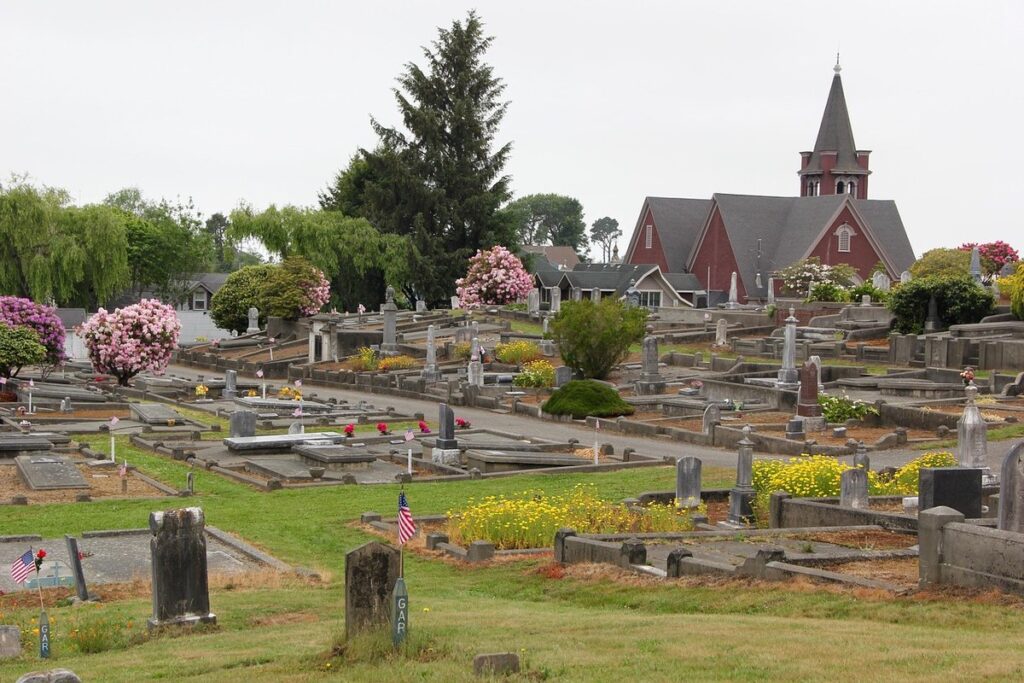
Understanding the Importance of Headstone Symbols
Headstone symbols can be a mysterious and fascinating aspect of cemetery visits, often providing subtle clues to a person’s life story. Let’s examine how these symbols convey meaning and importance in their own right.
The Purpose of Symbolism on Headstones
Symbols on headstones served as a visual language to convey meaning beyond the written inscriptions. In an era where literacy rates were low, these symbols allowed families and loved ones to communicate complex emotions and stories without relying on words. By incorporating symbols into their design, individuals could express their identity, faith, and values in a way that transcended verbal descriptions.
The use of symbolism also enabled those with limited writing skills or access to formal education to still create meaningful tributes. In many cases, the combination of written inscriptions and symbolic motifs created a richer narrative about the deceased person’s life and legacy. For instance, a cross might accompany an inscription that highlights the individual’s faith, while a sprig of rosemary could symbolize remembrance.
Throughout history, these symbols have been employed to represent various aspects of human experience, including spirituality, family ties, and social status. By recognizing and understanding their significance, we can gain valuable insights into the lives and values of those who came before us.
Types of Symbols Found on Headstones
Headstones often feature a variety of symbols, which can be broadly categorized into several groups. These categories are not mutually exclusive, and many headstones display multiple symbols that reflect the deceased person’s faith, occupation, or personal characteristics.
One common category is crosses and crucifixes, which are typically associated with Christianity but also appear in other cultures. The cross, in particular, has been a ubiquitous symbol throughout history, representing eternal life, sacrifice, and redemption. Its presence on a headstone often indicates the deceased person’s Christian faith or connection to a specific denomination.
Another category includes flowers and foliage, which can have various meanings depending on their type and arrangement. For example, roses are often associated with love and remembrance, while lilies signify purity and innocence. Ivy and clematis are commonly used to symbolize eternal life and loyalty.
Animals, too, are frequently depicted on headstones, representing qualities like strength, courage, or loyalty. Some animals, such as the owl, are associated with wisdom and insight.
Christian Symbolism on Headstones
Many headstones bear symbols that are deeply rooted in Christian tradition, and recognizing these markings can provide valuable insights into a deceased person’s faith. We’ll explore some common examples of Christian symbolism found on headstones.
Crosses and Crucifixes
Crosses and crucifixes are among the most recognizable Christian symbols on headstones. The Latin cross, with its vertical and horizontal arms, is one of the most common designs. It often represents faith, hope, and charity, as well as a devotion to Jesus Christ. In some cases, the arms may be equal in length (Greek cross), symbolizing equality and balance.
Other variations include the Celtic cross, which features a circle or knotwork around the intersection of the cross’s arms; this design is often associated with Irish and Scottish heritage. The Fylfot cross, also known as the Swastika cross, has its arms bent at right angles and is often linked to ancient pagan cultures.
When interpreting crosses on headstones, it’s essential to consider the context in which they appear. For instance, a crucifix may indicate a Catholic affiliation or a strong devotion to the Passion of Christ. A plain Latin cross might suggest a more general Christian faith without specific denominational ties. As you examine these symbols, note any accompanying inscriptions or artwork, as these can provide additional clues about their significance.
Angels and Cherubs
Angels and cherubs are two of the most common motifs found on Christian headstones. In Christianity, angels are often depicted as messengers of God, serving as intermediaries between the divine and human realms. Cherubs, specifically, represent a type of angel that is young in appearance, typically with three faces or wings. On headstones, these motifs usually signify protection, guidance, and watchfulness over the deceased.
In some cases, angels are shown guarding the body, while others depict them lifting the soul to heaven. The cherub motif may be used to represent the innocence and purity of the deceased. For instance, a cherub holding an urn or vase often symbolizes the soul’s ascension to eternal rest.
When interpreting angel and cherub motifs on headstones, it’s essential to consider their context within the larger symbol set. Are they paired with other Christian symbols like crosses or doves? Do they appear alongside names, dates, or epitaphs? By examining these relationships, you can better understand the intended meaning behind these motifs and gain a deeper appreciation for the deceased person’s faith and values.
Other Christian Symbols
Doves, often depicted with an olive branch, were a common symbol of peace in ancient Christianity. According to Matthew 10:16, Jesus instructs his followers to be “wise as serpents and harmless as doves.” The dove’s appearance on a headstone may indicate the deceased person’s wish for eternal peace or their desire to be reunited with loved ones in heaven.
Lamb symbols are also frequently found on Christian headstones. These depictions usually refer to Jesus Christ, who is often called the “Lamb of God” (John 1:29). In this context, the lamb represents innocence and purity. Its presence may signify that the deceased person considered themselves a follower of Jesus or hoped to be redeemed through faith.
The ichthys symbol, also known as the Jesus fish, consists of two intersecting arcs that resemble a fish. This emblem originated from the Greek word for “fish,” which is an acronym for “Iesous Christos Theou Uios Soter” (“Jesus Christ, Son of God, Savior”). Its use on headstones often conveys devotion to Christianity and the hope of eternal salvation through Jesus’ sacrifice.
When encountering these symbols, consider their placement and combination with other emblems. They might be used alone or paired with crosses or angels, which could provide additional context about the deceased person’s faith or spiritual values.
Non-Christian Symbolism on Headstones
Beyond Christianity, headstone symbols offer a glimpse into diverse cultural and faith traditions. We’ll explore common non-Christian markings found on headstones, their origins, and significance.
Ancient Pagan Symbols
Ancient pagan symbols such as runes, Celtic knotwork, and other pre-Christian motifs were incorporated into headstone designs to convey spiritual and philosophical values. These symbols often held deep meanings for the deceased’s family or community, serving as a way to honor their legacy and connection to their heritage.
Runes, in particular, were popular in medieval Europe due to their association with Norse mythology and Germanic cultures. They typically appeared as intricate carvings or inscriptions on headstones, often accompanied by other symbols like acorns or oak leaves. Celtic knotwork, meanwhile, was used to represent the interconnectedness of life and death.
When identifying ancient pagan symbols on a headstone, look for specific patterns, shapes, and motifs that reflect their cultural origins. For example, the presence of an Ogham alphabet (a set of 20 characters associated with Celtic cultures) or an Interlacing knot may indicate a connection to pre-Christian traditions. Be aware that these symbols can be easily confused with other designs, so it’s essential to consider the overall design and layout of the headstone when interpreting their meaning.
Masonic Symbols
Masonic symbols on headstones often signify affiliation with a particular lodge or fraternal organization. These symbols can be found on headstones from the 18th to early 20th centuries, particularly among members of the Freemasons and other fraternal orders.
The square and compasses are two of the most common Masonic symbols found on headstones. They represent the principles of morality, equality, and brotherly love that underlie Masonic philosophy. Other symbols may include the all-seeing eye, which represents divine guidance or omniscience, and the column, which symbolizes strength and stability.
When identifying Masonic symbols on a headstone, note the presence of other markings such as “Masons” or the lodge number. These can help confirm affiliation with a specific organization. It’s also worth considering the era in which the headstone was created, as certain symbols may have been more prevalent during specific time periods.
Some examples of Masonic symbols on headstones include the use of the acacia tree, which represents eternal life and friendship, or the use of the anchor, which symbolizes hope and steadfastness.
Cultural and Ethnic Symbols
Cultural and ethnic symbols found on headstones are a reflection of the individual’s heritage and traditions. These symbols often hold deep meaning and significance for the deceased person’s family and community. For example, the Celtic cross is a common symbol found on Irish and Scottish headstones, signifying faith and connection to their ancestral homeland.
In many Eastern European cultures, such as Polish and Ukrainian, you’ll find symbols like the peacock or the wheat sheaf, representing fertility and prosperity. Similarly, in some African American communities, the ankh is used to signify eternal life and spiritual rebirth. Understanding these cultural references can provide valuable insight into a person’s background and values.
When interpreting cultural and ethnic symbols on headstones, consider the context of the deceased person’s life and community. Look for patterns or common motifs that may indicate their heritage or affiliations. For instance, if you notice repeated use of specific flowers, like lilies or sunflowers, it could suggest a connection to a particular culture or tradition.
By recognizing these symbols and their meanings, you can gain a deeper appreciation for the deceased person’s identity and cultural significance.
Understanding Symbolism from Different Eras
As you explore headstone symbols, it’s essential to consider their historical context and understand how meanings evolved over time. Let’s examine some of the most common symbols found on older headstones, their origins, and what they signify today.
Victorian Era Headstones
Victorian Era headstones often feature distinct symbolism reflective of the era’s mourning practices. Death was a central theme in Victorian art and literature, with many works exploring its beauty and significance. This influence can be seen on headstones, where symbols like the weeping willow, urns, and broken columns convey a sense of melancholy and loss.
The use of black and gray marble became increasingly popular during this period, as did the incorporation of photographs into headstone designs. These changes were partly driven by advancements in photography technology, which allowed for more realistic images to be taken and displayed on headstones.
Symbols like the willow branch and the laurel wreath also emerged as common motifs during the Victorian era. The willow branch often represented mourning and loss, while the laurel wreath symbolized honor and remembrance. These symbols were frequently paired with phrases or inscriptions that expressed love, grief, and respect for the deceased.
When identifying headstones from this era, look for these distinctive symbols and motifs to better understand their meaning and significance. Consider the context in which they appear, including the overall design of the headstone and any accompanying inscriptions or photographs.
Art Nouveau and Other Styles
Art Nouveau’s sinuous lines and flowing curves often found their way onto headstones during the late 19th and early 20eenth centuries. This style emphasized the natural world, which is reflected in symbols like the acanthus leaf, used to signify eternal life or resurrection. The serpent, a symbol of transformation and renewal, was also popular in Art Nouveau designs.
Other styles, such as Edwardian and Georgian Revival, borrowed from earlier periods and incorporated elements like urns, wreaths, and obelisks. These motifs often represented mourning, remembrance, or the afterlife. For example, an urn might signify the deceased’s ashes being safely kept or a loved one’s memory being preserved.
When identifying symbols on Art Nouveau headstones, pay attention to their organic shapes and flowing lines. The use of natural forms like leaves, flowers, and branches can indicate a connection to the earth or the cycle of life. Be mindful that these symbols often blended with other styles, so consider the overall design and any accompanying inscriptions when interpreting their meaning.
The Modern Era
In the Modern Era, headstone symbolism has evolved to reflect changing societal values and aesthetic preferences. Gone are the elaborate Victorian-era monuments and ornate Art Nouveau designs; instead, modern headstones often feature clean lines, minimalist ornamentation, and a focus on personalization.
With the advent of new technologies and materials, designers can create intricate and detailed engravings with greater ease. This has led to an increase in bespoke headstone designs that reflect the individual’s personality, interests, or accomplishments. For example, some modern headstones incorporate digital images, poems, or even music notations to commemorate a loved one.
As people become more accustomed to online platforms and social media, it’s not uncommon for headstones to include symbols or imagery associated with these aspects of modern life. A few instances include:
- Digital icons or graphics
- Social media logos or hashtags
- Personalized images or photographs
- References to the deceased person’s occupation or interests
When considering a modern headstone, families often prioritize simplicity and clarity over elaborate ornamentation. This approach allows for greater focus on the individual’s unique characteristics and story.
Symbolism of Flowers and Trees on Headstones
Flowers and trees are often depicted on headstones, conveying symbolic meanings that can offer valuable insights into a person’s life and legacy. Let’s take a closer look at what these symbols might represent.
Floral Motifs
Flowers have long been a staple of headstone symbolism, each bloom carrying its own unique meaning. The lily, for instance, often represents purity and innocence, while roses typically signify love and remembrance. Daisies, on the other hand, may symbolize new beginnings or hope. It’s essential to consider the specific flower used, as well as its color, when interpreting its meaning.
A red rose might indicate passionate love, whereas a white rose could represent mourning or reverence. Some flowers, like carnations, have multiple meanings depending on their color; pink carnations typically signify gratitude, while white ones are often associated with regret.
When analyzing floral motifs on headstones, look for combinations of flowers as they can convey additional meaning. For example, pairing lilies and roses might suggest a marriage or long-term partnership. It’s also worth noting that certain flowers may be used to represent occupations or interests; sunflowers, for instance, often symbolize loyalty in the context of gardening.
In some cases, floral motifs are used in conjunction with other symbols or inscriptions to create a more nuanced message. When interpreting headstone symbolism, consider all elements present to gain a deeper understanding of the deceased’s life and legacy.
Tree and Plant Symbols
Tree motifs often represent longevity and endurance. The cedar tree, for instance, symbolizes eternal life and is frequently paired with the acacia, which signifies strength and immortality. Oak trees are commonly used to signify bravery and resilience. They can also denote nobility or grandeur.
In some cases, specific parts of a tree may hold symbolic meaning. For example, an oak leaf might represent peace or wisdom. A sprig of rosemary between the branches of a tree could indicate remembrance or loyalty.
Some trees are chosen for their unique characteristics. The weeping willow, with its delicate, drooping branches, can symbolize mourning or sorrow. Conversely, the sturdy ash tree often represents hope and renewal.
It’s essential to consider both the type of tree and its placement on the headstone when interpreting these symbols. For example, a small sapling at the base of the headstone might signify new life or a future legacy.
Symbolism on Veteran’s Headstones
As you explore the intricate designs on veteran headstones, you’ll often come across symbolic motifs that convey important stories and emotions of the deceased and their families. These symbols hold deep meanings that are worth understanding.
Military and War-Related Symbols
Veterans’ headstones often feature military and war-related symbols that hold significant meaning. These emblems serve as a way to honor the deceased’s service and sacrifice. One of the most recognizable symbols is the eagle, which represents freedom and strength. It may be depicted alone or with outstretched wings, symbolizing protection and vigilance.
Other common military symbols include the American flag, stars, and stripes. These patriotic designs are often used in conjunction with other emblems to convey a sense of duty and loyalty. The use of these symbols is not limited to American headstones; similar motifs can be found on veteran’s graves from other countries, such as the Union Jack or the Canadian Maple Leaf.
When identifying military and war-related symbols on a veteran’s headstone, consider the context in which they are used. For example, the presence of a rifle or sword may indicate a specific branch of service (e.g., infantry or artillery). Additionally, the placement of these symbols on the headstone can provide clues about their intended meaning.
Honor and Sacrifice
The symbols on a veteran’s headstone serve as a poignant reminder of their sacrifice and service to country. A cross, often paired with a sword or other military equipment, emphasizes the individual’s devotion to duty and ultimate selflessness. The use of emblems like the American Legion or Veterans of Foreign Wars insignia further highlights the person’s commitment to their community.
Other symbols convey respect for the deceased’s sacrifice in various ways. For example, the “We Who Serve” emblem, often accompanied by a dove or other bird representing peace, acknowledges the veteran’s contributions beyond their military service. In contrast, the use of a helmet or rifle without a cross may indicate that the individual died in combat but did not have the opportunity to convert before passing.
When interpreting these symbols, it’s essential to consider the specific context and time period in which they were used. A combination of a cross and a flag, for instance, might reflect the deceased’s patriotism as well as their Christian faith. By understanding the symbolism on a veteran’s headstone, families can gain insight into the individual’s values and legacy.
Symbolism in Specific Regional Cultures
Let’s explore how specific regional cultures have infused their own unique symbolism into headstone designs, adding depth to their meanings. From Europe to North America, each culture has its distinct style and traditions reflected in these symbolic markers.
Celtic Headstone Symbols
Celtic cultures have a rich tradition of symbolism that can be found on headstones. One of the most distinctive features of Celtic art is the use of knots and spirals to convey meaning. These intricate designs often symbolize eternity, infinity, or spiritual connection. For example, the Celtic knotwork pattern known as the “Trinity Knot” represents the unity of life, death, and rebirth.
Celtic animals such as dragons, snakes, and birds are also commonly depicted on headstones. In Celtic mythology, these creatures often symbolized transformation, renewal, or protection. A dragon might represent strength and courage, while a snake could signify healing or regeneration. It’s essential to consider the specific animal and its context when interpreting the symbolism.
To decipher the meaning behind Celtic headstone symbols, look for patterns and combinations of motifs. For instance, a spiral pattern might be paired with a Celtic knotwork design to convey a sense of movement and spiritual growth. When researching Celtic symbols, remember that their meanings can vary across different cultures and regions. A general understanding of Celtic mythology and symbolism will help you better interpret the unique characteristics of these headstone designs.
Native American and Indigenous Symbols
Headstones from various Native American communities often feature symbols tied to their rich spiritual heritage. For instance, the feather is a common motif, representing honor, wisdom, and spiritual growth. The eagle, with its impressive wingspan, symbolizes strength, courage, and freedom. The serpent, meanwhile, is associated with renewal, transformation, and healing. You may also encounter the Medicine Wheel, which represents balance, harmony, and the interconnectedness of all living things.
The Ojibwe people, for example, use the three-legged stool as a symbol of stability and balance. Similarly, the Inuit community often incorporates the polar bear into their headstone designs, representing strength, protection, and resilience. When interpreting these symbols, consider the specific tribe or nation associated with them, as well as the historical context in which they were used.
Some common elements to look for when identifying Native American and Indigenous symbols on headstones include:
- Feathers, often arranged in a specific pattern
- Animals such as eagles, wolves, or bears
- Plants like the cedar tree or sweetgrass
- Geometric patterns inspired by tribal designs
- The Medicine Wheel, with its four directions and elements
Keep in mind that these symbols can have multiple meanings depending on their context. By understanding the cultural significance of these motifs, you’ll be better equipped to decipher their meaning on a specific headstone.
Frequently Asked Questions
Can I use headstone symbols from other cultures on my own family’s grave?
Yes, it is acceptable to incorporate headstone symbols from various cultures into your family’s grave as long as you understand their meanings and significance. However, be mindful of cultural sensitivities and respect the origins of these symbols. It’s essential to research and ensure that the chosen symbol aligns with your family’s values and traditions.
How do I know if a headstone symbol is from the Victorian era or another style?
Identifying the era in which a headstone was created can be challenging, but look for distinctive characteristics such as intricate details, floral motifs, or specific animal designs. Researching the cemetery’s history and consulting with local historians or experts can also provide valuable insights into the symbolism used during different time periods.
Can I use a combination of symbols on my loved one’s headstone?
Yes, it is common to see multiple symbols combined on a single headstone, reflecting the individual’s unique personality, interests, or affiliations. When selecting a combination of symbols, consider their meanings and how they might interact with each other. Ensure that the overall design conveys a clear message and respects the deceased person’s values.
How do I translate symbolism from one cultural context to another?
Translating headstone symbols across cultures requires understanding the original meaning and significance within its cultural context. Research the symbol’s history, mythology, or spiritual associations to appreciate its intended message. Consider consulting with experts in the relevant culture or field of study to ensure accurate interpretation and respectful use.
What if I’m unsure about the meaning of a specific headstone symbol?
If you’re uncertain about the meaning of a particular headstone symbol, consult with local historians, cemetery staff, or experts in the field. You can also research online resources, books, or academic articles to gain a deeper understanding of the symbol’s origins and significance. Remember that headstone symbols often have multiple interpretations, so it’s essential to consider various perspectives when deciphering their meanings.