
As you step into nature’s backyard, the sound of rustling leaves and snapping twigs beneath your feet can be both thrilling and intimidating. Identifying animal trails is an essential skill for any outdoor enthusiast, but it requires more than just a keen eye – it demands respect for wildlife habitats and a deep understanding of the environment. Following animal trails safely means knowing how to prepare for a hike, read the signs of the natural world, and navigate through sensitive ecosystems without disrupting the delicate balance of nature. In this comprehensive guide, you’ll learn how to identify animal trails, understand the behavior patterns that create them, and develop the skills necessary to respect wildlife habitats while exploring the great outdoors. By the end of this article, you’ll be equipped with the knowledge and confidence to follow animal trails safely and responsibly.
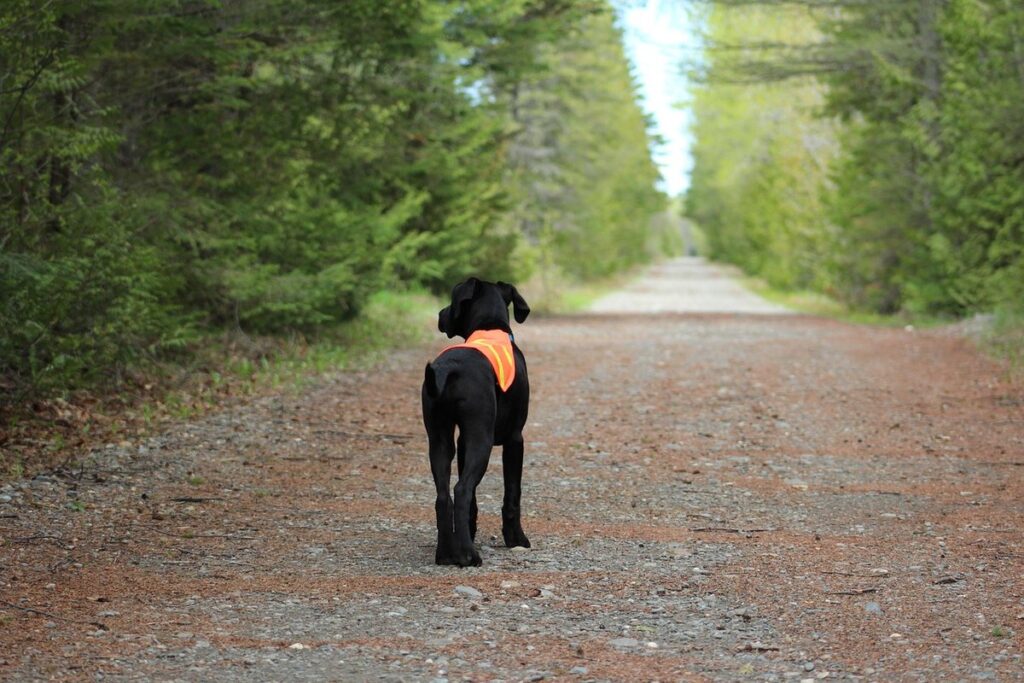
Understanding Animal Behavior and Trail Patterns
Understanding animal behavior is crucial when following their trails, as it helps you anticipate their movements and stay safe. By recognizing common trail patterns, you’ll be better equipped to navigate wilderness areas.
Identifying Common Trail Types
When following animal trails, it’s essential to recognize and understand different trail types. These can be broadly categorized into feeding grounds, water sources, migration routes, and denning sites. Feeding grounds are areas where animals frequent for food, often characterized by distinctive signs such as digging or trampling of vegetation. Look for clusters of berries, nuts, or other edible plants that have been disturbed.
Water sources are another critical type of trail. These can be streams, rivers, ponds, or even areas with mineral-rich soil. Animals will often return to the same water source repeatedly, creating a well-worn path. Be cautious when approaching these areas, as animals may defend their drinking spots aggressively.
Migration routes are trails that connect different habitats and are used by animals during seasonal migrations. These paths can be marked by worn vegetation or scat (animal feces). Recognizing migration routes can help you anticipate where animals will move through the area.
Denning sites are areas where animals give birth, nurse their young, or seek shelter from extreme weather. Look for dens with freshly dug soil, nests made of twigs and leaves, or tracks leading to a secluded spot.
Recognizing Animal Sign and Tracks
Animal tracks are a crucial sign of trail usage, and understanding how to identify them is essential for following animal trails safely. Start by looking for prints in mud, sand, or snow, as these provide the best impression of an animal’s foot shape and size. Note the number of toes and any distinctive features such as claws or pads.
Scat can also be a valuable indicator of trail usage. Look for droppings that match the species you’re tracking, taking note of their size, shape, color, and consistency. Keep in mind that some animals, like deer, tend to deposit scat in specific locations, making it easier to detect.
Other signs include digging, scratching posts, or areas where plants have been disturbed. These can indicate an animal’s nesting site, feeding area, or escape route. When interpreting these signs, consider the time of year, season, and weather conditions, as they can impact an animal’s behavior and trail usage. For example, in winter, look for tracks in areas with deep snow or where the ground is frozen.
Understanding Animal Migration Patterns
Animal migration patterns are complex and influenced by various factors, including food availability, breeding grounds, and predation avoidance. Different species exhibit distinct migratory behaviors; for example, wildebeest travel long distances to reach their calving grounds in the Serengeti, while monarch butterflies migrate thousands of miles to overwintering sites in Mexico.
To anticipate animal movements, consider the time of year and the specific species you’re tracking. In many regions, large ungulates like deer and elk follow established migration routes during certain times of the year. These patterns can be influenced by factors such as food availability, weather conditions, and human activity.
It’s essential to recognize that even in areas with seemingly stable populations, animal migrations can still occur. For instance, in some parts of North America, white-tailed deer migrate short distances between summer and winter ranges. Understanding these patterns requires knowledge of the species’ habits and habitats, as well as an awareness of local environmental conditions.
When tracking migratory animals, be aware of potential hotspots and areas where they’re likely to congregate. This might include locations with abundant food sources or preferred habitat types.
Preparing for a Safe Hike or Adventure
Before you head out on your adventure, make sure you’re prepared for whatever terrain and conditions come your way. Familiarize yourself with essential safety gear and basic first aid skills.
Choosing the Right Gear and Clothing
When venturing into the wilderness to follow animal trails, having the right gear and clothing is crucial for a safe and enjoyable experience. You’ll want to prioritize sturdy boots with good tread and ankle support, as well as layers of breathable, moisture-wicking clothing that can keep up with changing temperatures and conditions.
A basic first aid kit should also be part of your essential gear, including items like bandages, antiseptic wipes, and any medications you may need. Navigation tools such as a map, compass, and GPS device or app can help you stay on track and find your way back if needed.
In terms of specific clothing, consider packing lightweight rain gear and warm layers for colder climates, as well as extra socks and undergarments in case of unexpected wet conditions. Don’t forget to include a hat, sunglasses, and sunscreen for protection from the elements. A small backpack or daypack with multiple compartments can help you stay organized and keep your gear within easy reach.
Consider packing these items in separate, easily accessible layers to ensure you can quickly grab what you need without having to dig through your entire pack.
Planning Your Route and Itinerary
When planning your route and itinerary for following animal trails safely, consider the trail difficulty, terrain, and potential hazards. Start by researching the area you’ll be hiking through, including local weather patterns, vegetation, and wildlife habitats. Look for maps or guides that highlight the most common animal trail routes and any areas to avoid.
Take into account the time of year and how it may affect the trails. For example, certain animals may be more active during specific seasons, while others may be less so. You should also consider the terrain itself – steep slopes, rocky outcroppings, or wetlands can all pose hazards for both you and the wildlife.
To plan your itinerary effectively, break down your route into manageable sections. Identify key points such as water sources, rest areas, and emergency shelters. Allow extra time for unexpected delays, like inclement weather or trail closures. Finally, be flexible – be prepared to adjust your plans if conditions on the ground change unexpectedly.
Knowing What to Expect on the Trail
Inclement weather can be a significant challenge on animal trails. Storms can roll in quickly, bringing heavy rain, hail, or even lightning. Be prepared with waterproof gear and layers to adjust for changing temperatures. Know the signs of approaching bad weather: darkening skies, increasing wind, and a sudden drop in temperature.
Wildlife encounters are another common experience on these trails. You may stumble upon dens or nests, which should be treated with caution and respect. Keep a safe distance from any wildlife you encounter, at least 20-30 feet away, to avoid startling them. Be aware of your surroundings and watch for signs of recent animal activity.
Getting lost is also a possibility on unfamiliar terrain. Bring a map, compass, and GPS device or app to help navigate the trail. Carry extra food, water, and supplies in case you’re stuck overnight. In this situation, stay calm and try to reorient yourself by looking for familiar landmarks or features. If you’re unable to find your way back, consider setting up camp and waiting for daylight to reassess your surroundings.
Identifying Potential Hazards and Risks
When following animal trails, it’s crucial to identify potential hazards and risks before venturing out. This includes assessing terrain, weather conditions, and wildlife behavior that could impact your safety.
Recognizing Wildlife Dangers
When following animal trails, it’s essential to be aware of the potential wildlife dangers lurking along the way. Bears, for example, can be particularly aggressive if they feel threatened or surprised. If you encounter a bear trail, look for signs of digging or uprooted vegetation – these can indicate recent activity. Keep in mind that some species, like black bears, are generally more docile than others.
Mountain lions, also known as cougars or pumas, are less common but still present in many areas. Their tracks are typically large and rounded, with a distinctive “M” shape formed by the toes. If you see such a track, exercise caution and be prepared to defend yourself if necessary.
Snakes pose another significant threat – their venom can be deadly. Recognize the signs of snake activity: look for holes in trees or rocks where snakes might have nested, or watch for birds swooping down to catch snakes. Some species, like rattlesnakes, will vibrate their tails before striking, giving you a crucial warning sign.
When encountering any wildlife trail, remain calm and give the animal a wide berth. Avoid sudden movements that could provoke an attack – instead, slowly back away from the area while keeping a safe distance.
Understanding Weather-Related Hazards
When following animal trails, you’re not just concerned with avoiding wildlife encounters – inclement weather can also pose a significant threat to your safety. Understanding how to anticipate and prepare for changing weather conditions is crucial.
Start by checking the forecast before heading out, but don’t rely solely on predictions. Pay attention to cloud formations and changes in wind patterns. A sudden drop in temperature or increase in humidity can signal an impending storm. Familiarize yourself with local weather patterns, such as afternoon thunderstorms or morning fog.
Know how to identify signs of inclement weather, like darkening skies, a decrease in animal activity, or a change in vegetation color. When encountering these warning signs, slow down and reassess your route. If possible, find shelter or wait out the storm before continuing on your adventure.
Be prepared with essential gear, including a waterproof jacket, hat, and gloves. Carry a map and compass, as well as a first-aid kit and emergency shelter. It’s also a good idea to inform someone about your planned route and estimated return time in case of an unexpected delay or change in weather conditions.
Being Aware of Other Trail Users
When following animal trails, it’s essential to be aware of other trail users. This includes hikers, hunters, and horseback riders who may also be using the same paths as you. In areas with high foot traffic or hunting seasons, encountering these users is more likely.
If you see someone ahead, slow down and give them a wide berth. If it’s a group, try to pass quietly and calmly without startling them. Be cautious of horseback riders, as their animals may be skittish around hikers. Hunters, on the other hand, often have specialized gear and may be focused on tracking game.
When encountering other trail users, stay alert and maintain a safe distance. Avoid sudden noises or movements that might startle others, including animals they’re hunting. If you see a horseback rider approaching from behind, consider moving to the side of the trail to give them space.
To minimize conflicts with other trail users, try to be predictable in your movements and follow basic trail etiquette. In some areas, signs may indicate specific rules or guidelines for shared trails; take note of these and respect them to ensure a safe and enjoyable experience for everyone.
Advanced Navigation Techniques
As you venture deeper into the wilderness, knowing how to identify and follow animal trails can be a game-changer for your safety and navigation. We’ll explore some advanced techniques to help you do just that.
Reading Maps and Using GPS
When following animal trails safely, it’s essential to understand how to read maps and use GPS devices effectively. Start by familiarizing yourself with the map legend and symbols used for topographic features such as contour lines, water sources, and wildlife habitats. Pay attention to the scale of the map, which should be clearly indicated on the bottom right-hand corner.
Using a GPS device can enhance your navigation skills, but it’s crucial to understand its limitations. Make sure you have a clear signal by placing the device in an open area with minimal tree cover. Enter the coordinates of your destination and follow the route displayed on the screen. However, don’t rely solely on GPS – use it in conjunction with your map to avoid getting lost.
To ensure accurate navigation, consider using a combination of map-reading and GPS techniques. This approach will help you understand spatial relationships between different features on the trail. For example, if you’re tracking an animal’s movement pattern, use your map to identify nearby water sources or potential food sources that may be influencing their behavior.
Understanding Topographic Features
When following animal trails, understanding topographic features is crucial for staying on track and avoiding potential hazards. Ridges are a common indicator of animal trails, as they often follow the path of least resistance, which can be more pronounced on ridges than in valleys. Valleys, on the other hand, may hold more water sources and attract animals that need them.
Look for areas with abundant water sources, such as streams or ponds, as these tend to draw wildlife. Pay attention to how trails intersect with water sources: if an animal trail leads directly into a stream or crosses it at a shallow point, it’s likely an important stopping place for the animals using the trail.
Hills and slopes can also provide valuable clues about animal trails. Animals often follow the natural contour of hills, which can create distinct pathways on either side of ridges or valleys. When navigating a slope, look for areas where vegetation is thicker or more dense – this can indicate the presence of an animal trail. By paying attention to these topographic features, you’ll be better equipped to identify and follow animal trails safely.
Deciphering Animal Trail Markings
When tracking animals, you’ll often encounter trail markings left behind by various creatures. These signs can provide valuable clues about the animal’s identity, habits, and even its emotional state. Recognizing different types of markings is essential for following animal trails safely.
Scratches are a common marking, typically found on trees or branches. Look for long, horizontal marks that may be shallow or deep, depending on the species. Some animals, like deer and elk, use their antlers to scratch bark in a distinctive pattern. Diggings, on the other hand, indicate where an animal has excavated soil or vegetation. This can signal a food source, such as roots or tubers.
Scat is perhaps the most straightforward marking to identify, but it still requires attention to detail. Different animals produce distinct scat shapes, colors, and textures. For example, bears typically produce large, dark brown pellets, while coyotes produce smaller, more elliptical droppings. When interpreting scat, consider factors like size, shape, color, and consistency. Keep in mind that multiple species may use the same area, so be prepared to identify different types of markings.
To accurately read animal trail markings, pay attention to their frequency, distribution, and patterns.
Best Practices for Responsible Trail Use
To minimize our impact on wildlife habitats, it’s crucial to follow best practices that prioritize animal trails over human paths. Let’s explore how to do just that.
Respecting Wildlife and Their Habitats
When following animal trails, it’s essential to respect wildlife and their habitats. This means maintaining a safe distance from the animals you encounter, giving them plenty of space to roam without feeling threatened or harassed. A general rule of thumb is to keep at least 25 yards (23 meters) between yourself and any wild animal, even if it appears harmless.
Avoid feeding or baiting wildlife, as this can lead to negative consequences for both humans and animals. Feeding wildlife can make them associate humans with food, leading to aggressive behavior when they’re hungry or expecting handouts. Baiting, in particular, is a serious offense that can disrupt entire ecosystems and even cause animals to become habituated to human presence.
When observing wildlife from a distance, try to blend into the surroundings as much as possible. Avoid wearing bright colors or making sudden noises that might startle the animals. By showing respect for their space and avoiding interactions that could alter their behavior, you can minimize your impact on the environment and ensure a safe, enjoyable experience for both humans and wildlife. Keep in mind that some species may be more sensitive to human presence than others; research local guidelines or consult with park rangers if you’re unsure about specific regulations or best practices for a particular area.
Minimizing Your Impact on the Environment
When you’re following animal trails, it’s essential to minimize your impact on the environment. This not only helps preserve the natural habitats of the animals but also ensures a safe and enjoyable experience for you.
Stay on designated trails whenever possible. These paths are designed to reduce erosion and prevent damage to vegetation. If you need to venture off-trail, try to find areas with minimal vegetation and avoid trampling sensitive plant life. For example, if you’re following a deer trail through a forest, stick to the worn path and avoid wandering into dense underbrush.
Don’t litter on or near animal trails. This includes food wrappers, energy bars, and other packaging materials. Not only do these items harm wildlife, but they can also attract unwanted attention from predators. Pack out all trash and dispose of it properly when you return to civilization.
Be mindful of your own waste production, too. If you’re planning a multi-day hike or adventure, consider packing biodegradable soap and toilet paper to minimize your impact on the environment. When nature calls, try to find a designated bathroom area or dig a cathole at least 200 feet away from water sources.
Sharing Knowledge and Experiences
Sharing knowledge and experiences is crucial for promoting a culture of responsible trail use and conservation. By sharing our observations and insights with others, we can collectively improve our understanding of animal behavior and habitat needs. This not only benefits the environment but also enhances our own safety on the trails.
When observing animals or encountering unique situations on the trails, take notes or record your experiences in a journal. Be as detailed as possible, noting factors like weather conditions, time of day, and any notable interactions with wildlife. These records can serve as valuable resources for future reference and sharing with others.
Consider contributing to online forums, social media groups, or local conservation organizations’ blogs. Share photos, videos, or stories that highlight the importance of responsible trail use. By doing so, you’ll not only inspire others but also help create a community-driven approach to conservation. This collective effort will ultimately contribute to more informed and environmentally conscious hikers and outdoor enthusiasts.
Frequently Asked Questions
Can I follow animal trails with kids or inexperienced hikers?
Yes, it’s possible to follow animal trails with kids or inexperienced hikers, but it’s essential to keep in mind their skill level and attention span. Make sure to bring necessary gear, such as maps, compasses, and first aid kits, and establish a plan for emergencies.
What if I see a large pack of animals on the trail – should I stay on my course or detour?
When encountering a large pack of animals, it’s best to give them a wide berth and avoid sudden movements. If you’re unable to safely pass by, consider detouring around the area using your knowledge of topographic features and GPS navigation.
How do I know when to expect animal trail usage in different seasons or weather conditions?
Animal trails are often more active during certain times of year, such as migration periods or when specific food sources are available. Research local wildlife patterns and adjust your itinerary accordingly to increase the chances of spotting animal trails.
Can I use my dog to track animal trails – what precautions should I take?
While dogs can be a valuable asset for tracking animal trails, it’s crucial to keep them under control and on a leash to avoid disturbing or stressing wildlife. Also, ensure your dog is well-trained in basic obedience commands and aware of potential hazards.
What if I encounter an old, abandoned animal trail – should I investigate further?
Old or abandoned animal trails can often be difficult to distinguish from newer ones. If you suspect you’ve found an old trail, take note of any distinctive features, such as vegetation patterns or topographic changes, and consider investigating further with a map and GPS to learn more about the area’s history.