
When you’re out in the field, trying to identify species, a good photo can make all the difference. A well-captured image can help confirm an identification or even reveal crucial details that would be hard to notice otherwise. But how do you take a high-quality photo for identification purposes? Lighting and equipment are key considerations – too little light and your images will be grainy, while using the wrong camera settings can result in overexposed highlights. You’ll also need to think about composition and what features of the subject are essential for identification. In this article, we’ll cover some tips on how to take field photos that meet identification needs, including advice on lighting, choosing the right equipment, and post-processing techniques to ensure your images help you get an accurate ID by the time you finish reading this article.
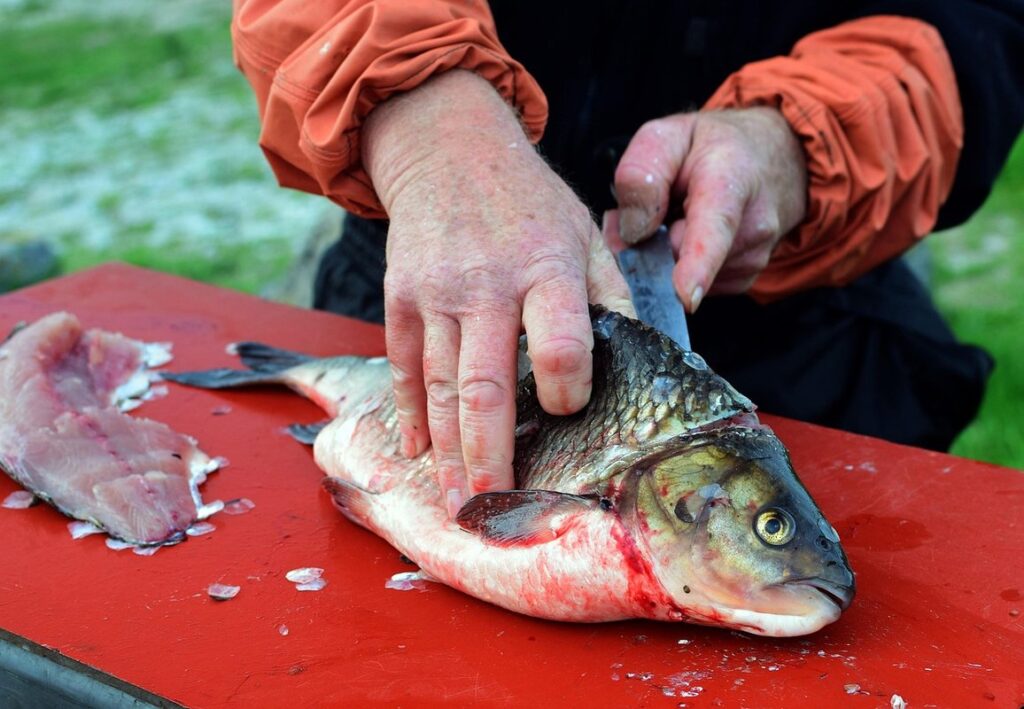
Understanding the Importance of Field Photos
A good field photo can make all the difference in accurate identification, but what makes a great photo and why is it crucial for your observations? We’ll examine the significance of this often-overlooked aspect.
What are Field Photos?
Field photos are images captured on-site of a subject, location, or object to aid in identification and documentation. These photos serve as visual records, allowing experts to analyze and compare them with other evidence, such as crime scene footage or witness descriptions.
The significance of field photos lies in their ability to capture specific details that may be lost during later analysis stages. A well-taken field photo can reveal crucial information about a subject’s size, shape, color, and context, which is essential for accurate identification.
For example, in forensic investigations, field photos can help identify the type of substance or material found at a crime scene. In scientific research, they can document the condition and location of a specimen, ensuring that data is collected accurately. Field photos also serve as a permanent record, allowing experts to revisit and re-evaluate evidence over time.
To capture effective field photos, it’s essential to understand what you’re trying to document and what details are most relevant for identification purposes. This requires an understanding of the subject, its context, and the environment in which it is found.
Types of Field Photos Required
Field photos are used in various applications, and each requires specific types of images. For law enforcement, photographs often focus on capturing details such as license plate numbers, vehicle make and model, and distinctive features like bumper stickers or decals. In scientific research, photos may be taken to document plant species, insect behavior, or geological formations.
In forensic analysis, high-resolution images are crucial for examining tiny evidence like fingerprints, footprints, or hair samples. Photographers may need to use macro lenses or specialized equipment to capture these details clearly. For wildlife conservation efforts, photographs can help track population sizes and monitor habitat changes over time. In this context, images often focus on capturing specific behaviors like nesting habits or migratory patterns.
In the field of archaeology, photographs document artifacts, architectural features, and environmental conditions at excavation sites. These images are essential for reconstructing historical contexts and understanding cultural practices. For example, a photograph might capture the intricate details of an ancient pottery piece or show the layout of a buried building’s foundation. In each case, the type of field photo required is tailored to meet the specific needs of the application, emphasizing the importance of clear communication between photographers, researchers, and end-users about their image requirements.
Best Practices for Capturing Clear Images
When capturing field photos for identification purposes, it’s essential to follow best practices to ensure clear and usable images. Lighting conditions play a significant role in achieving high-quality photos. Avoid photographing subjects near direct sunlight or shaded areas with harsh shadows. Instead, opt for overcast skies or use an umbrella to diffuse the light.
Composition also affects the clarity of your field photos. Focus on the subject by using a shallow depth of field (large aperture) and placing it against a plain background that won’t distract from the image. Avoid cluttered environments and maintain sufficient distance between the camera and the subject to prevent distortion.
Camera settings should be adjusted according to the environment and subject matter. A tripod is necessary for low-light conditions or when shooting in an unstable environment, such as on uneven terrain. Set your camera to a high ISO (typically 400-800) for indoor shots, but reduce it to 100-200 for outdoor scenes with ample light.
Additionally, consider using the rule of thirds to position the subject off-center, and maintain sufficient focus by avoiding over-reliance on autofocus. By following these guidelines, you’ll increase the chances of capturing clear images that can aid in identification processes.
Preparing for a Photo Shoot
Before you head out into the field, make sure you have all the essential equipment and follow these crucial steps to prepare for your photo shoot. A well-prepared photographer is a successful one.
Identifying the Subject and Context
When capturing field photos for identification purposes, it’s essential to clearly identify the subject of interest and consider its surroundings. Begin by defining what you want to photograph – a specific plant species, an insect, or a piece of evidence. Make sure to focus on the most distinctive features of the subject, such as unique markings, patterns, or coloration.
Take note of the context in which the subject is found. What’s the surrounding environment like? Are there any nearby plants, animals, or objects that could provide valuable information about the subject’s habits or habitat? For example, if photographing a plant species, consider capturing images of its leaves, stems, and flowers in relation to other nearby vegetation.
When possible, include visual cues such as scale references (e.g., a ruler or measuring tape) to help with identification. Additionally, capture multiple angles and views of the subject to provide a more comprehensive understanding of its characteristics. Consider using a macro lens or extension tubes to get up close and personal with small details.
Ensuring Adequate Lighting Conditions
Natural light is often ideal for field photography, but it can be unpredictable and may not always be available. When working with natural light, consider the time of day and season to achieve optimal lighting conditions. Soft, indirect light in the early morning or late afternoon is generally best, while harsh midday sun can create unflattering shadows.
If artificial lighting is necessary, use a well-lit area or bring a portable light source to minimize glare and ensure even illumination. Avoid using flash as it can be too intense and may wash out details. When working indoors, position your subject near a window or use a reflector to bounce natural light onto the subject.
In low-light conditions, consider using a tripod to stabilize the camera and reduce blur. If possible, try to capture images in shade or dappled light rather than direct sunlight. This can help minimize harsh shadows and improve overall image quality. When working with artificial lighting, experiment with different angles and positions to achieve the most flattering light for your subject.
Choosing the Right Equipment
When selecting equipment for a field photo shoot, consider the specific tasks and environments you’ll encounter. For instance, if you’re documenting a crime scene, you may want a camera with a wide-angle lens to capture detailed shots of the area. A telephoto lens can be useful for capturing images of objects or individuals from a distance.
Choose a camera that’s rugged and weather-sealed to withstand exposure to dust, moisture, and extreme temperatures. A good starting point is a mid-range DSLR or mirrorless camera with interchangeable lenses. For documentation in low-light conditions, consider a camera with an ISO range up to 6400 and the ability to shoot in RAW format.
In addition to the camera, ensure you have a suitable lens for your needs. A macro lens can help capture high-quality images of small objects or details. A fisheye lens may be useful for capturing wide-angle shots of large areas. Don’t forget to pack extra batteries, memory cards, and a tripod for added stability in challenging environments.
Some cameras also come with built-in features such as GPS and interval shooting that can aid in documentation. Be sure to research your camera’s capabilities and limitations before heading out on the field.
Capturing High-Quality Photos in the Field
When it comes to capturing field photos, proper lighting and composition are crucial for obtaining clear images that aid identification. This includes understanding how to use natural light effectively.
Working with Different Environments
When photographing subjects in various environments, it’s essential to adapt your techniques to suit the setting. For instance, outdoor settings often present challenges such as harsh sunlight, shadows, and reflections on surfaces like water or glass. In these situations, use a polarizing filter to reduce glare and enhance color saturation.
Indoor settings may require adjusting for artificial lighting conditions, which can be inconsistent and unforgiving. Make the most of available light by using reflective surfaces like white cards or foam core boards to bounce light onto your subject. This helps compensate for low-light areas and reduces harsh shadows.
When shooting in confined spaces, consider using a wide-angle lens to capture more of the scene without having to physically move. However, be mindful of potential distortion effects on the image. In contrast, when photographing subjects in open areas, use a telephoto lens to capture fine details without including distracting background elements.
Regardless of environment, maintain consistent exposure settings across multiple shots to ensure accurate color representation and minimize post-processing requirements. By being aware of and adapting to environmental factors, you can produce high-quality photos that effectively meet identification needs.
Managing Camera Angles and Perspectives
When capturing field photos for identification purposes, it’s essential to consider various camera angles and perspectives. Shooting from directly above can provide a clear view of patterns, textures, and details, making it ideal for identifying insects, coins, or other small items. A 45-degree angle, on the other hand, offers a more comprehensive view, showcasing both top and side features.
A low-angle shot can emphasize size and proportions, while a high-angle shot provides context about the subject’s placement within its environment. For example, when photographing a piece of evidence found at a crime scene, a low-angle shot can help investigators assess its relevance to the surrounding area.
Experiment with different perspectives to capture unique details that might not be apparent in standard views. A macro lens or extension tubes can help get up close and personal with small features like tiny prints or intricate designs. Be mindful of your camera’s position relative to the subject, as subtle changes in angle can significantly impact the quality and usefulness of the image.
Using Tripods and Stabilization Techniques
Using a tripod is essential when capturing high-quality photos in the field. Camera shake can cause blurry images and make identification more challenging. To minimize camera shake, you can use a ballhead or panhead on your tripod to allow for smooth adjustments. This enables you to move the camera up, down, left, or right without causing instability.
When working with heavy cameras or lenses, consider using a sturdy tripod specifically designed for that equipment’s weight capacity. In some cases, even a compact setup can benefit from a tripod – especially when photographing small subjects like insects or coins.
A smaller alternative to a full-fledged tripod is a handheld stabilizer. These devices attach to your camera and allow you to make subtle adjustments to compensate for hand movement. Some handheld stabilizers also include features like image stabilization, which can help smooth out camera shake.
In addition to using tripods and stabilizers, practice makes perfect when it comes to holding your camera steady. Try taking photos with different types of cameras or equipment to develop your technique and find what works best for you.
Post-Processing and Image Enhancement
Now that you’ve captured your field photo, let’s talk about what comes next: optimizing it for identification. We’ll cover the techniques to enhance image quality and details.
Basic Editing Tasks
When it comes to editing field photos, the goal is to enhance their quality without compromising evidence integrity. You should start by adjusting brightness and contrast to optimize image visibility. This can be done using most photo editing software, including those with automated tools. Be cautious not to overdo it, as excessive adjustments can lead to unnatural-looking results.
Noise reduction is another essential task. Noise typically appears as grainy or speckled patterns in low-light images. You can use a noise reduction tool specifically designed for this purpose, applying it carefully to avoid blurring details. Some software also offers a “deselect” option for refining the effect.
Removing artifacts and blemishes comes next. This might involve erasing minor scratches, stains, or other imperfections on the subject itself. Use a brush tool with a soft edge to conceal unwanted marks without affecting surrounding areas. Keep in mind that removing significant damage can alter the photo’s original context. In many cases, it’s better to leave the evidence as is and document the artifact.
Typically, these basic editing tasks take only a few minutes per image.
Advanced Image Processing Techniques
When it comes to enhancing the quality of field photos, advanced image processing techniques can make a significant difference. Noise reduction is one such technique that helps eliminate unwanted digital artifacts and grain. This is particularly useful when capturing images in low-light conditions or with high ISO settings. To achieve effective noise reduction, you can use tools like Adobe Photoshop’s built-in filter or third-party plugins specifically designed for this purpose.
Another important aspect of advanced image processing is sharpening. This technique helps refine the details within an image and gives it a clearer appearance. Over-sharpening can lead to unnatural results, so it’s essential to approach this with caution. A general rule of thumb is to use a subtle amount of sharpening (around 10-20%) and fine-tune as needed.
Color correction is also a crucial step in advanced image processing. This involves adjusting the color balance and tone of an image to accurately represent its natural hues. When working with field photos, it’s common for images to appear washed out or have inaccurate colors due to varying lighting conditions. By applying color correction techniques, you can enhance the visual representation of your subject, making identification easier.
A good starting point for color correction is to adjust the white balance and exposure levels in a single image or batch process.
Best Practices for Preserving Evidence Integrity
When handling field photos as evidence, preserving their integrity is paramount. Excessive editing or tampering can compromise the authenticity of the images and render them unusable for identification purposes.
Avoid making unnecessary adjustments to brightness, contrast, or color balance, as these changes can be easily detected and may raise suspicions about the photo’s accuracy. Refrain from using filters or effects that could alter the appearance of the subject or context.
Be cautious when cropping photos, as this can inadvertently conceal crucial details or distort proportions. If cropping is necessary, ensure it is done judiciously to preserve the integrity of the evidence.
To maintain transparency, consider adding metadata to your images, including information about camera settings, location, and date taken. This data can help verify the photo’s authenticity and context.
When using image editing software, stick to basic adjustments that enhance clarity without altering the original content. Avoid making sweeping changes or applying automated features that may introduce bias or distortion.
For critical cases, consider having multiple individuals review and verify the photos to ensure their integrity is maintained throughout the process.
Applications and Uses of Field Photos
Field photos are not just for identification, but can also be used for research, conservation efforts, and even educational purposes. Let’s look at some real-world applications where field photos have made a significant impact.
Law Enforcement and Forensic Analysis
Field photos play a crucial role in law enforcement and forensic analysis, serving as visual evidence to aid in identification and investigation processes. In crimes such as theft, vandalism, and assault, field photos can help investigators identify suspects, track movements, and reconstruct events.
For instance, a crime scene investigator might capture close-up shots of fingerprints, footprints, or DNA samples to aid in forensic analysis. These images are then compared against databases or matched with evidence collected from the crime scene.
Law enforcement agencies also use field photos to document property damage, injuries, or other relevant details that can inform their investigation. In some cases, photos may be enhanced using specialized software to amplify details or remove noise.
To maximize the utility of field photos in forensic analysis, investigators should ensure that images are clear, well-lit, and properly annotated with metadata. This includes capturing contextual shots of the crime scene, including any relevant signs, symbols, or markers.
Scientific Research and Documentation
Field photos play a vital role in scientific research and documentation. They provide a permanent record of species, habitats, or other phenomena, allowing researchers to revisit and analyze data at a later time. In field biology, for instance, photos can be used to document the morphology of specimens, note distinctive features, and track changes over time.
In taxonomy, accurate identification relies heavily on visual cues. Field photos help researchers verify characteristics like color patterns, shape, or size. For example, documenting the intricate details of a butterfly’s wings helps distinguish between similar species. By capturing these specifics, scientists can narrow down identifications and make more informed decisions about classification.
Photographic documentation also facilitates data sharing and collaboration among researchers. Images can be easily shared online, enabling experts worldwide to access and review data. This increases the chances of new discoveries and ensures that knowledge is built upon existing research. When documenting field observations, it’s essential to capture images from multiple angles, including close-ups and wide shots, to provide a comprehensive understanding of the subject in its environment.
Other Applications and Uses
Field photos are not limited to identification purposes. They can also be used creatively in various fields such as marketing, education, and art. For instance, a photographer capturing images of natural habitats for a conservation organization might use field photos to raise awareness about environmental issues. These images can be used in social media campaigns, brochures, or websites.
In the realm of education, field photos can serve as valuable teaching tools. Students learning about biology, geology, or ecology can benefit from high-quality images that illustrate complex concepts and theories. Instructors can use these images to create engaging lesson plans, making it easier for students to understand abstract ideas.
Artists also draw inspiration from field photos. Photographers specializing in landscape or wildlife photography often combine their work with other art forms like painting or sculpture. This fusion of mediums creates unique pieces that showcase the beauty and fragility of our natural world.
Frequently Asked Questions
Can I use my smartphone to take high-quality field photos for identification?
Yes, many smartphones now have advanced cameras that can produce excellent images. However, it’s essential to consider the limitations of your device’s camera, such as limited zoom range and potential issues with low light conditions. When using a smartphone, make sure to follow best practices for capturing clear images, including proper lighting and composition.
How do I handle challenging environments like extreme weather or heavy vegetation?
When working in harsh environments, prioritize finding suitable shelter or protection from the elements to maintain camera stability and prevent damage. Use techniques like bracketing shots or adjusting white balance to adapt to changing light conditions. Consider using a tripod or stabilization equipment to minimize camera shake.
What if I’m not familiar with advanced image processing techniques? Can I still take good field photos?
Yes, many identification needs can be met without extensive post-processing expertise. Focus on capturing clear and well-composed images during the initial shoot. If needed, consult with colleagues or experts for guidance on basic editing tasks like adjusting brightness and contrast.
How do I know if my field photos are suitable for forensic analysis or other high-stakes applications?
When taking photos for identification purposes, keep in mind that they may be scrutinized under magnification or reviewed by multiple experts. To ensure your images meet these standards, follow best practices for capturing clear and detailed shots, including sufficient resolution and proper lighting. Also, consider obtaining feedback from experienced professionals on the quality of your images.
Can I use field photos for marketing or educational purposes without compromising their integrity?
Yes, as long as you adhere to the principles outlined in the article for preserving evidence integrity. For non-identification uses, you can apply more creative freedom when editing and processing your images. However, always maintain transparency about any alterations made to the original photo and ensure that they do not compromise the subject’s identity or context.