
Maintaining optimal humidity levels is crucial for preserving delicate items in your collection. You may have noticed that certain objects, such as artwork or antique furniture, are particularly sensitive to changes in temperature and moisture. When indoor humidity gets too high or too low, it can cause damage, discoloration, or even complete deterioration of the materials. Factors like climate, ventilation, and air conditioning all contribute to indoor humidity levels.
To effectively manage humidity and protect your collection, understanding what affects indoor humidity is key. This guide will explore best practices for maintaining a stable environment, innovative solutions for humidification and dehumidification, and factors you should consider when managing indoor humidity. By the end of this comprehensive guide, you’ll be equipped to preserve your collection with confidence, knowing how to maintain optimal humidity levels for long-term preservation.
Understanding the Importance of Humidity Control
Maintaining optimal humidity levels is crucial for preserving and protecting your valuable collections, preventing damage from excessive moisture or dryness. Let’s examine why proper humidity control is essential for long-term preservation.
The Role of Humidity in Collection Preservation
Maintaining optimal humidity levels is crucial to prevent damage to collection materials. High humidity can lead to mold growth, warping of wood, and discoloration of paper and textiles. Conversely, extremely low humidity can cause shrinkage of materials, cracking of paint, and brittleness of artifacts.
A humidity level between 40% and 60% is generally considered optimal for most collections. However, specific requirements may vary depending on the type of material. For example, artworks with oil-based paints typically require a lower humidity level (around 30-40%), while textiles and paper documents prefer a higher relative humidity (50-65%).
To ensure preservation, consider the materials’ inherent properties, such as fiber content and weight, as well as their exposure to environmental factors like temperature fluctuations. It’s also essential to monitor local climate conditions and seasonal changes that can impact indoor humidity levels.
In addition to maintaining optimal humidity levels, it’s equally important to prevent sudden changes in relative humidity. Sudden shifts can cause materials to dry out or become overly saturated, leading to damage. To mitigate this risk, consider using a humidistat to regulate temperature and humidity levels, ensuring a stable environment for your collection.
Common Challenges Associated with Humidity Fluctuations
Warping, cracking, and fading of materials are among the most common issues that arise when humidity levels are not properly managed. Warped wooden frames can compromise the structural integrity of a piece, while cracked surfaces can allow moisture to seep in and cause further damage. Fading, on the other hand, can irreparably alter the appearance of delicate materials like paper or textiles.
Unstable humidity also poses a threat to certain types of adhesives used in collection preservation. When exposed to fluctuating humidity levels, these adhesives can break down, causing items to become detached from their mounts or shelves. For instance, many museum-grade adhesives have a specific operating range for optimal performance – typically between 40% and 60% relative humidity.
To mitigate these risks, it’s essential to maintain consistent humidity levels within the recommended range (between 35% and 55% RH). This can be achieved through the use of dehumidification systems or by controlling the temperature to a specific level. By doing so, you can prevent damage to your collection and ensure its preservation for future generations.
Factors Affecting Indoor Humidity Levels
Factors affecting indoor humidity levels can vary greatly depending on the climate, building design, and collection itself. Understanding these variables is crucial for effective humidity control strategies.
Understanding Relative Humidity and Its Measurement
Relative humidity (RH) is a crucial factor to consider when maintaining optimal indoor conditions for collections. It’s defined as the amount of moisture present in the air compared to its maximum capacity at a given temperature. A relative humidity reading of 60% means that the air contains 60% of the maximum amount of water vapor it can hold at that specific temperature.
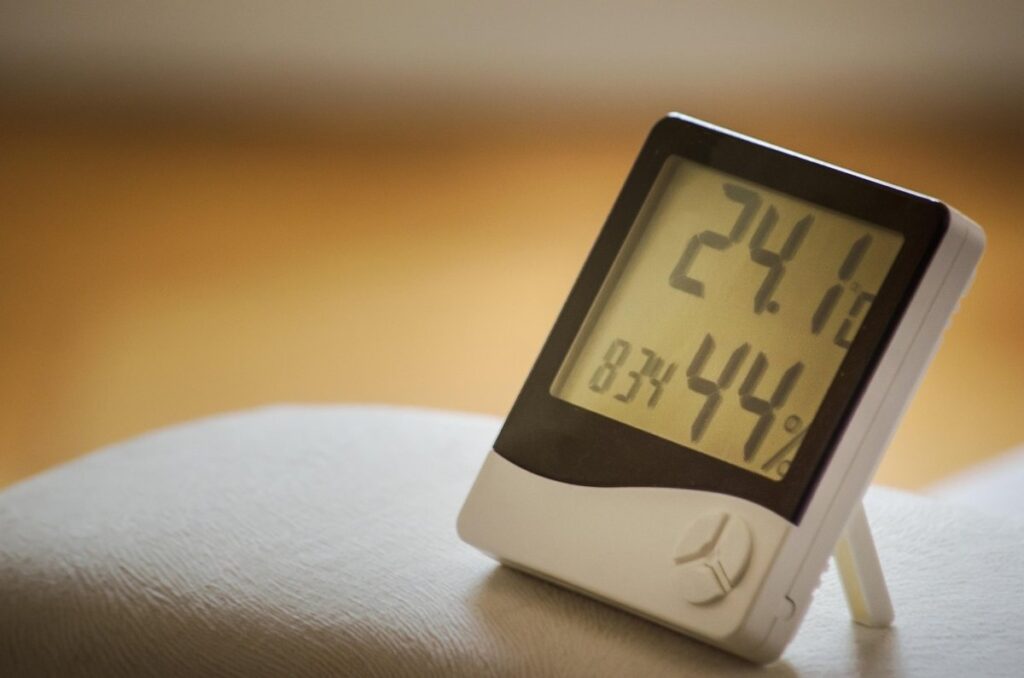
To measure RH accurately, you need a hygrometer. There are two main types: digital and analog. Digital hygrometers provide precise readings with minimal error margins, while analog hygrometers rely on a calibrated needle or dial to indicate humidity levels. It’s essential to choose a hygrometer that suits your needs, taking into account factors such as accuracy, calibration requirements, and durability.
When selecting a hygrometer, look for one with high precision (±1-2% RH) and a wide temperature range (e.g., -20°C to 40°C). Also, consider the type of environment where it will be used: some hygrometers are more suitable for indoor spaces, while others can handle extreme conditions. Regularly calibrate your hygrometer according to the manufacturer’s instructions to ensure accurate readings and maintain optimal humidity levels in your collection storage area.
Environmental Factors Influencing Humidity Levels
Temperature fluctuations can significantly impact indoor humidity levels. In warm temperatures, air’s capacity to hold moisture increases, causing relative humidity (RH) to drop. Conversely, cold temperatures decrease RH as the air contracts and loses its ability to retain water vapor. This temperature-induced effect is most pronounced in environments with large temperature swings between day and night or during seasonal changes.
Air circulation also plays a crucial role in indoor humidity control. Inadequate ventilation can lead to stagnant air, which traps moisture and promotes mold growth. Conversely, well-ventilated spaces allow excess moisture to escape, reducing the risk of damage to collections. For example, museums often use ventilation systems that introduce dry outside air while exhausting stale indoor air to maintain optimal RH levels.
Outdoor weather conditions also influence indoor humidity levels. Rain or high humidity during outdoor events can increase indoor RH if not properly managed through dehumidification and ventilation strategies. Conversely, dry spells or cold snaps can decrease indoor RH, potentially causing materials to become brittle or crack. By understanding these environmental factors, collection managers can develop targeted humidity control plans that account for seasonal changes and other external influences.
Best Practices for Maintaining Optimal Humidity Levels
To maintain optimal humidity levels, it’s essential to understand how different environments affect your collection. This means monitoring temperature and humidity fluctuations daily to ensure preservation.
Creating a Humidity-Control Plan
Developing a tailored plan to manage humidity levels is essential for collection preservation. This involves assessing specific needs, taking into account factors such as climate, collection type, and storage conditions.
First, identify key areas of concern within the collection and assign priority based on sensitivity to humidity fluctuations. For example, rare books or artworks may require more stringent control than common artifacts. Next, determine the optimal relative humidity (RH) range for each area, typically between 30% and 60%. Consider factors such as temperature, air circulation, and local climate conditions when setting RH targets.
Key considerations also include choosing the right equipment, such as dehumidifiers or humidistats, and implementing a routine maintenance schedule. For smaller collections or spaces, consider using compact, energy-efficient solutions that can be easily integrated into existing systems. Regular monitoring of humidity levels is crucial to ensure optimal conditions are consistently maintained. This may involve installing data loggers or regular manual checks with a hygrometer.
Implementing Effective Dehumidification and Ventilation Strategies
Implementing dehumidification and ventilation strategies is crucial to maintaining optimal humidity levels. Air conditioning systems can be effective tools for controlling humidity, but they should not be relied upon solely. In fact, many AC units have built-in humidistats that can detect when the air reaches a certain level of moisture and activate the cooling cycle, which in turn removes excess moisture from the air.
However, not all collections require or can accommodate air conditioning systems. For these situations, desiccants are an excellent alternative. Desiccants work by absorbing moisture from the air through a process called adsorption, which is more efficient than absorption. They come in various forms, such as silica gel or activated alumina, and can be used individually or in combination with other dehumidification methods.
When implementing desiccant systems, it’s essential to consider factors like temperature, humidity levels, and air flow rates to ensure optimal performance. Additionally, regular maintenance is crucial to preventing the buildup of moisture within the desiccant itself, which can lead to a decrease in effectiveness over time.
Humidity-Resistant Materials and Enclosures
When it comes to managing high humidity environments, choosing the right materials for your collection’s enclosures is crucial. We’ll explore some effective options that can help maintain a stable climate.
Introduction to Humidity-Resistant Materials
When selecting materials for collection storage and display, it’s essential to consider their resistance to humidity fluctuations. Not all materials are created equal when it comes to maintaining a stable environment for sensitive items. Paper-based materials like acid-free tissue and board can be prone to damage from high humidity levels.
On the other hand, materials with inherent water-repelling properties can help safeguard collections against moisture-related issues. For example, polyethylene-coated boxes and folders are designed to prevent moisture transfer between the material and the stored item. This can be particularly beneficial for items that are sensitive to water or humidity damage, such as photographs, artwork, and printed books.
When choosing humidity-resistant materials, consider factors like breathability and absorbency. Some materials may appear resistant at first but can still compromise if not properly designed or manufactured. To ensure you’re selecting the right material, look for certifications from reputable organizations, such as the International Organization for Standardization (ISO). By opting for materials with built-in humidity resistance, you can help create a stable environment that protects your collection for years to come.
Designing and Building Effective Display Cases
When designing display cases for humidity-sensitive collections, material selection is a critical consideration. Avoid using wood or paper-based materials, which can absorb moisture and transfer it to the collection. Instead, opt for durable, water-resistant materials like glass, acrylic, or high-density polyethylene (HDPE). Ensure that any metal components are treated with a rust-resistant coating to prevent corrosion.
Proper ventilation is also essential in display cases. Install a dehumidifying system or incorporate a ventilation grid to maintain air circulation and prevent moisture buildup. Climate control systems can be integrated into the design, allowing for precise temperature and humidity control within the case. When building display cases, consider factors like door design, shelving layout, and storage capacity to ensure that the enclosure does not compromise the collection’s integrity.
When selecting a climate control system, look for one that can maintain a consistent relative humidity (RH) between 30-50% RH. This range is ideal for most collections, as it slows down chemical reactions and prevents damage caused by high or low humidity levels. Consult with experts to determine the optimal climate control settings for your specific collection.
Monitoring and Maintaining Humidity Levels
To effectively preserve your collection, you need to understand how to monitor and maintain optimal humidity levels within a controlled environment. Proper monitoring involves checking hygrometers regularly.
Regular Humidity Monitoring: Best Practices
To maintain optimal humidity levels, regular monitoring is essential. This involves implementing a consistent schedule for checking hygrometer readings and adjusting the system as needed. Start by setting a specific time of day or week to check the humidity levels, such as first thing in the morning or after every weekend. Use this opportunity to review any trends or fluctuations that may indicate changes in indoor conditions.
When interpreting data from hygrometers, consider the following: a small variation (1-2%) can be expected due to seasonal changes or minor environmental shifts; however, significant deviations (more than 5%) are cause for concern and prompt adjustments. It’s also crucial to keep records of past readings, which will help identify long-term trends and patterns.
Keep in mind that hygrometer accuracy is critical – use a high-quality device with a clear display and easy calibration process. Some popular types include digital probes, dial gauges, or smart sensors connected to mobile apps. Regularly calibrate your device according to the manufacturer’s instructions and schedule routine maintenance checks for optimal performance.
Adjusting Humidity Levels Based on Seasonal Changes
When adjusting humidity levels based on seasonal changes, it’s essential to consider the impact of heating and cooling cycles on indoor environments. During summer months, air conditioning can lower relative humidity (RH) levels, potentially causing dryness that may damage materials. Conversely, winter heating systems can increase RH levels, leading to moisture accumulation and potential issues.
To address these fluctuations, monitor your collection’s environment closely during seasonal transitions. For example, you might notice a significant drop in RH levels on extremely hot days or an increase when heating is turned up. Adjust your humidification system accordingly to maintain optimal RH levels between 30% and 50%.
In the winter, consider running your humidifier at a higher setting to compensate for dry air from heating systems. Conversely, during summer months, you may need to temporarily reduce humidification to prevent over-humidification. Be aware of these seasonal adjustments and adjust your system settings accordingly. For smaller collections or spaces, you can also utilize portable dehumidifiers or humidistats with automatic control options to maintain optimal RH levels without manual intervention.
Advanced Techniques for Humidity Control
When working with sensitive collections, advanced techniques can help you maintain precise humidity control. This section will explore specialized methods for achieving optimal RH levels in various environments and storage conditions.
Using Climate-Controlled Storage Facilities
Climate-controlled storage facilities offer a controlled environment for storing sensitive collections. These facilities typically maintain precise temperature and humidity levels within narrow ranges, often between 68°F to 72°F (20°C to 22°C) with relative humidity between 30% to 50%. This consistency can significantly reduce the risk of damage from fluctuating environmental conditions.
One benefit of using climate-controlled storage facilities is that they alleviate concerns about seasonal changes. In areas prone to extreme temperature or humidity fluctuations, these facilities provide a stable environment for collections during periods of high instability. For example, storing artifacts in an area with heavy rainfall would be ideal if the facility maintains low relative humidity levels to prevent damage from moisture.
In some cases, institutions may need to consider costs associated with transportation and storage. However, long-term benefits often outweigh these expenses. Climate-controlled facilities can also help reduce maintenance needs for collections, allowing staff to focus on other preservation tasks.
Innovative Solutions for Small Collections or Spaces
In small collections or spaces, traditional humidity control methods may not be feasible due to limited square footage or budget constraints. However, innovative solutions can help manage humidity levels effectively. One approach is to utilize wall-mounted or recessed dehumidifiers that are specifically designed for small areas. These compact units can be installed directly into a wall cavity or attached to the back of a display case, minimizing visual impact while maintaining high efficiency.
Another creative solution involves using moisture-absorbing materials such as silica gel packets or activated alumina. These products can be strategically placed within enclosed spaces to absorb excess moisture from the air, thereby helping to maintain optimal humidity levels. For instance, placing a few silica gel packets in a small display case or storage container can help prevent damage to sensitive artifacts.
In addition, some museums and galleries have successfully implemented “desiccant-based” humidity control systems for smaller collections. These systems involve using desiccants to absorb moisture from the air, which are then exchanged regularly with fresh desiccants to maintain optimal humidity levels. By adopting these creative approaches, small collection owners or curators can effectively manage humidity levels and ensure the preservation of their valuable artifacts.
Conclusion: Prioritizing Humidity Control for Collection Preservation
Prioritizing humidity control is crucial for preserving collections, as it prevents damage from excessive moisture. A stable relative humidity (RH) range of 30-50% is generally recommended for most materials. However, specific needs may vary depending on the collection type and storage environment.
To ensure optimal preservation, regularly monitor RH levels using hygrometers or other measuring devices. Document readings to track changes over time. This data will help identify potential issues before damage occurs.
When implementing humidity control measures, consider factors like storage space size, airflow, and temperature stability. Installing a dehumidifier or humidistat can be effective in maintaining a stable RH level. For collections stored in large spaces, consider consulting with a preservation expert to develop a tailored plan.
Frequently Asked Questions
What if I’m on a tight budget? Can I still implement effective humidity control measures?
Yes, it’s possible to achieve optimal humidity levels without breaking the bank. Start by identifying areas where you can make adjustments, such as using fans or opening windows during mild weather. Consider DIY solutions like building your own display cases or using inexpensive dehumidifiers. Prioritize your most valuable or sensitive items and focus on protecting them first.
Can I use a single humidity sensor for an entire collection space?
Using a single humidity sensor can be effective if you’re dealing with a small, uniform space. However, consider the potential risks of uneven humidity distribution in larger areas. To ensure accurate readings, install multiple sensors strategically throughout your collection space to get a more comprehensive understanding of humidity levels.
How often should I check and adjust my humidity levels during seasonal changes?
Regular monitoring is crucial during seasonal transitions. As temperatures fluctuate, humidity levels can change rapidly. Adjust your settings accordingly – for example, reduce humidity in summer months when air conditioning can dry out the space. Monitor your sensors closely to avoid over- or under-humidification.
What if I’m using a climate-controlled storage facility? Do I still need to worry about monitoring humidity levels?
Yes, even with a climate-controlled storage facility, it’s essential to monitor humidity levels regularly. Although these facilities are designed to maintain optimal conditions, equipment can malfunction or be affected by external factors like power outages. Regular checks will help you identify any issues before they impact your collection.
Can I use passive methods like silica gel packets or desiccant bags for larger collections?
While passive methods like silica gel packets or desiccant bags are effective for small, enclosed spaces, they may not be sufficient for larger collections. These solutions can become saturated quickly and require frequent replacement. For bigger collections or high-humidity areas, consider investing in active dehumidification systems for more efficient and reliable humidity control.