
Are you tired of staring at a blank page in your sketchbook, wondering where to start? Do you dream of unleashing your creativity and bringing imaginative worlds to life through art? Whether you’re an experienced artist or just starting out, finding inspiration for your sketchbook can be a daunting task. That’s why we’ve curated a collection of exciting ideas that blend fantasy, illustration, and observational drawing – the perfect fusion to fuel your creative journey.
In this article, we’ll take you on a journey through captivating themes, techniques, and prompts designed to spark your imagination and ignite your passion for storytelling through art. From whimsical landscapes to intricate character designs, our sketchbook ideas will guide you in experimenting with different mediums, styles, and perspectives. Get ready to unlock new possibilities, push beyond your comfort zone, and turn the blank page into a vibrant canvas of creativity!
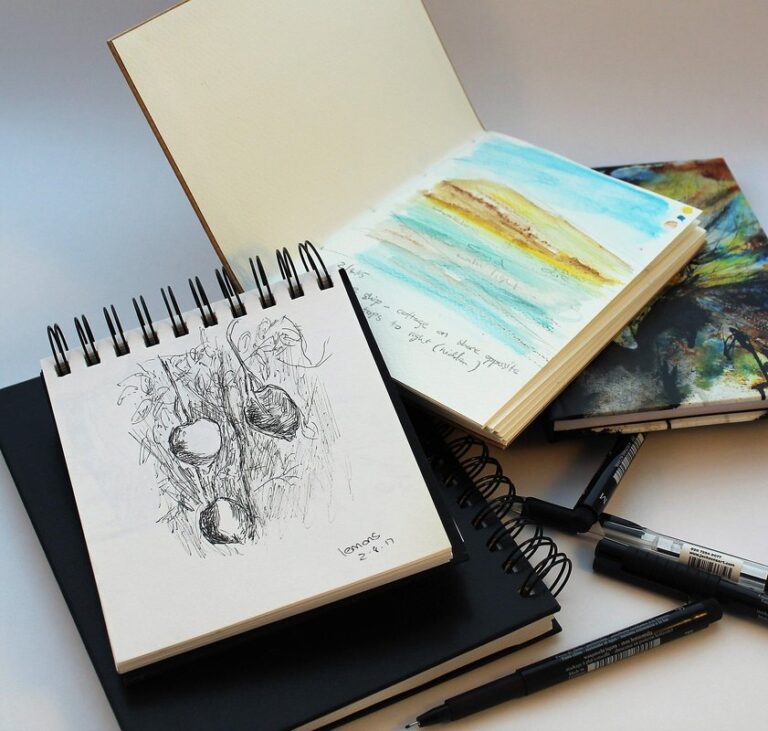
Exploring Different Themes and Genres
Now that you’ve explored personal projects, let’s dive into a variety of themes and genres to shake up your sketchbook and keep creativity flowing.
Experimenting with Fantasy and Illustration
Dive into the realm of fantasy and let your imagination run wild. Fantasy-themed sketchbook ideas are perfect for those who enjoy exploring new worlds and creatures. Start by drawing mythical creatures such as dragons, unicorns, or mermaids – each one offering a unique set of features to explore.
Magical landscapes can also be a fascinating theme, from enchanted forests to mystical mountains. Imagine creating a sweeping vista of rolling hills, towering spires, or shimmering waterfalls. To add an extra layer of depth, try incorporating subtle details like intricate architecture or glowing plants.
Artist-in-residence programs and social media platforms have made it easier than ever to discover artists who specialize in fantasy illustration. Follow their work for inspiration, learn about different techniques and mediums they use, and get a sense of how to build up from basic shapes to create realistic, detailed forms. Don’t be afraid to experiment with bold colors or abstract textures – this is your space to let your creativity flourish!
Bringing Storytelling to Life through Comics and Graphic Novels
When exploring the world of comics and graphic novels, you can tap into the power of storytelling through sketches. Comics are a unique medium that allows artists to combine visual elements with engaging narratives, making them an excellent choice for sketchbook inspiration.
To create compelling characters and stories, start by studying the work of professional comic book creators. Analyze their use of facial expressions, body language, and costume design. Notice how they convey emotions through subtle details and visual storytelling techniques. For instance, the iconic superhero Batman is instantly recognizable due to his distinctive cowl and cape.
One way to bring storytelling to life in your sketchbook is by experimenting with visual metaphors. Use graphic novels like ‘Persepolis’ or ‘Maus’ as inspiration for how to convey complex themes through simple yet powerful images. Create a series of sketches that illustrate a personal story, using symbols and imagery to convey emotions and ideas.
Remember, the key to successful storytelling in comics is balance – balancing visual detail with narrative pacing, ensuring that each panel contributes to the overall flow of the story. Practice your skills by creating short comic strips or graphic novel pages that tell engaging stories through sketches.
Diving into Abstraction and Expressionism
Diving into Abstraction and Expressionism can be a thrilling experience for sketchbook artists. By embracing abstract techniques, you can add an extra layer of depth and emotion to your work. Take inspiration from famous abstract artists like Jackson Pollock, who dripped paint onto a canvas to create dynamic, expressive pieces.
To get started with abstraction in your sketchbook, try the “Dripping Ink” exercise: Dip a brush in ink and let it flow onto the page without any control or direction. Observe how the ink bleeds and spreads, creating unique patterns and textures. You can also experiment with splattering paint or using household items like sponges to create interesting effects.
Another technique is “Gesture Drawing,” where you quickly sketch a subject from life or imagination, focusing on capturing its movement and energy. This exercise helps loosen up your drawing style and encourages spontaneity. Remember, abstraction is all about expression, so don’t worry if your drawings look imperfect – it’s the process that matters!
Sketching the World Around You: Observational Drawing
Observational drawing is a powerful way to capture the beauty of everyday life, from city streets to nature’s landscapes. In the following pages, we’ll explore how to use observation and sketching to spark your creativity.
Capturing Everyday Life through Street Art and Urban Sketching
Capturing the essence of urban life is an exciting challenge for observational drawers. To incorporate street art and urban sketching into your sketchbook, start by observing the city’s unique character. Note the colors, textures, and patterns that make each building, bridge, or street corner distinctive.
People-watching is also a rich source of inspiration. Observe how individuals move through the city – their postures, expressions, and attire can reveal a lot about the urban experience. Pay attention to how architecture interacts with pedestrians, such as cafes spilling onto sidewalks or office buildings’ sleek facades.
When capturing street art, don’t be afraid to experiment with different mediums and techniques. Watercolors can blend vibrant colors, while pencils can create detailed line work. Consider sketching transportation hubs like bus stations or train platforms – the energy of commuters rushing to catch their next ride is infectious.
As you draw, remember that every observation is a new story waiting to be told. Experiment with different perspectives, from high-rise views of cityscapes to intimate scenes of street performers or vendors. By embracing the dynamic, ever-changing atmosphere of urban life, your sketchbook will become a vibrant journal of your creative journey.
Nature’s Beauty: Recording the Seasons and Landscapes
Capturing the ever-changing beauty of nature is a surefire way to inspire creativity and keep your sketchbook filled with exciting ideas. As seasons come and go, the world around us transforms into an endless source of inspiration.
When it comes to recording natural environments, consider observing the subtleties of light and shadow that dance across tree branches and foliage. Practice drawing individual leaves, noting their shapes, textures, and intricate details. This exercise will help you develop a keen eye for observation and translate the beauty of nature onto paper.
To capture the essence of specific landscapes, try rendering sweeping mountain vistas or the gentle undulations of coastal dunes. Don’t be afraid to experiment with expressive brushstrokes and gestural marks to convey the energy and movement of weather conditions like storms or sunsets. When drawing wildlife, focus on capturing their textures, patterns, and movements – consider depicting birds in flight or flowers swaying gently in the breeze.
Try dedicating a few pages to observing and recording the changes that occur over time – perhaps documenting the blooming of specific plants or the migration of local bird species. This practice will not only hone your observation skills but also provide a sense of continuity and flow in your sketchbook.
Developing Your Style and Voice
As you fill your sketchbook with ideas, developing a unique style and voice is crucial to making it truly yours. Let’s explore how to cultivate your artistic personality within its pages.
Experimenting with Various Mediums and Techniques
Experimenting with various mediums and techniques is essential to developing your unique style. Let’s start by exploring different art mediums that can add texture and visual interest to your sketches.
Watercolor is a fantastic medium for creating soft, dreamy backgrounds or adding subtle washes to your illustrations. Try using watercolor pencils or pan sets to achieve varying degrees of transparency and blending. For instance, artist Jill Bliss uses watercolor to create intricate, ethereal scenes that evoke a sense of wonder.
Ink can be used to add bold lines, details, or textures to your sketches. Experiment with different nibs, such as fine liners or brush pens, to achieve unique line work. Consider layering ink over other mediums, like watercolor or colored pencils, for added depth and dimension.
Colored pencils are an excellent choice for creating highly detailed, realistic illustrations or adding subtle color gradations to your sketches. Try layering pencils to build up rich textures and colors. Artist Gabi Campanario’s use of colored pencils creates stunningly detailed cityscapes that transport viewers to the urban jungle.
Remember, the key to developing your style is experimentation – don’t be afraid to try new mediums and techniques in your sketchbook!
Finding Inspiration in Other Artists and Their Work
When it comes to finding inspiration for your sketchbook, looking at the work of other artists can be incredibly beneficial. You don’t have to stick to artists with similar styles or techniques; exploring different perspectives and approaches can actually help you discover new ideas and ways of thinking.
Take a look at the sketchbooks of artists working in mediums other than drawing or painting, like collage or mixed media. Notice how they combine different materials and techniques to create unique textures and visual interest. You might be inspired by their experimentation and incorporate similar elements into your own work.
Another way to find inspiration is to pay attention to the themes and subjects explored by other artists. Do you see a lot of botanical illustrations in one artist’s sketchbook, but abstract expressions in another? Consider how you can blend different styles or focus on a specific theme that interests you. This could be as simple as dedicating a section of your sketchbook to exploring different styles or techniques.
By incorporating the work and ideas of other artists into your own practice, you can avoid feeling stuck or uninspired. Instead, use their creativity as a starting point for your own experimentation and growth.
Incorporating Personal Stories and Reflections
As you fill your sketchbook with ideas, don’t forget that personal stories and reflections can be a powerful way to add depth and meaning to your art. Share moments from your life through sketches and journaling.
Reflecting Your Emotions through Art Journaling
Reflecting on our emotions and experiences can be a powerful way to tap into our creativity. One technique for doing so is through art journaling, where we combine visual art with written reflections to create a unique and personal record of our journey. By using a sketchbook as an art journal, you can explore your thoughts and feelings in a non-linear way, making connections between seemingly unrelated events and emotions.
To start, think about the experiences that have shaped who you are today – a challenging project at work, a move to a new city, or a personal loss. Consider how these experiences have affected you emotionally, and what lessons you’ve learned from them. Then, begin creating visual representations of these memories using a variety of art techniques – collaging, painting, or drawing.
To enhance your reflection, try incorporating text into your artwork by writing down key words or phrases, journaling about specific events, or even incorporating quotes that resonate with you. This blend of media can help you tap into your emotions and gain new insights into your experiences.
Documenting Your Journey Through Sketchbook Prompts
Using sketchbook prompts can be a game-changer for staying motivated and engaged on your creative journey. These exercises serve as catalysts to explore new techniques, experiment with different styles, and document your progress over time.
For instance, try incorporating ‘found object’ prompts into your practice. Collect items from around the house or nature, like seashells, pinecones, or antique keys, and use them as inspiration for sketches or collages. This not only encourages creativity but also helps you develop observational skills by paying close attention to textures, colors, and forms.
Another type of prompt worth exploring is ‘historical’ exercises. Research a particular era or cultural movement – say, 19th-century Impressionism or Japanese Ukiyo-e woodblock prints – and attempt to recreate key aspects in your own work. This can help you better understand the evolution of art styles and how they reflect their time.
In addition to these specific types of prompts, consider using ‘free association’ exercises as well. Set a timer for 10 minutes and sketch whatever comes to mind without pause or hesitation. This loosens up your creative muscles and allows you to explore new ideas more freely.
Tips for Maintaining a Regular Practice
To keep your creative momentum going, we’ll share some essential tips on maintaining a consistent sketchbook practice that will help you stay inspired and motivated.
Setting Realistic Goals and Schedules
When starting a sketchbook practice, it’s easy to get caught up in the excitement of creating new art every day. However, maintaining a regular routine can be challenging, especially with busy schedules and competing demands on our time. To avoid burnout and stay motivated, it’s essential to set realistic goals and schedules for your sketchbook practice.
Begin by setting specific, achievable targets for yourself, such as dedicating 15 minutes each day or an hour twice a week to drawing in your sketchbook. Be sure to schedule these sessions in your calendar, just as you would any other important appointment. Break down larger goals into smaller, manageable tasks, like committing to one daily doodle or completing a small illustration each week.
Consider using a habit tracker or planner to monitor your progress and stay accountable. Review your sketches regularly to identify areas for improvement and track your growth over time. Remember, the goal is to cultivate a sustainable practice that brings you joy and fulfillment, not to create perfect art every day. By being realistic about your goals and schedule, you’ll be more likely to maintain a consistent sketchbook practice and make progress on your artistic journey.
Celebrating Progress and Achievements Along the Way
Celebrating progress and achievements along the way is just as important as developing new ideas. As you fill page after page of sketches, it’s easy to get caught up in striving for perfection rather than acknowledging your growth. However, regularly recognizing milestones and celebrating small victories can help keep motivation high.
Reflect on how far you’ve come by setting aside time to review your sketchbook progress. Identify specific accomplishments, such as mastering a new technique or consistently producing a certain number of sketches per week. Write down these achievements in the back of your book as reminders of your hard work and dedication. You can also use sticky notes or washi tape to mark significant pages, making it easier to revisit them later.
To stay motivated over time, try incorporating small rewards into your routine. This could be anything from treating yourself to a new art supply to scheduling a creative outing with friends. By acknowledging progress and milestones, you’ll find that you’re more invested in maintaining a regular practice and pushing through creative plateaus. Regular celebrations of achievement will help keep the spark of inspiration alive, fueling your journey as an artist.
Conclusion: Encouragement to Continue Exploring
Now that you’ve dipped into the wonderful world of sketchbook ideas, it’s time to keep your creative momentum going and explore even more inspiring possibilities. Your journey has just begun!
Recap of Key Takeaways
As you close this chapter on exploring ideas for your sketchbook, take a moment to reflect on the wealth of inspiration and techniques we’ve covered together. Your creative journey is unique, and it’s essential to hold onto the key takeaways from our time spent brainstorming and learning.
Remember that your sketchbook can be more than just a space for practice – it can also serve as an experimentation ground, a journal for ideas, or even a treasure trove of memories. To keep your creative spark ignited, try incorporating different formats such as watercolor washes, sketches in pencil, ink drawings, and mixed media collages.
It’s also crucial to approach each page with intentionality, embracing mistakes as opportunities for growth rather than sources of frustration. Take time to study the work of others, analyzing what draws you to their art and how you can adapt those techniques to your own style. Lastly, be gentle with yourself – remember that perfection is not a benchmark for artistic success.
By integrating these ideas into your creative practice, you’ll continue to find inspiration in even the most mundane subjects and develop a deeper understanding of what fuels your unique vision.
Final Thoughts and Inspiration
As you close this chapter on your sketchbook journey, remember that creativity is a muscle that needs to be exercised regularly. Just like any skill, it takes time and practice to hone your craft. You’ve made tremendous progress so far, and it’s essential to celebrate these small wins. Take a moment to flip through the pages of your sketchbook – what did you learn about yourself? What skills do you want to improve upon?
For inspiration, let’s draw from the experiences of other artists who have faced similar challenges. Georgia O’Keeffe said, “I found I could say things with color and shapes that I couldn’t say in any other way.” Remember, your sketchbook is a sanctuary where you can freely express yourself without judgment.
Take this momentum forward by setting achievable goals for the next phase of your creative journey. Challenge yourself to experiment with new techniques or mediums. Share your progress with others, either online or through a local art community. As you continue exploring your potential, remember that every mark on your page is a testament to your growth and resilience.
Frequently Asked Questions
Can I combine multiple themes and styles in a single sketchbook?
You can experiment with blending different themes, genres, and techniques to create a unique and dynamic sketchbook. For example, you might alternate between fantasy landscapes and observational drawings of everyday life. This approach allows you to explore various aspects of your creativity without feeling constrained by a single theme or style.
How do I balance experimentation with creating a cohesive body of work?
It’s essential to strike a balance between trying new ideas and developing a consistent voice in your sketchbook. Consider setting aside specific pages for experimentation and others for more structured projects. This will help you refine your skills while still allowing room for exploration and growth.
Are there any tips for incorporating personal stories and reflections into my sketchbook?
Incorporating personal anecdotes and emotions can add depth to your art journaling practice. Try using prompts or exercises that encourage reflection, such as writing a brief story behind each artwork or exploring how a particular experience influenced your creative process.
Can I use digital tools in conjunction with traditional mediums in my sketchbook?
Yes! Combining digital and traditional techniques is a fantastic way to expand your creative possibilities. You can use apps or software for sketching, layering, or manipulating images before transferring them into your physical sketchbook. This fusion of methods can lead to exciting new textures and effects.
How do I know if I’m making progress in my art journaling practice?
Celebrate small victories along the way by setting achievable goals and tracking your progress. Regularly review your sketches and reflect on what you’ve learned, even if it’s just taking risks or experimenting with new techniques. Don’t be too hard on yourself – every step forward is a success!