
If you’re a collector or enthusiast looking to authenticate your silver items, learning to identify silver marks is an essential skill. With so many beautiful and valuable pieces out there, it’s no wonder you want to make sure yours are genuine. But with the array of symbols, hallmarks, and makers’ marks used throughout history, it can be a daunting task. That’s where this guide comes in – our comprehensive resource covers everything from hallmarks and assay marks to makers’ marks and their meanings. By understanding the history behind these symbols and avoiding common mistakes, you’ll be able to confidently identify your silver items as authentic. Whether you’re a seasoned collector or just starting out, keep reading to master the art of identifying silver marks like a pro.
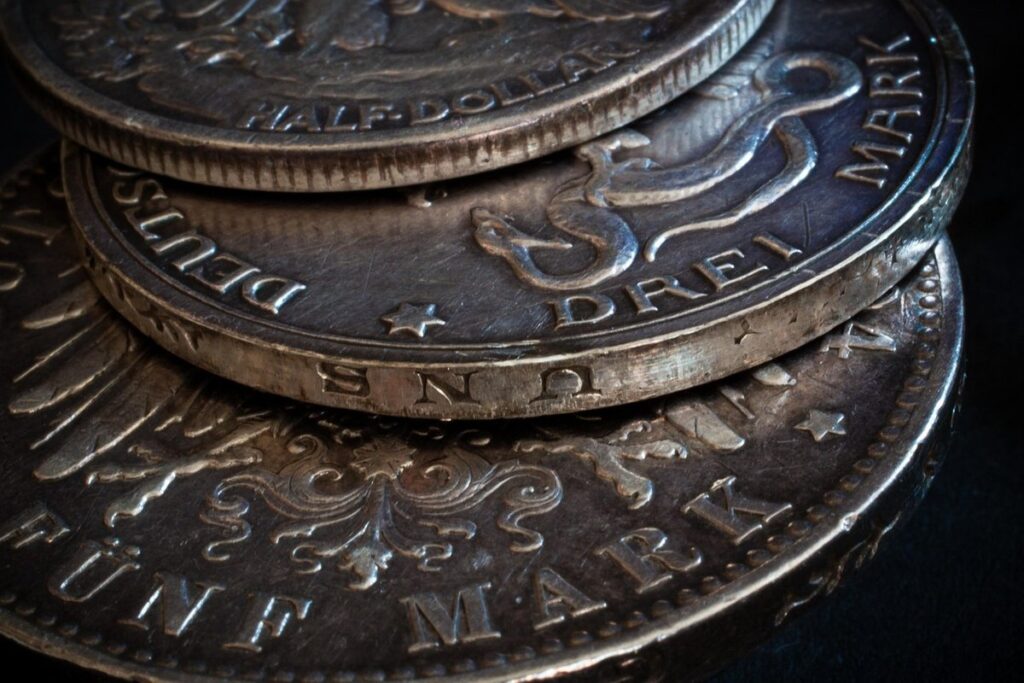
Understanding Silver Marks and Their Importance
Understanding silver marks is crucial for determining a piece’s authenticity, value, and age. Let’s break down what you need to know about these tiny yet significant markings.
What Are Silver Marks?
Silver marks are distinctive markings found on silver items that provide essential information about their composition, age, and authenticity. These marks serve as a way for manufacturers to identify the metal content of their products, ensuring compliance with industry standards.
The primary purpose of silver marks is to indicate the percentage of silver present in an item, usually expressed as a combination of numbers and letters, such as “925” or “.800”. This notation signifies that the piece contains 92.5% (or 80%) silver content, respectively. The remaining percentage is typically made up of other metals like copper.
Recognizing silver marks is crucial for several reasons: it helps consumers make informed purchasing decisions, ensures authenticity, and facilitates valuation. For instance, a vintage silver necklace marked “925” can be easily identified as genuine, while an item without any mark may raise suspicions about its composition.
To identify silver marks effectively, familiarize yourself with common markings and abbreviations used in various regions. This knowledge will enable you to verify the authenticity of silver items, making it easier to appreciate their value and history.
Types of Silver Marks and Their Origins
When examining silver marks, you’ll come across various types of markings that provide valuable information about the piece’s origin and authenticity. One common type is the hallmark, a symbol indicating where the item was made. For instance, the British Assay Office assigns hallmarks to pieces stamped with certain marks like ” lion passant” or “anchor”, denoting their sterling silver content.
Another key type of mark is the maker’s mark, which identifies the craftsman who created the piece. This can range from a simple monogram to an elaborate signature, offering insight into the artisan’s background and skill level. Assay marks, on the other hand, signify that the item has been tested for purity and meets certain standards. They often feature symbols like a leopard’s head or “lion rampant” and are usually found in conjunction with hallmarks.
These markings are not only aesthetically pleasing but also convey significant historical context about the piece. By understanding their origins and meanings, collectors can gain a deeper appreciation for the craftsmanship and cultural significance of silver pieces.
Identifying Silver Marks: A Step-by-Step Approach
Now that you know what silver marks look like, let’s dive into a step-by-step approach to identify them and unlock their secrets. This process is easier than you think!
Inspecting the Item: What to Look For
Inspecting the item thoroughly is a crucial step in identifying silver marks. Before you start searching for those telltale signs of sterling silver, take a moment to appreciate the item’s overall condition. Hold it in your hands and give it a gentle turn to get a sense of its weight and balance. Silver items are often denser than their base metal counterparts, so if it feels substantial and well-balanced, that’s a good sign.
Next, examine the item’s size and shape. Sterling silver is commonly used for flatware, decorative pieces, and jewelry, so consider what type of object it might be. Take note of any visible signs of wear or damage, such as scratches, dents, or corrosion. These can give you clues about the item’s age, usage, and potential restoration history.
Also, pay attention to any hallmarks or maker’s marks that may be present. While we’ll discuss these in more detail later, they’re often indicative of sterling silver quality and authenticity. For now, simply take a moment to appreciate the item’s overall presence and get a sense of its story before diving deeper into its markings.
Understanding Hallmarks and Their Meaning
Deciphering hallmarks on silver items can seem intimidating at first, but with practice and knowledge of the different types, it becomes more accessible. There are two primary types of marks: town marks and maker’s marks. Town marks indicate where the item was made, while maker’s marks signify who crafted the piece.
Town marks typically appear in a specific area on an item, such as near the handle or foot of a spoon. They can be in the form of letters or initials that correspond to a particular region, like Birmingham (B) or London (L). Maker’s marks often resemble signatures and may feature the craftsman’s name, initials, or symbol.
When examining hallmarks, pay attention to their placement on the item as well as any accompanying symbols. For instance, a lion passant indicates that the silver content is 925 (sterling), while a crown indicates 800 ( Britannia) or sometimes 750. A combination of marks can provide more information about the piece’s origin and authenticity.
Practicing with examples will help you become more familiar with hallmarks.
Deciphering Silver Mark Systems: A Regional Guide
Silver marks can vary significantly depending on where you are in the world, so let’s break down some regional differences that’ll help you decipher them correctly.
British Silver Marks: A Brief History and Explanation
In 1478, King Edward IV introduced hallmarking to Britain, establishing the first comprehensive system of silver marks. This legislation required that all sterling silver items be marked with a hall mark at the Assay Office in London, marking the beginning of a centuries-old tradition.
Over time, distinct regional systems emerged, reflecting the cultural and historical nuances of different parts of England. For example, while Birmingham and Sheffield developed their own unique hallmarking styles, the East Midlands retained a more traditional approach. To accurately identify British silver marks, it’s essential to understand these regional differences.
In particular, look for hallmarks such as the Birmingham Assay Office mark (two running lions passant), which dates back to 1773, and the Sheffield Assay Office mark (a crown over a rose), introduced in 1843. By recognizing these distinct marks, you can gain valuable insight into an item’s origin and authenticity.
When examining British silver marks, pay attention to the presence of various hallmark symbols, including maker’s marks, date letters, and town marks. These subtle details can reveal the piece’s history and craftsmanship, allowing you to make informed decisions when purchasing or appraising silver items.
European Silver Marks: Similarities and Differences
When exploring European silver marks, you’ll notice that various countries have developed their own systems to denote sterling quality and authenticity. While some similarities exist between these mark systems, there are also notable differences.
For instance, Germany’s “800” mark is a common sight on silver items, indicating the metal content meets or exceeds 800/1000 fine silver requirements. However, it’s worth noting that this mark was not mandatory until 1906, and pre-1906 pieces may lack the mark altogether. In contrast, French silver marks typically feature a combination of letters and numbers, such as “Ag” for silver or “Argent” accompanied by a numerical value. Italian marks often include a crown or other symbols to indicate the presence of precious metals.
To differentiate between these marks, collectors and enthusiasts must familiarize themselves with each country’s system. One practical approach is to consult reference guides specific to each region, such as the “Gemeinschafts-Siegel” for German silver or the French “Marque d’Argent.” By doing so, you’ll be better equipped to identify the authenticity and quality of European silver items.
Advanced Techniques for Identifying Silver Marks
Now that you’re familiar with basic silver mark identification, it’s time to dive into advanced techniques that will take your skills to the next level. We’ll explore specialized methods for spotting rare and subtle marks.
Using Reflected Light to Examine Hallmarks
When examining silver marks, it’s not uncommon for hallmarks to be hidden from view. This can make identification challenging, but using reflected light is a technique that can help reveal these markings. By shining a light at the correct angle, you can illuminate areas that would otherwise remain obscured.
To use reflected light effectively, position yourself so that the light source is at an angle of around 45 degrees to the item being examined. This allows the light to bounce off the surface and into any recessed or hidden areas where hallmarks may be located.
For example, on a silver spoon with a recessed area near the handle, shining a light from this angle can help reveal markings that might otherwise be invisible. Similarly, when examining a piece with intricate engravings, using reflected light can help highlight subtle details and patterns that might aid in identification.
Experimenting with different lighting angles can also help you determine which approach works best for your specific item.
Analyzing the Item’s Construction and Materials
When examining an item for silver marks, don’t overlook its construction and materials. These aspects can provide valuable clues about its authenticity. For instance, sterling silver items typically have a specific type of alloy that sets them apart from other metals. Look for the presence of copper or zinc, which are common additives in sterling silver.
Observe how the item is constructed. Is it solid or hollow? Are there visible seams or joints? Sterling silver items often feature intricate details and patterns that require careful craftsmanship. If an item appears hastily assembled or lacks attention to detail, it may be a red flag for authenticity.
Additionally, examine any repairs or alterations made to the item. Inspect the soldering points, glue marks, or other signs of restoration. While some restorations can be legitimate, others may indicate that the item has been tampered with or altered to conceal its true origin.
Common Mistakes to Avoid When Identifying Silver Marks
When trying to identify silver marks, it’s easy to fall into common traps that can lead to misidentification and costly mistakes for you as a collector. Here are some pitfalls to watch out for.
Misinterpreting Hallmarks: A Cautionary Tale
When interpreting silver marks, it’s easy to get caught up in the excitement of discovery and misinterpret the information. One common mistake is misreading the mark itself. This can be due to a variety of factors, including poor lighting, a dirty or worn surface, or simply not taking the time to study the mark carefully.
For instance, the British “sterling” hallmark often looks similar to other marks, such as those indicating 900 or 800 silver content. To avoid mistaking one mark for another, take a close look at the specific characteristics of each. The sterling mark typically features a lion passant guardant within a shield, whereas the 900 mark features an anchor.
Another common mistake is failing to consider the context in which the piece was made. Was it produced during a time period when silver content regulations were strictly enforced? Or did the maker have some flexibility in their marking practices? Understanding the historical and cultural context of the mark can help you accurately interpret its significance.
Ignoring Provenance and Documentation
When researching and verifying the authenticity of an item with silver marks, it’s easy to overlook one crucial aspect: its provenance and documentation. However, this information is essential in confirming whether a mark is genuine or not.
Provenance refers to the item’s history of ownership, exhibition, or publication. Documentation, on the other hand, includes any records, certificates, or appraisals that provide evidence of the item’s authenticity. Both these factors can significantly impact your ability to identify silver marks accurately.
For instance, if you’re examining a piece with a rare mark, but it lacks documentation and provenance, its value could be compromised. Conversely, an item with a common mark may be more valuable if it has a clear history of ownership from a reputable collector or dealer.
Always research the item’s past and look for any supporting documents before making conclusions about its silver marks. This can involve contacting previous owners, checking exhibition records, or verifying certificates of authenticity. By considering the item’s provenance and documentation, you’ll be better equipped to identify silver marks with confidence.
Conclusion: Putting It All Together
Now that we’ve broken down the different types of silver marks, let’s summarize what you’ve learned and put your new skills to use in your next treasure hunt.
Recap of Key Takeaways
As you’ve made it through our comprehensive guide on identifying silver marks, let’s take a moment to recap the key takeaways. To successfully identify silver marks, you should first know what to look for and where to find it. We discussed the importance of examining the metal’s surface, particularly under magnification or with specialized tools like jeweler’s loupes.
You’ve learned about the various types of silver marks, including hallmarks, stamps, and signatures, and how they can provide valuable information about a piece’s authenticity and value. You now understand how to identify different metals, including sterling silver (92.5% silver), fine silver (99.9% silver), and electroplated or plated silver.
Remember to examine the craftsmanship and quality of the piece as well, as this can also be an indicator of its authenticity. With practice and patience, you’ll become proficient in identifying silver marks and be able to make informed purchasing decisions or assess your existing collection’s value. Keep these key techniques in mind, and you’ll be well on your way to becoming a confident silver mark identifier.
Final Tips for Identifying Silver Marks with Confidence
As you’ve completed this comprehensive guide on identifying silver marks, it’s essential to note that practice makes perfect. To build confidence in your ability to accurately identify silver marks, try practicing with sample items. You can start by collecting and examining various pieces of antique or vintage silverware from friends, family members, or thrift stores. Practice using the techniques outlined in this guide, taking careful notes and photographs for future reference.
Regularly update your knowledge by following reputable sources, such as online forums, blogs, and academic journals dedicated to silver collecting and antiques. Stay informed about new research, discoveries, and any changes in identification methodologies. This will enable you to refine your skills and adapt to emerging trends. Consider joining online communities or attending workshops to network with fellow collectors and learn from their experiences.
By following these steps, you’ll be well-equipped to tackle even the most challenging silver marks with confidence.
Frequently Asked Questions
Can I still identify silver marks if the item is old or worn?
Yes, it’s possible to identify silver marks on old or worn items, but you may need to use additional techniques such as using a magnifying glass or specialized light source. Be cautious of worn-out hallmarks that can be easily misinterpreted.
What if I’m not sure what type of metal I have – how do I determine its authenticity?
To determine the authenticity of your silver item, look for any visible marks or stamps on the piece. If you’re still unsure, consider consulting a professional appraiser or using a jeweler’s loupe to examine the item more closely.
Are all sterling silver items marked with 925?
No, not all sterling silver items are marked with 925. While this is a common marking for sterling silver (92.5% silver), other countries may use different markings such as “900” or “.800”. Be aware of regional variations in silver mark systems.
Can I use online resources to help me identify silver marks, or is it better to consult a book or expert?
While online resources can be helpful, consulting a reputable book or expert in the field is often more reliable for accurate identification. Online resources may not always provide up-to-date information or be specific to your item’s region of origin.
What if I find multiple silver marks on an item – how do I determine which one takes precedence?
If you find multiple silver marks on an item, it’s essential to understand the context and history behind each mark. In general, the most prominent or recent marking is likely to be the most relevant. Consult a professional appraiser for guidance if you’re unsure.