
Spotting the International Space Station (ISS) in the night sky is an exciting experience that can be enjoyed by anyone, regardless of their astronomical knowledge. If you’ve ever been out on a clear evening and wondered about those bright lights moving across the horizon, this guide is for you! With the right equipment and some basic understanding of the ISS’s orbit and visibility, you can spot this marvel of engineering and appreciate its significance in our modern world.
This comprehensive guide will cover everything you need to know to start spotting the ISS, from choosing the right binoculars or telescope to understanding the safety precautions you should take when viewing the station. We’ll also delve into the factors that affect the ISS’s visibility, such as lunar cycles and light pollution. Whether you’re an avid stargazer or just curious about the cosmos, this article will equip you with the knowledge to successfully spot the ISS in your night sky.
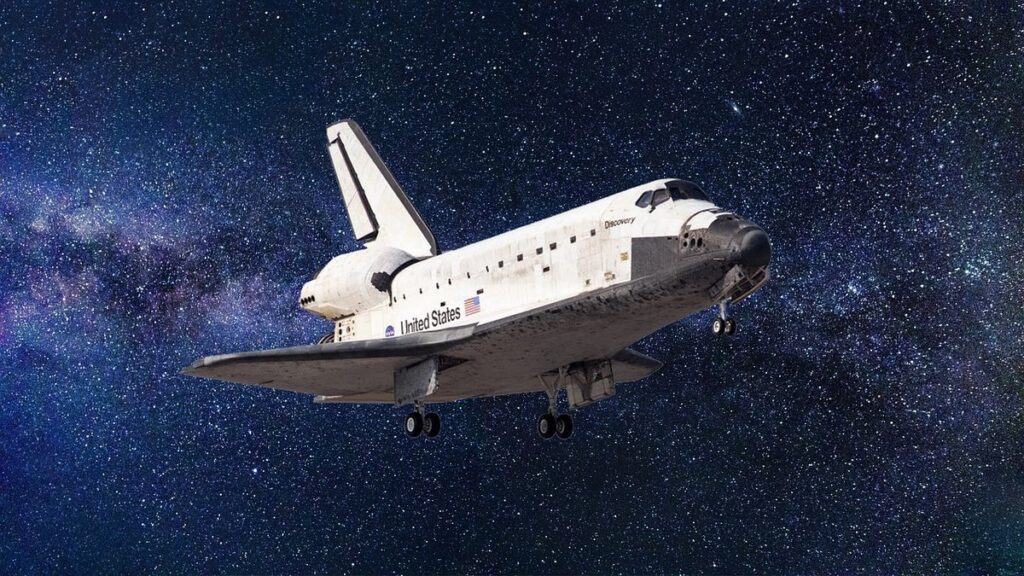
What is the ISS and Why Should You Care?
Let’s start by diving into the basics: what exactly is the International Space Station, and why should you care about seeing it from Earth?
History of the ISS Program
The history of the International Space Station (ISS) program is a fascinating tale of international cooperation and determination. Launched in 1998, the ISS was conceived as a collaborative effort between space agencies around the world to create a habitable laboratory in low Earth orbit. The primary purpose of the ISS is to serve as a research facility for scientists, allowing them to conduct experiments that wouldn’t be possible on Earth.
Today, the ISS is a symbol of what can be achieved through international cooperation. With modules contributed by countries like Russia, Japan, Canada, and the United States, the ISS has become an iconic representation of global unity in space exploration. The ISS has also played a significant role in advancing our understanding of the effects of microgravity on living organisms, developing new technologies for space travel, and providing a platform for testing equipment and procedures for future deep space missions.
By recognizing the ISS’s significance as a symbol of international cooperation, we can appreciate its importance not just as a research facility but also as a representation of humanity’s collective ambition to explore the cosmos.
Benefits of ISS Research for Humanity
The International Space Station (ISS) is more than just a marvel of engineering that can be spotted from Earth. It’s a floating laboratory where scientists conduct vital research that benefits humanity as a whole. From the wonders of astronomy to the intricacies of biology, the ISS serves as a platform for groundbreaking experiments that have far-reaching implications.
For instance, the Alpha Magnetic Spectrometer (AMS) on board the ISS has been studying cosmic rays since 2011, providing valuable insights into dark matter and antimatter. The European Space Agency’s Columbus laboratory is dedicated to plant biology research, where scientists are investigating how plants adapt to microgravity environments. Meanwhile, the NASA’s Fluids Physics Facility is exploring the behavior of fluids in space, which has applications for everything from spacecraft design to medical equipment.
These experiments not only advance our understanding of the universe but also improve life on Earth. By studying the effects of microgravity on living organisms and materials, scientists can develop new technologies and treatments that benefit people back home. As you spot the ISS in the night sky, remember that it’s not just a passing satellite – it’s a hub for humanity’s pursuit of knowledge and innovation.
Preparing for ISS Spotting: Equipment and Knowledge
To successfully spot the International Space Station, you’ll need a few essential tools and some basic knowledge of astronomy to help you track it. Let’s get started with what equipment and expertise are required for ISS spotting.
Choosing the Right Binoculars or Telescope
When it comes to ISS spotting, having the right equipment can make all the difference. Binoculars and telescopes are two of the most popular options for observing the International Space Station from Earth.
For binoculars, look for a pair with good magnification power (7x or 10x) and a wide field of view (around 300-400 feet). Some popular options include the Celestron Skymaster 15×70 and the Nikon 10×70 A2116. When choosing binoculars, also consider factors like weight, size, and eye relief.
Telescopes offer higher magnification power and better image quality than binoculars. Reflector telescopes are a good choice for ISS spotting due to their portability and affordability. Some popular options include the Celestron FirstScope 114 and the Meade Instruments Infinity 102mm AZ Refractor Telescope. When choosing a telescope, consider factors like aperture size (at least 60-80mm), focal length, and ease of use.
Remember, the key to successful ISS spotting is being able to track the station’s movement and adjust your equipment accordingly. Practice makes perfect, so don’t be discouraged if you don’t spot the ISS right away. Start by researching the station’s orbital path and schedule, then practice tracking it with your chosen equipment.
Understanding Space Station Orbits and Visibility
The International Space Station (ISS) orbits our planet at an incredible 17,500 miles per hour, completing one rotation every 90 minutes. Its orbit pattern is a low Earth orbit, which means it passes over specific locations on the globe multiple times each day. However, its visibility from these locations is limited due to factors like atmospheric conditions and light pollution.
To track the ISS’s orbit and predict its visibility, you can rely on online resources like NASA’s Spot the Station or Heavens-Above. These websites provide detailed information about the ISS’s location and schedule for specific times and dates. For example, if you enter your location on Spot the Station, it will give you a predicted pass time and direction of the ISS.
Understanding the ISS’s orbit pattern is essential for spotting it successfully. Keep in mind that its visibility can change from one day to another due to factors like weather conditions or solar activity. By using online resources and tracking the ISS’s location, you’ll be able to catch this incredible sight and appreciate the ingenuity of human space exploration.
When and Where to Spot the ISS
To spot the International Space Station, you need to know when it’s passing over your location and where to look. We’ll cover the timing and visibility of ISS passes worldwide.
Best Times for ISS Observations
When planning to spot the ISS, it’s essential to consider the timing and location. The station’s visibility is affected by its orbit, which takes approximately 90 minutes to complete. To maximize viewing opportunities, observe the ISS during its passes over your location.
For viewers in the Northern Hemisphere, the best times for ISS observations are typically between 9 PM and 11 PM local time, when the station is visible for longer periods. Conversely, those in the Southern Hemisphere should look out between 4 AM and 6 AM. However, these are general guidelines and can vary depending on your specific location.
Keep in mind that weather conditions can significantly impact visibility. Clear skies and low humidity are crucial for optimal viewing. Try to spot the ISS during periods of stable weather. Additionally, consider using online tools or mobile apps to track the station’s passes over your area and receive alerts when it becomes visible. This will help you plan and make the most out of your ISS spotting experience.
Locations with Optimal Viewing Opportunities
When you’re trying to spot the ISS, it’s essential to have a clear view of the night sky. That’s why certain locations stand out as optimal for ISS spotting. These places typically offer minimal light pollution, making it easier to see the station as it orbits Earth.
Some popular locations for ISS viewing include remote areas with low population density, such as national parks or rural towns. For instance, Big Bend National Park in Texas, USA, is renowned for its exceptionally dark skies. Similarly, certain parts of New Zealand’s South Island are known for their minimal light pollution.
Another factor to consider when choosing a location is elevation. Areas at higher altitudes tend to have clearer views of the sky due to reduced atmospheric interference. In fact, data from NASA suggests that observers at elevations above 1,000 meters can expect up to 30% better visibility than those at sea level.
Safety Precautions and Best Practices
When observing the ISS, it’s essential to follow some basic safety precautions to ensure you get a great view without putting yourself or others at risk. Let’s take a look at what you need to do.
Observing the ISS Safely
When using binoculars or telescopes to spot the ISS, safety considerations should never be overlooked. This is especially true when gazing upwards at high altitudes for extended periods. First and foremost, protect your eyes with proper eyewear. Choose glasses that block 100% of UV and IR radiation; a good pair will also have scratch-resistant coatings.
Next, consider investing in a sturdy tripod to stabilize the binoculars or telescope. This will prevent fatigue from holding steady during long observations. Tripods can also help reduce the risk of accidents, as they keep your equipment stable and secure.
Remember to observe the ISS when it’s at its best viewing time – typically 30 minutes after sunset or before sunrise, when the sky is dark but still clear. These conditions will provide optimal visibility for spotting the space station.
Always be aware of your surroundings and adjust the binoculars or telescope as needed to maintain a safe and stable position. Finally, never leave children unattended during ISS viewing sessions, as they may unintentionally bump into the equipment or obstruct their own view.
Responsible Stargazing and Community Engagement
As you continue to explore the skies and spot the ISS, we encourage you to take it to the next level by connecting with fellow stargazers and contributing to a broader community of space enthusiasts. Joining online forums, social media groups, or local astronomy clubs is an excellent way to share your observations, learn from others, and gain valuable insights.
When sharing your ISS spotting experiences, be sure to include details such as the date, time, location, and any notable features you observed. This information can help scientists and space agencies refine their tracking systems and better understand our planet’s orbital patterns. By engaging with online communities, you’ll also have access to expert advice, live feeds of upcoming ISS passes, and real-time updates on astronomical events.
To promote space-related education, consider organizing stargazing events in your neighborhood or local park. Invite friends, family, and community members to join you for a night of gazing at the stars, and use this opportunity to share fascinating facts about the ISS and its mission. This approach not only fosters a sense of shared wonder but also helps demystify complex scientific concepts, making them more accessible to people from all walks of life.
Tips for Photographing the ISS
To capture stunning images of the ISS, you’ll want to consider a few key tips to help you photograph it safely and effectively from your location. Consider investing in a tripod and wide-angle lens for the best results.
Capturing Clear Images of the Space Station
When attempting to capture clear images of the ISS with your smartphone or camera, it’s essential to understand that the space station is approximately 250 miles (400 km) above the Earth. This distance and the rapid movement of the ISS across the sky can make photography challenging.
To increase your chances of getting a clear shot, use a tripod to stabilize your camera or phone. A longer focal length lens or a telephoto attachment can also help magnify the space station without introducing excessive blur from hand-held shots.
In terms of camera settings, set your ISO as low as possible (preferably 100) and choose an aperture between f/4 and f/5.6 for optimal brightness while minimizing diffraction effects. For smartphones with manual controls, adjust the exposure compensation to +1 or +2 stops to brighten up the image.
When editing the photos, reduce noise by applying a slight sharpening effect without overdoing it. You can also tweak the white balance to ensure accurate color representation.
Creative Ways to Showcase ISS Photography
Once you’ve captured that perfect shot of the ISS, it’s time to showcase your photography skills. Here are some creative ways to display and share your ISS images:
Consider creating a gallery on platforms like 500px or Flickr, where you can curate your best shots and make them easily accessible to others. You could also turn your favorite image into a stunning print or poster, perfect for decorating a home office or bedroom.
If you’re feeling artistic, try converting your photo into an illustration or infographics using design tools like Adobe Illustrator or Canva. This will give your image a unique twist and allow you to visualize the ISS’s trajectory in a more engaging way.
Another idea is to create a time-lapse video showcasing multiple passes of the ISS over different locations. Use software like Adobe Premiere Pro or Final Cut Pro to stitch together your photos, adding music and text overlays for a captivating effect.
Lastly, why not share your photography skills by teaching others how to spot and photograph the ISS? You could write a tutorial or blog post sharing your expertise, complete with tips on where to find the best viewing locations and when to expect optimal viewing conditions.
Conclusion: Join the Community of ISS Spotters
You’ve made it through the guide, and now it’s time to join a community of fellow space enthusiasts who share your passion for observing the International Space Station! We invite you to connect with like-minded individuals.
Encouragement to Continue Spotting the ISS
As you conclude your ISS spotting journey, it’s essential to remember that every observation contributes significantly to humanity’s understanding of our universe. The research conducted onboard the ISS has far-reaching benefits, from advancing life support systems for long-duration space missions to improving crop yields on Earth.
The ISS serves as a vital platform for scientists to study the effects of microgravity on various aspects of human health and technology. For instance, experiments on board have led to breakthroughs in cancer treatment, bone density loss prevention, and even the development of more efficient solar panels. These findings will be crucial in planning future deep space missions.
The value of your observations goes beyond scientific research. Every report you submit helps astronomers track the ISS’s orbit and improve its operational efficiency. This information is also vital for determining the optimal viewing times and locations for amateur spotters like yourself. By continuing to contribute, you become part of a global network that works together to advance our understanding of space.
To stay engaged, consider joining online forums or social media groups dedicated to ISS spotting. These communities share updates on upcoming launches, provide valuable tips for improving your observation skills, and offer opportunities to connect with fellow enthusiasts. Don’t be afraid to ask questions or request guidance from experienced spotters – we’re all learning together.
By maintaining an active role in the community, you’ll not only stay up-to-date on ISS-related news but also contribute significantly to its ongoing mission. So, don’t stop spotting yet! The journey has just begun, and your continued involvement will play a vital part in shaping our understanding of space for generations to come.
Frequently Asked Questions
What’s the Best Time to Start Learning About ISS Spotting?
Don’t worry if you’re new to astronomy; you can start learning about ISS spotting at any time of the year. However, it’s essential to familiarize yourself with the station’s orbit and visibility before the best viewing opportunities arrive. You can begin by checking online resources, such as NASA’s spotthestation website, for schedules and maps.
How Can I Share My ISS Photography on Social Media?
You’ve captured some amazing shots of the International Space Station – now it’s time to share them with the world! Choose a platform that aligns with your audience, like Instagram or Flickr. Use relevant hashtags, such as #ISSspotting or #spacephotography, and consider sharing tips or insights about your photography process.
What Happens if I Lose Sight of the ISS During Observation?
Losing sight of the ISS can be frustrating, but it’s not uncommon, especially for beginners. Don’t worry; you can try adjusting your viewing location or waiting a few minutes for the station to reappear in view. You can also refer to online resources or mobile apps that provide real-time tracking and predictions for optimal viewing.
Can I Spot the ISS with Just Binoculars?
Yes, it is possible to spot the ISS with binoculars, but you’ll need to use a pair with good magnification (7×50 or 10×50) and a stable tripod. Make sure you’re familiar with the station’s size and brightness relative to other celestial objects in your view.
How Can I Get Involved in Local Stargazing Communities?
Getting involved in local stargazing communities can enhance your ISS spotting experience and provide opportunities for networking, learning, and sharing knowledge. Look for online forums or social media groups focused on astronomy and stargazing in your area, or attend local astronomy club meetings to connect with like-minded enthusiasts.