
As an outdoor enthusiast, you’re likely familiar with the importance of preserving our natural environment for future generations. However, many of us may not be aware of the impact that our collecting habits can have on the very places we love to visit. Leave No Trace principles are a set of guidelines designed to minimize human impact on the environment, and they’re essential for responsible collecting. In this article, we’ll delve into the world of Leave No Trace collecting ethics, exploring what it means to collect sustainably and how you can make a positive difference with your actions. We’ll cover the core principles, including planning ahead, respecting wildlife habitats, and disposing of waste properly. By the end of this guide, you’ll have a comprehensive understanding of Leave No Trace collecting ethics and be equipped to enjoy the great outdoors while preserving its beauty for years to come.
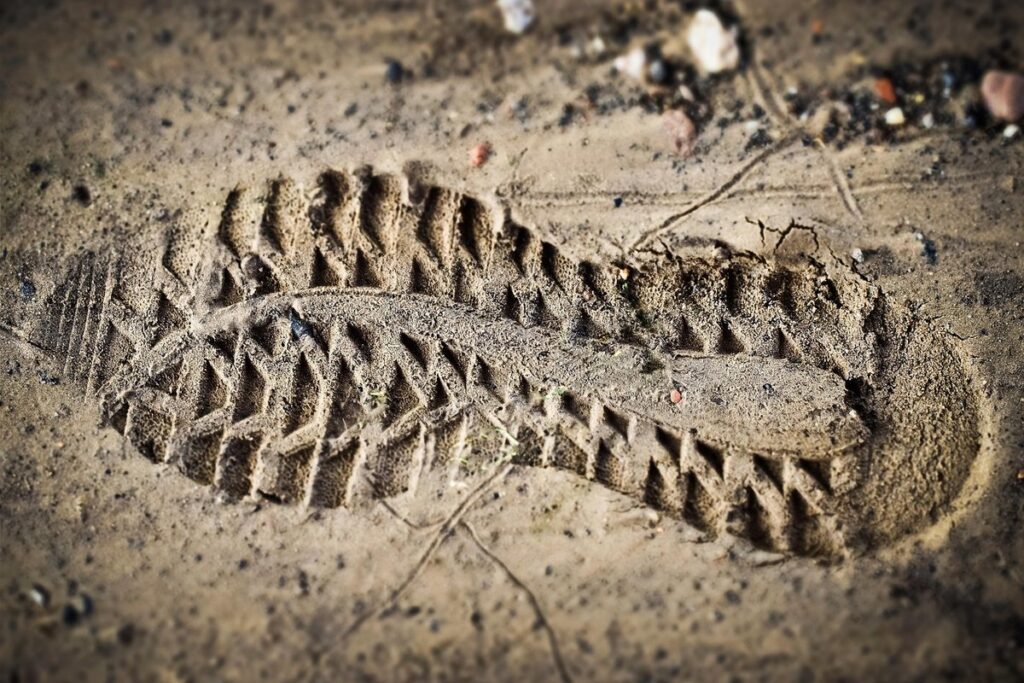
Understanding the Principles of Leave No Trace
Leave No Trace is a guiding philosophy that encourages responsible behavior when collecting, and it’s built on seven core principles designed to minimize our impact on the environment. Let’s break down what these principles mean for you as a collector.
The History and Purpose of Leave No Trace
The Leave No Trace movement has its roots in the 1990s, when a coalition of outdoor enthusiasts and conservationists came together to address the growing concern of human impact on the environment. The first Leave No Trace Center for Outdoor Ethics was established in 1994, with the goal of promoting responsible recreation practices. The core idea behind Leave No Trace is simple: to minimize our footprint and preserve the natural beauty of our surroundings.
Over time, the movement has evolved to address emerging issues such as climate change, over-tourism, and social responsibility. Today, the seven principles of Leave No Trace serve as a guiding framework for outdoor enthusiasts and organizations alike. By following these guidelines – Plan Ahead and Prepare, Travel and Camp on Durable Surfaces, Dispose of Waste Properly, Leave What You Find, Minimize Campfire Impacts, Respect Wildlife, and Be Considerate of Other Visitors – we can ensure that our recreational activities do not harm the environment or other users. By adopting these principles, we can all play a role in protecting our natural resources for future generations.
Defining the Seven Principles of Leave No Trace
The seven core principles of Leave No Trace are the foundation upon which all responsible collecting practices are built. These guidelines are designed to minimize our impact on the environment and preserve natural areas for future generations.
First and foremost, it’s essential to plan ahead and prepare by researching the area you’ll be visiting, checking the weather forecast, and packing accordingly. This includes bringing necessary gear, such as reusable containers and bags, to collect your finds in a responsible manner. When traveling and camping on durable surfaces, stick to designated trails and campsites to avoid damaging vegetation and soil.
Dispose of waste properly by packing out all trash and recyclables, including collecting materials you’ve already found. This includes keeping your collected items clean and dry to prevent damage and contamination. Remember to leave what you find – resist the temptation to collect sensitive plants, cultural artifacts, or rare species. When it comes to campfires, minimize their impact by choosing fire rings, keeping them small, and fully extinguishing them before leaving.
Respect wildlife by maintaining a safe distance and not feeding them, as this can alter their natural behavior. Be considerate of other visitors by yielding to hikers, keeping noise levels down, and staying on designated trails. By following these principles, you’ll be well on your way to becoming a responsible collector.
Planning Your Collecting Adventure with Leave No Trace in Mind
When preparing for a collecting adventure, it’s essential to plan ahead and consider how your actions will impact the environment. This includes being mindful of regulations, permits, and leave no trace principles.
Pre-Trip Research and Preparation
Before embarking on a collecting adventure, it’s essential to conduct thorough research and planning. This may seem like an obvious step, but it can make all the difference between a successful and enjoyable trip, and one that ends in disappointment or worse.
Start by studying local regulations regarding collecting. Familiarize yourself with any permits required, seasonal restrictions, and areas closed due to conservation efforts. A few minutes of research can save you hours of frustration and potential fines later on. For example, in some national parks, certain plant species are protected by law, and removing them can result in significant penalties.
Next, check the weather forecast for your destination. Inclement weather can not only make collecting conditions difficult but also increase the risk of accidents or getting lost. A quick glance at a reliable weather app can give you valuable insight into what to expect. Finally, research potential hazards such as steep terrain, wildlife habitats, and water crossings. Understanding these risks will help you prepare accordingly and take necessary precautions.
By investing time in pre-trip research and planning, you’ll not only ensure a safe and enjoyable collecting experience but also contribute to the preservation of natural environments for future generations.
Choosing the Right Location for Collecting
When selecting a location for collecting, it’s essential to prioritize areas that minimize environmental impact while ensuring a safe and enjoyable experience. Avoid sensitive habitats such as wetlands, wildlife refuges, or protected park areas where collecting can cause irreversible harm.
Instead, opt for locations with minimal vegetation, rocky outcroppings, or sandy shores where collecting is less likely to disrupt the ecosystem. Consider visiting remote areas with little foot traffic to minimize the risk of over-collecting and preserve the site’s natural beauty.
Before heading out, research the location to ensure it allows collecting activities. Familiarize yourself with local regulations, permits required, and any designated collecting areas. When possible, choose locations that are easily accessible by car or on foot to reduce the impact of transportation on the environment.
Some excellent options for responsible collecting include beaches, rocky shores, and dry washes where materials like rocks, shells, or fossils can be collected without harming the surrounding ecosystem.
Minimizing Your Impact: Techniques for Leave No Trace Collecting
As you strive to collect responsibly, it’s crucial to adopt techniques that minimize your footprint and preserve these natural areas for future generations to enjoy. This section shares practical tips on achieving a “leave no trace” approach.
Reducing Waste and Litter
When it comes to collecting items in the wild, reducing waste and litter is an essential aspect of leave no trace ethics. One of the simplest ways to minimize your impact is by using reusable containers. Instead of packing small items like rocks or shells in individual plastic bags, consider bringing a few large containers with you on your collection trip. This not only reduces plastic waste but also makes it easier to sort and transport your finds.
Another crucial strategy for minimizing waste is packing out trash. This means taking all the garbage you collect back with you when you leave the site, rather than leaving it behind or dumping it in a nearby receptacle. When collecting items like bottles or cans, be sure to crush them first to save space and make them easier to transport.
Avoiding single-use plastics is also key to reducing waste in the field. Opt for reusable bags or containers instead of relying on plastic bags, and choose water filters or refillable containers over disposable ones. By making a few simple changes to your collecting habits, you can significantly reduce your impact on the environment and contribute to a more sustainable future.
Campfire Safety and Management
When it comes to leave no trace collecting, campfire safety is often overlooked despite being a crucial aspect of responsible collecting. The right management of campfires can not only ensure the well-being of you and your fellow collectors but also protect the environment.
To start, choose a spot for your campfire that’s at least 15 feet away from any flammable materials, such as trees or dry leaves. Avoid areas with low-hanging branches or overhanging roots, which could potentially ignite during strong winds. A flat, solid surface is ideal – if you’re in a forested area, look for a designated fire pit or ring.
Next, build a fire ring using rocks to contain the flames and heat. This not only helps prevent fires from spreading but also keeps sparks and embers contained. When it’s time to extinguish your campfire, make sure to fully douse it with water, stirring the ashes to ensure everything is cold. Once you’re certain the fire has been fully extinguished, leave it as you found it – a cold, dark spot in the ground.
Respecting Wildlife and the Environment
When collecting rocks, minerals, or fossils, it’s essential that we not only respect the land but also consider the impact our actions have on local wildlife and their habitats. We’ll explore some key considerations for minimizing your footprint.
Keeping a Safe Distance from Wildlife
When venturing into nature to collect plants, minerals, or other materials, it’s crucial to maintain a safe distance from wildlife. This not only protects you from potential harm but also helps prevent disturbing the animals’ natural behavior and habitat.
Feeding or baiting wildlife can have severe consequences, including habituation and aggression towards humans. For instance, in areas where bears are fed by humans, they may lose their fear of people, leading to increased attacks on both humans and other wildlife. To avoid this, never feed or leave food out for animals, even if it’s meant as a gesture of kindness.
A safe distance from wildlife is generally considered 25-30 feet (7.6-9.1 meters), but it’s best to err on the side of caution and keep your distance until you’re sure it’s safe to approach. If you notice any animals, such as bears or snakes, in the area where you plan to collect materials, choose an alternative location to avoid interacting with them.
By keeping a safe distance from wildlife, we can help preserve their natural behavior and prevent unnecessary conflicts. This is an essential aspect of leave no trace collecting ethics, which prioritizes minimizing human impact on the environment while still allowing for responsible collection practices.
Protecting Plants and Fungi
When collecting plants and fungi, it’s essential to prioritize their protection and preservation. Rare or endangered plant species can be identified by consulting field guides, speaking with local experts, or using online resources. Be cautious of lookalike species that may resemble the one you’re seeking, as misidentification can lead to unintentional harm.
To minimize damage to habitats when collecting fungi, avoid areas with sensitive ecosystems, such as old-growth forests or rare plant communities. When collecting in a designated area, follow local regulations and guidelines for sustainable collecting practices. This might include using hand tools instead of machinery, avoiding areas with recent fires or disease outbreaks, and being mindful of invasive species.
When handling plants and fungi, be gentle to avoid causing unnecessary damage. If you’re unsure whether a species is rare or endangered, err on the side of caution and leave it in its natural habitat. By taking these precautions, you can help preserve plant and fungal populations for future generations while still enjoying the thrill of collecting.
Being Considerate of Other Visitors
When you’re out collecting, it’s easy to get caught up in the thrill of the hunt and forget that others may be enjoying the same area. Here’s how to be mindful of fellow visitors.
Minimizing Noise and Disruptions
When venturing into sensitive areas or exploring popular collecting spots, it’s essential to be mindful of other visitors and minimize noise levels to preserve their experience. This means being considerate not just of the environment but also of fellow collectors and enthusiasts.
To reduce disruptions, try using earplugs when examining specimens closely or engaging in quiet conversations with fellow collectors. Keep your voice down and avoid loud chatter, even when excited about a new find. Be respectful of others’ space and keep a safe distance from nearby visitors. If you’re in an area with sensitive wildlife, refrain from making excessive noise that might disturb them.
Additionally, be mindful of the timing of your visits. Avoid peak hours or areas where other collectors are congregating to minimize disruptions and preserve the tranquility of the environment. By being thoughtful and considerate of others, you not only contribute to a positive experience for fellow visitors but also help maintain the integrity of the collecting area. This simple approach goes a long way in ensuring that everyone can enjoy the experience without unnecessary disturbances or stress.
Respecting Private Property and Boundaries
When collecting in public or private areas, it’s essential to respect the property rights and boundaries of others. This means being mindful of the landowner’s wishes, even if you’re not directly interacting with them. Always check for posted signs or ask permission before entering a private property to collect materials.
Be aware that some private properties may have restrictions on collecting certain types of materials, such as plants, rocks, or fossils. Respect these boundaries and avoid trespassing onto restricted areas. If you’re unsure about the rules, it’s always best to err on the side of caution and seek permission before collecting.
In public areas, be aware of any designated collecting zones or restrictions. Some parks or nature reserves may have specific guidelines for collecting rocks, minerals, or other materials. Always check with park rangers or local authorities to ensure you’re following their rules.
Remember that respecting private property rights is not just a matter of avoiding fines or penalties – it’s also about being considerate of the landowner’s interests and preserving the integrity of the environment. By being mindful of these boundaries, you can collect materials while minimizing your impact on the ecosystem.
The Role of Regulations and Education in Leave No Trace Collecting
Effective leave no trace collecting relies heavily on proper regulations and education, which play a crucial role in protecting both people and the environment. Let’s explore how these factors shape our collecting habits.
Understanding Local Laws and Regulations
Staying informed about local laws and regulations is crucial when engaging in collecting activities. Before heading out to collect specimens, research the rules and regulations governing your area. Check with local authorities, such as park rangers, county offices, or online resources like government websites.
For instance, some species may be protected by law, while others might require permits for collection. Familiarize yourself with permit requirements, fees, and renewal processes to avoid fines or confiscation of your specimens. Additionally, consider the local regulations on collecting in certain areas, such as national parks, wildlife refuges, or private property.
Take the time to review the guidelines provided by reputable organizations like the International Union for Conservation of Nature (IUCN) or the Convention on International Trade in Endangered Species of Wild Fauna and Flora (CITES). These resources can provide valuable insights into international regulations that may apply to your collecting activities. By staying informed, you’ll not only comply with local laws but also contribute to responsible collecting practices that promote sustainability and conservation.
Promoting Leave No Trace Awareness and Education
Promoting Leave No Trace Awareness and Education is essential to preventing the degradation of natural areas where collecting takes place. As collectors, we must take responsibility for spreading awareness about the principles of Leave No Trace among our fellow enthusiasts and the general public.
One effective way to promote awareness is through partnerships with local organizations, educational institutions, or government agencies. By collaborating on events, workshops, or online platforms, we can reach a broader audience and create engaging content that highlights the importance of responsible collecting practices. For instance, consider hosting guided hikes, foraging walks, or collecting excursions where participants learn about Leave No Trace principles firsthand.
We should also leverage social media platforms to share informative posts, videos, or podcasts that showcase best practices in collecting while minimizing our impact on the environment. By doing so, we can inspire others to join us in adopting a Leave No Trace mindset and collectively contribute to preserving natural areas for future generations.
Remember, promoting awareness is not limited to grand gestures; it’s about making conscious choices in our daily lives as collectors. We should share knowledge with friends and family, provide resources on websites or blogs, or even lead by example by demonstrating responsible collecting practices in our communities.
Frequently Asked Questions
What are some common mistakes to avoid when implementing Leave No Trace collecting ethics?
When starting your collection journey, it’s essential to be aware of the potential pitfalls that can harm the environment. Some common mistakes include not planning ahead, disturbing wildlife habitats, and failing to dispose of waste properly. To avoid these errors, research local regulations, choose a suitable location, and follow proper waste management techniques.
Can I collect in areas where collecting is prohibited or regulated?
Yes, it’s crucial to respect private property boundaries and adhere to local laws and regulations regarding collection. Research the area you plan to visit and obtain necessary permits before starting your collection. Familiarize yourself with protected species and habitats to ensure responsible collecting practices.
How do I handle unexpected situations during my collecting trip, such as inclement weather or wildlife encounters?
In the event of unexpected situations, prioritize your safety and that of the environment. If caught in bad weather, seek shelter and reschedule your collection for a better time. When encountering wildlife, maintain a safe distance and avoid disturbing their habitats. Keep a first-aid kit on hand and know basic survival skills to handle emergencies.
What role does post-collection cleaning play in Leave No Trace collecting ethics?
Post-collection cleaning is an essential aspect of Leave No Trace principles. After completing your collection, thoroughly clean any tools or equipment used and dispose of waste properly. If you’ve disturbed the environment during collection, make a conscious effort to restore it to its original state.
How can I contribute to spreading awareness about Leave No Trace collecting ethics in my community?
You can promote Leave No Trace awareness by sharing educational resources with fellow collectors and advocating for environmental responsibility. Participate in local conservation efforts or join organizations that support sustainable collecting practices. Share your knowledge on social media platforms to inspire others to adopt responsible collecting habits.