
As a nature enthusiast, you’ve likely found yourself drawn to the beauty of the great outdoors, whether it’s collecting rare specimens or observing wildlife in their natural habitats. However, with great appreciation comes great responsibility. The truth is, many well-intentioned collectors and observers unintentionally harm the very environment they’re trying to appreciate. The seven essential Leave No Trace principles are designed to help you minimize your impact and respect the environment. By following these principles, you can ensure that your passion for nature doesn’t come at the cost of its preservation. In this article, we’ll explore each of the seven principles, from plan ahead and prepare to dispose of waste properly, and provide you with practical tips and advice for implementing them in your own collecting and observing practices, allowing you to enjoy nature responsibly.
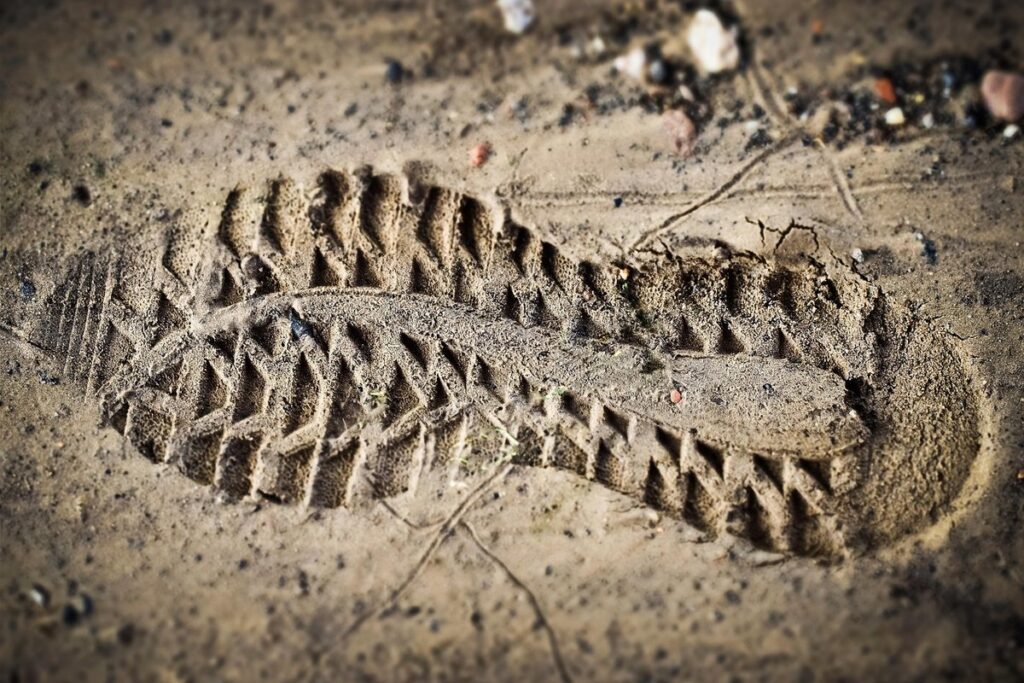
Understanding Leave No Trace Principles
Understanding the Leave No Trace principles is crucial for collectors and observers to minimize their impact on the environment and preserve natural areas for future generations to enjoy. Let’s explore the core principles that guide responsible collecting and observing.
Introduction to Leave No Trace
Leave No Trace principles are a set of guidelines designed to minimize human impact on the environment, particularly in natural areas. These principles are essential for collectors and observers to follow, as they help preserve the integrity of the ecosystem and ensure a sustainable experience for future generations. The seven Leave No Trace principles provide a framework for responsible behavior in the wild.
The seven principles are: plan ahead and prepare, travel and camp on durable surfaces, dispose of waste properly, leave what you find, be considerate of other visitors, respect wildlife, and minimize your impact on the environment. For collectors and observers, these principles are particularly relevant when it comes to respecting the environment and other visitors. For instance, when collecting, it’s essential to leave what you find and not disturb the natural habitat.
By applying these principles, collectors and observers can help maintain the balance of the ecosystem and preserve the natural beauty of the area. This is not only a moral obligation but also a practical one, as it ensures a safe and enjoyable experience for everyone involved. By following the Leave No Trace principles, collectors and observers can contribute to the long-term health of the environment.
The Seven Leave No Trace Principles
The seven Leave No Trace principles are the foundation of responsible collecting and observing. Let’s break down each principle to understand how to apply them in the field. Plan Ahead and Prepare involves researching the site, checking regulations, and planning your itinerary to minimize your impact. This includes knowing the local rules, weather forecast, and potential hazards.
Travel and Camp on Durable Surfaces means staying on designated trails and campsites to avoid damaging vegetation and soil. If you need to leave the trail, look for hard ground or dry rock. Dispose of Waste Properly requires packing out all trash, including food waste and human waste, and disposing of it in a designated area.
Leave What You Find is about not collecting or damaging any part of the environment, including plants, rocks, and artifacts. Minimize Campfire Impacts means using a portable stove or a campfire ring, and fully extinguishing the fire before leaving it unattended. Respect Wildlife involves keeping a safe distance, not feeding or approaching animals, and not disturbing their habitats. Be Considerate of Other Visitors requires being mindful of noise levels, staying on designated trails, and not disturbing other visitors.
Planning Your Collection or Observation
To minimize your impact on the environment, it’s crucial to plan ahead and consider the long-term effects of your collecting or observing activities. Start by assessing the site’s sensitivity and your own needs.
Researching and Choosing a Site
When researching a site for collecting or observing, it’s essential to consider accessibility, regulations, and potential environmental impacts. Start by checking local and national park regulations, as well as any permits or restrictions required. Some areas may be closed to collection or observation due to sensitive habitats, conservation efforts, or other reasons.
Consider the site’s accessibility, including the distance to the collection or observation area, terrain, and any necessary equipment or tools. A remote or hard-to-reach site can be just as problematic as an overcrowded one. For example, collecting in a sensitive alpine meadow can lead to erosion and damage to the delicate ecosystem.
Additionally, research the site’s environmental conditions, such as weather, climate, and potential hazards like flooding or wildfires. This will help you prepare for the conditions and minimize your impact. When possible, choose sites that are less visited or have been previously disturbed, allowing you to minimize your impact and focus on responsible collecting or observing.
Preparing for Your Collection or Observation
Before heading out to collect or observe, it’s essential to prepare thoroughly to ensure a safe and successful experience. Start by researching the site and its regulations. Familiarize yourself with any specific rules or restrictions, such as permits required or areas closed to collecting.
Check the weather forecast for the area and plan accordingly. Inclement weather can impact your collection or observation, and it’s crucial to be prepared for changing conditions. Pack layers of clothing suitable for the expected weather, including rain gear and warm layers for colder temperatures.
Next, gather the necessary equipment and gear. This may include bags, gloves, binoculars, or other specific tools depending on the type of collection or observation. Be sure to check the condition and quality of your gear to ensure it won’t cause unnecessary impact.
Finally, take the time to learn about the area’s ecosystem and potential hazards. Understand the types of plants, animals, and terrain you may encounter, and know how to respond in case of an emergency. This knowledge will not only help you navigate the site safely but also enable you to make informed decisions about your collection or observation.
Minimizing Your Impact
When collecting or observing in nature, minimizing your impact is crucial to preserving the very sites you’re drawn to. This is where thoughtful habits come into play, reducing your footprint and allowing the environment to thrive.
Reducing Your Footprint
When collecting or observing in natural areas, it’s essential to reduce your footprint to minimize disruption to the environment and wildlife. Staying on designated trails is a crucial first step. This helps prevent erosion, preserves vegetation, and reduces the risk of disturbing wildlife habitats. Be mindful of your surroundings and avoid taking shortcuts or creating new trails, as these can become permanent paths and alter the landscape.
Another key aspect is respecting plants and wildlife. Refrain from touching or damaging plants, as this can cause harm to the ecosystem and even lead to the spread of invasive species. Similarly, never collect protected species, as this can contribute to population decline and even extinction. Maintaining a safe distance from wildlife is also vital. This allows animals to feel secure and reduces the likelihood of disturbing their natural behavior.
When interacting with wildlife, keep in mind that even small actions can have a significant impact. For example, approaching a bird’s nest or feeding wildlife can alter their behavior and even lead to dependence on human food. By adopting a safe distance and respecting wildlife boundaries, you can help preserve the natural balance and minimize your impact on the environment.
Proper Disposal of Waste and Materials
When collecting or observing in the field, it’s essential to leave no trace behind. This includes taking all trash and recyclables with you when you leave, rather than leaving them behind for others to clean up. Pack out all disposable items, including food wrappers, water bottles, and packaging materials. If you’re collecting rocks, minerals, or other specimens, make sure to leave any broken or unwanted pieces behind, as they can become litter.
When it comes to personal hygiene, use biodegradable soap and toilet paper to minimize your impact on the environment. These products are designed to break down naturally and won’t harm plants or wildlife. If you need to use a bathroom, choose a spot far away from water sources and trails, and dig a small cathole (about 6-8 inches deep) to bury your waste. Make sure to cover it with soil and leave no sign of your visit.
Proper disposal of human waste is crucial to prevent the spread of disease and protect the environment. By following these simple guidelines, you can help preserve the beauty and integrity of the natural areas you visit. Remember, it’s not just about leaving no trash behind – it’s also about leaving no impact on the environment.
Respect for the Environment and Other Visitors
When interacting with the natural world, it’s essential to show consideration for the environment and other visitors, ensuring a positive experience for everyone involved. This means being mindful of your presence.
Respecting Wildlife and Their Habitats
Respecting wildlife and their habitats is a crucial aspect of leave no trace principles, especially for collectors and observers. When interacting with wildlife, it’s essential to maintain a safe distance to avoid stressing or disrupting their natural behavior. This means keeping a minimum of 25 feet (7.6 meters) away from animals, and never approaching or touching them. Feeding wildlife is also a significant threat to their health and well-being, as it can lead to dependency on humans and alter their natural foraging habits.
In addition to keeping a safe distance, it’s equally important not to damage or disturb their habitats. This includes avoiding sensitive or protected areas, such as nests, breeding grounds, or feeding areas. Never remove plants, rocks, or other materials from their habitats, as this can cause long-term damage. When observing wildlife, choose a spot that allows you to watch from a distance without disturbing them. This will not only protect the animals but also enhance your viewing experience. By respecting wildlife and their habitats, you can help preserve the delicate balance of ecosystems and ensure that future generations can enjoy these natural wonders.
Being Considerate of Other Visitors
When you’re out collecting or observing, it’s essential to be considerate of other visitors in the area. This means being mindful of your presence and how it may impact others. One crucial aspect of this is yielding to other visitors on trails. If you encounter someone coming from the opposite direction, step aside and let them pass, just as you would on a sidewalk. It’s also a good idea to yield to others who may be more vulnerable, such as families with young children or people with mobility issues.
Keeping noise levels down is another important consideration. Refrain from loud conversations, music, or other sounds that could disturb others. A good rule of thumb is to keep your voice at a level that would be acceptable in a quiet library. This means avoiding loud phone calls, whistling, or other attention-grabbing noises.
When encountering campsites or other activities, be respectful of the space and people involved. Avoid disturbing them with loud noises or by approaching their campsites. Instead, keep a safe distance and let them enjoy their time without interruption. By being considerate of other visitors, you can help create a positive and enjoyable experience for everyone involved.
Advanced Leave No Trace Techniques
For those with more experience, we’ll now discuss techniques that take leave no trace principles to the next level, refining your impact on the environment.
Using Minimalist Gear and Techniques
When it comes to using minimalist gear and techniques, collectors and observers can significantly reduce their environmental impact. One key area to focus on is cooking and heating equipment. Portable stoves are an excellent option, as they allow you to prepare meals without leaving behind a campfire’s aftermath. When choosing a portable stove, consider one with a windscreen, as this will help reduce fuel consumption and minimize the risk of fires spreading.
Another essential item to adopt is biodegradable soap and toilet paper. These alternatives may seem small, but they can greatly reduce the amount of non-organic waste left behind. For instance, if you’re collecting in a sensitive ecosystem, biodegradable soap can help prevent harm to aquatic life. When selecting biodegradable products, look for certifications like EPA Safer Choice or Nordic Swan, which ensure the product meets rigorous environmental standards.
When using these minimalist gear and techniques, remember to follow the principle of “travel and camp on durable surfaces.” This means choosing areas with compacted soil or rock, rather than sensitive vegetation. By being mindful of your gear and techniques, you can minimize your impact and preserve the natural environment for future collectors and observers.
Advanced Waste Management and Disposal
When it comes to managing human waste, collectors and observers have several advanced options to consider. One effective approach is using composting toilets, which break down human waste into a nutrient-rich fertilizer. These toilets are often used in remote areas where traditional sewage systems are not feasible. However, they require regular maintenance and monitoring to ensure proper functioning.
Another option is packing out human waste, which involves collecting and disposing of waste in a responsible manner. This method is often used in areas with sensitive ecosystems or where human waste could contaminate water sources. To pack out waste safely, use a portable toilet or a specialized container, and dispose of it in a designated receptacle or a bear-proof container.
To minimize waste impact, collectors and observers should also utilize recycling and composting facilities when available. These facilities can help reduce waste sent to landfills and minimize the environmental footprint of human activities. When selecting a facility, look for those that accept organic waste, recyclables, and hazardous materials, and follow the facility’s guidelines for proper disposal.
Conclusion and Final Thoughts
As we wrap up our exploration of Leave No Trace principles, let’s take a moment to reflect on what we’ve learned and how to apply it to our collecting and observing habits.
Recap of Leave No Trace Principles
When applying the Leave No Trace principles to collecting and observing, it’s essential to remember the core concepts that guide responsible behavior in nature. The seven Leave No Trace principles serve as a framework for minimizing your impact and respecting the environment.
Plan ahead and prepare by researching the site and choosing a location that can handle human activity. Be mindful of the time of day and avoid peak hours to minimize disruptions to wildlife and other visitors. Travel and camp on durable surfaces, and avoid sensitive habitats. Dispose of waste properly, using designated receptacles or packing out trash with you.
Respect wildlife and their habitats by keeping a safe distance and not feeding or approaching them. Be considerate of other visitors by staying on designated trails and keeping noise levels down. Finally, leave what you find, don’t collect it, and avoid damaging plants or features.
By following these principles, you can enjoy collecting and observing while minimizing your impact on the environment. Remember, the Leave No Trace principles are not just guidelines, but a necessary part of responsible collecting and observing.
Encouraging Responsible Collecting and Observing
As you continue to collect and observe, remember that responsible practices are a lifelong journey. Continuously learning and improving is essential to minimizing your impact on the environment. Stay informed about local regulations, new discoveries, and best practices in your field. Attend workshops, webinars, and conferences to expand your knowledge and network with like-minded individuals. Online forums and social media groups can also be valuable resources for sharing experiences and learning from others.
Sharing knowledge and experiences with others is a crucial aspect of responsible collecting and observing. By doing so, you can help disseminate best practices, raise awareness about the importance of conservation, and inspire others to adopt similar habits. Consider leading a guided tour or workshop, writing articles or blog posts, or creating educational videos to share your expertise with a wider audience.
Lastly, advocate for conservation and environmental protection by supporting organizations and initiatives that align with your values. Participate in citizen science projects, volunteer for local conservation efforts, or engage in policy discussions that impact the environment. Every small action counts, and collective efforts can lead to significant positive change.
Frequently Asked Questions
What if I see someone else not following Leave No Trace principles? Should I intervene?
Yes, it’s okay to politely remind others about the importance of Leave No Trace principles. You can discreetly point out the issue and suggest alternatives, but avoid confrontations. Remember to prioritize your own safety and well-being.
How can I adapt Leave No Trace principles for specific weather conditions, such as extreme heat or cold?
When planning your collection or observation, consider the weather forecast and adjust your plans accordingly. For extreme heat or cold, choose shaded areas or use sun protection, and pack warm clothing for cold weather. Be prepared to adjust your plans if the weather changes unexpectedly.
Can I use Leave No Trace principles for urban collecting or observing, such as in parks or nature reserves within cities?
Yes, the principles can be applied to urban settings as well. Be mindful of local regulations and rules, and always respect other visitors and the environment. Remember to dispose of waste properly and minimize your impact on the area.
What if I’m collecting or observing in an area with limited resources, such as no recycling facilities or no access to potable water?
When planning your collection or observation, research the area and prepare accordingly. Bring necessary equipment, such as water purification tablets or a portable stove, and be prepared to pack out all trash and recyclables. Be considerate of the limited resources and respect the environment.
How can I balance my desire for documentation with the need to minimize my impact on the environment?
When documenting your collection or observation, use minimalist gear and techniques, such as a camera or a notebook. Avoid damaging plants or disturbing wildlife, and keep a safe distance from them. Consider sharing your documentation with others, rather than keeping it for personal use, to spread awareness and promote responsible collecting and observing practices.