
When venturing into the great outdoors, being able to identify and track animals can be a thrilling experience. But did you know that measuring and photographing these tracks can also play a crucial role in conservation efforts? By accurately documenting animal tracks, researchers and scientists can gather valuable data on species behavior, habitat usage, and population trends. In this article, we’ll share expert methods for measuring, photographing, and analyzing animal tracks, covering essential equipment choices, techniques, and safety considerations to keep you safe while collecting data in the field. We’ll explore the importance of precise measurements and clear photographs, and provide step-by-step guidance on how to collect reliable data that can inform conservation efforts and help protect our planet’s precious wildlife.
Understanding the Importance of Track Identification
To become proficient in measuring and photographing animal tracks, it’s essential to first understand why identifying these signs is crucial for wildlife tracking. This knowledge will help you decipher their significance in the natural world.
Why Tracking Matters in Wildlife Conservation
Animal tracks are more than just footprints in the sand – they hold valuable information that’s crucial for effective wildlife conservation. In the realm of conservation efforts, tracking matters significantly as it allows us to monitor habitat health, identify species, and track migration patterns.
For instance, by analyzing animal tracks, researchers can gain insights into an ecosystem’s biodiversity. This helps them understand which species are thriving or struggling in a particular area, making it possible to design targeted conservation strategies. For example, studies have shown that tracking mountain lion tracks helped conservationists identify areas with high prey density, ultimately informing management decisions that benefit both predators and their prey.
Moreover, by monitoring migration patterns through track identification, scientists can better understand the routes taken by animals during seasonal migrations. This knowledge is vital for developing effective conservation plans that protect habitats and minimize human-wildlife conflicts.
Types of Tracks and How to Identify Them
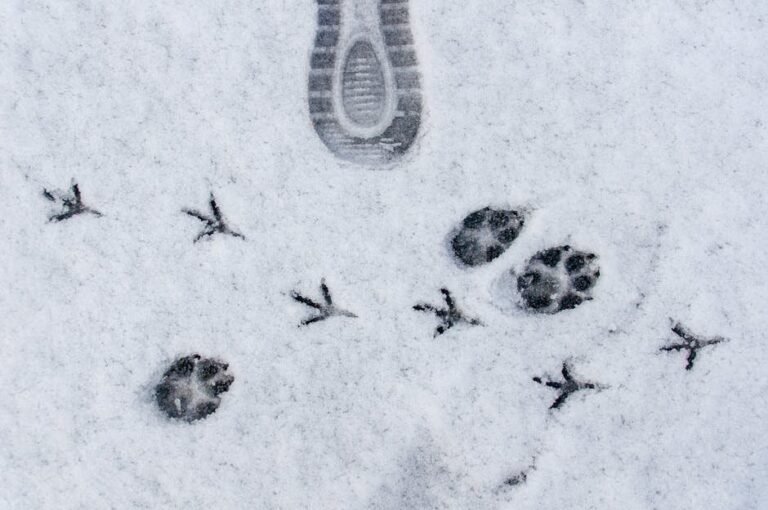
When identifying animal tracks, it’s essential to recognize the different types of prints that are commonly found in the wild. Ungulate tracks, such as deer and elk, are typically characterized by their large size and hooved shape. They often feature four toes on the front half of the track and three toes on the back half, with a distinctive heel pad.
Carnivore tracks, like those left behind by wolves or coyotes, tend to be smaller and more oval in shape. They usually have five toes, with the first toe being slightly larger than the others. Avian tracks, such as those from birds of prey, are often indistinct due to their lightweight nature but can feature claw marks and a central impression.
To identify these tracks, pay attention to size: large tracks typically belong to ungulates, while smaller ones may be carnivore or avian prints. Note the shape: hooved tracks tend to be wider than they are long, while oval tracks could indicate a carnivore. Lastly, look for distinctive patterns, such as claw marks or heel pads, which can help you determine the type of animal that made the track.
Preparing for Tracking: Essential Equipment and Techniques
To start tracking, you’ll need a few essential pieces of equipment and some basic techniques to ensure accurate measurements and photos. Let’s cover the must-haves and skills you’ll need to get started effectively.
Choosing the Right Field Gear
When it comes to tracking animals, having the right field gear can make all the difference. As you prepare for a tracking adventure, it’s essential to invest in equipment that will help you locate and identify animal tracks with ease.
First and foremost, you’ll need binoculars or a spotting scope to scan your surroundings from a distance. This will allow you to spot potential track sites without getting too close, which is especially useful when dealing with larger animals like deer or elk. A good pair of binoculars can cost anywhere from $50 to $200, depending on the quality and magnification.
For photographing tracks, you’ll want to bring a camera that’s specifically designed for outdoor use. Consider investing in a waterproof camera or one with a rugged exterior to protect it from the elements. You may also want to bring a small measuring tape to record the dimensions of each track. This will come in handy when trying to identify different species or age the tracks. When selecting your gear, remember that quality is often more important than price – invest in equipment that will withstand the demands of tracking and help you capture high-quality photos.
Tips for Tracking in Various Environments
When venturing into different environments to track animals, it’s essential to consider the unique challenges and opportunities each setting presents. In forests, dense foliage can obscure tracks, but the canopy overhead often provides natural light for photographs. However, this also means you may need to work quickly to capture tracks before they become overgrown.
In grasslands, visibility is generally better, but wind and weather can erode or distort tracks, making measurements more difficult. In deserts, tracks are often more visible due to the arid conditions, but sand and dust storms can make tracking and photography hazardous. Wetlands, on the other hand, present a mix of both challenges – waterlogged terrain can preserve tracks, but also makes them more susceptible to erosion.
To adapt to these environments, be prepared to adjust your technique accordingly. For example, in forests, use a camera with a wide-angle lens to capture the track’s surrounding context. In grasslands, work quickly and make multiple measurements to account for potential distortions. In deserts, consider using protective gear against wind-borne debris, and in wetlands, bring a water-resistant camera housing to protect your equipment.
Measuring Animal Tracks: Techniques and Tools
Now that you’ve learned how to identify animal tracks, it’s time to take your observations to the next level by accurately measuring them. In this section, we’ll explore various techniques and tools for getting precise measurements of track prints.
Using Calipers and Tape Measures
When it comes to measuring animal tracks with precision, using calipers and tape measures is an essential skill for any tracker. These tools allow you to record the dimensions of a track with accuracy, which is crucial for identification and analysis.
To use calipers effectively, start by placing the jaws of the caliper on either side of the track’s width or length. Make sure they are centered and parallel to the ground. Take multiple readings to ensure consistency, as tracks can sometimes be irregularly shaped. For example, a wolf track may have a narrower heel than its toe.
Tape measures can also be used to record longer dimensions, such as the overall length of the track or the distance between prints. Hold the tape measure flat and smooth over the ground, ensuring it’s not twisted or tangled. Record both the width and length measurements, including any notable features like the depth of the impression.
Remember that precision in measurements is crucial when tracking animals. A single misplaced digit can change the identification of a track entirely. Take your time and double-check your readings to ensure accurate data collection.
Recording Track Impressions and Footprints
Recording impressions and footprints is an essential part of documenting animal tracks. To ensure accurate documentation, it’s crucial to use a consistent method for recording these tracks. One way to do this is by using a standardized impression tray or casting material to record the track impression.
When recording a track impression, start by placing the impression tray over the print and gently pressing down on it to secure it in place. Then, carefully lift the tray to reveal the impression of the track. Alternatively, you can use casting material like plaster or silicone to create a cast of the track.
Using a consistent method for documentation allows you to compare track impressions from different locations or times, making it easier to identify patterns and behaviors. For example, if you’re tracking deer movement in your area, using a standardized impression tray will help you identify changes in their movement patterns over time.
Photographing Animal Tracks: Best Practices and Techniques
When photographing animal tracks, it’s essential to capture clear, detailed images that will help you identify species and analyze behavior. To get great shots, follow these best practices and techniques in this section.
Camera Settings and Equipment
When it comes to photographing animal tracks, having the right camera settings and equipment is crucial. A good starting point is to use a macro lens, which allows you to capture high-quality images of even the smallest details. A 100mm or 105mm macro lens is ideal for capturing track impressions.
Next, consider investing in a tripod, as this will help stabilize your camera and reduce blur caused by camera shake. This is especially important when photographing tracks in low-light conditions. You’ll also want to use a remote shutter release or the camera’s self-timer to further minimize camera movement.
Proper lighting is essential for capturing clear images of tracks. Natural light, such as overcast skies or early morning/late afternoon sunlight, is ideal. If shooting indoors, invest in a good quality LED light or softbox to provide even illumination. When it comes to post-processing, specialized software like Adobe Lightroom and Photoshop can help enhance your images and remove any distracting elements.
Some popular apps for mobile devices, such as Image Capture and Field Notes, offer features specifically designed for outdoor enthusiasts, including image editing and annotation tools.
Composition and Angle Considerations
When photographing animal tracks, composition and angle considerations are crucial to effectively document and preserve the evidence. The context in which you capture the track image is vital for accurate interpretation. Consider photographing the track near its original location to provide a sense of scale and habitat.
Shoot from directly above or at a 90-degree angle to minimize distortion. This angle also allows for better visibility of track details, such as toe impressions and heel shape. Position your camera so that the track is centered within the frame, ideally with even lighting on both sides of the image. Avoid overhead lighting that can create harsh shadows.
To capture key features, include a few inches of surrounding terrain in the shot. This context will help researchers or trackers understand the environment where the animal roamed and identify potential prey or predator signs nearby. Experimenting with different angles can also reveal more track details, like subtle texture variations or gait patterns.
Analyzing and Interpreting Track Data
Now that you have recorded track data, let’s dive into analyzing and interpreting it to uncover clues about the animal’s behavior, habitat, and characteristics. This involves careful observation of patterns and anomalies in the tracks.
Identifying Patterns and Habitats
When analyzing track data, it’s essential to look for patterns and habitats used by animals. Start by examining seasonal variations – do tracks appear more frequently during certain times of the year? Are there specific seasons when tracks are scarce? For instance, a study on gray wolf migration revealed that their tracks were most abundant during spring and summer months.
Identifying migratory routes is another crucial aspect. Look for patterns in track data that suggest animals are traveling between two distinct areas. This could indicate seasonal or annual migrations. For example, if you notice a concentration of bear tracks leading from a forest to a nearby lake in the fall, it may be an indication of their winter hibernation habitat.
To further analyze your findings, consider factors like terrain, climate, and vegetation. Are animals favoring certain types of terrain, such as riverbanks or ridges? Do they appear more frequently near water sources or in areas with specific plant species? By examining these variables, you can gain a deeper understanding of the animal’s habitat preferences. This information will help you refine your track-finding efforts and potentially uncover insights into animal behavior that would have gone unnoticed otherwise.
Using Data for Conservation and Research Efforts
Track data has become an invaluable resource for conservation and research efforts. By collecting and analyzing track data, researchers can gain insights into animal behavior, habitat usage, and population dynamics. This information is crucial for informing management decisions and policy development.
For instance, by monitoring the movement patterns of endangered species, conservationists can identify areas that require protection or restoration. For example, a study on gray wolf tracks in Yellowstone National Park revealed that their habitats were fragmented due to human activities, leading to the implementation of habitat restoration projects.
Researchers can also use track data to understand animal migration routes, which can help inform transboundary conservation efforts. By analyzing track patterns, scientists can detect changes in population trends and adapt management strategies accordingly.
To contribute to conservation efforts, simply recording your own observations of animal tracks and submitting them to relevant organizations or databases can be a valuable contribution.
Advanced Tracking Techniques: Following and Reconstructing Animal Trails
To take your tracking skills to the next level, learn advanced techniques for following and reconstructing animal trails, even when they’re faint or hard to find. With practice, you’ll be able to track even the most elusive creatures.
Following and Mapping Trails
When it comes to following and mapping animal trails, having the right tools can make all the difference. One of the most effective ways to record routes and patterns is by using GPS devices. These handheld units allow you to track your movement and create detailed maps of the trail. By setting up a route in advance, you can even receive real-time updates on your location and altitude.
Tracking software is another valuable tool for mapping animal trails. Programs like Garmin’s BaseCamp or Google Earth Pro enable you to upload GPS data and visualize routes in stunning detail. This level of precision is particularly useful when studying large-scale movements or patterns over long periods.
Consider using apps specifically designed for tracking wildlife, such as iNaturalist or eBird. These platforms allow you to record observations, note habitat details, and even contribute to larger conservation efforts. By combining GPS devices with tracking software, you can build a comprehensive picture of animal trails and gain valuable insights into their behavior.
Reconstructing Habitats and Migration Routes
Reconstructing habitats and migration routes is a crucial application of track data analysis. By examining the patterns and frequency of tracks in specific areas, researchers can infer details about an animal’s habitat preferences and migratory habits. For instance, if a particular species consistently leaves tracks near water sources or specific plant species, it may indicate that these resources are essential to their survival.
To reconstruct habitats, start by analyzing track data from different seasons and weather conditions. Look for areas where tracks tend to congregate, as this can reveal important resting, feeding, or breeding sites. Consider the topography of the area and how it might influence animal movement – for example, steep slopes or narrow valleys may act as barriers or bottlenecks.
Migration routes can be reconstructed by identifying track patterns that span multiple areas over time. By comparing track data from different locations, you can identify corridors or pathways used by animals during their seasonal migrations. This information is invaluable for conservation efforts, allowing researchers to pinpoint key areas for habitat preservation and protection.
Best Practices and Safety Considerations for Trackers
To ensure a safe and successful tracking experience, it’s essential to follow best practices when measuring and photographing animal tracks. This includes being mindful of your surroundings and respecting wildlife habitats.
Minimizing Impact on Environments
When venturing out to measure and photograph animal tracks, it’s essential to remember that we’re not just tracking animals – we’re also impacting the environments they inhabit. Minimizing our footprint is crucial for maintaining a healthy ecosystem and respecting wildlife habitats.
Before setting out, research the terrain and habitat types in your area. Sensitive ecosystems like wetlands, coral reefs, or endangered species habitats should be avoided altogether. Similarly, respect private property rights – always obtain permission before tracking on private land. A simple phone call or email can go a long way in ensuring a smooth experience for both you and the landowner.
When tracking, stay on designated trails and avoid trampling vegetation or disturbing soil formations. This not only preserves the environment but also prevents damage to potential animal tracks. By being mindful of our surroundings and taking steps to minimize our impact, we can continue to track and learn from these incredible animals without compromising their habitats.
Staying Safe in the Field
When venturing into the great outdoors to measure and photograph animal tracks, it’s essential to prioritize your safety above all else. As a tracker, you’ll often find yourself in remote areas with limited access to medical care or emergency services. To minimize risks, always be aware of your surroundings and take necessary precautions.
Protecting against predators is crucial. Be mindful of your body language and avoid sudden movements that may provoke an attack. In areas where bears or mountain lions are present, consider carrying bear spray or other deterrents as a precautionary measure. Make sure to research the local wildlife and terrain before heading out on a tracking expedition.
Inclement weather can also pose a significant threat. Be prepared for changing conditions by bringing layers of clothing, rain gear, and sturdy footwear. Avoid traveling during periods of heavy rain or thunderstorms, which can increase the risk of flash flooding or landslides.
Physical exhaustion is another concern when tracking in remote areas. Bring plenty of water, snacks, and energy-rich foods to maintain your energy levels throughout the day. Take regular breaks to rest and rehydrate, especially if you’re new to tracking or venturing into unfamiliar terrain.
Frequently Asked Questions
Can I use any type of camera to photograph animal tracks?
Yes, you can use a smartphone or a point-and-shoot camera to photograph animal tracks. However, it’s essential to have good lighting and a stable platform to ensure clear images. For more precise tracking data, consider investing in a camera with interchangeable lenses and a tripod.
How do I know if my measurements are accurate?
To ensure accuracy, use a caliper or tape measure that is calibrated to the correct units (e.g., inches or centimeters). Double-check your measurements by taking multiple readings from different angles. It’s also crucial to record the exact location of each track impression and footprint.
What should I do if I encounter challenging terrain while tracking?
If you’re in an area with dense vegetation, steep slopes, or fast-moving water, it may be difficult to access animal tracks. Consider using a field guide or consulting with experienced trackers for tips on navigating these environments. It’s also essential to prioritize your safety and the environment’s integrity.
Can I use digital tools to analyze track data?
Yes, there are various software programs and mobile apps available that can help you analyze and interpret track data. These tools often include features such as grid overlay, measurement calibration, and pattern recognition. Familiarize yourself with these resources to enhance your tracking skills and contribute to more accurate conservation efforts.
How do I store and manage my collected track data?
To ensure the integrity of your data, use a secure and organized system for storing and managing your track impressions, photographs, and measurements. Consider using a combination of paper logs, digital spreadsheets, or specialized software to keep your data easily accessible and traceable.