
The world of geology is full of fascinating discoveries, but few concepts are as fundamental as the Mohs scale of mineral hardness. If you’re new to this topic, don’t worry – understanding the Mohs scale is easier than you think. Developed by Friedrich Mohs in 1812, it ranks minerals from softest (1) to hardest (10), providing a crucial tool for identifying and categorizing minerals. But what’s behind this scale, and why is it still widely used today? In this article, we’ll delve into the history of the Mohs scale, its limitations, and real-world applications in geology, industry, and beyond. You’ll also learn about alternative scales and discover the unique characteristics of minerals with different hardness ratings.
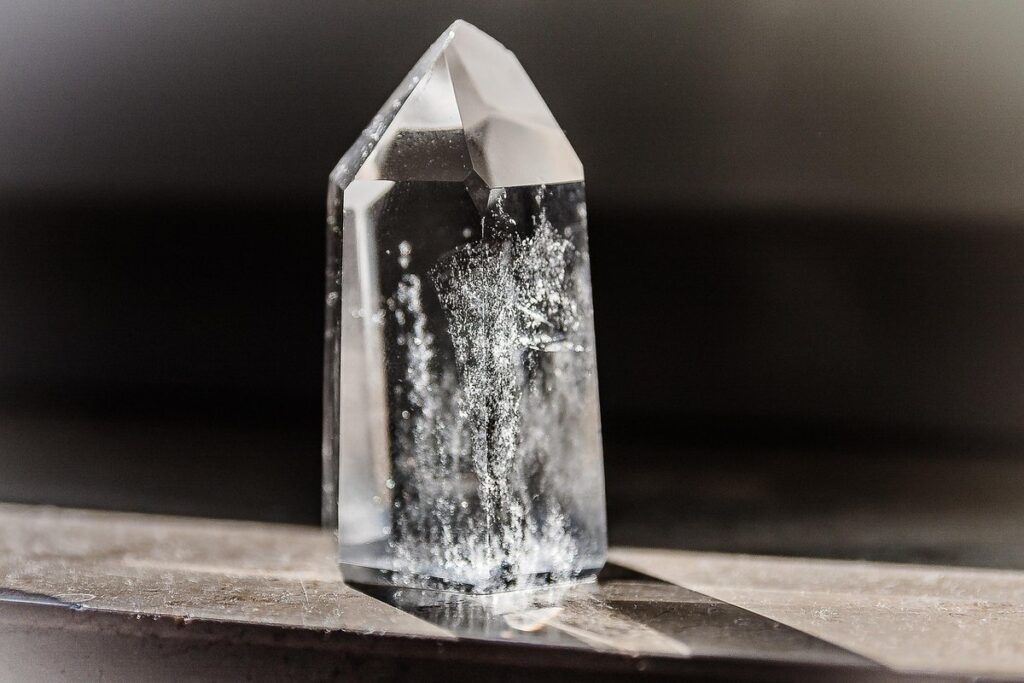
Understanding the Mohs Scale of Mineral Hardness
To grasp the Mohs scale, let’s dive into its origins and how it categorizes minerals from softest to hardest. This will help you better understand why certain minerals are more resistant than others.
What is the Mohs Scale?
The Mohs scale of mineral hardness is a fundamental concept in geology that helps us understand the scratch resistance of minerals. Developed by Friedrich Mohs in 1812, this scale ranks minerals from 1 (softest) to 10 (hardest). The Mohs scale is still widely used today due to its simplicity and effectiveness.
The scale works by ranking minerals based on their ability to resist scratching. For example, a mineral with a high ranking on the Mohs scale can scratch a mineral with a lower ranking. This means that if you have a mineral with a hardness of 5 and another with a hardness of 3, the 5 will be able to scratch the 3.
To put this into perspective, consider some everyday examples. For instance, talc has a hardness of 1 on the Mohs scale, which is why it’s often used in baby powder or cosmetics – it won’t scratch skin. On the other hand, diamond has a hardness of 10 and can only be scratched by another diamond.
The Mohs scale is essential for geologists, rockhounds, and anyone interested in understanding minerals. By knowing the hardness of a mineral, you can identify it more easily and predict its behavior in different environments.
History and Development of the Mohs Scale
The Mohs scale of mineral hardness has been a cornerstone in the field of geology for over two centuries. Developed by Friedrich Mohs in 1812, this scale revolutionized the way minerals were identified and classified. Prior to its creation, there was no standardized method for determining mineral hardness, leading to confusion and inconsistencies among scientists.
The significance of the Mohs scale lies in its simplicity and practicality. It consists of ten minerals of varying hardness, ranked from 1 (softest) to 10 (hardest). The scale is based on the ability of one mineral to scratch another, with each mineral serving as a reference point for those below it in the ranking. For instance, if a mineral can be scratched by quartz (Mohs 7), but not by feldspar (Mohs 6), its hardness would be considered slightly higher.
Over time, the Mohs scale has undergone minor revisions, with some adjustments to its ranking based on new discoveries and advancements in technology. Despite these updates, the fundamental principles of the scale remain unchanged, making it an essential tool for geologists and mineral enthusiasts alike.
Limitations of the Mohs Scale
While the Mohs scale is a widely accepted and useful tool for determining mineral hardness, it does have some limitations. One of the main limitations is its inability to measure the hardness of non-crystalline minerals, such as amorphous or glassy substances. These types of minerals do not exhibit a fixed crystal structure, making it difficult to determine their hardness using traditional methods.
For instance, obsidian and pitchstone are both amorphous minerals that have a Mohs hardness of around 5-6, but they are often much softer in practice. This discrepancy highlights the limitations of relying solely on the Mohs scale for determining mineral hardness.
Additionally, the Mohs scale can be subjective and may vary depending on the individual performing the test. The scale is also limited to measuring the scratch resistance of minerals, rather than their overall hardness or durability. As a result, it’s essential to consider multiple factors when evaluating mineral hardness, including density, brittleness, and chemical composition. By understanding these limitations, geologists and rockhounds can use the Mohs scale more effectively and accurately determine mineral hardness in practice.
The Mohs Scale: A Detailed Explanation
The Mohs scale is a widely used tool for measuring the hardness of minerals, but what exactly does it measure and how is it used? Let’s break it down in detail.
Properties of Minerals with Different Hardness Ratings (1-5)
When we look at minerals with low hardness ratings (1-5 on the Mohs scale), their properties and characteristics become quite distinct. Talc, for instance, has a rating of 1, making it one of the softest minerals known. It’s often used in cosmetics and baby powder due to its gentle texture.
Gypsum, rated 2, is also relatively soft but can be molded when wet. This makes it a popular choice for plastering walls and ceilings. Calcite, which rates 3 on the scale, is a common mineral found in sedimentary rocks. Its hardness gives it some durability, but it’s still prone to scratching and etching.
Fluorite, with its rating of 4, is known for its vibrant colors and ability to withstand moderate wear and tear. Apatite, also rated 5, has a slightly higher hardness than fluorite but can still be scratched by other minerals.
When handling these soft minerals, it’s essential to exercise caution not to damage them. For example, avoid using talc near heat sources or exposing it to water, as this can cause it to degrade quickly.
Properties of Minerals with Higher Hardness Ratings (6-10)
Minerals with higher hardness ratings exhibit impressive durability and resistance to scratching. One of these minerals is orthoclase, a type of feldspar with a Mohs hardness rating of 6. While it’s not indestructible, orthoclase can withstand moderate wear and tear.
Quartz, another common mineral, boasts an impressive hardness rating of 7. Its compact crystal structure makes it resistant to scratches and abrasion. In fact, quartz is often used in electronics and other devices due to its ability to withstand mechanical stress.
Topaz, with a Mohs hardness rating of 8, is known for its vibrant colors and exceptional durability. However, be cautious when handling topaz as it can still be scratched by minerals like corundum.
Corundum, the mineral that comprises rubies and sapphires, has an impressive Mohs hardness rating of 9. Its unique crystal structure makes it extremely resistant to scratches and wear. Diamond, with a Mohs hardness rating of 10, is the hardest substance known to man and is often used in industrial applications due to its exceptional durability.
When working with minerals like these, remember that even if they’re highly resistant to scratching, they can still be damaged by extreme force or impact. Always handle them gently and store them safely to preserve their natural beauty and integrity.
Applications of the Mohs Scale
So, now that you know how to use the Mohs scale to identify minerals, let’s explore some practical applications and see how it impacts various industries. We’ll dive into its uses in geology and beyond.
In Geology and Mineralogy
In geology and mineralogy, the Mohs scale is a crucial tool for identifying and classifying minerals. By knowing the hardness of a mineral on the Mohs scale, scientists can determine its composition and properties. For instance, if a mineral scratches glass (Mohs 5-6), it’s likely to be calcium or sodium-based, whereas a mineral that doesn’t scratch glass may contain elements like aluminum or silicon.
Geologists use the Mohs scale to identify minerals in their natural environments. They can collect samples from rock formations and then test them using the Mohs scale. If a sample scratches steel (Mohs 6) but not fluorite (Mohs 4), it’s likely to be calcite, which is composed of calcium carbonate.
When classifying minerals, geologists consider multiple factors, including hardness, crystal structure, and chemical composition. The Mohs scale helps them narrow down possibilities based on the mineral’s hardness. This information is essential for understanding geological processes, such as plate tectonics and metamorphism, where changes in mineral composition can reveal insights into Earth’s history. By applying the Mohs scale to field observations, geologists can gain a deeper understanding of the geological context in which minerals formed.
In Industry and Commerce
In industries such as construction, manufacturing, and jewelry-making, the Mohs scale plays a crucial role in determining the suitability of minerals for various applications. For instance, in construction, builders rely on the Mohs scale to select materials that can withstand environmental factors like weathering and erosion. Minerals with high hardness values, such as quartz (7) and topaz (8), are often used for building foundations and exterior facades.
In manufacturing, the Mohs scale helps engineers choose materials for specific tools and machinery components. For example, minerals like corundum (9) and diamond (10) are prized for their exceptional hardness and are frequently used in drill bits, saw blades, and other cutting tools. Jewelers also rely on the Mohs scale to evaluate the scratch resistance of gemstones. A stone’s Mohs value can significantly impact its durability and longevity, making it a critical factor in determining the price and market demand.
When selecting materials for construction or manufacturing projects, consider the environmental conditions and operational requirements. If you’re planning to build a structure that will be exposed to harsh weather conditions, choose minerals with high hardness values to ensure their stability over time.
Alternative Scales of Hardness
While the Mohs scale is a widely accepted standard, there are alternative scales that offer different perspectives on mineral hardness. Let’s take a closer look at these variations.
Other Scales Used in Geology and Mineralogy
In addition to the Mohs scale, several other scales of hardness are used in geology and mineralogy. One such scale is the Knoop hardness test, which measures the resistance of a material to indentation by a pointed indenter under specific conditions. The Knoop hardness number (HKN) is calculated based on the area of the indentation, with higher numbers indicating greater hardness.
The Knoop hardness test is widely used in materials science and engineering, particularly for measuring the hardness of very hard materials like diamonds and some minerals. However, it requires specialized equipment and expertise, making it less accessible to amateur mineral collectors or geologists.
Another scale used in mineralogy is the Shore hardness scale, which measures the hardness of a material by determining its resistance to indentation using a pointed indenter with a rounded tip. This scale is simpler and more accessible than the Knoop hardness test but may not be as accurate for very hard materials.
Understanding these alternative scales can provide a more comprehensive understanding of mineral hardness and help you identify the correct minerals in your collection or research samples.
Comparison with the Mohs Scale
When comparing alternative scales of hardness to the Mohs scale, it’s essential to understand their differences and similarities. The Brinell hardness test, for example, is a widely used method that assigns a numerical value to a mineral’s hardness based on the indentation created by a steel ball. In contrast, the Mohs scale uses ten reference minerals to determine a mineral’s hardness relative to them.
One key difference between these scales is their precision. The Brinell hardness test can provide more accurate measurements, but it’s often more time-consuming and expensive than using the Mohs scale. On the other hand, the Mohs scale is more practical for fieldwork and everyday applications, as it allows for a quick and simple assessment of a mineral’s hardness.
When choosing between these scales, consider your specific needs and goals. If you require precise measurements for scientific research or industrial purposes, the Brinell hardness test may be more suitable. However, if you’re working in a field environment or need to make rapid assessments, the Mohs scale is likely your best bet. By understanding the strengths and limitations of each scale, you can select the most appropriate tool for your needs and achieve accurate results.
Case Studies: Real-World Applications
Let’s dive into real-world examples of how understanding the scale of hardness in minerals has practical applications, from industrial to everyday uses. We’ll explore case studies that bring this concept to life.
Examples of the Use of the Mohs Scale in Real-Life Situations
The Mohs scale is widely used across various industries for its simplicity and effectiveness in identifying minerals. In geology, it’s essential to classify minerals based on their hardness to understand their composition and properties.
In a real-world scenario, geologists might use the Mohs scale to identify minerals in rock samples collected from a mining site. For instance, if a sample is scratched by calcite (Mohs hardness of 3) but not by quartz (Mohs hardness of 7), it indicates that the mineral has a hardness greater than 3 but less than 7, likely feldspar or mica.
In jewelry making, artisans use the Mohs scale to ensure that stones are suitable for their designs. For example, if a designer wants to set a diamond in a ring, they need to verify its hardness (Mohs hardness of 10) by testing it against other minerals.
The simplicity and accuracy of the Mohs scale make it an indispensable tool in various fields. By applying this knowledge, individuals can confidently identify and classify minerals based on their hardness, unlocking a wealth of information about their composition and properties.
Successful Applications and Misconceptions
The Mohs scale has been instrumental in various industries where precision and accuracy are crucial. For instance, geologists rely heavily on it to identify mineral deposits, while jewelers use it to verify the authenticity of gemstones. In construction, builders apply the Mohs scale to select materials that can withstand environmental factors.
On the other hand, some misconceptions surround the use of the Mohs scale. Many people assume that a higher number indicates greater hardness, but this is not entirely accurate. For example, diamond has a Mohs hardness rating of 10, making it the hardest substance known, yet it’s not the most durable in all situations.
To apply the Mohs scale effectively, it’s essential to understand its limitations. The scale only ranks minerals up to a certain level of hardness and doesn’t account for other factors like scratch resistance or thermal conductivity. Additionally, incorrect identification can lead to costly mistakes in industries such as mining and gemstone trading. By being aware of these considerations, users can harness the full potential of the Mohs scale and avoid common pitfalls.
Conclusion: Importance and Future Directions
As we conclude our comprehensive guide to the scale of hardness in minerals, let’s explore the importance of understanding this fundamental property.
Recapitulation of Key Points
In this comprehensive guide, we’ve explored the intricacies of mineral hardness and its significance in various fields. Let’s recapitulate the key points to solidify your understanding: The Mohs scale serves as a fundamental tool for determining mineral hardness, ranking minerals from 1 (softest) to 10 (hardest). Understanding this scale is crucial for identifying and distinguishing between different minerals.
We’ve discussed how the Mohs scale has its limitations, particularly in distinguishing between certain minerals that exhibit similar hardness levels. For instance, quartz (7) and topaz (8) are challenging to differentiate using the Mohs scale alone. This highlights the importance of considering additional factors such as crystal structure and density when analyzing mineral properties.
Throughout this guide, we’ve also touched upon real-world applications of mineral hardness, including geological exploration, materials science, and even archaeology. The ability to accurately identify minerals based on their hardness is essential for these fields.
Future Developments and Advancements
As we conclude our exploration of the scale of hardness in minerals, it’s essential to consider the exciting developments and advancements on the horizon. With ongoing research and technological innovations, the field of mineral hardness measurement is poised for significant growth.
Advancements in X-ray Computed Tomography (CT) scans are expected to revolutionize the way we measure mineral hardness. This non-destructive technique allows for precise imaging of minerals’ internal structures, providing valuable insights into their mechanical properties. For instance, scientists at the University of California have successfully used CT scans to analyze the hardness and density of diamond samples.
Another promising area is the development of portable hardness testers that can be deployed in the field. These devices will enable researchers to collect data on mineral hardness in remote or hard-to-reach locations. This technology has the potential to greatly expand our understanding of mineral distribution and properties worldwide.
Furthermore, advancements in nanotechnology are being explored for their potential applications in measuring mineral hardness at the nanoscale. By developing new materials with enhanced mechanical properties, scientists can create more accurate and sensitive hardness measurement tools. As these developments come to fruition, we can expect a deeper understanding of the complex relationships between mineral composition, structure, and hardness.
Frequently Asked Questions
Can I use the Mohs scale to identify all types of minerals?
No, while the Mohs scale is a valuable tool for identifying and categorizing minerals, it’s not exhaustive. Some minerals may have similar hardness ratings but distinct chemical compositions or crystal structures, making identification more complex.
What are some common mistakes people make when using the Mohs scale in fieldwork?
A common mistake is misinterpreting scratch tests due to environmental factors like temperature and humidity affecting mineral properties. To avoid this, use a consistent testing environment and consider multiple tests for confirmation.
How can I apply the Mohs scale in real-world scenarios beyond geology and industry?
The Mohs scale has practical applications in various fields, such as construction (selecting building materials), archaeology (analyzing ancient artifacts), and even dentistry (understanding tooth hardness). When applying the scale outside of its traditional context, consider the unique characteristics and challenges of each field.
Is there a correlation between mineral hardness and other properties like density or crystal structure?
While not direct correlations, there are relationships between these properties. For example, minerals with higher hardness ratings tend to have more complex crystal structures and may exhibit increased density due to their atomic packing efficiency.
Can I use alternative scales of hardness in conjunction with the Mohs scale for more accurate identification?
Yes, using multiple scales can provide a more comprehensive understanding of mineral properties. The Knoop hardness test and Vickers hardness test are two examples of alternative scales that offer complementary information on scratch resistance and mechanical strength.