
Are you ready to witness the spectacular beauty of the night sky? April is an exciting time for stargazers, as it brings two of the most anticipated meteor showers of the year: the Lyrids and the Eta Aquariids. As these celestial events approach, we’ll guide you through the best viewing times and essential equipment needed to maximize your chances of spotting a shooting star or two. In this article, we’ll share expert tips on how to prepare for an unforgettable skywatching experience, including safety precautions to ensure you stay safe while gazing up at the stars. Whether you’re a seasoned astronomer or just starting out, our comprehensive guide will help you make the most of these meteor showers in April, so mark your calendars and get ready to witness some breathtaking celestial displays!
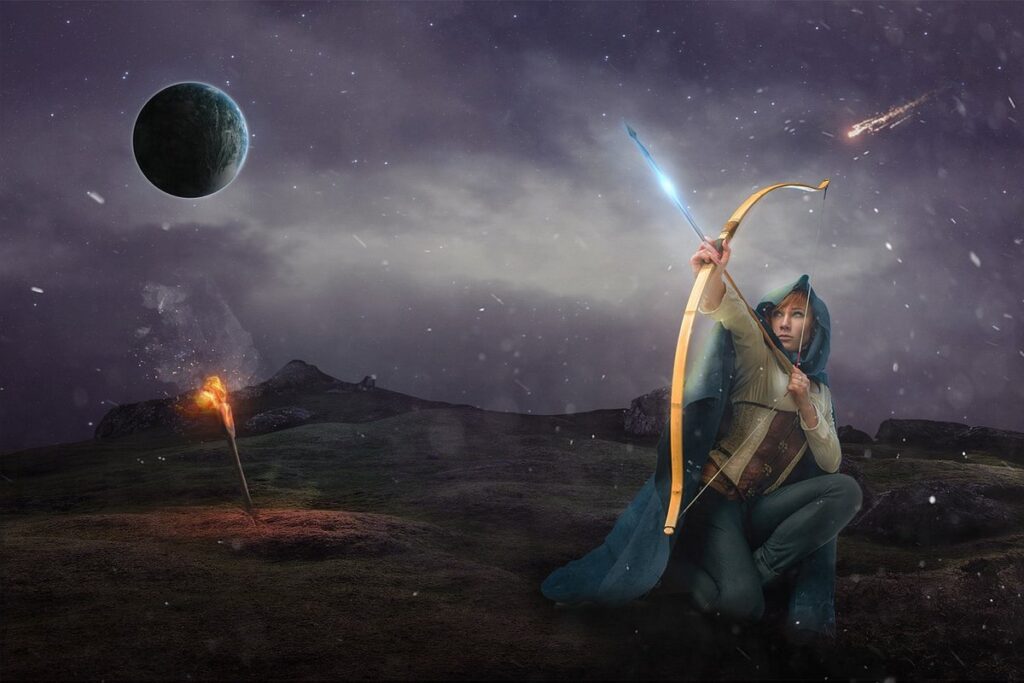
What is a Meteor Shower?
A meteor shower is simply a spectacular display of shooting stars caused by small rocks from space burning up in our atmosphere, and we’re excited to dive into what makes them so special.
Definition and Explanation
A meteor shower is one of the most breathtaking natural light shows you can witness from Earth. But have you ever wondered what exactly a meteor shower is? To understand this phenomenon, let’s break down the difference between meteors, meteoroids, and meteorites.
Meteors are small fragments of debris that enter Earth’s atmosphere, burning up and producing the bright streaks of light we commonly call shooting stars. These fragments are typically tiny rocks or pieces of asteroids that have broken off and are traveling through space. When a meteoroid enters our atmosphere at high speed, it encounters resistance from air molecules, causing it to heat up and glow. This is what creates the spectacular display of meteors in the night sky.
Meteoroids are simply small rocks or other objects floating in space, often originating from asteroids or comets. They can range in size from tiny dust grains to massive boulders. Meteorites, on the other hand, are meteoroids that have survived their passage through Earth’s atmosphere and landed on our planet. While most meteors burn up completely, a few meteorites make it to the ground.
When witnessing a meteor shower, keep in mind that you’re seeing many small meteoroids burning up at once. The best viewing locations tend to be away from city lights and offer an unobstructed view of the sky.
Types of Meteor Showers
There are three main types of meteor showers that occur throughout the year: annual, periodic, and sporadic showers. Annual showers happen when our planet passes through a trail of debris left behind by a comet or asteroid. The Eta Aquariid shower is an example of this type, occurring in May but peaking in April with over 30 meteors per hour.
Periodic showers occur due to the Earth passing through a consistent orbit around the sun that intersects with a parent body’s trail. The Perseid meteor shower is a prime example, with debris from the Swift-Tuttle comet creating spectacular displays every August. However, some periodic showers have smaller orbits, resulting in less frequent but still reliable appearances.
Sporadic showers originate from unknown or unpredictable sources, such as asteroids that haven’t been observed before. These events are often seen as isolated and may not occur regularly. While their occurrence can be difficult to predict, they offer an exciting opportunity for astronomers and enthusiasts alike to witness a rare meteor shower event.
Best Viewing Times for April’s Meteor Showers
If you’re planning on catching a glimpse of April’s meteor showers, timing is everything – we’ll walk you through the best viewing times to maximize your chances. Here are the optimal periods for spotting these celestial wonders.
Peak Activity Dates
April is a fantastic time for stargazing, with several notable meteor showers lighting up the night sky. One of the most exciting events is the Lyrid Meteor Shower, which peaks on April 22nd and 23rd. During this time, you can expect to see around 20 meteors per hour under optimal viewing conditions.
Another spectacular display occurs during the Eta Aquariid Meteor Shower, which reaches its peak on May 4th-5th, but also has a notable activity period in early April. On the nights of April 6th and 7th, you can witness around 10 meteors per hour.
The best viewing times for these meteor showers usually occur between midnight and dawn, when the Earth is facing the direction of the radiant point. Try to find a dark location with minimal light pollution, as this will significantly improve your chances of spotting more meteors.
To make the most out of these events, it’s essential to be patient and prepared. Bring binoculars or a camera to capture the moment, dress warmly for comfort, and plan ahead by checking weather forecasts to ensure clear skies.
Lunar Cycle Considerations
When planning to witness the meteor showers in April, it’s essential to consider the lunar cycle and its impact on visibility. The lunar phase can either enhance or detract from the viewing experience.
During a new moon phase, the sky is dark, making it ideal for viewing meteors. Since there’s no bright moonlight to compete with the faint light of meteor trails, you’ll have a better chance of spotting more shooting stars. Take advantage of this phase by heading out on nights when the moon is in its new phase.
On the other hand, full moon phases can make it challenging to spot meteors. The bright moonlight overpowers the light from meteors, reducing visibility. However, if you’re an early riser or late-night owl, you can still catch a glimpse of the meteor shower during the peak hours when the moon is high in the sky.
To maximize your viewing experience during both new and full moon phases, find a location with minimal light pollution and get comfortable for extended periods. With patience and persistence, you can enjoy the mesmerizing spectacle of April’s meteor showers.
Meteor Shower Etymology and History
Meteor showers have been a source of fascination for centuries, and understanding their history can enhance your viewing experience. Let’s dive into the fascinating story behind some of April’s most spectacular meteor showers.
Ancient Civilizations and Astronomical Observations
Ancient cultures were fascinated by meteor showers and often associated them with significant events, mythological beings, or divine interventions. In ancient China, for instance, the Lyrid meteor shower was seen as a sign of good luck and fertility, while the Perseid meteor shower was believed to be the tears of Saint Lawrence being raked over hot coals.
Similarly, in ancient Greece, meteors were thought to be bolts of lightning or fire from the heavens. The Greeks associated the shooting stars with their pantheon of gods and goddesses, often attributing them to specific deities like Zeus or Artemis. In some cultures, meteor showers were even believed to predict wars, famine, or other significant events.
The ancient Mayans, on the other hand, recorded meteor showers in intricate calendars, noting the timing and frequency of these celestial events. By studying their records, we can gain insight into the cultural significance and mythological associations that these early civilizations held for meteor showers.
Modern Era Developments in Meteor Science
In recent years, significant advancements in meteor science and technology have greatly improved our understanding of meteor showers. One notable development is satellite tracking, which has allowed scientists to monitor the orbits of near-Earth asteroids and comets with unprecedented accuracy. This information enables researchers to predict the timing and frequency of meteor showers with greater precision.
Digital sky surveys, such as the Catalina Sky Survey (CSS) and Pan-STARRS, have also significantly enhanced our knowledge of meteor showers. These automated systems use high-powered telescopes to capture images of the night sky, allowing scientists to detect and track small asteroids and comets that might otherwise go undetected.
This data is then used in conjunction with satellite tracking information to provide more accurate predictions for meteor shower events. For example, the CSS has been instrumental in predicting the timing and frequency of the Geminid meteor shower, which is one of the most active showers of the year.
The Science Behind Meteor Showers
So, what makes meteor showers happen? Let’s dive into the fascinating science behind these celestial events and uncover the secrets of the universe.
Formation of Meteoroids and Their Orbits
When meteoroids from space collide with Earth’s atmosphere at high speeds, they disintegrate into tiny particles called meteors. These fragments burn up, producing the bright streaks of light we commonly refer to as shooting stars or meteors.
The origins of these meteoroids are varied, but most are remnants from ancient asteroid and comet collisions that have been orbiting our solar system for millions of years. Their paths can be influenced by various celestial bodies, including planets, moons, and other asteroids. For example, the Earth’s gravitational pull can cause a nearby asteroid to alter its course and intersect with our atmosphere.
The meteoroids entering our atmosphere typically follow one of two main paths: either they’re traveling in a straight line from their parent body or have been perturbed into an elliptical orbit due to interactions with other celestial objects. As these fragments interact with the atmosphere, they can produce spectacular displays of meteors that are visible for brief periods before burning up.
Some of the most prominent meteor showers occur when Earth intersects with debris trails left behind by comets. In April, the Lyrids and Eta Aquariid meteor showers are two notable examples of such events, where our planet passes through the remnants of ancient comet collisions, producing an increased number of meteors in the night sky.
Atmospheric Physics and Fragmentation
As meteoroids enter Earth’s atmosphere, they encounter intense friction and heat generated by atmospheric resistance. This friction causes the meteoroid to fragment into smaller pieces, releasing additional particles that contribute to the spectacle of a meteor shower.
One of the key factors influencing fragmentation is the size and shape of the original meteoroid. Larger meteoroids tend to experience more significant heat generation, leading to extensive fragmentation. In contrast, smaller meteoroids may only partially vaporize before disintegrating.
Atmospheric resistance plays a crucial role in generating light within these fragments. As they ablate and release gases, the resulting shockwaves interact with atmospheric particles, producing the bright streaks we see as meteors. This process is more pronounced when meteoroids are traveling at high speeds, allowing them to release more energy upon entry.
To fully appreciate the physics behind fragmentation, consider observing a meteor shower during its peak activity hours. Typically, this occurs between midnight and 3 am, when the atmosphere’s temperature and atmospheric pressure facilitate optimal viewing conditions.
Preparation for Witnessing Meteor Showers
Before you head out to witness the meteor showers, it’s essential to be prepared with the right gear and a clear understanding of what to expect from the viewing experience. Let’s talk about how to get ready for this spectacular event!
Essential Equipment and Tips for Viewers
To make the most of witnessing meteor showers in April, having the right equipment and knowledge can significantly enhance your experience. Start with binoculars as a minimum requirement. They provide a great way to observe meteors, offering a wider field of view than the naked eye. Consider investing in a pair that’s sturdy and easy to use.
For those willing to invest in more advanced equipment, telescopes can be an excellent choice. With a telescope, you can see meteors in greater detail and often even track their paths across the sky. However, keep in mind that they can be heavy and may require some expertise to operate correctly.
Regardless of your chosen equipment, it’s essential to dress warmly and comfortably for extended viewing sessions. Bring chairs or blankets to sit on, and a light jacket is always a good idea, as you never know when the temperature might drop unexpectedly.
Safety Precautions During Viewing
When witnessing meteor showers in April, it’s essential to be aware of potential hazards that can affect both your comfort and visibility. Extreme temperatures are a significant concern, as they can cause hypothermia or heat exhaustion if you’re not prepared. Dress in layers to adjust to changing conditions, and bring warm beverages to keep you hydrated and energized.
Night vision disruptions can also occur due to prolonged exposure to screens before viewing the meteor shower. This can lead to temporary blindness or increased sensitivity to light. To avoid this, try to avoid screens for at least an hour before observing the meteors. Instead, use that time to relax, meditate, or engage in low-key activities.
Additionally, be mindful of your surroundings and take breaks when needed. Meteor shower viewing often involves spending long periods outdoors, which can lead to fatigue. Stay hydrated, bring comfortable seating, and consider having a backup plan for bad weather conditions. By being aware of these potential hazards and taking necessary precautions, you’ll be able to fully enjoy the breathtaking spectacle of meteor showers in April.
Conclusion: Capturing the Magic of Meteor Showers
As you’ve reached the end of our guide, it’s time to reflect on the experience and cherish the memories made while witnessing the April meteor showers in all their glory.
Personal Experiences and Photography Tips
Witnessing a meteor shower is a truly magical experience that leaves a lasting impression on those fortunate enough to see it. I recall a particularly memorable night spent at a secluded campsite with my family, waiting for the peak of the April Lyrids meteor shower. The sky was pitch black, and we were all bundled up in blankets, sipping hot chocolate as we gazed upwards in anticipation.
As we waited, the air grew thick with excitement, and suddenly, a burst of light streaked across the horizon. My kids gasped in unison as they pointed to the shooting star, their eyes wide with wonder. We spent the next few hours mesmerized by the celestial display, watching as fireballs illuminated the sky.
Many readers have shared similar experiences, some even submitting photos taken during their own meteor shower sightings. One such photo showcases a stunning streak of light above a mountain range at sunset, while another captures a group of friends gathered around a telescope, awestruck by the spectacle unfolding above them.
If you’re eager to capture your own magical moments under the stars, here are some photography tips: use a tripod to stabilize your camera and avoid blurry images; try using a wide-angle lens to capture more of the sky; experiment with different ISO settings to balance exposure and noise levels.
Frequently Asked Questions
Can I witness meteor showers from any location, or are there specific viewing spots that offer better conditions?
You can witness meteor showers from most locations worldwide, but some areas offer better conditions due to their distance from city lights and other obstructions. Consider visiting national parks or dark-sky preserves for optimal viewing experiences.
How can I tell if a meteor is a Lyrid or an Eta Aquariid, as both showers occur in April?
Identifying the origin of a meteor can be challenging, but observing its radiant point (the area from which it appears to emanate) and considering the time of year can help. The Lyrids radiate from the constellation Lyra, while the Eta Aquariids originate near the star Delta Aquarii.
Can I use binoculars or a telescope to enhance my meteor shower viewing experience?
Yes, using binoculars or a telescope can be beneficial for spotting meteors, especially during peak activity times. However, it’s essential to maintain a wide field of view to capture as many meteors as possible. Consider attaching a moon filter to reduce glare and improve visibility.
Are there any safety precautions I should take when viewing meteor showers in urban areas?
Yes, be cautious when viewing in urban areas, as there may be obstacles such as streetlights or buildings obstructing your view. Find a safe location with an unobstructed horizon, and consider bringing ear protection to shield yourself from potential noise disturbances.
Can I use a camera to capture photos of meteor showers, and what equipment do I need?
Yes, you can use a camera to capture photos of meteor showers. For optimal results, invest in a DSLR or mirrorless camera with manual settings, a wide-angle lens (10-24mm), and a tripod for stable long-exposure shots. Consider using a remote shutter release or the camera’s timer function to minimize camera shake.