
The soft glow of your porch light can be a beacon for many creatures, but few are as fascinating as moths. These nocturnal insects are drawn to the warm hue and often congregate in large numbers, creating a mesmerizing spectacle. However, beyond their beauty, identifying these moths is essential for understanding the local ecosystem and possibly even mitigating any potential issues they may bring. By learning how to identify different species and safely capture them, you can gain valuable insights into the habitat and diversity of your area. In this comprehensive guide, we’ll delve into the world of porch light moths, covering various species, their habitats, and effective trap methods. By the end of it, you’ll be equipped with the knowledge to not only identify these moths but also safely capture them for further study or simply to appreciate their beauty up close.
Understanding Moth Attraction to Porch Lights
Understanding moth attraction to porch lights requires a closer look at the unique characteristics that draw these mysterious creatures to our outdoor lighting. Let’s examine the specific traits that make certain moths irresistible to porch lights.
Common Species Found Near Porch Lights
One of the most striking aspects of moth attraction to porch lights is the variety of species that can be found near these illuminated areas. Among the common species found near porch lights are the Polyphemus Moth, Luna Moth, and Hummingbird Hawk Moth. These moths are drawn to the warmth and light emitted by porch lights, which often mimic the natural light sources they would encounter in their habitats.
The Polyphemus Moth is one of the largest moth species found near porch lights, with a wingspan of up to 6 inches. It’s a nocturnal creature that feeds on tree sap and is attracted to the warmth emitted by porch lights. In contrast, the Luna Moth has a distinctive long tail and is drawn to the light sources for mating purposes.
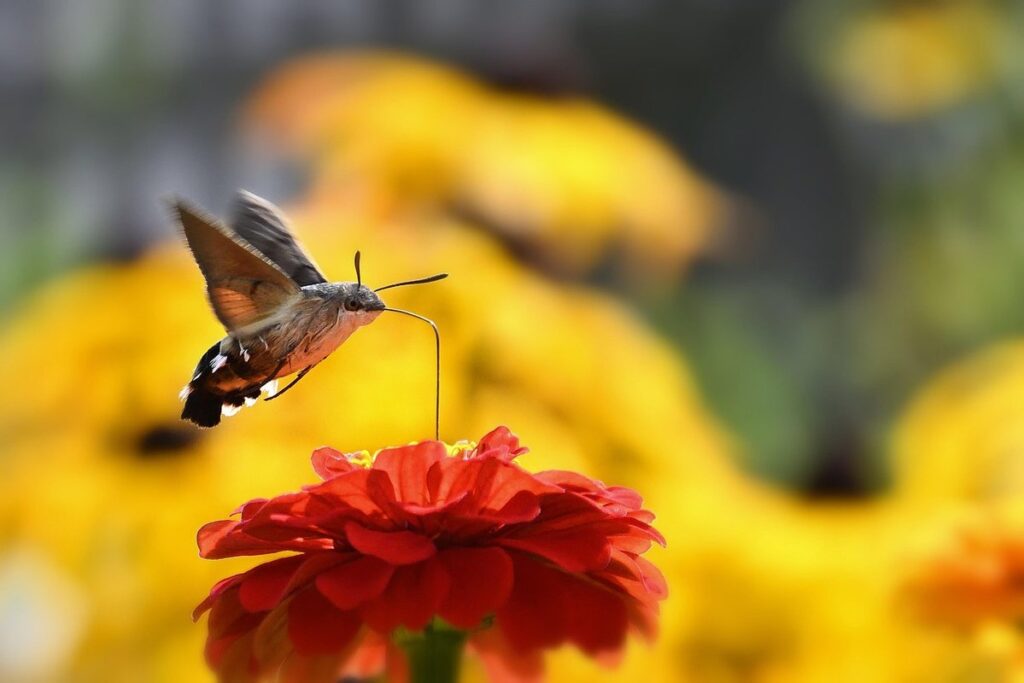
The Hummingbird Hawk Moth, also known as the Giant Hawk Moth, is another common species found near porch lights. It’s a diurnal creature that feeds on nectar-rich flowers during the day but can be active at night when it’s attracted to the light sources.
Factors Contributing to Moth Attraction
Moths are drawn to porch lights for a combination of reasons. One primary factor is warmth. Porch lights emit heat, which attracts moths as they seek shelter from cooler outdoor temperatures. This is particularly true during the fall season when many moth species begin to migrate indoors.
Light itself is another significant attractant. Moths are naturally drawn to bright light sources, often mistaking them for the moon or stars. The ultraviolet (UV) and infrared radiation emitted by porch lights can also stimulate their visual system, making it difficult for them to resist its pull.
Scent also plays a role in moth attraction. Female moths release pheromones to attract males, but they are also drawn to the scent of food sources and other environmental cues. Porch lights can reflect scents from nearby plants or flowers, further enticing moths to congregate around them.
Identifying Moth Species by Appearance
When you spot a moth at your porch light, being able to identify it can be just as fascinating as the creature itself. Let’s take a closer look at how to distinguish between different species based on their appearance alone.
Color Patterns and Markings
Moths display a stunning array of color patterns and markings, which serve as crucial identifiers for species. The Viceroy moth (Limenitis archippus), for instance, boasts distinctive eye spots on its hindwings that resemble those found on wasp bodies. This mimicry helps deter predators from attacking the moth.
Other notable examples include the Polyphemus moth’s striking eyespots and the Luna moth’s long tails with red or orange markings. The Grayling moth features a delicate arrangement of grayish-brown stripes, while the Cinnabar moth sports vibrant red spots on its wings.
When observing moths attracted to your porch light, pay attention to these visual cues. Note the color combinations, patterns, and shapes that distinguish one species from another. You can also use field guides or consult online resources to cross-reference your observations.
Some key points to keep in mind:
- The presence of eyespots doesn’t necessarily indicate a moth’s ability to see.
- Moths often display different markings on their forewings and hindwings, which may help identify the species.
- Color patterns can be more prominent under certain lighting conditions.
Wing Shape and Size
Moths have a wide range of wing shapes and sizes, which can be crucial clues for identifying specific species. For example, the lichen moth has distinctive long, narrow wings with a fringed edge, while the owlet moths have broad, rounded wings with a smooth edge.
Some common wing shapes include: rectangular, triangular, and oval. Wing size also varies greatly between species, from the tiny micro-moths that are barely visible to the naked eye to the large hawk moths that can reach up to 5 inches in wingspan.
When examining the wings of a moth at your porch light, look for unique characteristics such as vein patterns, edge shapes, and wing tip forms. For instance, the polyphemus moth has distinctive long, curved veins on its hindwings. The shape and size of the wings can also provide clues about the moth’s habits and habitats.
In general, moths with broad wings tend to be more active flyers than those with narrow wings. Conversely, moths with long wings may be more adapted for gliding or soaring. By paying attention to these details, you can begin to identify specific species and learn more about their unique characteristics.
Understanding the Importance of Habitat and Behavior
To truly appreciate these mysterious creatures, it’s essential to understand how their habitat and behavior influence their nocturnal flights towards porch lights. We’ll explore what this means for moth identification.
Understanding Moth Migration Patterns
Moths are known to migrate across vast distances, with some species traveling thousands of miles each year. To understand their migration patterns, it’s essential to recognize the routes and destinations they follow. Many moths, such as the Luna Moth and Polyphemus Moth, migrate from Canada and the northern United States to Mexico and the southern states. These migratory journeys can be triggered by changes in temperature, humidity, and daylight hours.
Some moth species are more prone to migration than others. For example, the Hummingbird Hawk Moth is known to make long-distance migrations between Europe and North Africa. In contrast, other moths like the Polyphemus Moth tend to migrate shorter distances within their native ranges.
To track moth migration patterns, researchers often use radar technology to monitor the movement of large groups of moths. This data can help identify peak migration periods and provide insights into the factors that influence these migrations. By understanding where and when different moth species migrate, you can better anticipate which species may be attracted to your porch light during specific times of the year.
Recognizing Nocturnal vs. Diurnal Activity
Moths exhibit diverse activity patterns, with some species being nocturnal and others diurnal. Noticing these differences can aid in identification and understanding their behavior near porch lights. Nocturnal moths are active at night, often drawn to the warmth and light of porch lights. They may flutter erratically or hover around the light source before landing on nearby surfaces. In contrast, diurnal moths are active during the day and tend to be more sedentary, resting on vegetation or other objects.
To recognize nocturnal vs. diurnal activity, observe the time of day when you spot moths near your porch light. If they’re present during evening hours, it’s likely a nocturnal species. On the other hand, if you notice them during the daytime, they might be diurnal. Additionally, pay attention to their behavior: nocturnal moths tend to fly erratically and rapidly, while diurnal ones may fly slowly or remain stationary.
Some species, like the Polyphemus moth, are crepuscular, meaning they’re active at twilight hours. This can make identification more challenging, as their activity patterns overlap with both nocturnal and diurnal species.
Porch Light Trap Methods for Capturing Moths
To capture these mysterious creatures, you’ll want to try a few different approaches using your porch light as a trap. One method involves placing sticky tape near the light source.
DIY Traps Using Household Items
When creating DIY traps using household items, it’s essential to choose materials that are non-toxic and won’t harm the moths. A simple jar trap can be made by filling a clean glass jar with 1-2 inches of apple cider vinegar or fruit juice. Cover the top with plastic wrap or a cloth, securing it with a rubber band. Poke some small holes in the material to allow the moths to enter but not escape.
Another option is using paper bags or cardboard boxes as traps. Place a bowl of sugar water near the entrance, and the moths will be attracted to the sweet scent. Cover the bowl with plastic wrap or a cloth, securing it similarly to the jar trap. The moths will fly in but won’t be able to escape.
When placing DIY traps, consider using UV light sources to attract more moths. Position them 10-15 feet away from the porch light to avoid confusing the moths and encouraging them to fly towards the light instead of the trap. Regularly check the traps and release any captured moths unharmed. Remember that these traps are not a substitute for proper identification; always observe and record the moth’s characteristics before releasing it.
Commercially Available Moth Traps
Commercially available moth traps offer a convenient and effective way to capture moths near porch lights. These pre-made traps can be a good option for those who want to avoid building their own DIY trap or are short on time. Some popular commercial moth traps include sticky traps, UV light traps, and baited traps.
Sticky traps use adhesive surfaces to catch moths, while UV light traps attract moths with specific wavelengths of light. Baited traps lure moths in with scents like pheromones or food sources. Each type has its pros and cons: for example, sticky traps can be less effective in humid environments, but are easy to clean and reuse.
When choosing a commercial moth trap, consider the space where it will be used. Larger traps may be more suitable for bigger areas, while smaller ones can fit into tight spaces. It’s also essential to check the trap’s compatibility with your porch light type (e.g., LED or incandescent) to ensure safe and effective operation.
Some commercial moth traps come with additional features like timers or adjustable UV settings. These features can help you tailor the trap’s performance to specific moth species and activity patterns. When using a commercial moth trap, place it near the porch light at dusk when moths are most active for optimal results.
Safety Considerations When Handling Moths
When attracting moths to your porch light, it’s essential to handle these delicate creatures gently and humanely. Here are some crucial safety considerations to keep in mind when interacting with moths.
Proper Handling Techniques
When handling moths, it’s essential to prioritize their safety and well-being. Moths are delicate creatures with fragile bodies, so gentle care is necessary to prevent injury or stress. One crucial aspect of proper handling technique is supporting the moth’s wings. Gently place a small piece of paper or a soft-bristled brush under the moth’s wings to provide support and keep them from getting damaged.
Direct sunlight can be detrimental to moths, as it can cause dehydration and heat stress. When handling moths, avoid direct exposure to sunlight by keeping them in a shaded area or using a UV-filtering light source. This is particularly important for sensitive species like the Luna Moth or Polyphemus Moth.
To handle moths safely, use a soft, dry cloth to gently grasp them, making sure not to touch their delicate wings. It’s also essential to move slowly and calmly around the moth to avoid startling it. If you need to release the moth outdoors, do so in a location with minimal light pollution and where other insects are unlikely to be present.
When transporting moths for identification or observation, consider using a secure, escape-proof container with airholes to maintain humidity and prevent injury.
Precautions Against Stinging or Biting Insects
When handling moths near porch lights, it’s essential to be aware of potential stinging or biting insects that may also be present. These can include wasps, bees, ants, and even spiders. Some species of moths, like the Luna Moth, have a unique defense mechanism where they release a foul-smelling fluid from their abdomen when threatened. While this is not typically painful to humans, it’s still unpleasant.
To prevent encounters with stinging or biting insects, maintain a clean and clutter-free area around your porch light. Regularly sweep away debris and leaves that can attract wasps, bees, and ants. Avoid using strong-smelling chemicals or perfumes near the porch light, as these can attract pests.
When approaching a moth caught in a trap or on a nearby surface, carefully observe its behavior from a safe distance. If you notice any aggressive behavior, such as rapid movements or loud buzzing, it’s best to leave the area and seek assistance if necessary. When handling moths, wear long sleeves and gloves to minimize skin exposure.
Be cautious not to disturb spider webs or nests near your porch light, as these can contain biting insects like spiders or scorpions. Regularly inspect the area for signs of pest activity and take prompt action if you notice any issues.
Advanced Identification Methods Using Technology
Now that you’ve learned how to attract these mysterious moths, it’s time to take your identification skills to the next level using advanced technology tools and techniques.
Using Smartphone Apps for Moth Identification
Smartphone apps have become a valuable tool for moth identification, allowing enthusiasts and researchers to quickly and accurately identify species using their mobile devices. One such app is iNaturalist, which leverages a vast community-driven database of observations to help users identify moths based on photos and descriptions.
Other notable apps include Moth Photographers Group and BugGuide, both of which provide detailed information on moth species, including identification guides, distribution maps, and life cycle stages. However, it’s essential to note that while these apps are incredibly useful, they often rely on user-submitted data, which may not always be up-to-date or accurate.
When using smartphone apps for moth identification, consider the following: ensure your device has a good camera with sufficient lighting, take clear and well-focused photos of the moth’s wings and body from multiple angles, and use the app’s built-in measurement tools to estimate wing span. Be aware that some apps may have limitations in terms of species coverage or accuracy, so it’s crucial to cross-check your findings with other resources whenever possible.
Digital Microscopes for Close-Up Examination
When examining moths under a digital microscope, it’s essential to capture high-quality images for further analysis. Start by positioning the moth gently on a stable surface, such as a glass slide or a piece of white cardboard. This will help prevent accidental movement and ensure a clear view.
For optimal image capture, use a macro lens attachment or a smartphone with a good camera. Consider using natural light or a well-lit background to minimize shadows and enhance detail. When taking photos, focus on specific features like scales, antennae, or wing patterns. Zoom in to capture the smallest details, but avoid over-zooming, which can distort the image.
Digital microscopes often come with built-in software for image analysis. Familiarize yourself with these tools by exploring their features and settings. Use the software’s measuring and annotating functions to accurately record the moth’s characteristics, such as wing length or scale patterns. Compare your findings with reference images or online databases to confirm identification.
Frequently Asked Questions
Can I use a single moth trap to catch multiple species?
Yes. Many moths can be caught using the same trap, as they’re often attracted to similar conditions such as light and warmth. However, it’s essential to note that some traps might be more effective for specific species due to their unique characteristics.
What if I’m unsure whether a moth is nocturnal or diurnal?
Don’t rely solely on time of day to determine the type of activity. Observe the moth’s behavior: nocturnal moths tend to be active at dusk and dawn, while diurnal ones are more active during the day. However, some species may exhibit unique patterns, so it’s crucial to observe their habits closely.
Can I use a commercial moth trap indoors?
While commercially available traps can be effective outdoors, using them indoors might not be suitable for every situation. Before setting up a trap indoors, consider factors like room size, ventilation, and potential disruptions to daily activities. It’s also essential to follow the manufacturer’s guidelines for indoor use.
What if I’m struggling to identify a moth species due to its wing shape or color pattern?
Don’t worry if you’re having trouble identifying a moth at first glance. Use a combination of reference materials, such as field guides or smartphone apps, and observe the moth from different angles. Sometimes, moths can change their color patterns or wing shapes based on environmental factors, so taking multiple observations can be helpful in making an accurate identification.
Can I use a DIY trap for capturing large numbers of moths?
While DIY traps are effective for individual captures, they might not be suitable for larger quantities. Consider investing in commercially available traps designed for bulk moth capture or experimenting with more advanced methods like pheromone traps.