
As you hang a new string of fairy lights on your porch, you might notice a fluttering presence that’s been drawn to the warm glow. Moths are one of the most common visitors to outdoor lighting, and by setting up your porch light in a moth-friendly way, you can attract these fascinating creatures for observation. With their striking patterns and intriguing life cycles, moths offer hours of entertainment for nature enthusiasts. However, identifying different species can be challenging without guidance. That’s where our comprehensive checklist comes in – covering tips on creating a welcoming environment, selecting the right lighting, and recording moth activity to help you make the most of your porch light observations. By following this checklist, you’ll be able to attract and identify moths at your porch light with confidence.
Setting Up Your Backyard Sanctuary
Transforming your porch into a moth-friendly haven is easier than you think, and it starts with creating a welcoming backyard sanctuary that attracts these beautiful creatures. Let’s set up your porch for moths to thrive!
Creating a Moth-Friendly Environment
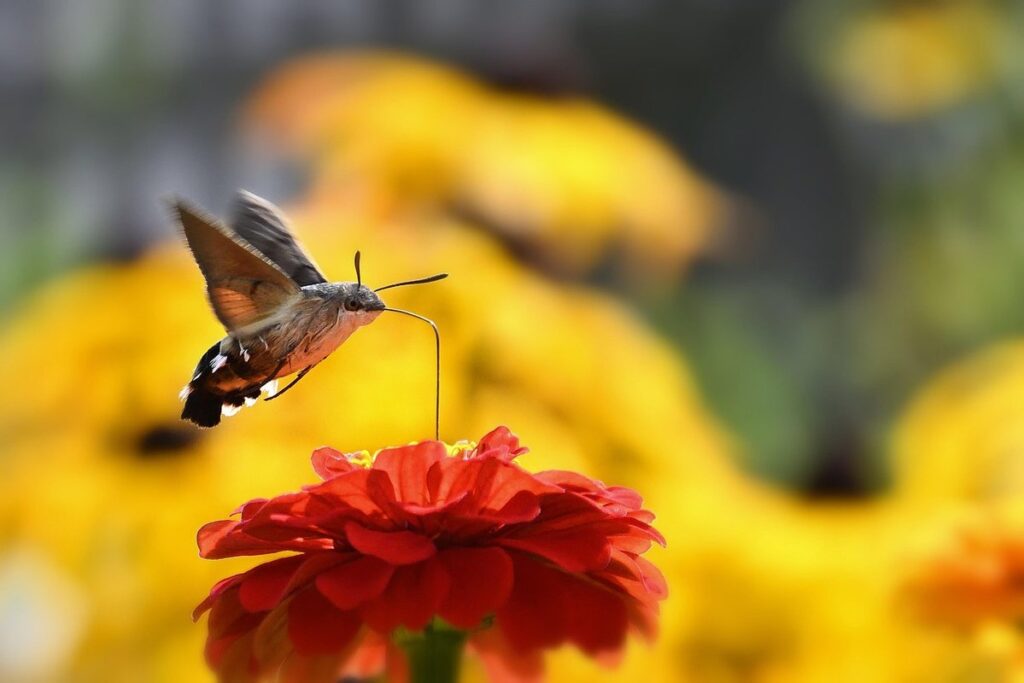
To attract moths to your porch light, you need to create a moth-friendly environment. Start by incorporating plants with nectar-rich flowers into your garden or nearby landscaping. These flowers provide a source of energy for adult moths and can be particularly attractive to species like the hummingbird hawk moth or the white-lined sphinx.
In addition to flowers, consider installing a shallow dish or birdbath with fresh water. Moths need water for drinking and egg-laying, so having a reliable source nearby will make your porch light more appealing. Avoid using bright, shiny surfaces near the light, as these can reflect the light away from moths and reduce their visibility.
Finally, ensure that food is readily available by leaving some areas of your garden or yard unmanicured. Moths rely on plant material for feeding and shelter, so having a mix of native vegetation and weeds will provide them with the resources they need to survive. By creating this moth-friendly environment, you’ll increase the chances of attracting a variety of species to your porch light for observation and study.
Choosing the Right Lighting for Moths
When it comes to attracting moths to your porch light, the type of lighting you use is crucial. Moths are drawn to warm colors and ultraviolet (UV) light, which is why yellow or UV LEDs are ideal for moth observation. These lights emit a spectrum that’s visible to moths but not to humans, making them perfect for attracting these nocturnal visitors.
To set up a moth-friendly lighting system, start by replacing your existing porch light bulbs with yellow or UV LEDs. You can also supplement this with additional lighting sources, such as mercury vapor lamps or black lights, which emit a strong UV glow. When positioning the lights, keep in mind that moths are attracted to light sources at a distance, so place them at least 6-8 feet away from any potential landing spots.
For an added attraction, consider using a combination of yellow and UV lighting. This will create a unique spectrum that’s particularly appealing to moths. Experiment with different lighting setups to find the one that works best for your porch light observation station.
Preparing Your Porch Light for Observation
Before you start observing, make sure your porch light is ready for its starring role by checking its brightness and replacing any worn-out bulbs. A well-lit porch is essential for attracting moths to your observation area.
Cleaning and Maintenance Routine
Dust and debris can accumulate on your porch light’s glass covers and fixtures, obstructing the flow of insects. Regular cleaning and maintenance are essential for optimal moth observation. Start by dusting the light’s fixture with a soft-bristled brush or a dry cloth to remove any loose particles. For more stubborn stains or grime buildup, mix a solution of mild soap and warm water on a soft cloth.
Avoid using harsh chemicals or abrasive materials that can damage the light’s finish. Clean glass covers should be free of streaks and residue for clear visibility. Replace the bulb every 6-12 months, as dimming lights can deter moths from approaching. Consider installing energy-efficient bulbs with a yellow or orange hue, which are more attractive to moths than standard white bulbs.
Regularly inspect your porch light’s condition and address any issues promptly. A well-maintained light will provide better visibility for observing moths, helping you identify and record their behavior with greater accuracy.
Setting Up a Moth Attractant
To create an effective moth attractant for your porch light observation station, you’ll want to focus on sweet-tasting substances that draw in moths. A simple sugar water solution is a popular choice: mix one part granulated sugar with four parts water and stir until the sugar dissolves completely. You can place this mixture in a shallow dish or container near the porch light. Fruit such as bananas, apples, or berries also attract moths; try placing them on a nearby tray or plate.
Some flowers, like lavender or honeysuckle, have strong scents that draw in moths. Place these near the porch light to create a welcoming environment. When choosing what substance to use, consider the type of moth you’re trying to attract. For example, adult hummingbird hawk moths are particularly drawn to long-tubed flowers like honeysuckle.
When it comes to placement, keep the attractant about 10-15 feet away from the porch light to prevent overwhelming the area with too many moths at once. As for quantity, start with a small amount and adjust as needed – you don’t want to create an environment that’s too competitive for your attention.
Identifying Common Porch Light Moths
As you observe the moths gathering around your porch light, it’s essential to be able to identify the most common species that visit your home. In this section, we’ll explore the distinctive characteristics of these frequent visitors.
Understanding Moth Life Cycles and Behavior
Moths undergo a complete transformation from egg to larva to pupa and finally to adult. Understanding these life stages is crucial for identifying common porch light moths. The female moth lays her eggs on leaves or stems of the host plant, typically 2-4 days after mating. The eggs hatch into hungry larvae within 3-5 days, feeding on nearby vegetation before burrowing underground to pupate.
During this time, adult moths exhibit various behavior patterns. Some species migrate long distances in search of food or mates, while others are sedentary and remain close to their host plants. Mating habits also vary; some moths engage in complex courtship rituals, including pheromone signals, while others mate immediately after emerging from the pupal stage.
When observing porch light moths, it’s essential to note that adult moths typically live for 1-4 weeks, depending on factors like food availability and predation. This relatively short lifespan can lead to rapid population fluctuations, making it crucial for observers to monitor moth activity regularly. By understanding these life cycles and behavior patterns, you’ll be better equipped to identify common porch light moths and appreciate the fascinating world of nocturnal moths at your doorstep.
Key Characteristics for Identification
When observing common porch light moths, it’s essential to focus on key identification features. The Polyphemus moth, for instance, boasts a striking eye spot pattern and feathery antennae. In contrast, the Luna moth has distinctive long tails and slender bodies. Meanwhile, the Hummingbird hawk moth is known for its bright colors and rapid wing movement.
One of the primary characteristics to note is the shape and size of the moths’ wings. Polyphemus moths often have large, rounded wings with a subtle pattern, while Luna moths tend to have more transparent wings with long tails. Hummingbird hawk moths, however, have vibrant colors and a rapid beating motion.
Additionally, observe the moths’ antennae, which can be long and feathery in some species or shorter and club-shaped in others. The coloration of their bodies is also crucial, ranging from dull browns to bright pinks and purples. By paying attention to these characteristics, you’ll be able to identify common porch light moths with greater accuracy.
Recording and Observing Moth Activity
When monitoring moths at your porch light, accurately recording and observing their activity is crucial to creating a comprehensive checklist of species. Pay close attention to timing, weather patterns, and any notable behaviors you witness.
The Importance of Data Collection
Collecting and analyzing data on moth activity at your porch light provides valuable insights into population trends and migration patterns. This information can help you understand how your local moth populations are affected by environmental changes, such as temperature fluctuations or habitat destruction.
By tracking moth sightings over time, you can identify seasonal patterns and note any unusual variations. For instance, if you notice a sudden increase in the number of moths visiting your porch light during a particular month, it could indicate that they’re migrating through your area. Conversely, a decrease might suggest that their habitats are being disrupted.
Analyzing data on moth activity also helps you identify species-specific patterns. Some moths may be more active at dawn or dusk, while others prefer the cover of darkness. By recording these observations, you can refine your observation schedule and increase the chances of spotting rare or elusive species.
To collect meaningful data, maintain a consistent recording schedule and use clear, descriptive notes to document each sighting. Consider using a spreadsheet or database to organize and visualize your findings, which can help reveal trends and patterns that might not be immediately apparent.
Tips for Effective Observation and Photography
When observing moths, especially around a porch light, it’s essential to do so safely and effectively. This means positioning yourself in a way that doesn’t startle the moths, allowing them to fly freely without being disturbed. For photography, use a camera with a good low-light sensitivity and consider using a flash to illuminate the moth’s features. A macro lens can also be helpful for capturing detailed shots.
For effective observation, try to maintain a consistent vantage point near the porch light to track moths’ movements over time. Take notes on the species you encounter, including any distinctive markings or behaviors. Consider investing in a camera with video capabilities to record longer periods of activity and observe nocturnal behavior more easily.
To enhance your experience, experiment with different lighting setups, such as using UV lights or colored bulbs to attract specific moth species. You can also try adjusting the light’s angle or brightness to see how it affects moth behavior. Additionally, having a comfortable seating arrangement near the porch light will allow you to observe moths for extended periods without fatigue.
Advanced Techniques for Moth Enthusiasts
For more experienced moth enthusiasts, we’ll explore specialized methods to enhance your porch light observations and capture detailed insights into nocturnal moth behavior. This includes tips on optimal lighting setups and observation strategies.
Using Camera Traps and Time-Lapse Photography
Camera traps and time-lapse photography are powerful tools for capturing high-quality images of moths at your porch light. A camera trap is a motion-activated camera that can be set up to capture photos or videos when a moth lands nearby. To use a camera trap effectively, position it near the porch light, but not directly under the light, as this can cause glare on the lens. Choose a location with minimal obstruction and good visibility.
For time-lapse photography, set your camera to take multiple images over a short period, such as every 10-15 seconds. This will create a sequence of photos showing the moth’s movement and behavior. Experiment with different intervals and settings to capture unique effects. When using either method, consider placing a small attractant like a sugar-water feeder or a fragrant plant nearby to increase the chances of capturing moths in action.
Some popular camera trap options for backyard use include the Bushnell NatureView and the Reconyx HyperFire. These cameras often come with weather-resistant housings and can be set up using a smartphone app.
Analyzing Data with Software Tools
To extract meaningful insights from your moth observation data, you can utilize software tools like Excel or specialized apps designed for tracking and analyzing insect activity. For instance, programs like iNaturalist or Moth Tracker allow you to record observations and automatically generate maps of moth distribution within a specific area.
In Excel, you can set up spreadsheets to track variables such as the date and time moths are spotted, their species identification, and any notable behaviors observed. This enables you to quickly identify trends in moth activity over time or across different nights. You might discover that certain species tend to emerge during full moon phases or on warm summer evenings.
To further refine your analysis, consider importing data from camera traps or time-lapse photography into Excel or a dedicated app. This can provide a more comprehensive picture of moth behavior and allow you to identify patterns in activity that may not be apparent through observation alone. By leveraging these software tools, you’ll be better equipped to draw conclusions about the moths visiting your porch light and inform future observations.
Frequently Asked Questions
Can I use LED bulbs with higher color temperatures for moth observation?
Yes, some moths are attracted to ultraviolet light, which is often produced by LEDs with higher color temperatures. However, be aware that these lights may also attract other insects, and you might need to experiment with different bulb types to find the right balance.
How do I know if my moth-friendly environment is attracting the right species?
Observe the moths visiting your porch light during different times of day and night, as well as throughout the seasons. Take note of their size, color patterns, and any distinctive markings or features. This will help you identify which species are most commonly attracted to your setup.
What if I notice a large number of moths gathering at my porch light, but they seem unhealthy or stressed?
If you observe moths that appear weak, disoriented, or struggling to fly, consider adjusting the lighting or attractant placement. You may also want to check for any potential sources of stress in your backyard environment, such as pesticide use or nearby lights that could be disrupting moth behavior.
Can I use a single porch light to support multiple species with different attraction preferences?
Yes, using a combination of light types and attractants can help draw in various moth species. For example, you might place yellow LED bulbs near sugar water attractants for hummingbird hawk moths while keeping ultraviolet LEDs farther away to attract other species.
How do I handle the challenge of photographing moths that are active only at dawn or dusk?
To capture high-quality images of moths during these times, invest in a camera with good low-light performance and consider using flash equipment. You may also want to experiment with different camera settings, such as slower shutter speeds or higher ISOs, to improve image quality in low light conditions.