
If you’ve ever taken a stroll through a forest or watched from your backyard, chances are you’ve caught a glimpse of nesting birds in action. These incredible creatures work tirelessly to create intricate homes for themselves and their young, often in some of the most challenging and beautiful environments on our planet. From delicate spider silk nests to sturdy twig structures, the types of nests these birds build are as fascinating as they are functional.
As we learn more about nesting birds and the importance of conservation efforts, it’s clear that their habitats and populations need our help. This article will delve into the world of nesting birds, exploring not only the different types of nests but also strategies for protecting these remarkable creatures and their environments. By understanding how to support these incredible birds, we can work together towards a future where they continue to thrive.
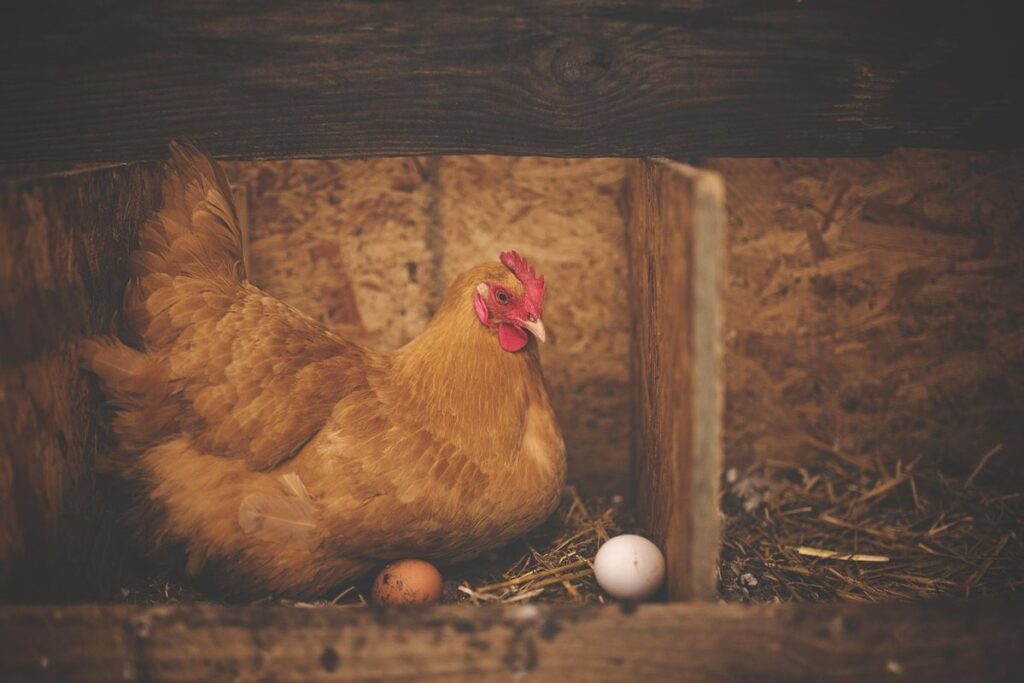
Understanding Bird Nesting Behavior
When it comes to building their homes, birds are incredibly resourceful and intelligent creatures, and understanding their nesting behavior is a fascinating topic that’s sure to delight bird enthusiasts.
Types of Bird Nests
Birds have evolved unique nesting strategies to ensure their young’s survival. One of the most fascinating aspects of bird behavior is the variety of nests they build and use. Let’s explore four primary types of bird nests: cavity nests, cup nests, platform nests, and burrow nests.
Cavity nests are typically found in hollow tree trunks or rock crevices. Birds like woodpeckers and bluebirds excavate nesting cavities using their strong beaks and claws. These nests often have a single entrance and provide excellent protection from predators. Examples of cavity-nesting birds include the Pileated Woodpecker and the Western Bluebird.
Cup nests, on the other hand, are typically built in exposed locations like branches or shrubs. They’re characterized by a shallow depression lined with soft materials like grasses or plant down. Birds like robins and sparrows use cup nests to raise their young. These nests often have multiple entrances, making them vulnerable to predators.
Platform nests are flat structures built on top of a branch or a horizontal surface. Herons and egrets use these nests to lay their eggs, which are then incubated by both parents. Platform nests provide an elevated view for the birds to scan their surroundings for potential threats.
Burrow nests are dug into soil or sand, often in underground tunnels or burrows. Birds like owls and kingfishers use these nests to hide from predators and regulate their body temperature.
Importance of Nesting Sites
Nesting sites play a vital role in the survival and success of bird populations. When selecting a nesting site, birds consider factors such as location, vegetation, and safety from predators. For example, some species prefer open areas with minimal tree cover to reduce predator ambush points, while others seek dense forests for camouflage.
However, human activities have significantly impacted nesting bird populations. Urbanization has led to habitat destruction, noise pollution, and increased predation risks. Deforestation and land conversion for agriculture or urban development further fragment habitats, leaving birds isolated and vulnerable. Climate change affects the timing of breeding seasons, making it challenging for birds to adapt.
To mitigate these impacts, we can create bird-friendly nesting sites by preserving natural habitats, incorporating native vegetation into urban landscapes, and reducing light pollution at night. By understanding the importance of nesting sites, we can work towards conserving bird populations and preserving biodiversity.
Adaptations for Different Environments
Birds have adapted to build nests in almost every environment on Earth. In arid deserts, for example, birds like the Phainopepla construct twig and grass nests that provide minimal protection from scorching temperatures but are essential for breeding. These nests are often situated near water sources or under the shade of a tree.
In dense rainforests, birds such as hornbills use their strong beaks to excavate nesting holes in trees. The entrance to these cavities is usually narrow and guarded by the parent bird. This unique adaptation helps safeguard against predators that might try to access the nest through the main entrance.
Meanwhile, in the harsh tundra regions of the Arctic, birds like the Snow Bunting build their nests on ground surfaces using vegetation, rocks, and other materials they forage from around them. These structures are critical for survival as they protect the eggs and chicks from subzero temperatures and fierce winds.
Consider observing these unique adaptations when creating a backyard habitat that supports nesting birds.
The Process of Building a Nest
When it comes to building a nest, birds are incredibly skilled engineers, using twigs, grasses, and other materials to create safe havens for their young. Let’s take a closer look at how they accomplish this impressive feat of construction.
Gathering Materials and Tools
When it comes to building their nests, birds are incredibly resourceful and creative. The essential materials and tools they use can vary greatly depending on the species, but some common items include twigs, grasses, mud, and spider silk.
Twigs are a staple material for many bird species, providing structural support and shape to the nest. Some birds, like robins and blue jays, will often collect specific types of twigs with unique shapes or colors to add visual interest to their nests. Grasses, on the other hand, are commonly used by birds like sparrows and finches to line their nests and provide insulation.
Mud is another crucial material for many bird species, particularly waterbirds and herons. They’ll often collect mud from nearby water sources and shape it into a sturdy cup or bowl to cradle their eggs and chicks. Spider silk, which is incredibly strong and lightweight, is also prized by some birds like the weaverbird and the oriole.
Each bird species has its unique way of gathering materials and tools, often relying on their keen eyesight, sharp beaks, and agile bodies to collect what they need. By understanding these essential components and how they’re gathered, you’ll have a deeper appreciation for the incredible engineering skills displayed by nesting birds every year.
Nest Architecture and Design
Birds are incredibly creative when it comes to designing their nests. Each species has its unique approach to building a safe and cozy home for itself and its chicks. Let’s take a closer look at some of the most common nest architectures and designs.
One of the most recognizable types is the cup-shaped nest, typically seen in birds like wrens and sparrows. These nests are usually made from twigs, grasses, and other plant material, carefully woven together to form a sturdy yet delicate cup that can cradle eggs or chicks. The purpose behind this design is to provide protection from predators and harsh weather conditions.
Other bird species opt for more elaborate structures like platforms or even intricate webs of branches. For example, herons often build large nests on top of trees or power lines, using sticks and mud to create a solid foundation. Meanwhile, some species of spiders spin complex webs that serve as both shelter and hunting grounds.
What’s fascinating is how each design reflects the bird’s specific needs and environment. By observing these variations, we can appreciate the ingenuity and adaptability of nesting birds. So, if you’re an aspiring birder or simply interested in understanding our feathered friends better, take note of the unique nest designs found in different species – it’s a remarkable example of evolutionary diversity!
Time and Effort Involved in Nest Building
When it comes to building their nests, birds can spend anywhere from a few hours to several weeks or even months on this critical task. The time and effort involved vary greatly depending on the species, with some birds constructing elaborate structures that require an enormous amount of materials and labor.
On average, females do most of the heavy lifting when it comes to nest building. They gather twigs, leaves, grasses, and other plant material, often traveling long distances to find the perfect building site. Males may assist by providing food or gathering smaller items like feathers or spider webs, but their role is largely supportive.
For example, bluebirds typically spend around 10-14 days building a nest, with females doing most of the work. In contrast, robins can take up to six weeks or more to complete their nests, with both males and females contributing to the process. Understanding the time and effort involved in nest building is essential for bird enthusiasts who want to provide support or create bird-friendly environments.
Birds’ Nesting Behaviors: Mating and Incubation
When it comes to raising their young, birds often go to great lengths to ensure a successful mating and incubation process. Let’s take a closer look at how these critical behaviors shape a bird’s nesting habits.
Courtship Rituals and Mate Selection
Birds have evolved elaborate courtship rituals to attract a suitable mate and secure pair bonding. These displays of plumage, songs, and dances serve as a crucial way for birds to showcase their quality, health, and genetic fitness. For example, the majestic peacock’s impressive spread of iridescent feathers is a testament to its vibrant coloration and strong immune system.
Male northern mockingbirds are known for their melodic singing skills, which they use to serenade potential mates. In fact, research has shown that the complexity and duration of a male’s song can predict his reproductive success. On the other hand, some bird species like the red-winged blackbird engage in energetic displays of aerial courtship, performing complex flights and dives to woo their female counterparts.
When it comes to pair bonding, birds exhibit remarkable loyalty and commitment. Many species form long-term monogamous relationships, with some even cooperating in parental duties such as incubation and chick-rearing. By observing these fascinating courtship rituals, we can gain a deeper appreciation for the intricate social dynamics at play within bird communities.
Egg-Laying and Incubation Periods
When it comes to egg-laying and incubation periods, each bird species has its own unique approach. Clutch size, for instance, can vary greatly depending on the bird’s lifestyle and environmental factors. Some birds, like robins and swallows, typically lay 3-4 eggs at a time, while others, such as eagles and owls, may have clutches of up to 5 or more eggs.
Incubation temperature is another crucial factor that affects chick development. Most bird species require an egg temperature of around 98°F (36.7°C) to 100°F (37.8°C) to incubate successfully. However, some birds like hummingbirds and kingfishers have specific incubation requirements, with temperatures ranging from 90°F (32.2°C) to 95°F (35°C).
Brooding behavior is also essential during the incubation period. Many bird species will take turns sitting on their eggs or chicks, regulating their body heat to keep them warm. Some birds like penguins and ostriches are known for their unique brooding styles, using their feet or stomachs to incubate their eggs.
When attracting nesting birds to your backyard, it’s essential to consider these factors when providing a suitable environment for egg-laying and incubation. This may involve installing a nesting box with specific temperature requirements or offering food sources that cater to the bird species’ dietary needs. By understanding the intricacies of egg-laying and incubation periods, you can create a welcoming space for these remarkable creatures.
Nest Protection and Defense Mechanisms
Protecting their nests is a top priority for birds, and they’ve developed some incredible strategies to keep predators at bay. Camouflage is one of the most effective defense mechanisms used by birds. They carefully select nesting sites that blend in with their surroundings, making it difficult for potential threats to spot their homes. Some birds even adopt similar plumage patterns or coloration to match their environment.
Deception is another clever tactic employed by birds to protect their nests. For instance, some species will build decoy nests or false eggs to mislead predators into attacking the fake nest instead of the real one. This cunning strategy has been observed in many bird species, including the Common Cuckoo and the Black-headed Duck.
Aggression is also a common defense mechanism used by birds. Many species will fiercely defend their nests against rival birds or predators, using loud calls, wing-flapping, and even physical attacks to scare them off. For example, some bird species, like the Northern Mockingbird, are known to aggressively attack intruders, including humans, that come close to their nest.
By understanding these defense strategies, you can learn how to peacefully coexist with nesting birds and avoid disrupting their habitats. When walking through areas with known bird populations, be mindful of your surroundings and keep a safe distance from potential nests to avoid startling the parents or chicks.
Common Threats to Bird Nests: Human Impact and Conservation Efforts
Human activities are a significant threat to bird nests, causing habitat destruction, pollution, and collisions that can be devastating for these vulnerable structures. Let’s explore the common threats birds face in their nesting habitats.
Habitat Destruction and Fragmentation
When we think about bird nests, it’s easy to focus on the adorable birds themselves. However, the reality is that human activities have a profound impact on the very habitats where these incredible creatures make their homes. Habitat destruction and fragmentation are among the most significant threats to bird populations.
Deforestation, driven by logging, agriculture, and urbanization, has led to widespread habitat loss. According to the United Nations, over 13 million hectares of forest are lost each year. This not only destroys nesting sites but also disrupts food chains, leaving birds without the resources they need to survive. Urbanization, on the other hand, brings about increased noise pollution and altered ecosystems that make it difficult for birds to find suitable nesting spots.
Climate change further exacerbates these issues by altering weather patterns, sea levels, and temperature ranges. This can lead to habitat loss due to rising waters or changing vegetation patterns. Habitat fragmentation, where large tracts of land are broken up into smaller, isolated patches, also has devastating effects on bird populations. Birds may struggle to find suitable nesting sites, food sources, and breeding grounds within these fragmented habitats.
To combat these issues, we can start by making conscious choices in our daily lives. We can reduce our carbon footprint by using public transport or carpooling, choose products with sustainable packaging, and support organizations working to protect bird habitats. By taking action today, we can help safeguard the future of nesting birds tomorrow.
Pollution and Climate Change
Pollution and climate change pose significant threats to bird nests, affecting their reproduction, migration patterns, and overall survival. Chemical contamination from pesticides and fertilizers can seep into soil and water sources, harming birds that nest on or near these areas. Oil spills, like the infamous Exxon Valdez disaster, devastate coastal ecosystems, coating birds’ feathers with oil that makes it difficult for them to fly.
Plastic waste, often ingested by mistake, clogs birds’ digestive systems, while microplastics contaminate their food sources. Climate change disrupts avian reproductive cycles, leading to irregular breeding seasons and reduced clutch sizes. Rising temperatures also alter migration patterns, forcing some species to adapt or face extinction. For example, the Arctic tern’s migratory route is shifting due to warmer temperatures in the Arctic.
To mitigate these effects, individuals can support conservation efforts by reducing their carbon footprint, choosing eco-friendly products, and participating in beach cleanups. By taking small steps, we can create a safer environment for nesting birds to thrive in.
Conservation Strategies for Bird Nesting Sites
When it comes to protecting bird nesting sites, conservation efforts can make all the difference. Habitat restoration is an essential strategy for preserving these critical areas. This involves reintroducing native vegetation and removing invasive species that can outcompete native plants for resources.
To take habitat restoration a step further, implementing nest monitoring programs is crucial. These programs involve tracking the number of nests, egg layings, and chick hatchings in specific areas. By doing so, conservationists can identify trends and patterns that inform their efforts to protect vulnerable species.
Education initiatives are also vital in safeguarding bird nesting sites. Community outreach programs can raise awareness about the importance of preserving natural habitats and the impact of human activities on local ecosystems. For instance, a study in Costa Rica found that community-led conservation initiatives resulted in a 25% increase in protected areas over five years.
In your own backyard or neighborhood, you can contribute to bird conservation by creating a nesting-friendly environment. Consider planting native vegetation, reducing pesticide use, and providing alternative food sources for birds during breeding season. Every small action counts in protecting the amazing world of nesting birds!
Observing Bird Nests: Tips for Birdwatchers and Nature Enthusiasts
As you venture into the world of nesting birds, learning how to observe bird nests safely and effectively is crucial for a fascinating experience. This section will guide you on how to do just that.
Identifying Bird Species and Their Nests
When observing bird nests, it’s essential to be able to identify the species that has built them. One of the most effective ways to do this is by paying attention to visual cues such as nest shape, size, and location. For example, a robin’s nest is typically cup-shaped and placed in a shrub or tree branch, while a bluebird’s nest is more oval in shape and often found in a tree cavity.
Birds also use distinctive songs to communicate with each other, which can be an excellent way to identify species. However, not all birds are vocal, so it’s crucial to observe their behavior as well. For instance, hummingbirds are known for their iridescent feathers and rapid wing movement, while orioles can often be identified by their distinctive white wing bars.
When observing bird nests, it’s also essential to do so safely. This means keeping a safe distance from the nest to avoid disturbing the birds, as well as avoiding direct sunlight which can cause them stress.
Best Time and Places to Witness Nesting Birds
When it comes to witnessing birds building and nesting, timing is everything. Most bird species have specific migratory patterns and breeding seasons that determine when they’re most active in constructing their nests. In general, the spring and summer months are the best times to observe nesting birds, as this is typically when they’re at their peak reproductive activity.
In North America, for example, many songbird species migrate north from Central America and Mexico between February and May, coinciding with the start of the breeding season. Similarly, in Europe and Asia, birds like robins and blue tits begin building nests in late March to early April. In warmer climates like Australia and South Africa, the breeding season typically runs from September to November.
To increase your chances of witnessing nesting birds, consider visiting areas with known bird populations during these peak periods. Look for regions with abundant food sources, water, and shelter, such as wetlands, forests, or grasslands. Some popular destinations for birdwatching include national parks, wildlife refuges, and nature reserves like Yellowstone in the US, the Camargue in France, and the Serengeti in Tanzania.
Photography and Recording Equipment for Birdwatchers
When observing bird nests, capturing high-quality images and recordings can be just as crucial as observing the birds themselves. To do so effectively, you’ll need the right photography and recording equipment.
For starters, a good pair of binoculars is essential for getting up close to bird nests without disturbing them. However, if you want to capture crisp, clear images, consider investing in a camera with a telephoto lens or a smartphone with a high-quality camera attachment.
When it comes to sound recordings, a portable digital recorder can be a valuable tool. These recorders allow you to capture the subtle sounds of birds communicating with each other, such as their unique songs and calls. Some popular options include the Zoom H4n or the Tascam DR-05.
Another essential item is a field guide or reference book on bird identification, which will help you learn about the different species’ behaviors, habitats, and characteristics. This knowledge will enable you to better understand what you’re observing and make more informed decisions when capturing images and recordings.
In terms of photography techniques, try using a slow shutter speed to capture birds in motion, or experiment with panning to create a sense of blur around your subject. For sound recording, practice patience and wait for the right moment to capture a bird’s song or call.
Frequently Asked Questions
Can I observe bird nests safely without disturbing the birds or their environment?
When observing nesting birds, it’s essential to maintain a safe distance to avoid disrupting their behavior. Use binoculars or a spotting scope to get a closer look without approaching the nest. Be aware of your surroundings and respect any local regulations or protected areas.
How can I identify different types of bird nests in my area?
To identify various bird nests, study photographs and descriptions of different species’ nesting habits. Familiarize yourself with common nesting sites, such as trees, shrubs, or cliff faces, and look for distinctive materials used in construction. Consult field guides or online resources for specific information on local bird species.
What are some effective ways to protect bird nests from human impact?
Human activities like habitat destruction, pollution, and climate change significantly threaten bird populations. Support conservation efforts by reducing your carbon footprint, using eco-friendly products, and participating in local environmental initiatives. Additionally, consider creating bird-friendly habitats in your garden or community by planting native vegetation and providing water sources.
How can I contribute to the study and protection of nesting birds?
Participate in citizen science projects that monitor bird populations and nesting sites. Share your observations with local wildlife organizations or online platforms to help researchers understand bird behavior and habitat needs. Consider volunteering for conservation efforts, such as planting trees or maintaining trails, to support bird-friendly environments.
What are some common mistakes to avoid when attempting to build a birdhouse or nesting site?
When creating artificial nesting sites, ensure they’re designed with the specific species’ needs in mind. Avoid using materials that may harm birds, like lead or sharp objects. Place birdhouses in suitable locations, considering factors like sunlight, shelter, and proximity to food sources.