
The next full moon is just around the corner, bringing with it a range of effects on both nature and human behavior. Many people experience changes in their moods, energy levels, and even physical health during lunar cycles, making it essential to understand how they can tap into these fluctuations for practical applications. From planning schedules to managing emotions, being aware of the full moon’s impact is crucial for a smoother ride through life’s challenges. In this article, we’ll explore the next full moon’s influence on nature, human behavior, and daily life, providing you with actionable tips on how to plan and prepare for its arrival. By learning how to work in harmony with lunar cycles, you’ll be better equipped to navigate life’s ups and downs and make the most of their unique opportunities.
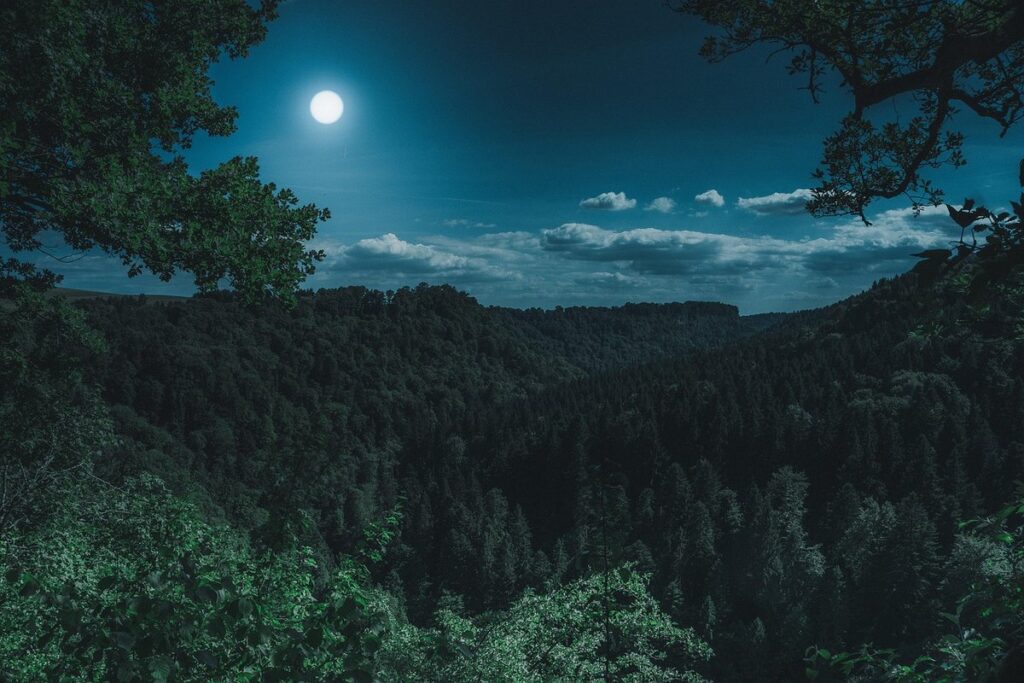
Understanding Lunar Cycles
Lunar cycles have long been studied for their impact on our emotions, behavior, and even physical health. In this part of our guide, we’ll explore how to tap into the energy of each cycle.
The Phases of the Moon
The lunar cycle consists of eight distinct phases, each with its own unique characteristics. Understanding these phases can help you better appreciate their impact on our lives and the world around us.
A New Moon occurs when the moon is positioned between the Earth and the sun, making it invisible from our planet. As the moon begins to move away from this position, we enter the Waxing Crescent phase, where a small sliver of light appears on the right side of the moon.
As the moon continues its orbit, it reaches First Quarter, also known as the “half-moon” phase. This is a critical moment in the lunar cycle, marking the midpoint between New Moon and Full Moon. The Waxing Gibbous phase follows, where the moon’s illuminated surface appears to grow larger and fuller.
The Full Moon marks the peak of the lunar cycle, when the entire face of the moon is visible from Earth. The Waning Gibbous phase then begins, as the moon’s illumination starts to decrease. We continue through Last Quarter and finally reach the Waning Crescent phase, where only a thin crescent remains before the cycle begins anew.
Each phase has its own unique energy and characteristics, influencing tides, oceans, and even human behavior. By understanding these phases, you can better align yourself with the lunar cycle’s rhythms and make more informed decisions about your daily life.
Lunar Cycle Basics
The lunar cycle is a fundamental aspect of astronomy, yet it’s often misunderstood. To understand how it works, let’s start with the basic relationship between the Earth, Sun, and Moon. The Moon orbits the Earth, while the Earth rotates on its axis, creating day and night cycles. The Sun, however, appears to move across the sky due to this rotation.
As the Moon orbits the Earth, different amounts of it are illuminated by the Sun’s light, causing phases such as new moon, waxing crescent, full moon, and waning gibbous. The full moon occurs when the entire face of the Moon is lit up by the Sun, making it visible from our planet all night long.
It’s essential to note that the lunar cycle repeats every 29.5 days, which is called a lunation or synodic month. This cycle is caused by the combination of the Earth’s rotation and the Moon’s orbit around our planet. By understanding this basic concept, you’ll be better equipped to appreciate the next full moon’s significance and prepare for its potential effects on your daily life.
Impact on Nature
The next full moon will have a profound effect on our planet, influencing everything from ocean tides to plant growth patterns.
Let’s examine how this lunar event can shape and reshape our natural world.
Tides and the Ocean
The full moon has a profound impact on tides, affecting coastal areas worldwide. The science behind it lies in the gravitational pull between the Earth and the Moon. As the Moon orbits our planet, its gravity causes the oceans to bulge out in two areas: one on the side of the Earth facing the Moon and the other on the opposite side. This creates a rise in sea level, known as high tide.
Conversely, when the Moon is at the opposite end of the Earth from a particular location, its gravitational pull decreases, resulting in low tide. The difference between high and low tide can be significant, with some areas experiencing tidal ranges of up to 30 feet or more. Coastal erosion, flooding, and damage to infrastructure are just a few examples of the impact that extreme tides can have on communities.
For example, during the full moon, low-lying areas in coastal cities like Miami and New York City often experience flooding due to high tide. Residents and businesses in these areas take precautions by boarding up windows, securing outdoor furniture, and staying informed about forecasted tidal levels.
Animal Behavior and Migration Patterns
Research has shown that many marine species exhibit changes in behavior around the full moon. For example, sea turtles tend to nest on beaches during the night of a full moon when the tidal patterns allow for easier access to the shoreline. Some studies have also observed an increase in whale shark activity near coastal areas during this phase.
In addition to marine life, certain terrestrial animals are also influenced by the lunar cycle. In many parts of the world, wolves and wild canines tend to howl more frequently around the full moon due to heightened sensitivity to sound waves. Other species, such as birds and fish, adjust their migration patterns in response to changes in tidal forces.
While the exact mechanisms behind these behaviors are not yet fully understood, it’s clear that many animals use lunar cues for navigation and coordination of reproductive activities. By recognizing and respecting these natural cycles, we can better appreciate the intricate relationships within ecosystems. This awareness may also inform conservation efforts aimed at protecting vulnerable species during peak activity periods.
Human Connection
As we mark the approaching full moon, let’s explore how its energies can amplify our capacity for empathy and compassion, fostering deeper human connections. This alignment has a profound impact on our relationships.
Superstitions and Folklore
Across cultures and throughout history, the full moon has been imbued with a range of mystical properties. In ancient Greek mythology, for instance, the full moon was associated with the goddess Selene, who rode across the sky at night. Similarly, in many Indigenous cultures, the full moon is seen as a time of great spiritual power. Some tribes believe that during this phase, the veil between the worlds is at its thinnest, allowing for easy communication with ancestors and spirits.
In contrast, some European folklore suggests that the full moon has a darker side – it’s often linked to chaos, madness, and even werewolf transformations. In medieval Europe, for example, those who behaved erratically or violently were often accused of being under the influence of the full moon. While these superstitions may seem far-fetched today, they do underscore the moon’s enduring hold on our collective imagination.
For those interested in tapping into this energy, many practitioners recommend setting intentions and working with specific lunar rituals during the full moon phase. This might involve journaling, meditating, or even simply taking a quiet moment to reflect on your goals and aspirations. By tuning into the symbolic power of the full moon, you can harness its energy and set yourself up for success in the weeks ahead.
Health and Wellness
Research suggests a possible link between full moon phases and human behavior, particularly in relation to sleep patterns. Studies have reported an increase in emergency room visits during full moons, with peak admissions often occurring on nights following a full moon. One theory is that the additional lunar light exposure can affect melatonin production, leading to disrupted sleep-wake cycles.
Some individuals may experience heightened emotions or increased agitation around full moons. This phenomenon has been observed in people experiencing premenstrual syndrome (PMS) symptoms, with many reporting amplified emotional sensitivity during this time. To better manage mood swings, prioritize self-care routines that promote relaxation and stress reduction, such as meditation, yoga, or deep breathing exercises.
A small but significant number of studies have investigated the connection between full moon phases and physical health outcomes. While results are inconclusive, some research suggests a correlation between full moon cycles and an increased risk of hospitalization for conditions like heart attacks and strokes. For those experiencing anxiety or stress related to lunar cycles, maintaining a consistent sleep schedule and engaging in regular exercise can help mitigate potential effects.
Preparation and Planning
To make the most of next full moon, you’ll want to plan ahead by understanding what it brings and setting intentions for its energetic influence. Let’s look at how preparation can amplify its effects on your life.
Moon Calendar and Planning
Using a moon calendar can help you stay attuned to lunar cycles and plan accordingly. These calendars typically display the full moon phases alongside the corresponding dates on a traditional calendar. By consulting a moon calendar, you can identify which days of the month are most conducive to specific activities or goals.
For instance, many gardeners rely on moon calendars to time planting, pruning, and harvesting. The full moon is often associated with increased energy and growth, making it ideal for tasks that require expansion or amplification. Conversely, new moons are better suited for starting new projects or initiatives.
When using a moon calendar, consider the specific activities you want to accomplish during each lunar cycle. Make a list of your goals and match them to the corresponding moon phase. This approach can help you optimize your planning and maximize the benefits associated with each lunar cycle. Keep in mind that while the moon’s influence is often seen as mystical, its impact on our lives is rooted in patterns and rhythms that can be observed and utilized through consistent observation and application.
Safety Precautions During the Full Moon
When the full moon rises, crime rates often increase, particularly in urban areas. In cities prone to break-ins and thefts, residents may want to take extra precautions during this time. This includes locking doors and windows securely, keeping valuables out of sight, and investing in a good home security system. It’s also essential for individuals to be aware of their surroundings when walking alone at night. Avoid using headphones or being distracted by your phone while walking in dimly lit areas.
For those living near waterways or coastal regions, the full moon can also amplify the risk of accidents and fatalities related to water activities. Boaters should exercise caution and adhere to all safety guidelines for navigating during the full moon’s peak hours (typically between midnight and 3 am). This includes being mindful of strong tidal currents and ensuring that their vessel is equipped with proper safety gear, such as life jackets and emergency beacons.
Taking these precautions can help minimize risks associated with increased crime and accidents during the full moon.
Practical Applications
Now that you understand the lunar cycle, let’s explore how you can apply your new knowledge in your daily life and make the most of the upcoming full moon’s energy.
Gardening and Agriculture
For gardeners and farmers, lunar cycles can be a valuable tool for optimizing planting times and crop selection. Research has shown that certain phases of the moon have a noticeable impact on plant growth. For example, many farmers swear by planting seeds during the full moon, when the moon’s gravitational pull is at its strongest. This phase is thought to promote root development and encourage plants to grow deep into the soil. In contrast, the new moon phase is often associated with rapid growth and expansion above ground.
When planning your garden or agricultural activities around the lunar cycle, consider the following: Plant seeds for root vegetables like carrots, beets, and potatoes during the full moon. These crops will benefit from the moon’s gravitational pull and grow strong, healthy roots. For leafy greens like lettuce and spinach, plant during the new moon phase when growth is focused on above-ground development. By working in harmony with the lunar cycle, you may find that your yields improve and your plants become more resilient to environmental stressors.
Astrology and Spirituality
For many practitioners of astrology and spirituality, the full moon holds great significance. In rituals and ceremonies, it’s often considered a powerful time for release, healing, and transformation. During this phase, the full moon is believed to amplify intentions set during the new moon, making it an ideal moment to manifest goals and desires. Some astrologers recommend performing a “full moon ritual” that involves writing down things you want to let go of on small pieces of paper, burning them under the moon’s light, and then releasing any emotional attachment to those items.
In personal growth, the full moon is seen as an opportunity for self-reflection and evaluation. As the lunar cycle reaches its peak, individuals are encouraged to examine their lives, acknowledging areas where they may need improvement or change. This introspection can be done through journaling, meditation, or even simply taking a quiet moment to breathe in the night air while gazing up at the full moon.
Many people find that using the full moon as a catalyst for self-examination helps them stay on track with their personal goals and intentions, especially during periods of transition or uncertainty.
Frequently Asked Questions
Can I use moon cycles for planning beyond the full moon?
Yes, lunar cycles can be applied to various stages of the month, not just the full moon. By tracking the entire cycle, you can plan and schedule activities, such as gardening or scheduling events, in harmony with nature’s rhythms.
How do I adjust my planning if I’m living near an area prone to increased crime during the full moon?
Areas experiencing higher crime rates during the full moon typically see a decrease in law enforcement presence due to overtime shifts. Be cautious and take extra precautions by staying informed about local safety measures and adjusting your personal security accordingly.
Is there a specific gardening technique for using lunar cycles, or can I stick with traditional methods?
There are various techniques that incorporate lunar cycles into gardening practices. Consider experimenting with moon phase gardening, where planting times align with the waxing or waning phases of the moon to optimize growth and yields.
Can I use astrology or spirituality as a standalone method for navigating the full moon, even if I’m not familiar with these practices?
Astrology and spiritual approaches can be adapted and incorporated into your personal practice. Begin by learning about basic lunar correspondences and rituals that resonate with you, then gradually explore deeper connections between astrological influences and your life.
What if I experience conflicting advice or different interpretations of the full moon’s effects on my daily life? How do I decide what to focus on?
When encountering varying perspectives or conflicting advice, prioritize your own needs and experiences. Consider which aspects of the full moon’s influence resonate most with you and adapt your approach accordingly. Focus on building a personal practice that aligns with your unique connection to lunar cycles.