
Identifying orange and black bugs is a crucial task for anyone looking to effectively manage pest populations in their homes, gardens, or businesses. These vibrant insects can be a nuisance, but they also serve as important indicators of broader environmental issues. However, many people struggle to accurately identify the various species that exhibit this distinctive color combination. For you, understanding the characteristics of these bugs is a matter of prevention, as misidentification can lead to the proliferation of unwanted pests. This guide will walk you through the key features of common orange and black bugs, covering their body structure, behavior, and habitats. By the end of this comprehensive resource, you’ll be equipped to accurately identify these bugs and take the necessary steps to prevent infestations.
Understanding the Importance of Identification
Understanding the importance of accurate bug identification is crucial, as it can make all the difference in protecting your garden, home, or ecosystem from potential threats. This section will explore the significance of proper identification in the context of orange and black bugs.
Common Misidentifications and Their Consequences
Misidentifying bugs with orange and black coloration can have serious consequences, including mistaken treatment and the introduction of invasive species. For instance, the multicolored Asian lady beetle, which is often mistaken for the beneficial lady beetle, can secrete a foul-smelling fluid when threatened, causing skin irritation and other issues. If not treated properly, this beetle can also damage crops and buildings.
In some cases, misidentification can lead to the introduction of invasive species, which can have devastating effects on local ecosystems. For example, the brown marmorated stink bug, a native of Asia, has been accidentally introduced to the United States and is now considered a significant pest.
To avoid these consequences, it’s essential to accurately identify orange and black bugs before taking action. This requires a thorough understanding of the characteristics of these bugs, including their body shape, coloration patterns, and appendages. By doing so, you can ensure that you’re treating the right pest and preventing potential harm to your crops, buildings, or local ecosystem.
The Role of Accurate Identification in Pest Control
Accurate identification of orange and black bugs is crucial for effective pest control. Without proper identification, it’s easy to mismanage infestations, leading to further problems. For example, if you mistakenly identify a beneficial lady beetle as a pest, you may inadvertently harm it or remove it from the environment. This can disrupt the ecosystem and create new issues.
In contrast, accurate identification allows for targeted management strategies that consider the specific needs of each species. If you know that a particular orange and black bug is harmless or beneficial, you can take steps to preserve it. This might involve creating a bug-friendly environment or using non-toxic control methods.
To prevent infestations, it’s essential to accurately identify bugs before they become a problem. This involves understanding their habits, habitats, and life cycles. For instance, some orange and black bugs are attracted to certain plants or moisture levels, so identifying these factors can help you anticipate and prevent infestations. By taking a proactive approach to identification, you can develop effective pest control strategies that minimize harm to the environment and reduce the risk of future problems.
Characteristics of Orange and Black Bugs
When identifying orange and black bugs, it’s essential to note the distinctive characteristics that set them apart, such as patterns and color combinations. These visual cues can be a crucial starting point for identification.
Body Shape and Size
Orange and black bugs come in a wide range of body shapes and sizes, making identification more complex. Beetles, for instance, are often oval or elongated in shape, while ants tend to be more elongated and segmented. Other insects, like stink bugs and assassin bugs, may have a more flattened or shield-like body shape.
One key difference between these groups is their size. Lady beetles, for example, are typically between 0.1 and 0.3 inches (2.5-7.5 mm) in length, while stink bugs can range from 0.5 to 1 inch (13-25 mm) in length. Assassin bugs, on the other hand, can be much larger, sometimes exceeding 1.5 inches (38 mm) in length.
When identifying orange and black bugs, consider the body shape and size in relation to the bug’s lifestyle and habits. For instance, ants are often found in large colonies and tend to be smaller in size, while beetles may be solitary and larger. By understanding these differences, you can narrow down the possibilities and make a more accurate identification.
Coloration Patterns and Markings
Orange and black bugs exhibit a wide range of coloration patterns and markings, which can be crucial for accurate identification. The combination of orange and black hues can serve as a warning signal to potential predators, indicating the bug’s toxicity or distastefulness. For instance, the seven-spotted lady beetle’s orange spots on a black background signal its toxicity to predators. In contrast, the stink bug’s orange or yellow markings on a black body often indicate its sex, with females typically having more vibrant markings than males.
Some orange and black bugs display complex patterns, such as stripes, spots, or blotches, which can be specific to certain species. The Asian lady beetle, for example, has a distinctive white or yellow marking on its black elytra. When identifying orange and black bugs, it’s essential to examine these patterns and markings carefully, as they can be key distinguishing features between similar species. By noting the specific color combinations and patterns on the bug’s body, you can narrow down the identification possibilities and arrive at a more accurate conclusion.
Appendages and Features
Orange and black bugs can be identified by their distinctive appendages and features. One of the most noticeable features is their antennae, which vary in length and shape depending on the species. Some orange and black bugs, such as lady beetles, have short, club-shaped antennae, while others, like stink bugs, have longer, thread-like antennae. The shape and length of the antennae can be an important diagnostic tool in identification.
In addition to antennae, the presence and shape of wings can also be a key identifier. Some orange and black bugs, like assassin bugs, have large, membranous wings, while others, like lady beetles, have reduced or non-functional wings. The shape and venation of the wings can be crucial in distinguishing between different species.
Other features, such as mandibles and mouthparts, can also be important in identification. Some orange and black bugs have distinctive mandibles or palps that can be used to capture prey, while others have modified mouthparts for feeding on plant sap. When examining the appendages and features of an orange and black bug, it’s essential to note the shape, size, and arrangement of these structures. This can help narrow down the identification to a specific species.
Common Orange and Black Bug Species
Let’s take a closer look at some of the most common orange and black bug species, each with its own unique characteristics and identifying features.
Lady Beetles (Ladybugs)
Lady beetles, also known as ladybugs, are one of the most recognizable orange and black bug species. These beetles undergo a complete metamorphosis, with four distinct life stages: egg, larva, pupa, and adult. The female lady beetle lays her eggs on a suitable host plant, typically aphid-infested or other soft-bodied insects. The larvae, often referred to as “alligator-like” due to their elongated bodies, feed on the host plant and can be quite voracious.
As beneficial insects, lady beetles are often introduced to gardens and homes to control aphid and other pest populations. They are natural predators, feeding on various soft-bodied insects and even pollen and nectar. However, having lady beetles indoors can be a double-edged sword. While they are beneficial in small numbers, large infestations can lead to a significant reduction in pest control efficacy. Moreover, lady beetles can secrete a foul-smelling fluid from their leg joints as a defense mechanism, which can stain surfaces and fabrics.
When considering introducing lady beetles to your garden or home, it’s essential to weigh the potential benefits against the potential drawbacks. Research the specific needs and behaviors of the lady beetle species you’re introducing, as well as the local ecosystem and potential pest populations.
Stink Bugs
Stink bugs are easily recognizable by their distinctive odor, which they release as a defense mechanism when threatened or crushed. This pungent smell is often compared to coriander or citrus, but it can be overwhelming and unpleasant. Some species of stink bugs, like the brown marmorated stink bug, can release this odor in large quantities, making them a nuisance in gardens and homes.
In addition to their potent smell, stink bugs are also known to cause significant damage to crops, particularly fruit and vegetables. They feed on plant sap, which can weaken the plant and make it more susceptible to disease and pests. This can result in significant economic losses for farmers and gardeners. Stink bugs can also invade homes and buildings, where they can cause damage to insulation, upholstery, and other materials.
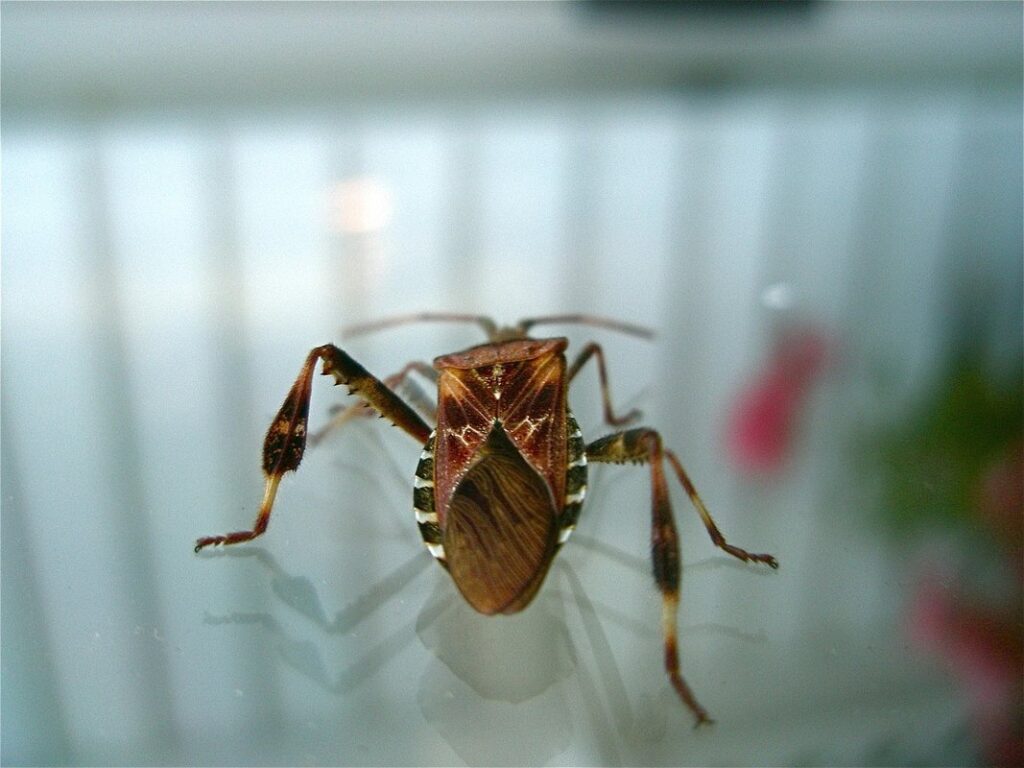
To identify stink bugs, look for their distinctive shield-shaped body and long, slender antennae. They typically range in size from 1/4 to 1 inch in length, with a brown or grayish-brown coloration and distinctive orange or red markings. By recognizing the characteristics and habits of stink bugs, you can take steps to prevent infestations and minimize the damage they cause. Regularly inspecting your garden and home, removing weeds and debris, and using physical barriers or traps can help to deter stink bugs and other pests.
Assassin Bugs
Assassin bugs are often mistaken for other beneficial insects, such as lady beetles, due to their orange and black coloration. However, they have some unique characteristics that set them apart. One of the most distinctive features of assassin bugs is their elongated, narrow body shape, which allows them to insert their piercing-sucking mouthparts into the bodies of their prey. They also have a distinctive beak-like structure, called a rostrum, that they use to inject saliva into their victims.
Assassin bugs are predators that feed on other small insects, such as aphids, whiteflies, and scale insects. They use their sharp mouthparts to inject a toxic substance into their prey, which immobilizes it and allows the assassin bug to feed on its bodily fluids. While they can be beneficial to have around, assassin bugs can also bite humans if threatened or provoked, and their bites can be painful.
In terms of identification, assassin bugs can be distinguished from other beneficial insects by their narrow body shape and distinctive beak-like structure. They are also typically larger than lady beetles, with some species reaching lengths of up to 1 inch. If you suspect that you have an assassin bug in your garden or home, look for these distinctive features and consider taking steps to encourage its presence, as it can be a valuable ally in controlling pest populations.
Habitat and Distribution
To identify orange and black bugs effectively, it’s essential to understand their natural habitats and where they can be commonly found in the wild. This section breaks down their typical environments.
Outdoor Environments
Orange and black bugs can be found in a wide range of outdoor environments, from lush gardens to dense forests and vast grasslands. When exploring these areas, it’s essential to be aware of the types of habitats that attract these insects. Gardens, for example, are often home to lady beetles (ladybugs) and stink bugs, which feed on aphids and other pests that can damage plants. These areas typically feature a mix of flowers, trees, and shrubs, which provide shelter and food for the bugs.
Forests, on the other hand, are often inhabited by assassin bugs, which prey on other insects and small invertebrates. These areas tend to have a more closed canopy, with dense foliage and undergrowth that creates a humid microclimate. Grasslands, which can range from open savannas to tall prairies, are often home to a variety of orange and black bug species, including cicadas and certain types of stink bugs. When identifying orange and black bugs in these environments, look for characteristic color patterns and markings, as well as the presence of distinctive features like spots or stripes.
Indoor Environments
Orange and black bugs can enter indoor environments through various means, including on infested plants, in used furniture or boxes, and on second-hand items. They may also migrate indoors during periods of extreme weather or when searching for food and shelter. For example, a small infestation of stink bugs in a home may begin when just a few individuals enter through an open window or on a potted plant.
Once inside, orange and black bugs can thrive in a variety of locations, including kitchens, basements, and attics. They are often attracted to warm, humid areas with abundant food sources, such as pantries, laundry rooms, and areas with moisture issues. To prevent infestations, homeowners should inspect second-hand items and used furniture carefully before bringing them inside, and keep homes well-maintained, with proper ventilation and cleaning.
Some orange and black bugs, like lady beetles and stink bugs, are known to overwinter indoors, hiding in protected areas such as behind wallpaper, baseboards, and in wall voids. To detect these hidden individuals, homeowners may need to use specialized equipment or consult with a pest control professional.
Geographic Distribution
Orange and black bugs can be found on every continent except Antarctica, with varying levels of abundance and distribution depending on the species. Lady beetles (ladybugs), for instance, are native to North America, Europe, and Asia, but have been introduced to Australia, New Zealand, and South America. Some species, like the seven-spotted ladybug, are considered invasive in certain regions due to their ability to outcompete native species for food and resources.
Stink bugs, on the other hand, are primarily found in temperate and tropical regions, with native ranges in North and South America, Europe, Asia, and Africa. Some species, like the brown marmorated stink bug, have been introduced to new regions, such as the United States, where they can cause significant agricultural damage.
Assassin bugs, which are typically found in warm and temperate climates, have native ranges in North and South America, Africa, Asia, and Europe. Some species, like the wheel bug, are native to North America but have been introduced to Hawaii and other Pacific islands.
Identification Methods and Tools
To identify orange and black bugs accurately, you’ll need to familiarize yourself with various tools and techniques that can help narrow down the possibilities. Let’s take a closer look at the most common methods used in the field.
Visual Identification
Visual identification is often the first step in determining the type of orange and black bug you’ve encountered. Start by consulting a field guide specific to the region where the bug was found, such as the Peterson Field Guide to Insects. These guides provide detailed descriptions and illustrations of various insect species, including their coloration patterns and body shapes.
When using a field guide, carefully compare the illustrations to the bug in front of you, paying attention to the coloration, shape, and any distinctive markings. Note the bug’s size, as some species can be quite small. Online resources, such as BugGuide or iNaturalist, can also be valuable tools for visual identification. These websites allow you to upload a photo of the bug and receive identifications from experts.
To aid in the identification process, make sure to capture clear, well-lit photos of the bug from multiple angles. A photo showing the bug’s underside can be particularly helpful in identifying certain species. By combining a field guide with online resources and clear photos, you can increase your chances of accurately identifying the orange and black bug in question.
Magnification and Microscopy
Magnification and microscopy can be powerful tools in bug identification, allowing you to examine the intricate details of an insect’s body. Handheld magnifying glasses or loupes can be used to get a closer look at the bug’s coloration, patterns, and features. However, these methods have limitations: they can only magnify the image, not improve the resolution, and are often limited to observing larger features.
Microscopes, on the other hand, can provide higher magnification and resolution, but they require more expertise and equipment. A stereo microscope, also known as a dissecting microscope, is often used in entomology to examine the surface features of insects. The advantages of microscopy include the ability to observe small details, such as the shape of the antennae or the structure of the wings.
When using microscopy, it’s essential to choose the right type of microscope for the task. A compound microscope is better suited for observing small structures, while a stereo microscope is ideal for examining surface features. It’s also crucial to prepare the specimen correctly, ensuring that it is stable and well-lit. With practice and patience, microscopy can be a valuable tool in identifying orange and black bugs.
DNA Barcoding and Molecular Identification
DNA barcoding and molecular identification are increasingly being used to accurately identify insects, including orange and black bugs. This method involves analyzing a small DNA sample from the bug’s tissue, which is then matched to a vast library of known DNA sequences. The potential for accuracy and speed is significant, as DNA barcoding can provide a definitive identification in a matter of hours, whereas traditional methods may take weeks or even months.
A key advantage of DNA barcoding is its ability to distinguish between closely related species. For example, some lady beetles (ladybugs) can be very similar in appearance, but DNA barcoding can reveal distinct differences between them. This is particularly useful for distinguishing between invasive and non-invasive species.
If you suspect that a DNA-based identification might be necessary, consider the following steps:
- Collect a small tissue sample from the bug’s leg or abdomen.
- Use a sterile tool to minimize contamination.
- Send the sample to a laboratory specializing in insect DNA analysis.
- Provide the laboratory with as much information as possible about the bug’s habits and habitat to aid in identification.
Keep in mind that DNA barcoding is a specialized service that requires access to a laboratory and expertise in molecular biology. However, it can be a powerful tool for accurate and rapid identification, especially in cases where traditional methods are inconclusive.
Conclusion and Next Steps
Now that we’ve walked through the process of identifying orange and black bugs, it’s time to summarize the key takeaways and outline the next steps for further research.
Recap of Key Points
To accurately identify orange and black bugs, it’s essential to remember the importance of accurate identification itself. This is not just a matter of curiosity, but has practical consequences, such as avoiding misidentifications that can lead to the introduction of invasive species or the misuse of pesticides. Accurate identification also plays a crucial role in effective pest control, as it allows for targeted and humane approaches.
Some of the key characteristics of common orange and black bug species include the distinct coloration patterns and markings, which can be used to narrow down the identification process. For example, lady beetles (ladybugs) are typically oval-shaped and have a bright orange or yellow body with black spots or stripes. Stink bugs, on the other hand, are shield-shaped and have a dark brown or black body with orange or yellow markings. Knowing these characteristics can help you quickly identify the most common species and take further action.
In addition to visual identification, it’s also essential to consider the habitat and distribution of the bug, as well as the tools and methods used for identification.
Recommendations for Further Study and Research
For readers who wish to delve deeper into the world of orange and black bug identification, several resources are available. The most comprehensive guide to lady beetle identification is the Lady Beetles (Coccinellidae) of the World Database, which features detailed descriptions and images of over 600 species. For a more in-depth look at stink bugs, consult the Stink Bug page on the Integrated Pest Management (IPM) database. This resource includes information on the life cycle, habitat, and management of stink bugs.
Other resources worth exploring include the online database BugGuide, which allows users to search for and identify insects based on their physical characteristics. Additionally, the Entomological Society of America’s (ESA) website offers a wealth of information on insect identification, including tutorials and resources for beginners. For those interested in molecular identification, the Barcode of Life Data Systems (BOLD) database is a valuable resource, featuring DNA barcodes for over 1.5 million insect specimens.
Frequently Asked Questions
Can I Use the Same Identification Methods for Both Small and Large Orange and Black Bugs?
Yes. The identification methods outlined in the article, such as visual identification and magnification, can be applied to both small and large orange and black bugs. However, the choice of method will depend on the size and features of the bug. For example, smaller bugs may require the use of a microscope for accurate identification.
What if I’m Still Unsure About the Identity of a Specific Orange and Black Bug After Using the Identification Methods?
It’s not uncommon for bug identification to be challenging, even with the use of identification methods. If you’re still unsure about the identity of a specific orange and black bug, consider consulting a field guide or online resource, or seeking the advice of a professional entomologist. Additionally, you can try using DNA barcoding or molecular identification for more accurate results.
Can I Use Identification Methods to Tell if an Orange and Black Bug is Harmless or Harmful to My Garden or Home?
Yes. Accurate identification is crucial for determining whether an orange and black bug is harmless or harmful to your garden or home. By identifying the species, you can determine its habits, potential damage, and whether it’s beneficial or detrimental to your environment. For example, lady beetles are generally harmless and beneficial, while stink bugs can cause significant damage to crops.
How Do I Store and Handle Orange and Black Bugs for Future Reference or Research?
When storing and handling orange and black bugs, it’s essential to follow proper procedures to ensure their safety and preservation. This includes using airtight containers, labeling the specimens, and storing them in a cool, dry place. You can also use preservation methods such as freezing or ethanol fixation to preserve the bugs for future reference or research.
Can I Use the Identification Methods and Tools Discussed in the Article for Identifying Bugs in Different Environmental Conditions, Such as High Humidity or Extreme Temperatures?
The identification methods and tools discussed in the article can be adapted for use in different environmental conditions, such as high humidity or extreme temperatures. However, it’s essential to consider the limitations and potential challenges of identifying bugs in these conditions. For example, high humidity may affect the stability of certain identification methods, while extreme temperatures may require specialized equipment or techniques.