
When you own valuables that hold sentimental or monetary value, protecting them is crucial. An ornate display case can be both a showcase for your treasures and a safeguard against damage or loss. However, selecting the right display case for your needs requires careful consideration of various factors, including materials, design options, and advanced security features.
You may have already amassed a collection of fine art, antiques, jewelry, or other precious items that deserve to be showcased in style while being kept safe from harm. But how do you choose an ornate display case that balances aesthetics with functionality? This article will guide you through the process of selecting and designing the perfect display case for your valuables, covering topics such as customization options, materials, and advanced features that ensure safety and security.
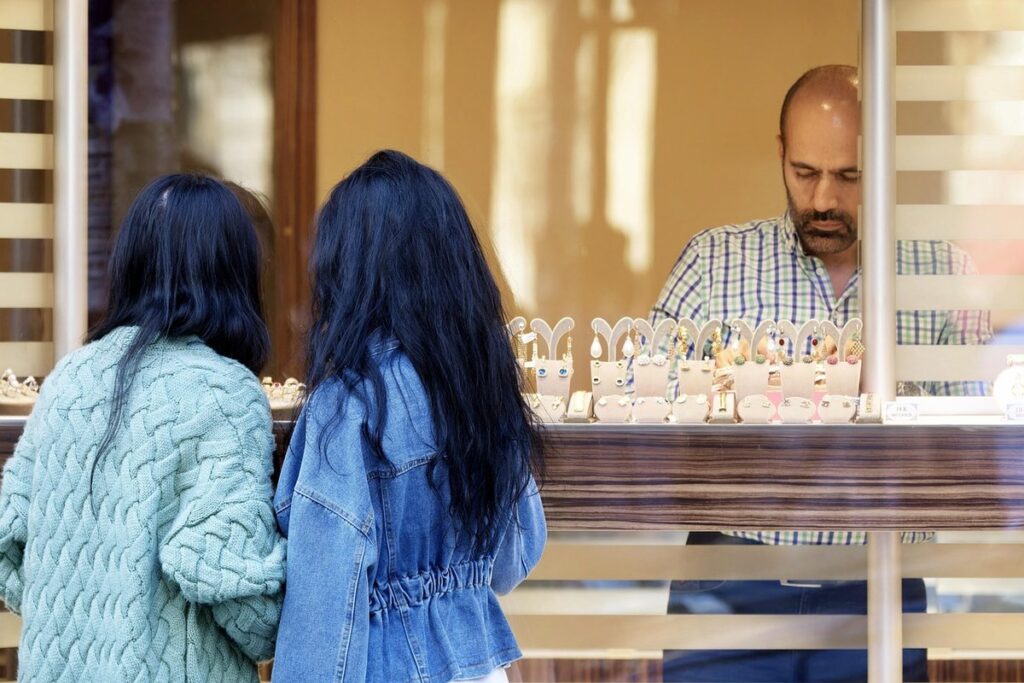
What Are Ornate Display Cases?
Ornate display cases are a unique way to showcase treasured items, and in this next part of our guide, we’ll explore what makes them so special.
Definition and History
Ornate display cases have their roots in 18th-century Europe, where aristocrats showcased their prized possessions in lavish, intricately designed cabinets. These early cases were often handcrafted by skilled artisans and adorned with gold leaf, carvings, and other ornate details. As the art of cabinetmaking evolved, so did the designs, incorporating new materials like crystal glass and mirrored surfaces.
By the mid-19th century, ornate display cases had become a staple in wealthy households, used to showcase everything from fine china and silverware to precious jewels and artwork. The Industrial Revolution brought mass production techniques, making these luxurious pieces more accessible to the upper-middle class. Today’s ornate display cases blend traditional craftsmanship with modern materials and designs, offering a wide range of styles to suit various tastes and budgets.
In terms of historical periods, ornate display cases can be broadly categorized into three main styles: Baroque, Rococo, and Art Nouveau. Each style reflects the era’s artistic and cultural trends, from the opulent grandeur of Baroque to the sinuous curves of Art Nouveau. Understanding these historical contexts helps homeowners and collectors choose the perfect ornate display case for their prized possessions.
Types of Ornate Display Cases
Ornate display cases come in a variety of materials, designs, and styles to suit different tastes and preferences. Glass is a popular choice for its sleek, modern look and ability to showcase delicate or valuable items from multiple angles. Wooden display cases, on the other hand, offer a more traditional and luxurious feel, often featuring intricate carvings or ornate details.
Metal display cases are commonly used in commercial settings due to their durability and ability to withstand heavy foot traffic. Some metal display cases feature gold or silver plating for added visual appeal, while others have a matte finish to minimize reflections. You may also come across display cases made from a combination of materials, such as glass and wood or metal and acrylic.
When selecting an ornate display case, consider the type of items you plan to display and the overall aesthetic you want to achieve. For example, if you’re showcasing fine china or crystal, a glass case with soft lighting can create a beautiful ambiance. In contrast, metal cases may be more suitable for displaying heavier or more industrial-style items.
Choosing the Right Display Case for Your Needs
When it comes to showcasing your prized possessions, selecting a display case that meets your needs is crucial. Let’s discuss the key factors to consider when making this important decision.
Space Constraints and Measurements
When choosing an ornate display case, it’s essential to consider the available space and potential obstacles. Start by measuring the area where the case will be placed, including the height, width, and depth of the surrounding space. Take note of any windows, doors, or other features that may impact the installation process.
Identify any potential obstacles, such as electrical outlets, pipes, or structural beams. Consider the weight of the display case and whether it can be safely installed in the chosen location. Measure the space carefully to ensure that the case fits snugly, without being too cramped or overpowering the surrounding area.
Typically, ornate display cases come with a standard set of dimensions, but some may offer customizable options. When selecting a display case, choose one that meets your specific requirements, taking into account the size and weight of the items to be displayed. Consider the visual balance of the space and select a case that complements its aesthetic.
Material Selection and Durability
Ornate display cases are crafted from a variety of materials, each with its own set of characteristics. Glass is often chosen for its clarity and durability, but it requires periodic cleaning to maintain its appearance. Wooden cases, on the other hand, offer a warm, traditional aesthetic and can be refinished as needed, making them a popular choice for antique collectors.
Metal display cases provide a sleek, modern look and are often used in contemporary settings. They tend to be more expensive than glass or wood options but can be less prone to damage from environmental factors. Some metal cases may require occasional polishing to maintain their finish.
In terms of maintenance needs, glass cases typically require the most attention due to their susceptibility to fingerprints and dust accumulation. Wooden cases are relatively low-maintenance, as they can be easily cleaned with a soft cloth and may only need occasional refinishing. Metal cases generally require less upkeep than glass but still benefit from periodic polishing to maintain their appearance.
Designing Your Perfect Display Case
Now that you have a good idea of what makes your ornate display case unique, it’s time to think about how to showcase its beauty. Let’s focus on designing a display case that perfectly complements its intricate details.
Customization Options
Ornate display cases can be tailored to suit individual tastes and preferences with various customization options. Bespoke designs allow for complete freedom in shaping the case’s form and structure. This might involve unique architectural features, intricate carvings, or specially designed moldings.
Color schemes are another area where personalization is possible. Clients can choose from a wide range of materials, such as mahogany, cherry, or walnut, each with its distinct hue and grain pattern. Alternatively, they may opt for a custom paint job to match their desired aesthetic. Finishing techniques like hand-rubbing, polishing, or glazing can also be employed to enhance the color and texture.
Hardware choices include options like drawer pulls, hinges, and latches in various styles, from ornate gothic designs to minimalist profiles. These details may seem minor but can significantly impact the overall appearance of the display case. By selecting hardware that complements the rest of the design, individuals can create a cohesive and visually appealing display solution for their prized possessions or artifacts.
Aesthetics and Visual Appeal
When designing an ornate display case, aesthetics and visual appeal are crucial considerations. The surrounding decor and lighting can significantly impact how a piece is perceived. For instance, placing a delicate antique vase on a brightly colored background may clash with the overall ambiance. Conversely, pairing it with a muted, neutral-colored backdrop allows the vase’s intricate details to take center stage.
Consider using soft, warm lighting to highlight ornate features without overpowering them. Track lighting or recessed lights can be particularly effective for this purpose, as they allow you to focus illumination exactly where needed. Avoid harsh overhead lighting, which can create unflattering shadows and emphasize flaws.
Background and surrounding decor should complement the display case’s style rather than competing with it. For example, a sleek, minimalist room benefits from an ornate display case with rich, polished details. Conversely, a space filled with antique furniture may be overwhelmed by a modern, minimalist case. By balancing these elements thoughtfully, you can create a visually appealing and harmonious display that showcases your treasured pieces in the best possible light.
Displaying Your Treasures Safely and Securely
When it comes to showcasing your treasured possessions, displaying them safely is just as important as choosing a beautiful display case. We’ll cover essential tips for secure and damage-free displays.
Protection from Environmental Factors
Ornate display cases are not only visually stunning but also require careful consideration of environmental factors to preserve the items on display. Temperature fluctuations can cause materials like wood and metal to expand and contract, potentially damaging delicate objects or causing glass to shatter. To mitigate this risk, place your ornate case in a room with a stable temperature between 65°F and 75°F (18°C and 24°C).
Humidity levels also need attention, as high humidity can lead to mold growth and damage to certain materials. Aim for a relative humidity range of 40% to 60%. Avoid placing your display case near heating or cooling vents, fireplaces, or areas prone to moisture accumulation.
Lighting is another critical factor; excessive direct sunlight or UV radiation can cause colors to fade, paintings to crack, or delicate components to degrade. Position your ornate case away from direct sunlight or use UV-filtering glass if necessary. Regularly inspect your display for signs of pest infestation, such as dust, droppings, or gnaw marks on the case or its contents.
Security Measures and Theft Prevention
When it comes to securing an ornate display case against theft or tampering, there are several measures you can take. Alarms are a good starting point – consider installing motion-sensitive alarms that sound when someone approaches the case or tries to open it. These alarms come in various forms, including wireless sensors and hardwired systems.
A secure lock is also essential. You may want to invest in a high-security lock with a reinforced frame and advanced locking mechanism. Some display cases come equipped with built-in locks, but if not, you can consider installing a separate lock that matches the case’s style and aesthetic. It’s crucial to choose a lock that complements your display case, as an unsightly or obtrusive lock may detract from its ornate beauty.
In addition to alarms and locks, other security features worth considering include anti-tamper screws and adhesive strips that make it difficult for thieves to remove the glass panels or open the case. When selecting a display case with built-in security features, look for products made from high-quality materials and designed with security in mind – these will often be more expensive upfront but offer greater peace of mind in the long run.
Maintenance and Upkeep for Your Ornate Display Case
To ensure your ornate display case remains a stunning centerpiece, proper maintenance is crucial to prevent damage and keep it looking its best.
This section covers essential cleaning tips, polishing techniques, and storage advice to help you preserve your investment.
Cleaning and Restoration Techniques
When cleaning an ornate display case, it’s essential to avoid using harsh chemicals or abrasive materials that can damage the intricate details. Start by gently dusting the surface with a soft-bristled brush or a microfiber cloth to remove loose particles and prevent scratches. For more thorough cleaning, mix a solution of mild soap and warm water, but apply it only to the metal components, not the glass or wood.
For removing stubborn grime or stains, try using a specialized cleaner specifically designed for antique or delicate surfaces. Apply the product according to the manufacturer’s instructions, usually with a soft cloth or brush. Avoid spraying cleaners directly onto the display case, as this can lead to drips and uneven coverage. When restoring an ornate display case, be aware that some materials may require specific cleaning techniques.
For example, wood components may benefit from a gentle wood conditioner, while metal accents can sometimes be repolished using a specialized wax or buffing compound. Regularly wiping down the display case with a soft cloth can also help maintain its appearance and prevent grime buildup.
Regular Inspections and Repairs
Regular inspections are crucial for identifying potential issues before they become major problems. Start by visually examining the display case daily, checking for signs of damage such as cracks, dents, or scratches on the glass, wood, or other materials. Look for loose screws, wobbly shelves, or any other structural weaknesses that could compromise the case’s stability.
Clean the display case regularly to prevent dust buildup and damage from chemicals or cleaning products. Use a soft cloth and gentle cleaners specifically designed for ornate display cases. Avoid using harsh chemicals or abrasive materials that can scratch the surfaces or damage the finishes.
When you do find minor damage, address it promptly. For example, if a small crack appears in the glass, apply a glass sealant to prevent further damage. If a shelf is loose, tighten the screws immediately to avoid any accidents. Keep a repair kit on hand with basic materials like wood glue, filler, and touch-up paints to make minor repairs quickly and easily. Remember, regular inspections and prompt repairs can help extend the lifespan of your ornate display case and preserve its beauty for years to come.
Advanced Applications: Custom Display Cases for Specific Items
You’ve got a prized possession that deserves extra-special treatment, whether it’s a rare collectible, a family heirloom, or a one-of-a-kind artwork. Let’s explore how to create a custom display case tailored specifically to your unique item.
Displaying Artwork and Collectibles
When displaying art pieces, collectibles, or other valuable items in ornate display cases, specialized considerations come into play. The primary concern is ensuring the case’s interior environment remains stable and consistent to preserve the item’s integrity.
For artworks, this means maintaining a precise temperature range between 60°F to 70°F (15°C to 21°C) and relative humidity levels between 30% to 50%. This can be achieved by incorporating climate control systems within the display case or using a separate room with controlled environmental conditions.
In contrast, collectibles often require UV protection to prevent fading or discoloration. Some ornate display cases come equipped with UV-filtering glass or acrylic panels to safeguard against this threat.
When handling fragile items, it’s essential to use specialized mounting techniques that avoid direct contact between the item and the case’s interior surfaces. This may involve using custom-built supports or cradles that distribute weight evenly and prevent damage from settling or vibrations.
Showcasing Valuable Objects with Additional Features
When designing a custom display case for valuable objects, it’s essential to consider additional features that can safeguard and enhance their preservation. Temperature control is crucial for items sensitive to heat, such as antique furniture or delicate artwork. For instance, a temperature-controlled display case can maintain a stable environment between 65°F to 70°F (18°C to 21°C), preventing warping or cracking of wooden pieces.
Humidity management is also vital for objects prone to moisture damage, like musical instruments or historic documents. A humidistat-controlled display case can regulate the humidity level between 40% to 50%, preventing damage from excessive moisture.
UV filtering is another feature worth considering, especially for artworks or artifacts exposed to natural light. UV-filtering glass or acrylic can block up to 99% of ultraviolet radiation, slowing down fading and discoloration. Some display cases even offer adjustable UV filtering levels, allowing you to fine-tune the protection according to the specific item’s needs. By incorporating these features, you can ensure that your valuable objects are preserved for future generations while maintaining their beauty and integrity.
Frequently Asked Questions
Can I Mix and Match Different Materials for My Ornate Display Case?
When combining different materials, such as glass, wood, or metal, consider their compatibility with each other and the items being displayed. Ensure that the materials won’t react or degrade over time, compromising the display case’s integrity or the valuables inside.
How Do I Protect My Valuables from Light-Induced Damage?
To safeguard against light damage, choose display cases with UV-filtering glass or acrylic, or consider using blackout curtains around the display. This will prevent excessive light exposure and help maintain the condition of your valuable items.
What If I Have a Rare or Sensitive Item That Requires Specialized Environmental Control?
For rare or sensitive items, look into custom display cases that offer temperature control, humidity management, or specialized climate control systems. Consult with a professional to determine the specific environmental requirements for your item and design a display case accordingly.
How Do I Ensure My Display Case Remains Secure After Initial Installation?
To maintain security over time, consider installing alarms or motion sensors near the display case. Regularly inspect the display case’s locks and hardware to ensure they remain in good condition, and update your security measures as needed to prevent tampering or theft.
Can I Repurpose an Old Display Case for a New Purpose?
When repurposing an old display case, assess its condition and structural integrity before using it again. If necessary, refinish or repair the display case to ensure its stability and safety for displaying new items. Consider adding modern security features or climate control systems to enhance its functionality.
What If I Need to Move My Ornate Display Case Frequently?
If you frequently move your ornate display case, choose a design with sturdy legs or a heavy base to prevent it from tipping over during transport. Also, consider using soft padding or foam inserts to protect the valuables inside from potential shocks and impacts.