
Packing a comprehensive field observation kit is crucial for conducting successful outdoor research. You may find yourself in remote areas with limited access to resources, making it essential to have all necessary equipment within reach. A well-prepared kit can ensure that you collect accurate data and stay safe during your observations. The right tools will help you document and analyze your findings effectively.
This guide will walk you through the process of assembling a field observation kit, including essential safety gear, data collection instruments, and other critical equipment. You’ll learn how to prioritize what’s truly necessary for your specific research needs and create a customized packing list. By the end of this article, you’ll be able to assemble a reliable field observation kit and start collecting valuable insights in no time.
Understanding the Purpose and Importance of a Field Observation Kit
A field observation kit is only as effective as its purpose, so let’s first explore what makes it essential for your research or study needs. This helps you tailor your packing list accordingly.
Defining the Role of a Field Observer
A field observer plays a crucial role in collecting data and observations in various environments. Their primary function is to collect accurate and reliable data on the behavior of subjects, which can be animals, plants, or other phenomena. To do this effectively, they must observe from a neutral perspective, avoiding any interference with the subject’s natural behavior.
When observing behavior, field observers need to record detailed notes on specific aspects such as timing, frequency, and patterns. They should also note any notable changes in behavior, such as alterations to routine or interactions with other subjects. Observations of environmental factors like weather conditions, habitat, and spatial distribution are equally important for a comprehensive understanding.
To enhance their observations, field observers can use specialized equipment like binoculars, spotting scopes, or cameras. They should also maintain detailed records of their findings, including photographs, videos, and written notes. These records will serve as crucial evidence in data analysis and help identify trends or patterns that may not be immediately apparent during the observation period.
In many cases, field observers work as part of a research team, collaborating with experts from various fields to gather insights and make informed decisions. Effective communication among team members is essential for ensuring accuracy and consistency in data collection and analysis.
Identifying Key Objectives and Goals
When preparing a field observation kit, it’s essential to identify key objectives and goals that will guide your observations. Start by determining what needs to be observed and documented during the field observation. Ask yourself: What are the specific research questions or hypotheses you’re trying to address? What phenomena or behaviors do you want to record?
For example, if you’re conducting a wildlife study, you might need to observe animal behavior patterns, habitat usage, or population dynamics. In this case, your objectives could include collecting data on species diversity, tracking migration routes, and monitoring food sources.
Consider the following questions to help narrow down your focus:
- What are the most critical variables to measure?
- Which aspects of the environment or phenomena will have the greatest impact on your research?
- Are there any specific timeframes or events that require observation?
By clearly defining your objectives and goals, you’ll be able to pack a field observation kit with the right equipment and tools, ensuring you’re prepared to collect the necessary data.
Essential Equipment for a Field Observation Kit
When heading out into the field, it’s essential to have the right tools by your side. This includes must-have equipment that will aid in data collection and observation.
Data Collection Tools
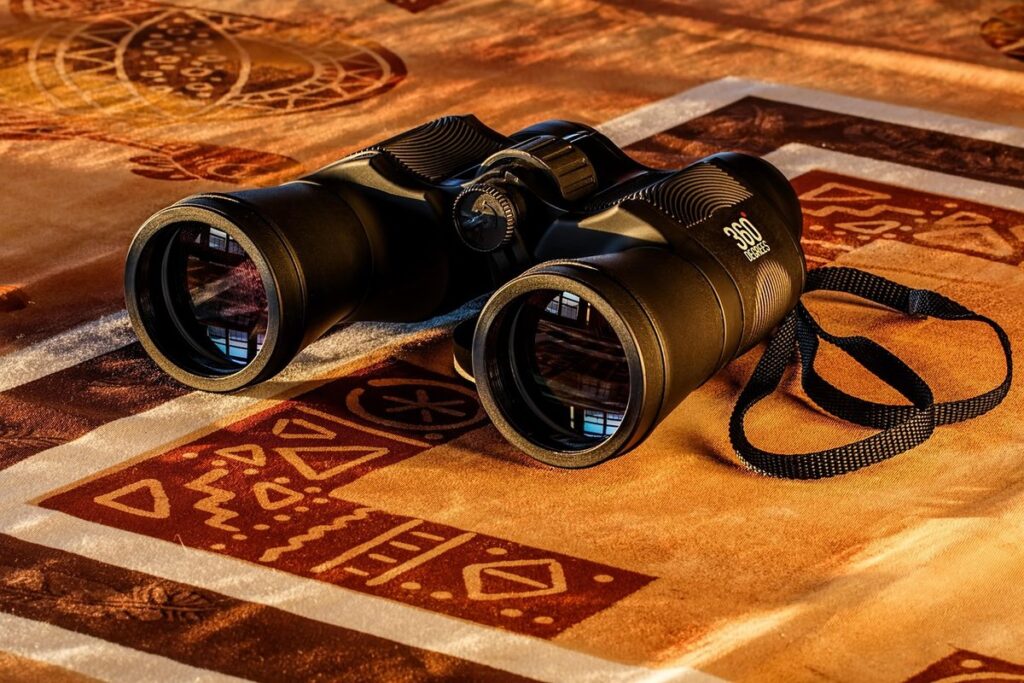
When collecting data and observations in the field, it’s essential to have the right tools at hand. Cameras can be used to capture images of plants, animals, and landscapes, while binoculars provide a closer look without disturbing the environment. Notebooks are also crucial for recording notes, sketches, and observations by hand. In addition to these, devices like GPS trackers, data loggers, and weather stations can help collect specific types of data.
When choosing a camera, consider the type of terrain you’ll be observing and whether you need high-quality video or still images. Binoculars should have good magnification power and a clear viewfinder for spotting details. Notebooks come in various sizes and formats, so choose one that suits your writing style and note-taking needs.
For digital data collection tools, consider the following:
• Choose devices with long battery life to minimize downtime
• Select tools that are durable and water-resistant for use in challenging environments
• Consider devices with built-in memory or the ability to transfer data via USB or Wi-Fi
Measuring Instruments
When collecting data on environmental factors, accurate and reliable measuring instruments are crucial. Thermometers, for instance, are essential for monitoring temperature fluctuations. Digital thermometers are a popular choice due to their ease of use and quick reading times. In contrast, mercury thermometers are less preferred now due to concerns over mercury disposal.
pH meters, another vital tool in this category, measure the acidity or alkalinity of water or soil samples. These instruments provide immediate readings, allowing researchers to adjust sampling procedures as needed. When selecting a pH meter, consider factors such as accuracy range and ease of calibration.
It’s also worth noting that some measuring instruments can be used for multiple tasks. For example, a multi-parameter probe may include sensors for temperature, pH, and dissolved oxygen levels in a single device. This can streamline the sampling process and reduce equipment weight. When packing measuring instruments, consider storing them in protective cases or pouches to prevent damage during transport. Regular calibration of these tools is also essential to ensure accuracy and reliability in field observations.
Safety Gear and First Aid Supplies
Protective gear is essential for preventing injuries and ensuring safe field work. A basic set should include hard hats, safety glasses, gloves, steel-toed boots, and a first aid kit. The first aid kit should contain essentials such as bandages, antiseptic wipes, pain relievers, and any medications specific to the observer’s needs.
When selecting protective gear, consider the type of work being done and the environment in which it will be performed. For example, if working near water or in a wet environment, a waterproof hard hat is necessary. Similarly, if working with chemicals or in an area prone to falls, additional safety equipment such as respirators or harnesses may be required.
In addition to protective gear, emergency supplies should also be included in the field observation kit. This can include items like a whistle for signaling help, a flashlight or extra batteries, and a portable charger for electronic devices. It’s also essential to have a basic first aid manual on hand that outlines procedures for common injuries and illnesses.
In most cases, it’s recommended to pack a small emergency shelter or blanket in case of severe weather conditions or injury. This can provide warmth and protection until help arrives. When packing these items, ensure they are easily accessible and not obstructing other essential equipment.
Preparing the Field Observation Kit
Before you head out into the field, it’s essential to prepare your observation kit with the right tools and equipment. This means carefully selecting items that will help you collect accurate data without adding unnecessary weight or bulk.
Packing Essentials
When venturing into the field for observation, it’s easy to overlook personal items essential for comfort and safety. However, packing clothes, food, water, and other personal necessities is crucial to a successful observation. A good rule of thumb is to pack layers for varying weather conditions, as well as clothing suitable for the terrain and activity level.
Don’t underestimate the importance of proper hydration and nutrition during fieldwork. Bring enough non-perishable snacks, such as energy bars or nuts, to sustain you throughout the day. Consider packing a portable water filter or purification tablets to ensure access to clean drinking water. A small first-aid kit with essentials like bandages, antiseptic wipes, and pain relievers can also be a lifesaver.
When it comes to shelter and hygiene, consider packing a lightweight tent or tarp for unexpected rain showers or extreme temperatures. Include a portable toilet or a small shovel for digging a cathole. A compact towel and biodegradable soap can help maintain personal hygiene in the field.
Remember to check local regulations regarding food and water storage, as well as any restrictions on camping equipment. This will vary depending on your location and the specific requirements of your project.
Organizing Equipment and Tools
To prevent damage or loss of equipment during field observation, it’s essential to organize and secure everything properly. Start by categorizing tools and equipment into groups based on their function, such as data collection, measuring instruments, or safety gear. This makes it easier to find what you need quickly when you’re in the field.
Use a sturdy, water-resistant case or bag with separate compartments to store each group of items. Consider investing in foam inserts or custom dividers to keep smaller tools and equipment organized and protected. For example, you can use small pouches to store batteries, cables, and other accessories that might get lost or tangled.
When securing equipment, look for cases and bags with reinforced stitching, durable zippers, and sturdy handles. Consider using straps or Velcro closures to prevent items from shifting around during transport. You should also take inventory of your equipment regularly to ensure everything is still in working order and nothing has been misplaced. This helps you identify potential issues before they become major problems.
Ensuring Compliance with Regulations
When preparing a field observation kit, it’s crucial to ensure compliance with local regulations and guidelines. This includes understanding specific laws and ordinances related to data collection, equipment usage, and environmental impact. Familiarize yourself with permits required for research in certain areas, such as national parks or protected wildlife reserves.
For instance, in the United States, researchers may need a permit from the U.S. Fish and Wildlife Service to collect data on threatened or endangered species. Similarly, in some countries, researchers must register their equipment and obtain permission from local authorities before conducting fieldwork.
To maintain compliance, pack relevant documentation, such as permits, licenses, and contact information for local authorities. You should also include a copy of your research protocol and any necessary safety guidelines. Be prepared to explain your methods and objectives to local officials or community members who may have concerns about your research.
Some key regulations to consider when packing your field observation kit include:
• Local ordinances governing equipment usage, such as restrictions on drone operation
• Permits required for data collection in sensitive ecosystems or protected areas
• Safety guidelines for working with hazardous materials or in remote locations
Best Practices for Using a Field Observation Kit
When using a field observation kit, it’s crucial to understand how to properly record and document findings to ensure accuracy and reliability in your observations. Effective note-taking and data collection methods are essential.
Maintaining Equipment and Tools
Regular maintenance and cleaning of equipment is crucial to ensure accuracy and reliability. This includes inspecting each tool for wear and tear, checking for any signs of damage or corrosion, and replacing parts as needed. For example, a field observer might regularly clean and calibrate their anemometer to ensure accurate wind speed measurements.
Cleaning also helps prevent equipment failure in the field. A dirty or clogged sensor can lead to inaccurate readings, which can compromise the validity of observations. To prevent this, field observers should follow the manufacturer’s guidelines for cleaning and maintenance. This might involve using a soft-bristled brush to gently remove debris from delicate sensors or applying a specialized cleaning solution.
In addition to regular cleaning, it’s essential to store equipment properly when not in use. Field observers should keep their tools organized and protected from damage by storing them in a dry, secure location. Regular maintenance can also help prevent the need for costly repairs down the line. By prioritizing equipment upkeep, field observers can ensure that their observations are accurate, reliable, and contribute valuable insights to their research or project.
Documenting Observations and Data
When documenting observations and data during field work, it’s essential to maintain a clear and organized record. This involves noting down key findings, measurements, and other relevant details in real-time. Use a dedicated notebook or use a digital tool like a tablet or smartphone with note-taking apps. Include a date and time stamp for each entry to ensure accurate tracking of observations.
Consider using a standardized template or format for recording data, such as a table or chart, to facilitate easy comparison and analysis later on. Don’t forget to include photographs or videos that support your findings, which can be especially useful when documenting visual observations.
When it comes to data collection tools, choose those that are designed for outdoor use and can withstand various environmental conditions. For example, waterproof notebooks or cameras with weather-sealed lenses can help prevent damage from rain or extreme temperatures.
Remember to also document any issues or challenges encountered during the observation process, as these can provide valuable insights for future field work. By keeping a thorough and accurate record of observations and data, you’ll be able to analyze and draw meaningful conclusions from your findings.
Collaborating with Team Members
When working as part of a team in the field, effective communication and collaboration are crucial. This requires establishing clear roles and responsibilities among team members to avoid confusion and overlapping tasks. Consider designating one person as the primary observer, responsible for collecting and documenting key data points, while others focus on specific aspects such as note-taking or measuring instruments.
To facilitate teamwork, consider including a few essential items in your field observation kit:
- A shared notebook or logbook for recording observations and notes
- A set of communication tools like radios or walkie-talkies to maintain constant contact
- A portable whiteboard or marker board for brainstorming and discussing findings
When collaborating with team members, it’s also essential to establish a clear plan for data collection and management. This can include setting protocols for note-taking, photographing, and recording audio observations. By doing so, you’ll ensure that everyone is working together efficiently and effectively, producing high-quality data that meets your research objectives. Regular team meetings or debriefs can help solidify the plan and make adjustments as needed.
Advanced Considerations for a Field Observation Kit
When venturing into more remote areas, it’s crucial to consider specialized equipment that can withstand harsh conditions and ensure your observations remain accurate. This includes weighing options like durable camera housings and rugged binoculars.
Specialized Equipment and Tools
When it comes to collecting data, specialized equipment and tools can greatly enhance the effectiveness of a field observation kit. Consider including drones for aerial photography and videography, allowing you to capture unique perspectives on the environment or phenomena being observed. GPS devices can also be useful for tracking location data, ensuring accurate record-keeping, and facilitating navigation.
Other specialized equipment worth considering includes sensors that monitor temperature, humidity, or other environmental factors. These can provide valuable insights into the conditions under which observations are being made. When choosing sensors, look for ones with high accuracy and durability, as they will be exposed to various environmental conditions.
When packing specialized equipment, make sure to include necessary accessories, such as batteries, chargers, and calibration tools. It’s also essential to familiarize yourself with each device’s operation and maintenance requirements to ensure seamless integration into your field observation kit.
Advanced Data Analysis Techniques
When working with complex data sets from field observations, applying advanced statistical analysis and modeling techniques can reveal deeper insights and patterns. This involves using specialized software and methods to extract meaningful information from the collected data. For example, regression analysis can help identify relationships between variables, while time-series analysis can aid in forecasting future trends.
To implement these techniques, you’ll need access to computational resources, such as a laptop or tablet with advanced statistical software like R or Python. Familiarity with programming languages and data visualization tools is also essential for effective data analysis. Consider investing in online courses or tutorials to improve your skills in these areas.
Some key considerations when choosing statistical methods include the type of data collected (e.g., categorical, numerical), sample size, and research question. You may need to transform or normalize data before applying certain techniques, so be sure to check for assumptions and constraints specific to each method. By mastering advanced data analysis techniques, you’ll be able to extract valuable information from your field observations and make more informed decisions in the future.
Integrating Technology into the Field Observation Kit
When it comes to enhancing field work, integrating technology into the field observation kit can significantly improve data collection and accuracy. Consider incorporating mobile apps that can aid in data logging, such as plant or animal identification tools. These apps often have built-in databases and image recognition capabilities, allowing for quick and accurate identification of species.
Satellite imaging can also be a valuable asset, providing high-resolution images of the study area before or after fieldwork. This can help researchers identify patterns, monitor changes over time, or even assess the effectiveness of conservation efforts. Some mobile apps also offer GPS tracking features, enabling researchers to record precise locations and routes taken during data collection.
To make the most of these technological tools, it’s essential to ensure that all team members are familiar with their functions and limitations. Develop a plan for how technology will be used in conjunction with traditional field methods, such as data logging or note-taking. By integrating technology into the field observation kit, researchers can streamline processes, reduce errors, and gain more insights from their observations.
Conclusion and Final Checklist
As we wrap up our essential items list, it’s time to ensure you’re ready for your field observation by reviewing these final key considerations and check-off tasks. Review each item carefully before packing.
Reviewing Key Items and Considerations
When reviewing key items and considerations for your field observation kit, take stock of all the essential equipment you’ve packed. This includes data collection tools, measuring instruments, safety gear, and first aid supplies. Consider the specific objectives and goals outlined in section 1, as well as any specialized equipment or tools mentioned in section 5.
Ensure that each item has a designated place within your kit to maintain organization and ease of access during observations. Regularly inspect your equipment for damage or wear and tear, replacing items as needed.
Review the regulations and compliance guidelines outlined in section 3 to confirm you’re meeting all requirements. Consider any necessary permits or licenses required for your specific field observation location.
In addition to these key considerations, create a checklist of essential items for your customized packing list. This can be tailored to meet the unique needs of your project or research initiative.
Creating a Customized Packing List
When creating a customized packing list for your field observation kit, consider the specific requirements of your project. Think about the terrain you’ll be working on, the type of data you’ll be collecting, and any potential hazards or challenges you may face.
Start by reviewing the essential equipment and tools listed in previous sections to ensure they’re included in your pack. Next, tailor the list to your specific needs by adding or removing items as necessary. For example, if you’ll be working in a wetland environment, pack extra waterproof bags and a portable drying rack for equipment.
You may also want to consider the number of people involved in the project and their roles. If you’re working with a team, make sure each member has access to the necessary tools and equipment. Additionally, don’t forget to leave some extra space in your pack for any unexpected items you might need to collect or record during the observation.
To streamline the process, use a list format to organize your customized packing list. This will help ensure that nothing is forgotten and make it easier to review and update as needed.
Frequently Asked Questions
Can I use my personal phone for data collection, or should I bring a separate device?
You can use your personal phone for data collection, but it’s recommended to bring a separate device specifically designed for field work. This ensures you have the necessary apps and features to collect accurate data, and prevents any potential issues with your personal phone.
How do I prioritize my equipment and tools when packing for a long field observation trip?
When packing for a long field observation trip, prioritize essential items such as cameras, notebooks, and measuring instruments. Make sure to pack extra batteries, memory cards, and other necessary supplies. Consider the specific tasks you’ll be performing each day and pack accordingly.
What if I’m working in an area with limited access to water and sanitation? How can I ensure my safety?
If you’re working in an area with limited access to water and sanitation, prioritize your safety by bringing a portable water purification system or water bottles. Also, consider packing a personal hygiene kit with essentials like hand sanitizer, toilet paper, and biodegradable soap.
Can I use specialized equipment such as drones or GPS devices without proper training?
No, it’s essential to have proper training before using specialized equipment like drones or GPS devices. These tools require specific knowledge and skills to operate safely and effectively. Consult with your team leader or a qualified professional to ensure you’re properly trained before using this equipment.
What if I encounter unexpected environmental factors that aren’t accounted for in my field observation kit? How can I adapt?
If you encounter unexpected environmental factors, remain flexible and adapt your plan accordingly. Consult with your team members and consider adjusting your data collection methods or using alternative equipment to ensure accurate results. Always prioritize your safety and the integrity of your data.