
Perfume collectors often find themselves in possession of mysterious bottles, their origins and value unknown. Whether you’re an avid collector or simply a perfume enthusiast, identifying your perfume bottles can be a fascinating journey through history and artistry. Perfume bottles have long been prized for their exquisite craftsmanship and beauty, with some dating back centuries. However, the intricate designs, shapes, and materials used in perfume bottles can make them tricky to identify. This comprehensive guide will walk you through the essential steps in identifying your perfume bottles, covering their history, materials, and value. By the end of this article, you’ll be able to confidently assess the worth of your vintage perfume collection and even uncover hidden treasures among your own bottles.
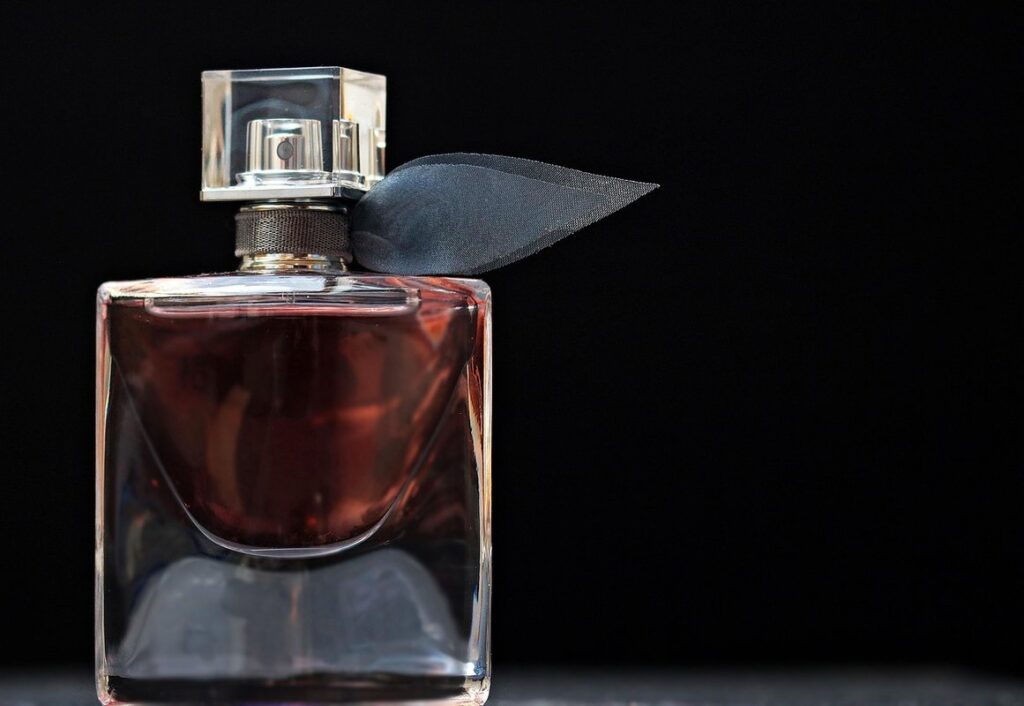
Understanding Perfume Bottles and Their Significance
Perfume bottles are more than just containers for your favorite scents, they often hold valuable information about their contents. Let’s examine the significance of various bottle designs, shapes, and markings found in perfume bottles.
The History of Perfume Bottles
The evolution of perfume bottles spans thousands of years, with ancient civilizations contributing to their development. In ancient Egypt, perfumes were stored in alabaster jars with stoppers made from papyrus or wood. The ancient Greeks and Romans used glass vessels, often decorated with intricate designs. During the Middle Ages, perfume bottles were primarily made from glass and metal, with ornate engravings and filigree details.
The Renaissance saw a resurgence in perfume bottle design, with the introduction of intricately carved crystal containers. In the 18th century, perfume bottles became more sophisticated, featuring delicate etchings and enameling techniques. The Industrial Revolution brought mass production techniques, making perfume bottles more accessible to the masses.
Modern perfume bottles often prioritize functionality over aesthetics, but many still showcase innovative designs and materials. For example, some contemporary bottles feature sleek, minimalist shapes or are made from sustainable materials like recycled glass. Understanding these historical developments can help you identify vintage perfume bottles and appreciate their craftsmanship. When examining antique bottles, look for signs of wear on the stopper or label to estimate their age, and consider consulting with an expert if you’re unsure about authenticity.
Identifying Perfume Bottle Materials
Glass is a popular material for perfume bottles due to its clarity and ability to showcase the fragrance’s color. However, it can be heavy and prone to breakage. Some perfume manufacturers opt for crystal glass, which offers improved durability without sacrificing aesthetics.
Plastic is another common choice, often used for economy lines or travel-sized perfumes. While lightweight and inexpensive, plastic bottles may not provide an airtight seal, potentially affecting the fragrance’s longevity. Look for perfume bottles with BPA-free labels to minimize exposure to chemicals.
Metal perfume bottles are less common but offer a luxurious feel. Typically made from aluminum or stainless steel, they can be more expensive than glass or plastic options. Metal bottles also tend to have a distinct sound when tapped, which some enthusiasts find appealing.
When identifying the material of a perfume bottle, examine its weight, texture, and any visible logos or markings. Check for stamps indicating BPA-free status or other certifications that might influence your decision to purchase. Familiarize yourself with common manufacturer materials to better assess a bottle’s authenticity.
Recognizing Classic Perfume Bottle Shapes
Classic perfume bottle shapes are more than just aesthetically pleasing – they can also hold clues to a fragrance’s age and origin. Look for iconic silhouettes like the hourglass, the cylindrical, and the flacon.
The Flacon Style: Characteristics and Examples
The iconic flacon shape is one of the most recognizable and enduring perfume bottle designs. Its origins date back to 19th-century France, where it was popularized by perfumers such as Guerlain. Characterized by a slender neck, rounded body, and distinctive stopper, the flacon style exudes elegance and sophistication.
Notable examples of this design can be seen in perfumes like Guerlain’s Shalimar and Mitsouko, which feature curved lines and ornate details that evoke the Art Nouveau era. Chanel’s perfume bottles are also iconic examples, with their streamlined flacons often adorned with the brand’s signature double “C” logo.
When identifying a perfume bottle as a classic flacon style, look for these distinctive features: a rounded or cylindrical body, a slender neck, and a decorative stopper. The material used can also be indicative of age and authenticity; vintage flacons were often made from heavy glass or crystal, while more recent examples may feature lighter materials.
Guerlain’s iconic Shalimar perfume bottle is a quintessential example of the flacon style, with its ornate details and curved lines making it instantly recognizable.
The Decanter Shape: History and Variations
The decanter-style bottle has been a staple of perfume packaging for over a century. Its origins date back to the early 1900s, when perfume bottles were often made from delicate glass and featured long necks and narrow bodies. This design allowed for the fragrance to be clearly visible through the transparent material, while also making it easy to pour small amounts.
In the 1920s and 1930s, decanter-style bottles became more ornate, with intricate cuts and etchings adorning the glass. Brands like Guerlain and Chanel produced iconic examples of this style, which often featured elaborate stoppers and caps. These luxury perfumes were marketed as high-end products, and their distinctive packaging helped to reinforce their prestige.
Today, decanter-style bottles continue to be used by various perfume brands, although the designs have become more minimalist in recent years. Some modern interpretations feature rounded shapes and simplified ornamentation, while others retain traditional details like cut glass and metalwork. When identifying a perfume bottle, look for these distinctive characteristics: long necks, narrow bodies, and decorative cuts or etchings on the glass. These features can help you pinpoint the decanter style and potentially date the bottle to its era of origin.
Modern Perfume Bottle Designs and Trends
Modern perfume bottle designs are a true work of art, blending form and function to create stunning collectibles. We’ll examine the most popular styles and trends that make your vintage bottles so unique.
Innovative Materials and Technologies
Modern perfume bottle designs often incorporate innovative materials and technologies to improve sustainability and functionality. Eco-friendly plastics have gained popularity in recent years, offering a more environmentally responsible alternative to traditional materials. Some manufacturers use recycled plastic or plant-based materials like bioplastics, which are derived from renewable biomass sources such as corn starch or sugarcane.
Smart glass technologies also play a significant role in modern perfume bottles. These specialized glasses can change color, texture, or transparency in response to changes in temperature or light exposure. This unique property allows designers to create intricate patterns and effects that would be impossible with traditional glassmaking techniques. For example, some perfumes feature “thermochromic” labels that shift from one color to another when warmed by the user’s hand.
When identifying perfume bottles featuring these advanced materials, pay attention to any distinctive labeling or packaging claims. Some eco-friendly plastics may carry certifications like Biodegradable Products Institute (BPI) or Compostable logos. Smart glass technologies are often less common and might be explicitly mentioned in marketing materials or product descriptions. By recognizing these innovative features, you can better understand the characteristics of a perfume bottle and aid in its identification.
Contemporary Design Elements and Packaging
Modern perfume bottles often feature minimalist aesthetics, characterized by clean lines, simple shapes, and a lack of embellishments. This design approach emphasizes the perfume’s fragrance rather than its packaging. For example, the iconic “Jo Malone London” bottle is a classic example of minimalism, with a sleek shape and subtle branding.
Unusual shapes are another trend in modern perfume bottles. Designers experiment with asymmetrical forms, irregular contours, and organic silhouettes to create visually striking vessels. The “Guerlain” “La Petite Robe Noire” bottle features an abstract, curved design that sets it apart from more traditional perfume packaging.
Packaging plays a significant role in the perfume industry, particularly for luxury brands. A well-designed box or case can elevate the user experience and create a premium feel. Consider the “Chanel” “Coco Mademoiselle” packaging, which features a sleek, compact case with a unique flip-top design. This type of innovative packaging not only protects the fragrance but also adds to its allure. When identifying perfume bottles, pay attention to the shape, material, and overall aesthetic – these elements can be indicative of a particular brand’s style or era.
Authenticating Vintage Perfume Bottles
Authenticating vintage perfume bottles requires a keen eye for detail and knowledge of production techniques, including glassmaking methods and labeling styles. Let’s take a closer look at how to verify the authenticity of these unique finds.
Determining Age and Rarity
Inspecting the label is a crucial step in determining the age of a vintage perfume bottle. Look for subtle variations in typography, font size, and logo placement that can indicate different eras. For example, vintage Guerlain bottles from the 1920s feature bold, serif fonts, while those from the 1950s display more elegant, cursive script. Check for specific label designs, such as the iconic “Jadore” label introduced in 1999 or the classic “Shalimar” design that remains largely unchanged since its introduction in 1925.
The cap of a vintage perfume bottle can also provide valuable clues about its age and rarity. Early caps often feature plain or simple designs, while later examples may incorporate decorative motifs or branding elements. For instance, pre-1940s Hermès bottles typically had small, metal-capped stoppers with minimal ornamentation, whereas post-war models sported more elaborate, sculptural designs.
The condition of the glass itself is another critical factor in determining age and rarity. Vintage perfume bottles often feature distinct characteristics such as frosted or etched glass, while later examples may exhibit clearer, more translucent glass due to advancements in manufacturing techniques. When examining the glass, pay attention to signs of wear, such as minor scratches, scuffs, or yellowing around the rim.
Valuing and Collecting Antique Perfume Bottles
Rare or antique perfume bottles can be highly prized among collectors for their unique craftsmanship, historical significance, and aesthetic appeal. However, valuing these items requires a nuanced understanding of market trends and authentication methods.
When assessing the value of an antique perfume bottle, consider its rarity, condition, and provenance. Research similar pieces sold at auction or through reputable dealers to gauge current market prices. For example, a 19th-century Baccarat decanter might fetch tens of thousands of dollars due to its exceptional craftsmanship and rarity. On the other hand, a mid-20th century perfumed flask from a well-known designer may be worth only a few hundred dollars.
To authenticate an antique perfume bottle, examine its materials, shape, and engravings for clues about its origins. Look for signatures or hallmarks that can confirm the manufacturer’s identity. Consider consulting with a reputable appraiser or expert in collectible perfumes to verify your findings. For display purposes, consider using acid-free tissue paper and glass-front cabinets to protect the bottle from damage while showcasing its beauty.
Common Misconceptions About Perfume Bottle Identification
Some perfume enthusiasts assume that a vintage perfume bottle must be extremely rare to be valuable, but this isn’t always the case. In fact, some common misconceptions can lead collectors astray when it comes to identifying their bottles.
Debunking Myths and Legends
Many perfume enthusiasts believe that vintage perfume bottles are made from crystal glass, but research reveals that this is not always the case. In fact, many classic perfumes were packaged in heavy, thick-walled glass bottles designed to withstand transportation and handling. These sturdy bottles often featured elaborate designs and ornate stoppers.
Some collectors assume that a gold rim on a perfume bottle indicates 18-karat gold or sterling silver, but this is not necessarily true. While some luxury brands have used gold-plated rims for aesthetic purposes, others may employ cheaper alternatives like vermeil or simply paint the rim with gold-colored lacquer.
Another widespread misconception concerns the authenticity of antique perfume bottles. Many people believe that a bottle’s original packaging and labels are essential to its value, but this is not always the case. Some perfumes were sold in plain glass bottles without elaborate packaging, while others may have had their original labels removed or replaced over time. What matters most is the bottle’s condition, material, and provenance.
To separate fact from fiction when it comes to perfume bottle materials, look for documentation like receipts, invoices, or certificates of authenticity from reputable dealers or collectors. When evaluating a vintage perfume bottle’s value, consider factors such as its rarity, age, and historical significance. It’s also essential to have your finds appraised by an expert in antique perfumery or a trusted collector before making any claims about their authenticity.
Advanced Techniques for Perfume Bottle Identification
Advanced perfume bottle identification techniques involve a range of specialized methods, including glass analysis and expert dating. We’ll walk you through these advanced approaches in more detail next.
Using Light Microscopy and Raman Spectroscopy
Light microscopy and Raman spectroscopy are specialized techniques used by experts to analyze perfume bottles. These methods provide detailed information about a bottle’s composition, enabling accurate identification of rare and valuable specimens.
With light microscopy, examiners can magnify the bottle’s surface features, such as engravings, logos, or other decorative elements. This technique is particularly useful for identifying vintage perfume bottles with intricate designs. For example, a light microscope might be used to examine the subtle patterns on a 1920s Art Deco bottle.
Raman spectroscopy, on the other hand, involves shining a laser onto the bottle’s surface and measuring the scattered light. This non-destructive technique can reveal information about the bottle’s material composition, including glass type, metal alloy, or ceramic components. Raman spectroscopy is often used to analyze perfume bottles with complex materials, such as antique flacons with intricate engravings.
By combining these techniques, experts can gain a comprehensive understanding of a perfume bottle’s origins and authenticity. For collectors and enthusiasts, this information is crucial for verifying the value and rarity of their possessions.
Consulting Historical Archives and Catalogs
Historical archives and catalogs are essential tools for verifying perfume bottle authenticity and provenance. These resources provide a wealth of information on perfume bottles, including their design, materials, and production dates. By consulting these archives, collectors can gain valuable insights into the history of their perfume bottle, which is crucial in determining its authenticity.
Many museums and institutions maintain extensive collections of perfume-related artifacts, including historical catalogs, exhibition records, and correspondence between perfumers and manufacturers. For example, the Musée des Arts Décoratifs in Paris holds an impressive collection of 19th- and early 20th-century perfume bottles, along with detailed catalogs and documentation. Similarly, the Cooper Hewitt Smithsonian Design Museum in New York has a comprehensive archive of perfumery-related materials, including design sketches, prototypes, and marketing campaigns.
When researching a perfume bottle, it’s essential to cross-reference information from multiple sources to ensure accuracy. Consult reputable archives and catalogs, paying attention to any discrepancies or inconsistencies that may indicate the bottle is not authentic.
Frequently Asked Questions
How Can I Use This Guide to Evaluate the Authenticity of a Perfume Bottle?
You can use this guide as a starting point to research and evaluate the authenticity of a perfume bottle by cross-checking its materials, shape, and design elements against known examples in your collection or online databases. Consult historical archives and catalogs for reference. Be cautious when dealing with modern reproductions or forgeries.
What If I’m Still Unsure About the Material Used in My Perfume Bottle After Consulting This Guide?
If you’re still unsure about the material used in your perfume bottle, consider consulting a professional conservator or restorer who specializes in perfumery artifacts. They can perform specialized tests such as light microscopy and Raman spectroscopy to determine the material’s composition.
Can I Use Modern Perfume Bottles as Investment Pieces?
Yes, certain modern perfume bottles with unique designs or limited edition releases can appreciate in value over time and be considered investment pieces. Research market trends and consult with experts before making a purchase with the intention of reselling.
How Do I Store and Display My Vintage Perfume Bottles to Preserve Their Condition?
To preserve the condition of your vintage perfume bottles, store them away from direct sunlight in a cool, dry environment. Avoid exposing them to extreme temperatures or humidity levels. When displaying them, use soft lighting and avoid touching the glass or decorations.
What If I Find a Perfume Bottle with a Strange or Unusual Material – Is it Automatically a Fake?
Not necessarily. Some perfumers have experimented with unique materials for artistic or environmental reasons. Research the brand and designer to determine if the material is an intentional design choice or a sign of inauthenticity.