
The intricate patterns and vibrant colors of a bird’s feathers can evoke a sense of wonder and curiosity in us. But have you ever stopped to think about what makes these features so remarkable? The answer lies in the concept of plumage, which refers to the covering of soft, often colorful feathers on birds’ bodies. Beyond its aesthetic appeal, plumage plays a crucial role in biology, with adaptations that enable birds to regulate their temperature, communicate with each other, and even protect themselves from predators. In fashion, plumage-inspired designs have long been popular, from intricate embroidery to statement accessories. Meanwhile, conservation efforts rely on understanding the complex relationships between plumage, habitat, and species survival. As we explore the fascinating world of plumage, you’ll gain a deeper appreciation for its definition, cultural significance, and multifaceted role in our lives, allowing you to understand and appreciate this incredible aspect of nature by the time you finish reading.
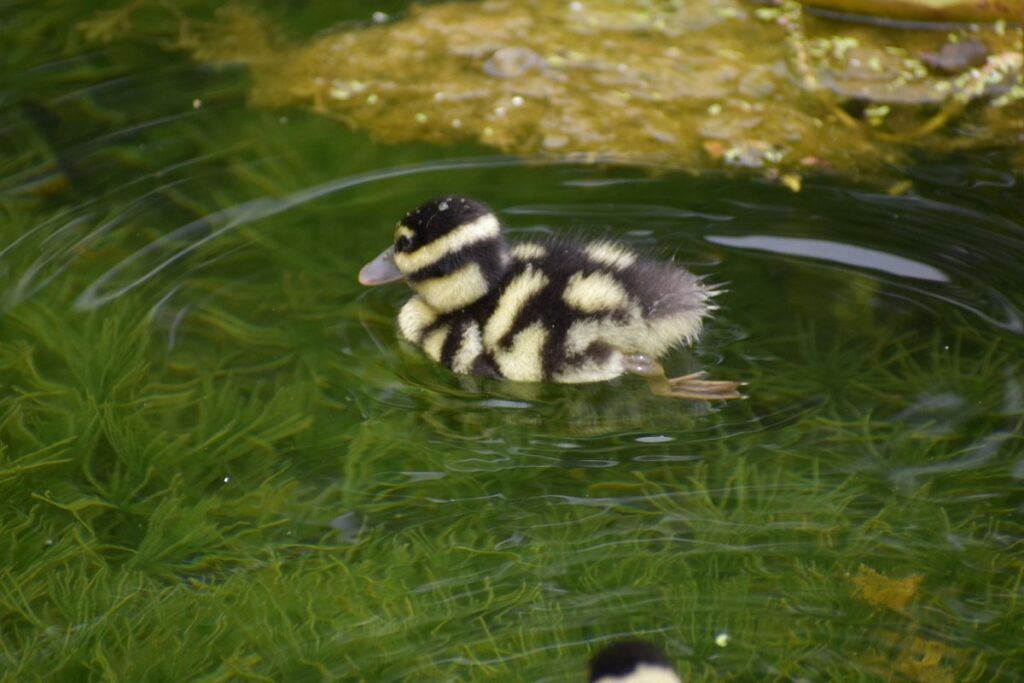
What is Plumage?
Plumage refers to the covering of feathers on a bird’s body, playing a crucial role in its survival and ability to adapt to various environments. Let’s break down this concept further.
Definition and Explanation
Plumage originates from the Latin word “pluma,” meaning feather, and the Greek word “πλούμα” (plouma), which also refers to a feather. In its most basic sense, plumage is the covering of feathers on a bird’s body. However, the term has broader applications across various fields.
In biology, plumage serves as an essential adaptation for birds, providing insulation, support, and aiding in flight. Birds with distinct plumage patterns often use them to communicate, attract mates, or deter predators. For instance, peacocks display their vibrant, eye-like feathers during courtship rituals to impress potential partners.
Beyond the natural world, plumage has significant importance in fashion and design. Plumes, derived from bird feathers, are used as a luxurious material for hats, boas, and other accessories. Designers often incorporate plume-inspired patterns or textures into their collections to evoke an exotic or opulent feel. Understanding the multiple contexts of plumage underscores its significance in both the natural and cultural realms.
Types of Plumage
Plumage comes in various forms across different species. While birds are perhaps most closely associated with feathers, these light yet strong structures serve as insulation and protection for many animals. Feathers offer unique advantages, such as buoyancy and aerodynamics, which allow birds to fly efficiently.
In contrast, reptiles typically have scales that cover their bodies. These hardened, keratin-based plates provide a protective barrier against the environment, reducing water loss through evaporation and conserving heat. Examples of scaly creatures include snakes, lizards, and turtles.
Mammals also possess unique forms of plumage. Humans, for instance, have hair covering most parts of their bodies, while other mammals like sheep and goats sport thick coats of wool or fleece. These adaptations serve to regulate body temperature, protect against the elements, and in some cases, even communicate social status or attractiveness.
Each type of plumage has evolved to suit its species’ specific needs and environments. Understanding these differences can help us better appreciate the intricate relationships between an organism’s physical characteristics and its survival strategies.
Biological Significance of Plumage
Plumage plays a vital role in many aspects of a bird’s life, from attracting mates to protecting against harsh environments. Let’s take a closer look at its biological significance.
Evolutionary Advantages
Plumage has evolved over time to provide essential functions for various species. Insulation is a primary advantage, particularly in birds living in extreme temperatures. For example, penguins’ feathers trap warm air next to their skin, maintaining a stable body temperature in freezing Antarctic waters. In contrast, the lightweight, loose structure of ostrich feathers allows them to stay cool in scorching desert environments.
Protection is another crucial function of plumage. The dense, overlapping scales on a turkey’s back protect its skin from harsh winds and elements. Similarly, the stiff quill feathers of some bird species serve as a barrier against predators. Display purposes are also inherent to plumage evolution. Brightly colored plumage in male birds like peacocks and hummingbirds plays a vital role in attracting mates and asserting dominance within their social hierarchies.
Species-specific adaptations illustrate the importance of considering environmental pressures when examining plumage evolution. Birds living in densely populated areas, such as waterfowl on urban lakes, have evolved distinct plumage characteristics to minimize conflict with other birds. By studying these examples, we can better understand how plumage has become an integral aspect of a bird’s survival and success.
Adaptive Coloration and Camouflage
Plumage plays a crucial role in an animal’s ability to blend in with its surroundings through adaptive coloration and camouflage. Birds have evolved remarkable strategies to match their plumage patterns and colors to their environments, making them nearly invisible to predators or prey. For example, the snowshoe hare changes its coat from brown to white in winter, allowing it to seamlessly merge with the snowy landscape.
Similarly, many bird species display striking examples of adaptive coloration. The Arctic tern’s pure white plumage, for instance, helps it sneak up on unsuspecting fish in icy waters. In contrast, the brightly colored plumage of tropical birds serves as a warning signal to potential predators that they are distasteful or toxic.
In addition to camouflage, plumage also plays a vital role in communication and attracting mates. Bright colors and elaborate displays can signal an individual’s health, fitness, and genetic quality to potential partners. Understanding the adaptive significance of plumage patterns and colors can provide valuable insights into the complex interactions between birds and their environments. By observing and studying these phenomena, we can gain a deeper appreciation for the intricate relationships between an animal’s appearance and its survival strategies.
Cultural and Historical Significance of Plumage
Plumage has played a significant role in various cultures, symbolizing power, status, and spirituality across ancient civilizations, influencing art, literature, and even modern-day fashion. From tribal headdresses to royal crowns, plumage has left an indelible mark on human history.
Fashion and Accessories
Throughout history, fashion and accessories have been inspired by the natural world, with plumage playing a significant role. In ancient Egypt, feathers were used to adorn headdresses and other regalia, symbolizing power and status. Similarly, in Africa and Asia, bird-inspired motifs were incorporated into textiles and jewelry.
In the 19th century, the rise of the couture industry saw designers like Charles Frederick Worth experimenting with feathered trimmings and accessories. The Art Deco movement further popularized the use of feathers and faux fur in high-fashion items, such as hats and handbags.
Today, plumage-inspired materials continue to influence fashion. Designers often incorporate sustainable and cruelty-free alternatives to real feathers, like plant-based fabrics or recycled materials. For example, some brands use 3D-printed faux fur for their accessories, offering a more eco-friendly alternative to traditional materials.
When incorporating plumage-inspired elements into your own style, consider the historical context and cultural significance of the design. By doing so, you can create a visually striking look while also paying homage to the natural world that inspired it.
Symbolism and Taboos
In many cultures, plumage has been imbued with symbolic significance, often reflecting a society’s values and power structures. In ancient Egypt, for instance, only high-ranking officials and nobility were permitted to wear elaborate headdresses featuring brightly colored feathers, serving as visual markers of their status and authority. Similarly, in some Indigenous Australian cultures, the quill or feather cloak held great spiritual significance, representing the wearer’s connection to ancestors and the divine.
The taboo surrounding certain types of plumage varied across cultures. In some African societies, it was considered an honor to receive a ceremonial headdress adorned with ostrich feathers, while in others, such adornments were strictly forbidden for lower castes or outcasts. The symbolism associated with plumage can be complex and nuanced; understanding these contexts is crucial for appreciating the cultural significance of specific bird species.
To better grasp the symbolic meaning behind particular plumes, consider researching local customs and traditions related to feathered ceremonial regalia. By examining historical records and engaging with cultural experts, you can gain a deeper understanding of how plumage was used as a visual language to convey social hierarchies and spiritual connections in different societies.
Plumage in Human Culture
Plumage has been a subject of fascination and inspiration throughout human history, influencing art, literature, and even fashion. We’ll take a closer look at how plumage has shaped our culture.
Artistic Representation
In art and literature, plumage has been used as a symbol of status, power, and beauty across various eras and styles. Classical paintings often depicted birds and animals with extravagant plumage to convey nobility and grandeur. For instance, Renaissance artists like Titian and Rubens featured majestic peacocks in their works, emphasizing their vibrant feathers.
In modern times, photographers have continued this tradition by capturing the intricate details of bird plumage. With advancements in photography technology, we can now appreciate the stunning patterns and colors found in nature. The work of wildlife photographer Joel Sartore is a prime example, showcasing the incredible diversity of avian species through his intimate and detailed shots.
Similarly, in literature, authors have used plumage to represent characters’ personalities or social standing. In Shakespeare’s “The Tempest,” the character Caliban is described as having “beastly plumes” on his head, signifying his wild and untamed nature. This use of language emphasizes the significance of plumage as a visual cue in storytelling. By paying attention to how artists and writers portray plumage, we can gain insight into its importance in human culture.
Pop Culture Influences
Plumage has been a ubiquitous feature in popular media, from movies to television shows and advertising. In films like “The Lord of the Birds” and “Harry Potter,” elaborate costumes and accessories are often used to evoke magical or fantastical themes. However, these depictions also frequently blur the lines between realistic plumage and purely decorative elements.
In some cases, plumage is used as a symbol of status or power, such as in the elaborate headdresses worn by characters in ancient cultures depicted in historical dramas like “Rome.” These examples highlight how plumage can be used to convey a character’s identity, social standing, or affiliation with a particular group. When creating costumes or accessories for media projects, it’s essential to accurately research and understand the cultural significance of these items.
Additionally, advertising often features models wearing elaborate wigs and headdresses adorned with feathers, flowers, or other materials, evoking associations with luxury, elegance, and sophistication. These depictions can be misleading, implying that consumers need to emulate these styles to achieve a desired status or appearance. Understanding the cultural context of plumage in media productions is crucial for artists, designers, and costume makers who aim to accurately represent different cultures and avoid perpetuating stereotypes.
Plumage as a Scientific Concept
Plumage is a complex concept that encompasses not only feathers but also their structure, coloration, and function. Let’s explore how plumage fits into the scientific understanding of bird biology.
Taxonomy and Classification
In the scientific community, plumage is classified based on its external appearance and structure. This classification plays a crucial role in identifying species and understanding evolutionary relationships. Birds with similar plumage characteristics are grouped together into a genus or family.
For instance, the genera of waterfowl (Anas and Aythya) share distinct visual features such as webbed feet and broad bills. These physical traits indicate adaptations for aquatic environments. Similarly, within the avian order Charadriiformes, birds like sandpipers, plovers, and oystercatchers exhibit similar characteristics like long legs, slender bodies, and sharp beaks.
To understand plumage classification, scientists examine the arrangement of feathers on a bird’s body, including their size, shape, coloration, and distribution. This information helps researchers distinguish between related species and identify unique features that may indicate evolutionary divergence. By studying the diversity of plumage across different groups, biologists can reconstruct the phylogenetic history of birds, providing insights into their evolutionary past and present relationships.
Research and Conservation Efforts
Ongoing research on plumage-related topics has significantly advanced our understanding of feather structure and coloration. Scientists have been studying the unique properties of barbs and barbules, which allow for the formation of tight bundles that provide insulation, support, and aerodynamics to birds’ flight capabilities. For instance, researchers at the University of California discovered that certain bird species possess microscopic structures on their feathers that refract light and produce vibrant colors.
In addition to studying plumage, conservation initiatives are working to protect avian populations threatened by habitat destruction, climate change, and human activities such as hunting and pollution. The International Union for Conservation of Nature (IUCN) Red List categorizes over 1,300 bird species as endangered or vulnerable. Conservation efforts focus on preserving habitats, monitoring population dynamics, and developing sustainable practices to reduce the impact of human activities on avian ecosystems. For example, organizations like BirdLife International are working with local communities to establish protected areas and engage in eco-tourism initiatives that promote coexistence between humans and birds.
Plumage in Everyday Life
Plumage plays a significant role in our daily lives, not just for birds but also in fashion and design. We’ll explore how plumage influences our aesthetic choices.
Pet Care and Welfare
When it comes to birds with unique or exotic plumage, providing proper care and handling is crucial for their welfare. Many species require specialized attention due to their specific coat characteristics, such as those with long quills that can be easily damaged or molted. Birds like the Peacock and Argus Pheasant have vibrant iridescent feathers that demand gentle handling.
To ensure animal welfare concerns are met, it’s essential to research a bird’s individual needs before bringing them home. This includes understanding their specific dietary requirements and environmental needs, such as humidity levels and temperature control. For instance, birds native to tropical climates may require more humid environments to thrive.
When interacting with birds having unique plumage, exercise caution when handling or cleaning around their coats. Use soft-bristled brushes or sponges specifically designed for bird care, avoiding harsh chemicals or abrasive materials that can damage feathers. Providing a balanced diet and regular veterinary check-ups will also help maintain the overall health of these birds. By prioritizing their specific needs and handling them with care, you can ensure a happy and healthy life for your feathered companion.
Sustainable Fashion and Materials
When it comes to materials featuring plumage, there’s a growing interest in sustainable alternatives. Synthetic fibers like polyurethane and polyester are often used as direct substitutes for real feathers. These man-made materials mimic the look and feel of natural plumage but have a significantly lower environmental impact.
Another option is plant-based fabrics made from materials such as soy or corn proteins. These bioplastics can be designed to resemble feathers, offering a cruelty-free and eco-friendly alternative for fashion and design applications.
Some popular brands are already incorporating these alternatives into their products. For instance, the clothing brand Stella McCartney uses synthetic fibers in many of its designs. However, it’s essential to note that not all plant-based fabrics are created equal – some may have a higher carbon footprint than others.
When choosing materials featuring plumage, consider looking for certifications like Oeko-Tex or Bluesign, which ensure the product meets certain environmental and social standards. Additionally, be mindful of the brand’s transparency regarding their sourcing practices and material composition. By making informed choices, you can support companies that prioritize sustainability while still achieving the desired aesthetic.
Frequently Asked Questions
Can I use real feathers in my craft project without harming animals?
Yes, many artists and craftspeople opt for sustainable and cruelty-free alternatives like faux fur or plant-based materials. Consider consulting with suppliers about the origin of their feathers or exploring eco-friendly options.
What if I’m trying to create a realistic bird costume but can’t find suitable plumage-inspired fabrics?
Look into using 3D printing technology or specialized textile design software to mimic feather patterns and textures on synthetic materials. This approach allows for creative freedom while avoiding harm to animals or the environment.
How do I properly care for birds with unique or exotic plumage in captivity?
When handling birds with extraordinary plumage, prioritize their welfare by providing a spacious and well-ventilated enclosure with access to natural light. Ensure regular social interaction, exercise, and a balanced diet tailored to their specific needs.
Can I use plumage-inspired designs in my fashion brand without being accused of promoting animal cruelty?
To minimize controversy, research and emphasize the creative reinterpretation of natural patterns rather than using real feathers or fur. Highlight your commitment to sustainability, eco-friendliness, and responsible materials sourcing to reassure customers about your brand’s values.
What if I’m an artist interested in depicting plumage in my work but struggle with accurately capturing its texture and color?
Study the work of renowned wildlife artists who specialize in bird portraiture or plumage-inspired art. Consider collaborating with experts in taxidermy or ornithology to gain a deeper understanding of feather structure, coloration, and pattern variation.