
When examining an antique pocket watch, there are often small symbols or markings that can seem like mere decorations. However, these marks hold significant meaning in authenticating and valuing the timepiece. Known as hallmarks, they were used by watchmakers to indicate the quality of their work, the materials used, and sometimes even the country of origin. Makers’ marks, assay marks, and makers’ marks are just a few examples of the types of hallmarks you might find on an antique pocket watch. Understanding these markings can be crucial in determining the value and authenticity of a timepiece, but deciphering their meaning can be daunting for collectors and enthusiasts alike. In this article, by the end of it, you’ll be able to confidently identify and understand various types of pocket watch hallmarks, giving you the knowledge to make informed decisions when buying or selling antique timepieces.
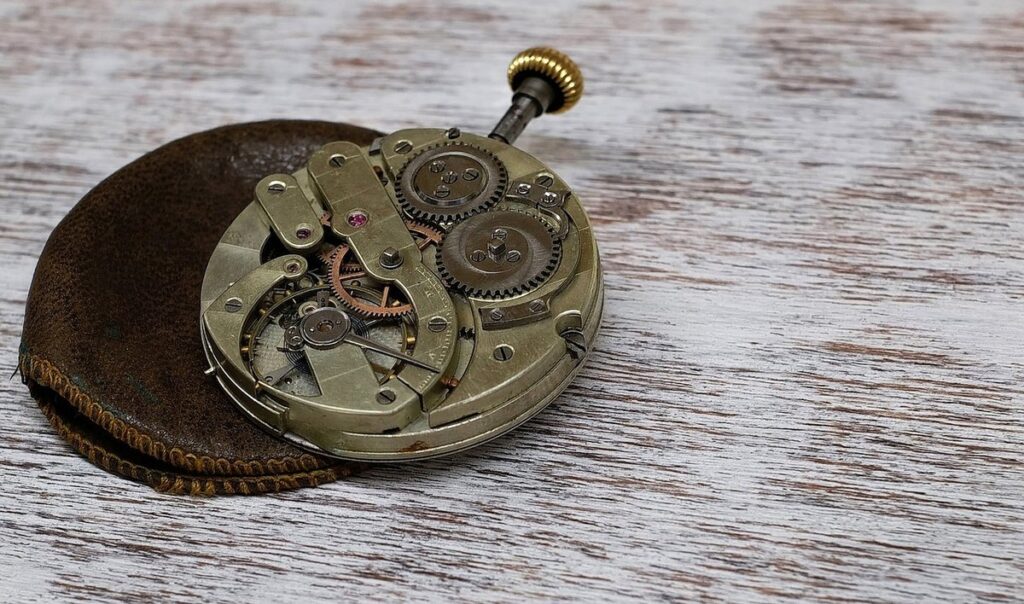
Understanding Pocket Watch Hallmarks
When studying pocket watch hallmarks, it can be overwhelming to decipher their meaning and significance. Let’s break down what these marks signify and how they’re used in identifying a timepiece’s authenticity and value.
What Are Hallmarks and Why Do They Matter?
Hallmarks are distinctive marks or stamps found on antique pocket watches, serving as a visual representation of their authenticity and craftsmanship. These marks can reveal crucial information about the watch’s maker, materials, and date of manufacture. For collectors and enthusiasts, understanding hallmarks is essential to appreciating the watch’s historical significance.
The presence of hallmarks can significantly impact the value and desirability of a pocket watch. A well-documented hallmark can establish the watch’s provenance and authenticity, making it more valuable to collectors. Conversely, a lack of or misleading hallmark can raise suspicions about the watch’s legitimacy.
When examining a pocket watch, look for hallmarks on the case back, movement, or other visible components. Some makers’ marks may be discreetly placed, so it’s essential to examine the watch carefully. Not all hallmarks are created equal; some are more prominent or easily recognizable than others. By learning to identify and interpret hallmarks, collectors can gain a deeper understanding of their pocket watches and make more informed purchasing decisions.
Types of Hallmarks Found on Pocket Watches
Maker’s marks are perhaps the most distinctive type of hallmark found on pocket watches. These marks typically feature a maker’s initials, often accompanied by other symbols or stamps that indicate the watchmaker’s identity and reputation. Some common variations of maker’s marks include monograms, logos, and even coats of arms.
Assay marks are another crucial identifying feature, indicating that the watch has been tested for purity and authenticity. These marks typically consist of a combination of letters and symbols that signify the assay office responsible for verifying the watch’s materials. Common examples of assay marks include the British Assay Office mark (e.g., “B.S.”) or the Swiss Assay Office mark (e.g., “S.S.).
Additionally, other identifying features like retailer marks, movement stamps, and engravings can provide valuable information about a pocket watch’s history and authenticity. Retailer marks often feature the name of the store where the watch was purchased, while movement stamps indicate the type of movement used in the watch. Engravings on the case or dial can also reveal important details about the watch’s provenance.
When examining these hallmarks, consider consulting catalogs and reference materials to gain a deeper understanding of their significance and meaning.
Identifying Hallmarks: A Beginner’s Guide
Understanding pocket watch hallmarks can be overwhelming, especially for beginners. This section will break down the key characteristics to look for in identifying authentic hallmarks on your timepiece.
Recognizing Maker’s Marks on Pocket Watches
When examining a pocket watch for maker’s marks, look for distinctive symbols, initials, or logos typically found on the case or movement. Some common maker’s marks include the Japy Freres mark, which features an anchor and the letters “JF,” and the Breguet mark, represented by a pair of crossed flags. The significance of these marks lies in their connection to the watch’s quality and value.
A well-known maker like Breguet would have used high-quality materials and employed skilled artisans, resulting in a timepiece with exceptional craftsmanship. In contrast, lesser-known makers might use lower-grade components or employ less-experienced workers. To accurately identify a maker’s mark, it’s essential to familiarize yourself with the typical marks associated with different manufacturers.
When evaluating a pocket watch for authenticity, pay attention to the consistency and precision of the maker’s mark. A genuine mark should be crisply engraved and evenly spaced. Be wary of poorly executed or mismatched markings, which could indicate a fake or altered timepiece. To further authenticate your pocket watch, consult reputable catalogs and reference materials that specialize in antique watches.
Deciphering Assay Marks on Pocket Watches
Assay marks on pocket watches indicate compliance with specific purity standards for precious metals such as gold and silver. There are several types of assay marks found on pocket watches, including English hallmarks, Swiss stamps, and various proprietary marks. The most common assay marks are those bearing the crown or lion passant symbols, which signify sterling silver content.
To decipher assay marks, look for the year stamp preceding the mark, as this indicates when the watch was assayed. Next, examine the assay mark itself: is it a single symbol, or does it feature multiple elements? Some marks may be accompanied by a letter or number indicating the metal’s purity. Familiarize yourself with common English hallmarks, such as the “GS” for sterling silver and “CT” for vermeil (sterling silver coated in gold).
Consider the context of the assay mark: was it stamped on the watch at the time of production, or added later? This distinction can impact the watch’s authenticity and value. When evaluating a pocket watch with assay marks, research the specific types of marks found on your watch and consult reputable resources for guidance on their significance.
Advanced Hallmark Identification Techniques
To take your pocket watch hallmark identification skills to the next level, we’ll be exploring advanced techniques for decoding and verifying hallmarks. This includes examining hallmark placement, style, and subtle variations that can significantly impact authenticity.
Understanding Markers’ Marks and Their Variations
Markers’ marks are a crucial aspect of pocket watch hallmarks, as they can be used to identify specific makers or periods of production. These marks typically consist of a logo, initials, or other distinctive symbol associated with the manufacturer. However, markers’ marks often exhibit variations, making it essential for collectors and enthusiasts to understand these differences.
One reason for variation is that manufacturers may have undergone name changes, mergers, or acquisitions over time. For example, the firm Waltham Watch Company was known by several different names during its production period, resulting in distinct marks being used concurrently. Additionally, makers’ marks can be modified due to changes in design or aesthetics.
To accurately identify a maker’s mark and its variations, collectors should consult reference materials, such as catalogs and databases dedicated to pocket watch hallmarks. These resources often provide detailed information on the evolution of makers’ marks over time. When researching, it is also essential to note any inconsistencies in spelling, punctuation, or design elements that may indicate different periods of production.
Using Catalogs and Reference Materials for Hallmark Research
When researching and identifying hallmarks on pocket watches, catalogs and reference materials are invaluable resources. These resources provide a wealth of information on various makers’ marks, assay marks, and other hallmark variations. To get started, consult established sources such as the British Hallmark Society’s catalog or the American Watchmakers-Clockmakers Institute’s (AWCI) reference materials.
These catalogs list and describe hallmarks from specific manufacturers and periods, allowing you to identify marks on your pocket watch with confidence. Additionally, online databases like the International Association of Watch and Clock Collectors‘ (IAWCC) hallmark database offer a convenient way to search for and compare hallmarks.
When using these resources, it’s essential to verify their accuracy and relevance to your specific research needs. For instance, if you’re researching a particular maker’s mark, ensure that the catalog or online resource covers that specific manufacturer. By leveraging catalogs and reference materials effectively, you can significantly enhance your understanding of pocket watch hallmarks and improve your identification skills.
The Role of Hallmarks in Authenticating Pocket Watches
When examining a pocket watch, hallmarks can be a crucial clue to its authenticity and history. We’ll explore how these markings are used to verify the watch’s legitimacy.
Verifying the Authenticity of a Pocket Watch with Hallmarks
When verifying the authenticity of a pocket watch with hallmarks, it’s essential to examine the marks closely and look for red flags. One common issue is the presence of fake or altered hallmarks, which can be difficult to spot. Check if the marks are evenly spaced, well-defined, and consistent in style throughout the watch. A hallmark that appears out of place or mismatched with other markings may indicate tampering.
Another area to investigate is the maker’s mark itself. Research the specific mark online, cross-referencing it with reputable catalogs and resources. If the mark is unclear or unidentifiable, consult with a professional appraiser or restorer for guidance. Some hallmarks are notoriously tricky to decipher, so having expert input can be invaluable.
If you suspect that a hallmark has been altered or fabricated, proceed with caution. Avoid making any assumptions or jumping to conclusions based on initial impressions. Instead, gather as much information as possible and consult multiple resources before making a decision about the watch’s authenticity.
Provenance and History: How Hallmarks Can Enhance a Pocket Watch’s Value
A pocket watch’s provenance and history are intricately linked to its value, and hallmarks play a crucial role in substantiating these claims. When a pocket watch bears authentic hallmarks, it not only verifies the manufacturer but also provides a tangible connection to the past. This can be particularly significant for collectors seeking rare or historical timepieces.
For instance, a pocket watch with a hallmarked mark from a renowned maker like Patek Philippe or Vacheron Constantin is likely to fetch a higher price due to its association with the luxury brand’s heritage and reputation. Similarly, hallmarks indicating British assay marks can attest to the watch’s compliance with 18th-century standards of quality.
When purchasing or selling a pocket watch, collectors and enthusiasts should carefully consider the hallmarks’ implications on provenance and value. They should research the manufacturer, assay marks, and any relevant historical context to ensure that the hallmarks accurately reflect the watch’s authenticity and significance. By doing so, they can make informed decisions based on verifiable evidence, rather than relying solely on speculation or hearsay. This rigorous approach will ultimately lead to a more accurate assessment of the pocket watch’s value.
Common Misconceptions About Pocket Watch Hallmarks
Many collectors new to pocket watches are unaware of the common misconceptions surrounding hallmarks, which can greatly impact their value and authenticity. We’ll address some of these myths head-on in this section.
Debunking Myths and Misinformation about Hallmarks
Misinformation about hallmarks on pocket watches can be widespread and misleading. One common myth is that certain hallmarks are inherently valuable or desirable simply because they’re rare. In reality, a hallmark’s value lies in its authenticity and the maker it represents, not its rarity. For instance, a well-known maker like Patek Philippe might have a more valuable hallmark than an unknown or lesser-known one.
Another misconception is that hallmarks can’t be faked or altered. While it’s true that some forgers are skilled enough to create convincing hallmarks, there are still ways to detect authenticity. Look for inconsistencies in the hallmark’s style, size, or materials compared to other marks from the same maker. Be wary of hallmarks that seem too perfect or overly elaborate – they might be trying too hard to deceive.
A small minority of collectors and sellers may intentionally spread misinformation about hallmarks to inflate prices or create a false sense of scarcity. To avoid falling prey to these tactics, it’s essential to consult reputable sources, such as established auction houses or expert horologists, before making any purchasing decisions.
The Importance of Expertise in Evaluating Pocket Watch Hallmarks
Evaluating pocket watch hallmarks requires a level of expertise that’s often underestimated by collectors and enthusiasts. Without proper knowledge, it’s easy to misinterpret marks or overlook crucial details. This is where professional horologists and collectors’ organizations come into play. They possess the specialized training and experience needed to accurately identify and authenticate hallmarks.
A reputable collector’s organization, for instance, may have a panel of expert members who review and verify the authenticity of pocket watches with hallmarks. These experts can spot even minor discrepancies in marks that might raise red flags about a watch’s provenance or value. On the other hand, individual collectors without extensive experience might unintentionally misattribute marks or overlook vital information.
When purchasing a pocket watch with hallmarks, it’s essential to work with a trusted dealer or auction house that has established relationships with professional horologists and collectors’ organizations. These intermediaries can provide invaluable guidance and ensure that you’re making an informed purchase decision. By seeking the expertise of seasoned professionals, you’ll be better equipped to navigate the complexities of pocket watch hallmarks and make informed decisions about your collection.
Conclusion: Unlocking the Secrets of Pocket Watch Hallmarks
Now that we’ve explored the intricacies of pocket watch hallmarks, let’s summarize the key takeaways and examine how they can enhance your collecting experience.
Recap of Key Takeaways
As you conclude your journey through this comprehensive guide to pocket watch hallmarks, remember these essential takeaways. For collectors and enthusiasts, it’s crucial to understand the significance of hallmarks in verifying a watch’s authenticity and determining its value. The ability to recognize maker’s marks, assay marks, and markers’ marks is key to unlocking a pocket watch’s history and provenance.
A basic understanding of hallmark types, such as stamps, punches, and engravings, will help you decipher the meaning behind these markings. Furthermore, being aware of common misconceptions about hallmarks, like their role in authenticating watches, will prevent misinformation from clouding your judgment. This guide has also emphasized the importance of expertise in evaluating pocket watch hallmarks, as a professional’s eye can make all the difference in accurately interpreting these markings.
To apply this knowledge, focus on developing your skills in identifying and understanding hallmark types. Consult catalogs and reference materials for guidance, and don’t be afraid to seek expert advice when necessary. By doing so, you’ll become a more discerning collector or enthusiast, capable of appreciating the intricacies and value that pocket watch hallmarks bring to these timepieces.
Final Thoughts on the Significance of Hallmarks in Pocket Watches
When evaluating a pocket watch’s value and authenticity, hallmarks play a crucial role. They provide tangible evidence of the timepiece’s origin, materials, and craftsmanship. A well-documented hallmark can significantly impact the watch’s resale value, as it establishes its provenance and historical context. In many cases, a pocket watch with rare or highly sought-after hallmarks can appreciate in value over time.
A hallmark can also serve as a unique identifier for a specific pocket watch maker or style. By studying these markings, collectors and enthusiasts can gain insight into the watch’s design influences, manufacturing techniques, and cultural significance. For example, the presence of a hallmark indicating sterling silver construction may suggest that the watch was made during a period of increased demand for high-quality metalwork.
Ultimately, hallmarks offer a tangible connection to the past, allowing owners to appreciate their pocket watches as more than just timepieces – but also as artifacts imbued with historical significance. By understanding and preserving these markings, collectors can ensure that future generations continue to value and appreciate the craftsmanship and artistry that went into creating these intricate pieces of horology.
Frequently Asked Questions
Can I Use Online Resources to Research Hallmarks or Are Specialized Books and Catalogs Required?
While online resources can be helpful in researching hallmarks, they may not provide the same level of detail and accuracy as specialized books and catalogs. These publications often contain expertly curated information and high-quality images that are essential for precise identification and authentication.
What If I’m Not Sure Whether a Hallmark Is Genuine or a Reproduction?
Be cautious when encountering hallmarks that seem too perfect or uniform, as they may be reproductions. Compare your findings with reference materials and consult with experts to verify authenticity. Look for signs of wear, patina, or other characteristics that suggest age.
Can I Use Digital Images of Pocket Watches to Research Hallmarks or Is Physical Inspection Required?
While digital images can provide a good starting point, physical inspection is often necessary to accurately identify hallmarks. Inspect the watch in person to examine the hallmark’s shape, size, and placement on the case, as well as any accompanying markings or engravings.
How Do I Handle Conflicting Information About Hallmarks from Different Sources?
When encountering conflicting information about hallmarks, consult multiple reputable sources, including expert publications, online forums, and collector organizations. Weigh the credibility of each source and consider seeking expert advice to resolve any discrepancies.
Can I Use a Combination of Hallmark and Provenance Research to Increase a Pocket Watch’s Value or Is One More Important Than the Other?
Both hallmark research and provenance research are crucial for increasing a pocket watch’s value. A combination of both can provide a more comprehensive understanding of the watch’s history, authenticity, and significance, ultimately leading to a higher valuation.