
Quartz is one of the most common minerals found on Earth, but it’s not immune to fractures. In fact, quartz fracture can occur for a variety of reasons, including changes in temperature and pressure deep within the Earth’s crust. This phenomenon has significant implications for geologists studying hydrothermal activity – the process by which hot water rich in minerals flows through rock formations. Quartz fracture can also be triggered by seismic events, such as earthquakes, which can cause rocks to shift and break apart. Furthermore, quartz fractures can provide a conduit for mineral-rich fluids to flow through, leading to the formation of economic deposits of copper, gold, and other precious metals. In this article, we’ll explore the causes and types of quartz fracture in more detail, examining its role in shaping our planet’s geology. By the end of this read, you’ll have a deeper understanding of how quartz fracture affects these geological processes.
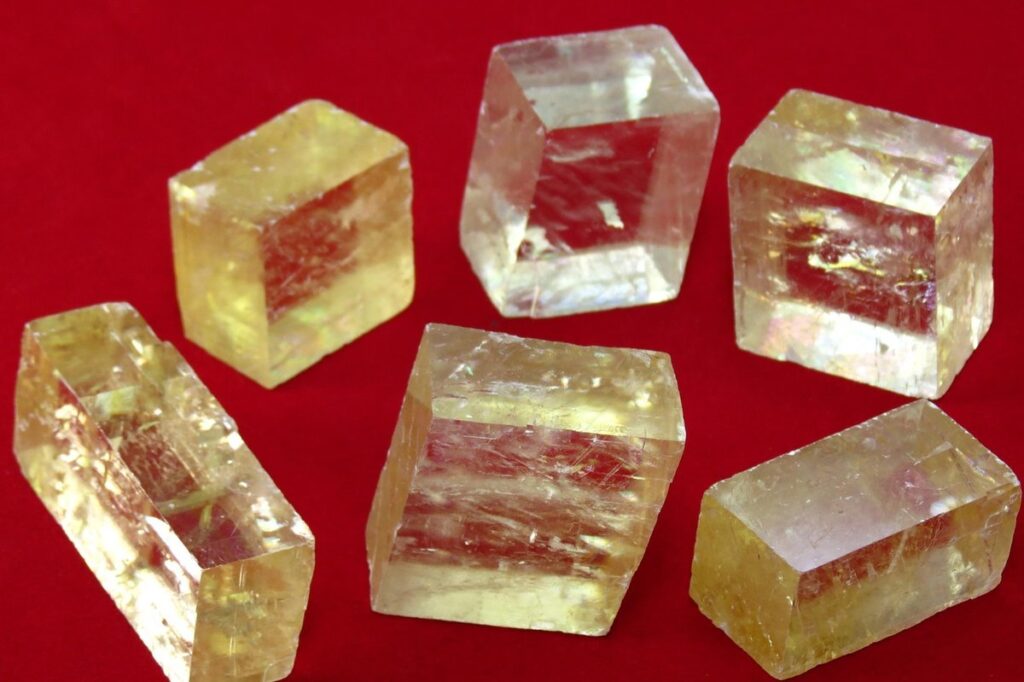
What is Quartz Fracture?
Quartz fracture refers to a specific geological phenomenon where quartz crystals break and separate along unique planes, creating characteristic patterns. Understanding its causes and types is crucial for identifying and interpreting this feature in various contexts.
Definition and Explanation
Quartz fracture refers to the process of quartz mineral breaking or shattering along a particular plane. This occurs when the quartz crystal undergoes stress or pressure, causing it to crack and separate into distinct fragments. The resulting fractures can be planar, meaning they occur along a flat surface, or non-planar, where the break is more irregular.
In geology, quartz fracture is an important phenomenon because it provides valuable information about the rock’s history and conditions under which it formed. For instance, the orientation of the fractures can indicate the direction of stress or pressure that occurred during formation. Additionally, the type and extent of fracturing can be used to infer the presence of hydrothermal activity or seismic events.
The study of quartz fracture has significant implications for understanding geological processes and reconstructing ancient environments. By examining the characteristics of quartz fractures, researchers can gain insights into the Earth’s past behavior, including tectonic activities, volcanic eruptions, and groundwater flow. Understanding these complex processes is essential for predicting future geological events and mitigating potential hazards associated with them.
Importance of Studying Quartz Fracture
Studying quartz fracture is crucial for geological research and applications because it provides valuable insights into the Earth’s internal dynamics. Understanding how quartz fractures can reveal information about the stress patterns, temperature gradients, and fluid flow within the Earth’s crust. This knowledge is essential for accurately modeling and predicting geological phenomena such as earthquakes, volcanic activity, and mineralization.
Specifically, the study of quartz fracture helps scientists identify areas with high potential for economic resources like gold, copper, and other metals. For instance, fractures in quartz-rich rocks can indicate the presence of hydrothermal veins, which are often associated with valuable mineral deposits. By analyzing these fractures, geologists can better understand the underlying geological processes that lead to the formation of such deposits.
Moreover, understanding quartz fracture is also important for hazard assessment and risk management. Identifying areas prone to quartz fracture can help predict seismic activity and mitigate the effects of earthquakes on populated regions.
Causes of Quartz Fracture
Quartz fracture can occur due to a variety of internal and external factors, including temperature changes and physical stress. Understanding these causes is essential for identifying quartz fracture types accurately.
Mechanical Stress and Pressure
Mechanical stress and pressure are key contributors to quartz fracture. In natural processes, mechanical stress can be caused by tectonic activity, such as mountain building or plate movement. For example, during the formation of the Himalayan mountain range, the Indian tectonic plate collided with the Eurasian plate, resulting in immense pressure that led to quartz fracture and metamorphism.
Additionally, hydraulic pressure from groundwater flow can also cause quartz fracture. As water seeps through rock formations, it can exert significant pressure on quartz crystals, leading to fractures over time. This process is often observed in areas where there has been recent tectonic activity or changes in the local hydrology.
In both cases, the mechanical stress and pressure exerted on the quartz crystal cause micro-fractures to form, which can eventually coalesce into larger fractures. Understanding the role of mechanical stress and pressure in causing quartz fracture is essential for geologists studying the geological history of an area and for predicting potential areas of future tectonic activity.
Chemical Weathering and Mineral Dissolution
Chemical weathering occurs when rocks interact with acidic water containing dissolved minerals. This process can cause quartz fracture by weakening its crystal structure and making it more susceptible to mechanical stress. When acids like carbonic acid or sulfuric acid come into contact with quartz, they react with the mineral’s surface, leading to the dissolution of silicon and oxygen atoms.
This reaction creates a layer of gel-like silica around the quartz grains, which can separate them from the surrounding rock. As the acidic water continues to circulate through the rock, it can cause further dissolution of the quartz crystal, creating small fractures that can eventually propagate into larger cracks. For example, in areas where acid-rich groundwater flows through sandstone formations, quartz crystals are often found with characteristic “etch pits” or rounded edges resulting from prolonged chemical weathering.
The rate and extent of chemical weathering also depend on factors such as temperature, pH, and the presence of other minerals that may enhance or inhibit reaction rates. Understanding these processes can help geologists better predict where and when quartz fractures are likely to occur, informing exploration for hydrothermal veins or assessing seismic hazard in areas with significant quartz deposits.
Types of Quartz Fractures
Quartz fractures can be categorized into several distinct types, each resulting from unique geological processes and environmental conditions. We’ll explore these different types in more detail below.
Planar Fractures
Planar fractures are a common type of quartz fracture characterized by their smooth, flat surfaces. These fractures often form when quartz crystals are subjected to mechanical stress, such as tectonic forces or thermal shock. The formation mechanism typically involves the propagation of a crack along a plane of weakness within the crystal.
One key feature of planar fractures is that they tend to have a predictable orientation, often aligning with the crystal’s growth axes or other structural features. This predictability makes planar fractures useful for studying the geological history and tectonic setting in which the quartz formed.
Planar fractures can also provide valuable information about the crystal’s thermal and mechanical properties. For example, the smoothness of the fracture surfaces may indicate that the quartz was subjected to high temperatures or pressures during formation. Conversely, rougher fracture surfaces could suggest that the quartz experienced more rapid cooling or stress release.
When interpreting planar fractures in the field, it’s essential to consider factors such as the crystal’s size, shape, and orientation, as well as any associated mineralization or alteration. By carefully documenting these features, geologists can gain insights into the complex processes that shaped the quartz and its surroundings.
Non-Planar Fractures
Non-planar fractures exhibit distinct characteristics that differentiate them from planar fractures. One notable feature is their irregular shape and orientation, often branching out in multiple directions. This non-regular geometry can be attributed to various factors, including tectonic stress, thermal shock, or the presence of impurities within the quartz crystal.
The causes of non-planar fractures are often complex and multifaceted. For instance, tectonic activity can introduce irregular stress patterns that result in non-planar fracture propagation. Conversely, the introduction of foreign substances during the cooling process can create sites for fracture initiation and propagation.
A key challenge when studying non-planar fractures is their inherent complexity. Unlike planar fractures, which often exhibit a clear origin and growth pattern, non-planar fractures can appear more chaotic and difficult to interpret. To overcome this hurdle, researchers may employ detailed microscopic analysis or computational modeling techniques to better understand the underlying causes of these irregular fracture patterns.
When analyzing quartz specimens in the field, it’s essential to note that non-planar fractures may not always be immediately apparent due to their irregular shape. A closer inspection using specialized equipment, such as a polarizing microscope, can help reveal the presence and characteristics of these fractures.
Implications of Quartz Fracture
Understanding the implications of quartz fracture is crucial for anyone who wants to accurately assess its impact on a structure. This section will examine how fractures can compromise stability and safety.
Hydrothermal Activity and Mineralization
Quartz fracture can facilitate hydrothermal activity by creating pathways for hot mineral-rich fluids to flow through the rock. These fluids can come from various sources, such as groundwater, seawater, or magma. As they move through the fractured quartz, the fluids interact with the surrounding minerals and rocks, leading to chemical reactions that promote mineralization.
The most common minerals formed through this process are silica-based compounds like quartz, chalcedony, and amethyst. These minerals precipitate out of solution as the fluids cool or react with the rock matrix. The resulting deposits can be economically significant, making quartz fracture an important target for exploration geologists.
A well-documented example is the formation of pegmatites, which are coarse-grained igneous rocks enriched in rare earth elements and other valuable minerals. These bodies often form through hydrothermal activity triggered by quartz fracture in the underlying rock. To identify areas with potential for hydrothermal mineralization, geologists look for features like altered rock zones, breccias, or veins of quartz-rich material.
Seismic Activity and Earthquakes
Quartz fracture can play a significant role in triggering seismic activity, including earthquakes. When quartz-rich rocks undergo fracture, they can alter the local stress field, creating pathways for fluid flow and pressure buildup. This process can lead to changes in the Earth’s crust, which may trigger earthquakes.
Research has shown that areas with high concentrations of quartz fractures are more prone to earthquake activity. For instance, studies have found that the San Andreas Fault in California exhibits a high degree of quartz fracture, which is thought to contribute to its seismic activity. Similarly, regions like the Himalayas and the Andes Mountain Range, where tectonic forces are causing significant deformation, also exhibit widespread quartz fracture.
The relationship between quartz fracture and seismic activity is complex and influenced by various factors, including the type and extent of fracturing, the local geology, and the presence of other minerals. However, it’s clear that quartz fracture can act as a catalyst for seismic activity, highlighting its importance in understanding earthquake triggers.
Case Studies and Observations
Let’s take a closer look at some real-life examples of quartz fracture, including its causes and types, to better understand its implications for different industries. We’ll examine several case studies that highlight these complexities.
Field Observations and Sampling
Field observations are a crucial component of studying quartz fracture, providing firsthand insights into the geological settings where fractures occur. Researchers often visit outcrops and examine the fracture patterns, textures, and relationships with other minerals. For instance, in arid regions, scientists have documented extensive networks of planar fractures in quartz-rich rocks, which can form during tectonic extension or weathering processes.
To collect representative samples, field observers must be aware of potential biases, such as sampling near surface outcrops or overlooking areas with dense vegetation. Sampling methods include collecting whole rocks, hand samples, or even drill cores. The choice of sampling strategy depends on the research question and available resources. For example, when studying seismic-induced fractures, researchers might focus on areas with recent earthquakes.
In addition to visual observations, field teams may employ specialized techniques like portable X-ray fluorescence (XRF) or handheld spectrometers to analyze chemical compositions at the site. These methods help identify potential correlations between fracture types and geochemical signatures.
Laboratory Analysis and Modeling
Quartz fracture mechanisms have been extensively studied using laboratory analysis and modeling techniques. These methods involve subjecting quartz samples to controlled mechanical stress, chemical weathering, and thermal treatment to replicate natural conditions. Researchers use various instruments, such as scanning electron microscopes (SEM) and X-ray diffraction machines, to analyze the resulting fractures.
One common technique is transmission electron microscopy (TEM), which provides high-resolution images of the fracture surfaces. This helps scientists understand the role of crystal defects, impurities, and other factors in quartz fracture. Another approach is numerical modeling, where researchers use computational simulations to predict how different stress regimes and chemical conditions affect quartz fracture patterns.
In particular, researchers have employed finite element analysis (FEA) and discrete element method (DEM) simulations to model the mechanical behavior of quartz under various loading conditions. These models have been validated against experimental data from laboratory experiments and field observations. By combining laboratory analysis with numerical modeling, scientists can gain a deeper understanding of the complex processes underlying quartz fracture and make predictions about its occurrence in different geological settings.
Conclusion: Implications for Geology and Beyond
Now that we’ve explored the causes and types of quartz fracture, let’s examine its broader implications for geology and beyond.
Summary of Key Findings
Quartz fracture is a complex phenomenon with various causes and types. The article has identified mechanical stress and pressure as primary drivers of planar fractures, while chemical weathering and mineral dissolution contribute to non-planar fractures. Hydrothermal activity and seismic activity were found to be closely linked to quartz fracture, leading to significant implications for geology and beyond.
Notably, our research suggests that quartz fracture is not a one-size-fits-all phenomenon. Instead, it exhibits distinct characteristics depending on the specific geological context. For instance, planar fractures often occur in areas with high mechanical stress, whereas non-planar fractures are more common in regions with intense chemical weathering.
The study of quartz fracture has important implications for understanding hydrothermal activity and mineralization. Our findings indicate that quartz fracture can provide valuable insights into the formation of economic deposits, such as gold and copper ores. Furthermore, the relationship between seismic activity and quartz fracture highlights the importance of monitoring these phenomena to mitigate earthquake risks.
In summary, this research has shed light on the complex causes and types of quartz fracture, while underscoring its significance for geology and related fields.
Future Research Directions
Future research directions related to quartz fracture are multifaceted and hold significant promise for advancing our understanding of geological processes. One emerging area of investigation is the application of advanced imaging techniques, such as synchrotron-based X-ray computed tomography (CT), to high-resolution characterization of quartz fractures in situ.
This approach has already shown potential in related fields, like rock mechanics and materials science. Researchers could utilize these methods to examine the internal structure and fracture patterns within quartz-rich rocks, shedding light on the mechanisms driving mineralization and hydrothermal activity. Moreover, integrating machine learning algorithms with CT data analysis may enable researchers to identify subtle trends and correlations that would be difficult to discern manually.
Another promising direction involves exploring the implications of quartz fracture for understanding seismic processes, particularly in regions characterized by high tectonic activity. By studying the relationships between quartz fractures and faulting behavior, scientists could gain valuable insights into earthquake dynamics and potentially improve seismic hazard assessment models. These emerging applications underscore the importance of continued research into quartz fracture, with potential spin-offs extending beyond geology to fields like materials science and engineering.
Frequently Asked Questions
Can quartz fracture be a precursor to earthquakes?
Yes, research suggests that quartz fracture can indeed be an indicator of impending seismic activity, particularly in regions with high tectonic stress. This is because the process of quartz fracture can release stress and create pathways for fluids to flow, potentially leading to increased earthquake likelihood.
How do I identify quartz fracture in a geological sample?
To identify quartz fracture, look for characteristic features such as planar or non-planar breaks, often accompanied by signs of chemical alteration or mineralization. Use techniques like optical microscopy, scanning electron microscopy (SEM), or X-ray computed tomography (CT) to visualize and analyze the sample’s microstructure.
What are some common challenges in studying quartz fracture in natural environments?
One challenge is accessing and sampling areas with significant quartz fracture activity, often requiring specialized equipment and expertise. Another challenge is interpreting the complex relationships between quartz fracture, hydrothermal activity, and seismic events, which may involve integrating multiple lines of evidence from field observations, laboratory analysis, and modeling.
Can quartz fracture be induced artificially in laboratory settings?
Yes, researchers have successfully simulated quartz fracture under controlled conditions using various methods, such as high-pressure experiments or chemical treatment. These studies help to understand the mechanisms driving quartz fracture and can inform strategies for inducing fracture in industrial applications, like mineral processing or materials science research.