
The term “strawberry moon” might be more familiar to some readers than others, but its significance goes beyond just being a poetic name for a full moon in June. For many cultures and communities, this moon has historical and spiritual importance, tied to themes of abundance, fertility, and the peak of summer’s warmth. From an astronomical perspective, the strawberry moon marks one of the most prominent lunar events in the Northern Hemisphere’s calendar. You might be interested in learning more about the cultural associations surrounding this moon, such as its connection to Native American traditions or its role in European folklore. This comprehensive guide will explore all aspects of the strawberry moon, covering its origins, historical usage, astronomical significance, cultural associations, and modern-day celebrations, providing a deeper understanding of what makes this moon so special.
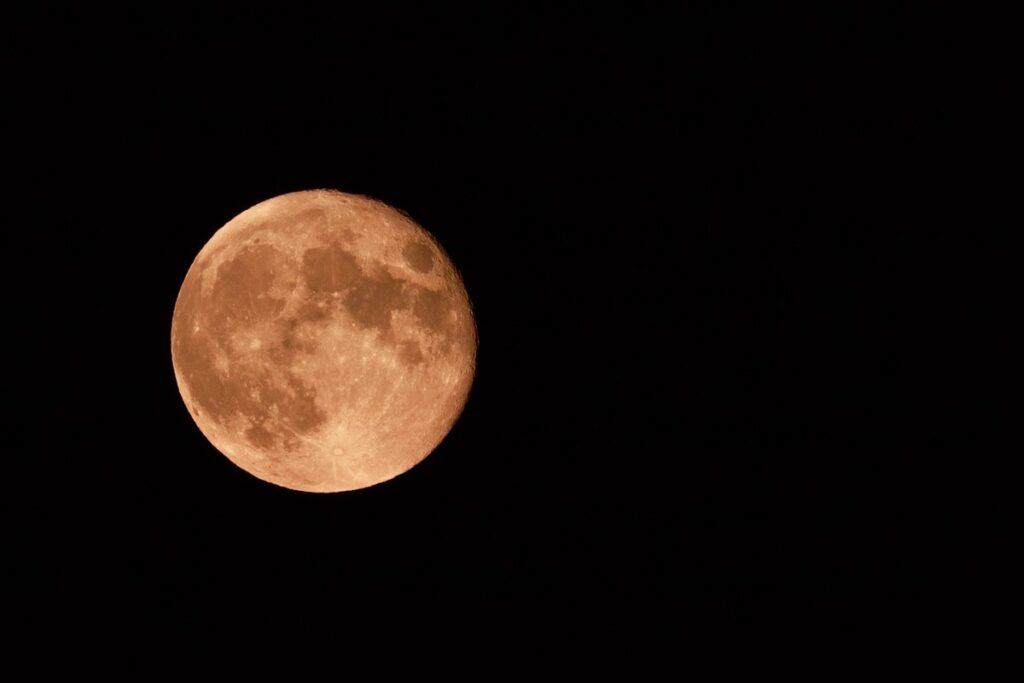
What is a Strawberry Moon?
The term “Strawberry Moon” might evoke images of ripe fruit, but its origins are actually tied to an ancient lunar event that’s deeply rooted in Native American culture. We’ll explore what this unique name means.
Definition and Etymology
The term ‘strawberry moon’ originates from the Native American tribes who associated it with the ripening of strawberries in June. This lunar name is derived from the Algonquin word ‘wabanaki,’ which translates to ‘time of ripening strawberries.’ The full moon in June was also referred to as ‘strawberry moon’ by other indigenous cultures, including the Ojibwe and the Haida.
The timing of this association makes sense, given that many Native American tribes traditionally considered June a prime time for harvesting wild strawberries. These berries were not only a staple food but also held spiritual significance in many indigenous cultures. The ripening of strawberries was seen as a sign of the summer solstice’s approach and the longer days to come.
The use of lunar names tied to specific events or activities like strawberry ripening is a common feature of many Native American cultural traditions. These names often serve as reminders of the importance of timing and preparation in relation to seasonal changes and natural cycles.
History of the Name Usage
The term “Strawberry Moon” has been used to describe a full moon occurring in various months throughout history. In colonial America, Native American tribes named each full moon based on their experiences and observations of nature. The Strawberry Moon specifically was identified by the Algonquian tribes as the month when strawberries ripened, typically occurring in June.
As European settlers arrived, they adopted some of these traditional names but also introduced their own regional variations. In New England, for example, this full moon was sometimes referred to as the “Saskatoon Berry Moon,” while in other parts of Canada it was known as the “Fruit Moon.” The term “Strawberry Moon” itself gained widespread use in the 20th century.
Regional names for lunar cycles often reflect local customs and agricultural practices. In some areas, the full moon is still referred to by its traditional name, whereas in others a more generic term like “Full Strawberry Moon” or simply “June Full Moon” is used. While these regional variations exist, the core connection between the strawberry harvest season and this particular lunar cycle remains a constant thread throughout history.
Astronomical Significance of Strawberry Moon
The Strawberry Moon holds a special place in astronomy, marked by its unique lunar appearance and rare coincidences that make it stand out from other full moons. Its celestial significance is deeply rooted in ancient traditions.
Lunar Cycle Phases
The strawberry moon is a full moon phase that occurs at a specific time of the year. In the Northern Hemisphere, it typically falls in late May or early June, while in the Southern Hemisphere, it takes place in November or December. This timing corresponds to the last full moon before the summer solstice in the respective hemispheres.
During this period, the lunar cycle is in its waxing gibbous phase, which means that the moon appears larger and fuller as it approaches opposition with the sun. The strawberry moon’s position within the larger lunar cycle is significant because it often coincides with the peak of spring or early summer growth in many parts of the world.
It’s worth noting that the exact dates for the strawberry moon can vary from year to year due to the lunisolar calendar, which takes into account both the lunar and solar cycles. As a result, some years may have an earlier or later strawberry moon than others. Understanding these variations can help individuals appreciate the nuances of the lunar cycle and plan accordingly for astronomical events and cultural celebrations associated with the strawberry moon.
Effects on Tides and Marine Life
During the strawberry moon’s full phase, the gravitational pull of the moon on Earth’s oceans is at its strongest. This results in more pronounced tidal fluctuations, particularly in coastal areas where sea levels are already high due to the moon’s proximity. Studies have shown that the increased tidal activity can lead to erosion and flooding in low-lying regions.
The heightened tidal activity also has an impact on marine life. For example, some species of fish and shellfish tend to migrate closer to shore during this time to take advantage of the abundant food sources brought about by the stronger tides. In contrast, other species may be displaced from their usual habitats due to the changed water conditions.
The effects of the strawberry moon’s tidal cycle can also be observed in the behavior of marine predators like sharks and rays. Research has indicated that these animals tend to congregate in areas where the tidal currents are strongest, suggesting a link between their feeding habits and the lunar cycle.
Cultural Associations with Strawberry Moon
The strawberry moon has long been associated with a range of cultural traditions, from Native American celebrations to European folklore. Let’s take a closer look at these fascinating connections.
Native American Traditions
Native American tribes have a rich tapestry of traditions associated with the strawberry moon. The Ojibwe people, for instance, mark the beginning of berry-picking season during this time. They believe that the ripening of wild strawberries signals the return of warmth and the abundance of summer. In some Ojibwe communities, children are given their first basket-weaving lessons to help them prepare for the harvest.
The Choctaw tribe has a similar tradition, where strawberry-picking is considered an important rite of passage. Young women are tasked with gathering strawberries in the woods, which are then used in ceremonies and rituals to ensure a bountiful harvest. These traditions not only acknowledge the moon’s influence on the natural world but also recognize the interconnectedness of human life and the environment.
In many Native American cultures, the strawberry moon is associated with themes of abundance, fertility, and renewal. These mythologies often feature stories of trickster spirits or ancestors who taught humans how to cultivate and harvest wild strawberries, symbolizing the cycle of growth and decay that occurs during this time.
European Folklore and Calendar Observances
In European folklore, the strawberry moon is often associated with themes of fertility, abundance, and harvest. In ancient Celtic cultures, the full moon in June was seen as a time for celebration and feasting, marking the end of spring’s renewal and the beginning of summer’s warmth. This lunar cycle coincided with the ripening of strawberries and other fruits, which were considered sacred.
In many European countries, the strawberry moon is tied to traditional festivals and calendar events. For example, in Germany, the full moon in June is still celebrated as “Strasburger Monat” (Strasbourg Month), a time for music, dance, and merriment. Similarly, in Scandinavian countries, the summer solstice – often coinciding with the strawberry moon – is marked by midsummer festivals, featuring traditional foods, bonfires, and folk dancing.
Some notable European folklore surrounding the strawberry moon includes stories of magical creatures and spirits associated with fertility and abundance. For instance, the ancient Germanic goddess Frigga was said to have woven a cloak from strawberries to protect her people during times of famine. These cultural associations continue to influence modern-day celebrations and practices in Europe, often blending traditional folk traditions with contemporary themes and activities.
Modern-Day Celebrations and Practices
From ancient harvest festivals to contemporary summer solstices, modern-day celebrations and practices surrounding the Strawberry Moon reveal a rich tapestry of cultural traditions. Explore these vibrant customs here.
Contemporary Cultural Events
Many modern-day celebrations and festivals have coincided with or drawn inspiration from the strawberry moon. For example, music festivals like Strawberry Moon Music Festival in Wisconsin and Blue Ox Music Festival in Minnesota often take place during this time. These events typically feature local artists and bands performing folk, rock, and indie music, creating a lively atmosphere that resonates with the moon’s symbolism.
Some art exhibitions also capitalize on the strawberry moon’s mystique. For instance, the “Strawberry Moon: A Celebration of Art and Nature” exhibit at the local gallery in Maine features works by regional artists who explore themes of lunar cycles, growth, and renewal. This event encourages visitors to appreciate the beauty of nature through the lens of art.
Wellness retreats also leverage the strawberry moon’s spiritual significance. Many retreat centers offer full-moon yoga sessions, meditation workshops, and nature walks under the light of the full moon. Participants can connect with like-minded individuals while rejuvenating their bodies and minds amidst the peaceful surroundings. These events foster a sense of community and appreciation for the natural world, aligning with the cultural associations of the strawberry moon.
Astrological and Spiritual Significance
Many modern spiritual practitioners and astrologers see the strawberry moon as a time for growth, renewal, and introspection. This full moon is often associated with the energies of abundance, fertility, and manifestation. In some new age circles, it’s believed that the strawberry moon amplifies the power of intentions and desires, making it an ideal time to set goals and work towards personal development.
During this phase, some people engage in rituals and practices aimed at cultivating gratitude, self-reflection, and emotional balance. Others use this energy to connect with nature, practice yoga or meditation, and tap into their creative potential. For example, a full moon ritual might involve writing down intentions on small stones or paper, and then releasing them under the light of the strawberry moon.
Astrologically, the strawberry moon is often linked to the zodiac signs of Cancer, Leo, and Libra, which are associated with themes of nurturing, creativity, and harmony. Those born during these periods may feel a strong connection to this full moon’s energies. To tap into its significance, you can try journaling about your goals and desires, practicing mindfulness under the full moon light, or engaging in activities that promote self-love and care.
Scientific Aspects of Lunar Cycles
The lunar cycle has a profound impact on our planet, and understanding its rhythms can help us appreciate the beauty of the strawberry moon. We’ll explore how the science behind lunar cycles affects the full moon’s appearance.
Understanding Lunar Periods
Lunar periods refer to the time intervals between successive identical phases of the moon. These cycles are crucial for understanding timekeeping and navigation. The most well-known lunar period is the synodic month, which averages 29.5 days and marks the time between new moons.
To comprehend the significance of lunar periods, consider how they relate to our calendar system. Many cultures have based their calendars on lunar cycles, using them to track months and years. For instance, the Islamic calendar is a purely lunar calendar, with each month beginning when the crescent moon is first sighted.
However, lunar periods can be confusing due to variations in their length caused by elliptical orbits of the Earth around the Sun. This leads to differences in apparent lunar speed, resulting in events like the “blue moon,” which occurs when there are two full moons in a single calendar month. Understanding these complexities is essential for accurate timekeeping and navigation. By recognizing the underlying patterns of lunar periods, we can better appreciate the interconnectedness of astronomical phenomena and their impact on human culture.
Impact on Agriculture and Ecology
The strawberry moon has a profound impact on agriculture and ecology worldwide. In regions with temperate climates, the full moon’s lunar cycle influences plant growth, often causing increased water absorption by crops during its peak phase. This can lead to improved yields for farmers who carefully manage their irrigation schedules around this time. Conversely, in areas with sensitive ecosystems, the strawberry moon can exacerbate drought conditions if precipitation coincides with the moon’s drying effect on vegetation.
Farmers in different parts of the world adapt to these lunar influences in various ways. In some Asian cultures, for instance, farmers plant specific crops during the full moon phase, taking advantage of its growth-enhancing properties. In contrast, Indigenous communities in North America often plan their agricultural activities around the harvest moon’s decrease in tides, which helps reduce saltwater intrusion into freshwater sources.
To apply this understanding practically, consider incorporating lunar timing into your gardening or farming schedule if possible. Observe how specific crops respond to the strawberry moon’s cycle and adjust your planting schedules accordingly. By acknowledging and working with these natural rhythms, you can optimize agricultural productivity while minimizing environmental strain.
Conclusion: The Enduring Legacy of the Strawberry Moon
As we come full circle, let’s examine the lasting impact of the Strawberry Moon on cultures around the globe, from art to traditions. Its influence is felt even today.
Recap of Key Points
The strawberry moon’s rich history and cultural significance have been explored through both historical and modern-day perspectives. This article has shown how the name “strawberry moon” originated from Native American tribes, who used it to mark the full moon closest to the summer solstice. In European folklore, the strawberry moon was often associated with fertility and abundance. Today, people around the world celebrate this lunar event through cultural events, astrological observations, and spiritual practices.
From an astronomical standpoint, the strawberry moon is a significant event in the lunar cycle, affecting tides and marine life. This has implications for agriculture and ecology, as well as inspiring modern-day celebrations and traditions. The article has also highlighted the enduring legacy of the strawberry moon, which continues to captivate people’s imagination and inspire new interpretations.
To recap, key points discussed include: the etymology of the term “strawberry moon,” its historical associations with Native American tribes and European folklore, as well as modern-day cultural events and astrological observations. Understanding these perspectives can help individuals appreciate the significance of this lunar event and find meaning in their own lives.
Final Thoughts on Significance
Observing lunar cycles like the strawberry moon has a profound impact on our collective cultural heritage. By acknowledging and respecting these celestial events, we tap into a rich tradition of astronomical awareness and spiritual connection. The significance of the strawberry moon lies not only in its precise timing but also in the communal experiences it fosters.
In many Native American cultures, the full moon is a time for storytelling, feasting, and ceremonial gatherings. Similarly, European folklore often associates specific lunar phases with distinct activities, like planting or harvesting crops. These observations encourage us to slow down, appreciate the natural world, and recognize our place within its rhythms. By embracing this heritage, we can cultivate a deeper appreciation for the interconnectedness of human experience and the cosmos.
In practical terms, acknowledging the cultural significance of the strawberry moon inspires us to create our own meaningful connections with lunar cycles. We can begin by setting aside time for introspection during full moons, engaging in activities that promote mindfulness and community building. By doing so, we not only honor a timeless tradition but also weave ourselves into its fabric. This enduring legacy reminds us that even as the world around us changes, our shared experiences under the night sky remain an essential part of who we are.
Frequently Asked Questions
How can I plan my own strawberry moon celebration or event?
You can plan your own strawberry moon celebration by incorporating elements from various cultures and traditions associated with the lunar cycle. Consider hosting a full-moon viewing party, creating a cultural exchange program to learn about different customs, or organizing a community garden to grow strawberries in time for the harvest. You can also draw inspiration from modern-day festivals and events that coincide with the strawberry moon.
Can I still celebrate the strawberry moon if I’m not in a region where it’s visible?
Yes, you can still celebrate the strawberry moon even if it’s not visible in your area. Many cultures have developed ways to connect with the lunar cycle through rituals, ceremonies, or symbolic practices that don’t rely on direct observation of the moon. You can also find online communities or join local groups to participate in virtual strawberry moon celebrations.
How do I incorporate the cultural significance of the strawberry moon into my daily life?
Incorporating the cultural significance of the strawberry moon into your daily life involves being mindful of the lunar cycle and its impact on nature and human experiences. You can practice moon-gazing, journaling, or meditation to connect with the energy of the strawberry moon. Additionally, consider adopting sustainable practices that respect the natural world, such as reducing waste or conserving water.
Can I use the strawberry moon as a symbol for personal growth or spiritual transformation?
Yes, the strawberry moon can be used as a symbol for personal growth or spiritual transformation. Many cultures associate the full moon with completion, renewal, and introspection. You can reflect on your personal goals and aspirations during this time, set intentions for self-improvement, or engage in spiritual practices that align with the lunar cycle.
What if I’m not familiar with indigenous cultures or European folklore – how do I learn more about the strawberry moon?
You can learn more about the strawberry moon by researching its cultural associations through books, documentaries, or online resources. You can also reach out to local indigenous communities, cultural centers, or historical societies for guidance and insights into the history and significance of the strawberry moon in different cultures.