
Street photography is often about capturing the unscripted moments of everyday life, but when you’re working on a documentation project, things get more complex. You need to balance the goal of creating compelling images with the ethics of not disrupting or exploiting the people and places you’re photographing. This means carefully planning your shoot, choosing the right equipment for the job, and being mindful of how your presence will be perceived.
As you plan and capture your street photography documentation project, it’s easy to get bogged down in the technical aspects – like what lens to use or how to work with available light. But ultimately, your goal is to tell a story through images that are both beautiful and informative. In this article, we’ll cover expert tips on planning, capturing, and editing compelling street photography documentation projects. By the time you’re done reading, you’ll know exactly how to plan and execute your own documentation project from start to finish.
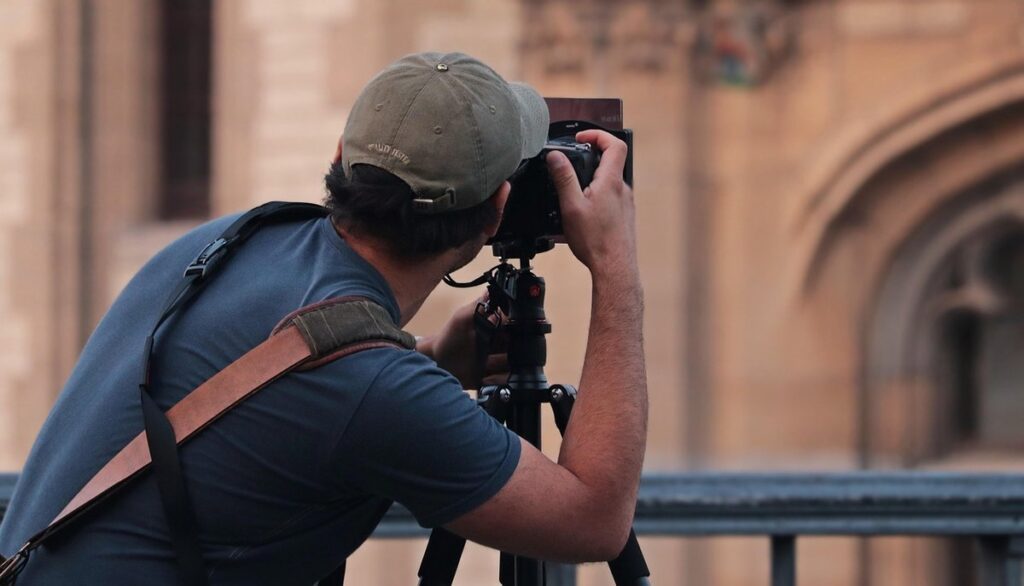
Understanding Your Goals and Equipment
Before we jump into documenting our shoots, it’s essential to have a clear understanding of what you want to achieve through your street photography practice. What are your goals, and what equipment will help you get there?
Setting Clear Objectives
Defining clear objectives is essential for a successful street photography documentation workflow. Without well-defined goals, you risk wandering aimlessly, taking pictures without purpose, and wasting valuable time. To set effective objectives, consider your personal style as a photographer. Think about the type of images that resonate with you – are they candid portraits, urban landscapes, or quiet moments in public spaces?
Next, define the scope of your project. Are you documenting a specific location, such as a city street or a local market? Or are you looking to capture a particular theme, like social justice issues or cultural traditions? Knowing the scope will help you focus on what’s truly important and avoid getting sidetracked.
Lastly, be realistic about your available resources – time, equipment, and budget. If you’re working with limited gear, prioritize images that can be captured with minimal equipment. This might mean focusing on candid portraits over complex compositions. By balancing your personal style, project scope, and resources, you’ll create objectives that guide your street photography documentation workflow and yield meaningful results.
Camera and Lens Selection
When choosing a camera and lens for street photography documentation, image quality is paramount. A high-resolution sensor (at least 16 megapixels) will allow you to capture detailed images even at small apertures. However, consider the trade-off between resolution and file size: larger files can be cumbersome to manage.
Portability is also crucial in street photography, as you’ll often need to move quickly through crowded areas or navigate tight spaces. A compact camera body (around 1-2 pounds) paired with a lightweight lens will make it easier to carry your gear without drawing attention to yourself.
Compatibility with existing equipment is another consideration. If you already have a favorite prime lens or zoom, look for cameras that can utilize these lenses seamlessly. This not only saves money but also streamlines your workflow. For example, if you’re invested in Canon’s EF-S series, choose a camera with a similar mount (such as the EOS M50). Consider using a mirrorless camera, which often boasts improved autofocus and reduced weight compared to traditional DSLRs.
Pre-Shoot Planning and Preparation
Before hitting the streets, it’s essential to plan and prepare your gear and mindset. Let’s cover the crucial steps to take before you start capturing those incredible street photography moments.
Researching Locations and Subjects
When scouting locations for street photography documentation, it’s essential to identify areas with high visual interest and potential for capturing unique moments. Researching neighborhoods, landmarks, and events can provide valuable insights into a location’s character. Start by studying maps of the area, looking for intersections, alleys, and public spaces that might offer interesting vantage points.
Consult online forums, social media groups, or photography blogs to gather information on popular shooting spots and local events. Websites like Google Street View can also help you visualize the environment and identify potential locations. When researching subjects, consider themes such as urban decay, street art, or cultural festivals. Look for areas with a high concentration of interesting textures, colors, and patterns.
Make a list of potential locations and prioritize them based on your goals and the time of day. For example, if you’re interested in capturing people interacting with their environment, consider visiting parks or public squares during peak hours. Remember to respect local regulations and permissions when shooting at specific locations, and always be mindful of your subjects’ comfort level.
Creating a Shooting Schedule
Creating a shooting schedule is essential for documenting street photography projects. Without one, you risk over- or under-shooting, leading to inefficient use of time and resources. A well-planned schedule helps manage logistics such as location access, permits, and equipment needs.
Consider the duration of your project and allocate sufficient time for each shoot. Factor in contingencies like weather-related delays, unexpected closures, or last-minute changes in permissions. For example, if you’re planning a multi-day project in a city with unpredictable weather, leave some buffer days to account for rain or extreme temperatures.
Your schedule should also outline specific tasks for each day, including setup, shooting, and potential wrap-up activities. This might involve researching the location beforehand to identify optimal vantage points, scouting ahead of time to minimize logistical headaches, or arranging support staff if needed.
To create an effective schedule:
- Prioritize your objectives and allocate sufficient time for each task
- Break down larger projects into manageable segments with clear deadlines
- Leave room for flexibility in case things don’t go as planned
In-Field Capture Techniques
When capturing street photography, being prepared and adaptable is crucial, which is why we’ll cover essential in-field techniques for successful documentation. Let’s explore strategies for handling unexpected situations on location.
Mastering Composition and Focus
When it comes to capturing compelling street photographs, composition and focus are crucial elements. A well-balanced composition can convey the atmosphere of a scene, while proper focus ensures that your subject stands out. To achieve this, start by considering the rule of thirds, where you place interesting elements along the lines or at their intersections. This helps create a sense of tension and balance.
Another technique is to use leading lines, which guide the viewer’s eye through the image. Look for patterns like streets, alleys, or even architectural details that lead the viewer to your subject. Pay attention to negative space as well – sometimes, what’s not in the frame can be just as important as what is.
To control depth of field and isolate your subject, experiment with aperture settings between f/2.8 and f/5.6. For closer shots, use a wider aperture (smaller f-stop number) to create a shallow depth of field. Conversely, for more expansive scenes, opt for a narrower aperture (larger f-stop number) to capture more depth.
When using focus stacking, take multiple shots at different focus points and merge them later in post-processing. This technique allows you to achieve an infinite depth of field, ensuring that both near and far elements are sharp.
Working with Light and Atmosphere
Lighting conditions are a crucial factor to consider when capturing street photography. While it’s often ideal to work with soft, diffused light, you may find yourself shooting in low-light environments or under harsh midday sun. In these situations, be prepared to adjust your camera settings and composition accordingly.
For example, when working with low light, try using a wide-aperture lens (like f/1.4) to let more light into the camera. This can help you achieve a shallow depth of field, drawing attention to your subject while blurring out distracting background elements. However, be cautious not to overexpose your image.
On the other hand, when shooting under bright skies, consider using a polarizing filter or adjusting your white balance settings to minimize glare and reduce eye strain in your subjects. Overcast conditions can also present opportunities for capturing moody, high-contrast images with deep shadows and highlights. In these cases, experiment with slower shutter speeds to create a sense of movement and energy in the scene.
In each situation, pay attention to how the light interacts with the environment, textures, and colors. This will help you capture authentic, evocative street photography that tells a story about the people and places you’re documenting.
Post-Shoot Image Management
Now that you’ve captured some amazing shots, let’s talk about what happens after you’ve pressed the shutter button and have a collection of images to review. This is where careful curation and organization come into play.
Organizing Your Files and Metadata
When it comes to street photography documentation, proper file organization and metadata management are crucial for maintaining a coherent and navigable archive. This is particularly important when working on long-term projects or documenting extensive events. Without a solid system, you risk losing track of your images and struggling to retrieve specific files.
To streamline image processing, consider using tools like Lightroom or Capture One. These programs enable you to import, organize, and edit multiple images in a single session. By utilizing their metadata management features, you can assign keywords, ratings, and descriptions to each file, making it easier to search and filter your collection.
When organizing files, it’s essential to create separate folders for different projects or events. Within these folders, establish a consistent naming convention that includes date, location, and event information. This will help maintain order and facilitate the process of identifying specific images. By implementing this structure and leveraging metadata management tools, you can save time and effort in the long run, allowing you to focus on other aspects of your workflow.
Editing for Consistency and Style
When editing your street photography documentation images, maintaining consistency and visual style is crucial to presenting a cohesive narrative. This involves making deliberate decisions about color grading, contrast, and noise reduction to create a uniform aesthetic.
Color grading can be used to evoke the mood or atmosphere of the scene, but it’s essential to apply this consistently throughout the project. A small variation in tone can disrupt the overall feel, so it’s better to establish a clear color palette early on and stick to it. For example, if you’re documenting urban decay, you might choose a desaturated color scheme to emphasize the grittiness.
When adjusting contrast, be mindful of the dynamic range. Street photography often involves capturing high-contrast scenes, but over-correcting can lead to an unnatural look. Noise reduction is another important consideration, especially when shooting in low light conditions. While it’s tempting to apply aggressive noise reduction, this can also remove valuable texture and detail from your images.
To maintain consistency, it’s helpful to create a style guide outlining the key editing decisions for each image. This could include specific color correction settings, contrast levels, or noise reduction parameters. By following this guide, you can ensure that all images share a similar look and feel.
Advanced Techniques and Applications
As we’ve explored the fundamentals of a street photography documentation workflow, let’s now delve into some more advanced techniques that can help you capture unique perspectives and tell compelling stories. These methods will take your workflow to the next level.
Using GPS and Geotagging
Geotagging and GPS metadata can significantly enhance street photographs by providing context and depth to the images. To utilize geotagging effectively, ensure that your camera or smartphone is set to record location data alongside each photo. This can be done through built-in GPS capabilities or by installing third-party apps that leverage cell tower triangulation.
When incorporating geotagging into your workflow, consider the following applications for location-based storytelling:
- Assigning specific locations to photographs allows viewers to explore and understand the context of a scene.
- Geotagged images can be easily organized and filtered in post-processing software, making it simpler to select or exclude photos based on their geographic origin.
Incorporating GPS data also has practical implications for urban planning. Municipalities and local governments may use geotagged photographs as valuable resources for understanding public spaces and identifying areas of interest or concern. This information can inform decisions regarding infrastructure development, public art installations, or community engagement initiatives. By leveraging geotagging and GPS metadata, street photographers can contribute to a more nuanced understanding of urban environments.
Incorporating Audio and Video Elements
When incorporating audio and video elements into a street photography documentation project, consider how these additional sensory inputs can enhance visual narratives. Capturing ambient sounds can add depth to still images by conveying the atmosphere of a scene. This could be as simple as recording background noise or chatter, which can later be synchronized with corresponding photos using metadata.
For more structured audio content, consider conducting brief interviews with subjects. This can provide valuable context and insights into the lives of individuals featured in your photographs. When capturing video footage, time-lapse sequences can be particularly effective for documenting dynamic environments, such as construction sites or street festivals.
When planning to incorporate audio and video elements, it’s essential to balance recording equipment size and discretion with the need to capture high-quality sound and visuals. Consider using portable recorders and small cameras that can be easily concealed. Additionally, ensure you have necessary permits and permissions for filming in public spaces.
Best Practices and Ethics Considerations
When documenting street photography, it’s crucial to consider not only technical best practices but also the ethics of capturing and sharing real-life moments. This section will address key considerations to keep in mind.
Respecting Subjects and Locations
When interacting with subjects and documenting their lives on the street, it’s essential to obtain consent whenever possible. This can be as simple as making eye contact, nodding in respect, or even a brief conversation. However, there are situations where direct interaction may not be feasible or respectful.
To navigate these situations, consider using body language cues, such as framing a shot from a distance or focusing on an aspect of the scene that doesn’t involve the subject directly. For example, capturing the textures and colors of urban architecture can be just as engaging as photographing people. Moreover, respect for private property rights is also crucial – never enter restricted areas or trespass on private land.
When working in locations with sensitive cultural or historical significance, research beforehand to understand any specific regulations or guidelines that may apply. This due diligence demonstrates a genuine interest in preserving and respecting the community’s identity.
In densely populated urban environments, consider using a polarizing filter to reduce glare from reflective surfaces like glass and metal. This technique not only enhances image quality but also helps avoid unintentional capture of private moments or restricted areas.
Staying Safe and Secure
When photographing in public spaces, personal safety and security are paramount. You should carry a basic first-aid kit and know how to use it. A portable charger for your phone or camera can be a lifesaver if you need to call for help. Familiarize yourself with local emergency procedures and keep important contact numbers handy.
Consider investing in a small backpack or bag that allows you to stay nimble while carrying essential gear. When working alone, let someone know your location and expected return time. This may seem like an obvious precaution, but it’s crucial in case of an unexpected situation.
Managing your online presence is equally vital. Avoid broadcasting your itinerary on social media, as this can attract unwanted attention. Use a private profile or adjust your settings to limit visibility. If you’re working with subjects who are vulnerable or sensitive, consider using pseudonyms or coded names when sharing work online. This will help maintain their trust and security.
Frequently Asked Questions
What if I’m already familiar with my camera and lens, but I want to try a new workflow or approach for street photography documentation?
You can experiment with new techniques by dedicating a specific project to testing different methods. For example, you might focus on using only available light sources or exploring alternative editing styles. This allows you to refine your skills without compromising the integrity of your existing work.
How do I balance capturing decisive moments in the field with ensuring my equipment and gear are secure?
Yes. Secure your camera and lens by using a strap or clip, and keep an eye on your belongings at all times. Consider investing in a portable storage device to safeguard your files and a backup power source for your devices. Prioritize staying aware of your surroundings while also capturing exceptional images.
Can I apply the principles of street photography documentation to more private or intimate settings, such as capturing portraits within homes?
Yes. However, it’s essential to adapt your approach by respecting subjects’ privacy and boundaries. This might involve obtaining explicit consent, using discreet equipment, and being mindful of lighting conditions that might reveal sensitive information. Be prepared to adjust your workflow according to the unique demands of these environments.
What if I’m working on a project with a tight deadline or limited resources – how do I streamline my street photography documentation process?
Prioritize the most critical aspects of your workflow, focusing on essential tasks such as location scouting, equipment setup, and file organization. Consider delegating tasks or seeking support from collaborators to manage time effectively. Utilize tools like batch editing or scheduling software to optimize your productivity without compromising image quality.
Can I incorporate additional forms of media, such as audio interviews or video narratives, into my street photography documentation project?
Yes. By integrating multiple formats, you can enhance the narrative depth and visual appeal of your project. When incorporating audio or video elements, consider using devices with high-quality recording capabilities and editing software that allows for seamless integration with your photographs. This approach will demand additional planning but can significantly enrich your storytelling capabilities.