
As you spend more time outdoors, you may have noticed that certain events repeat themselves at predictable times of year: birds return from migration in spring, flowers bloom in summer, and leaves change color in autumn. These seasonal patterns are a natural part of our world, but they can also be fascinating to observe and track over time. By recording these changes in your nature journal, you’ll not only develop a deeper appreciation for the rhythms of nature, but also gain insights into how the environment around you is shifting and responding to changing conditions. This article will show you how to observe and record seasonal changes, from weather patterns to bird migration, and explore the benefits of long-term tracking in your nature journal. By the end of this guide, you’ll be able to track seasonal patterns with confidence and appreciate the unique story that emerges over time.
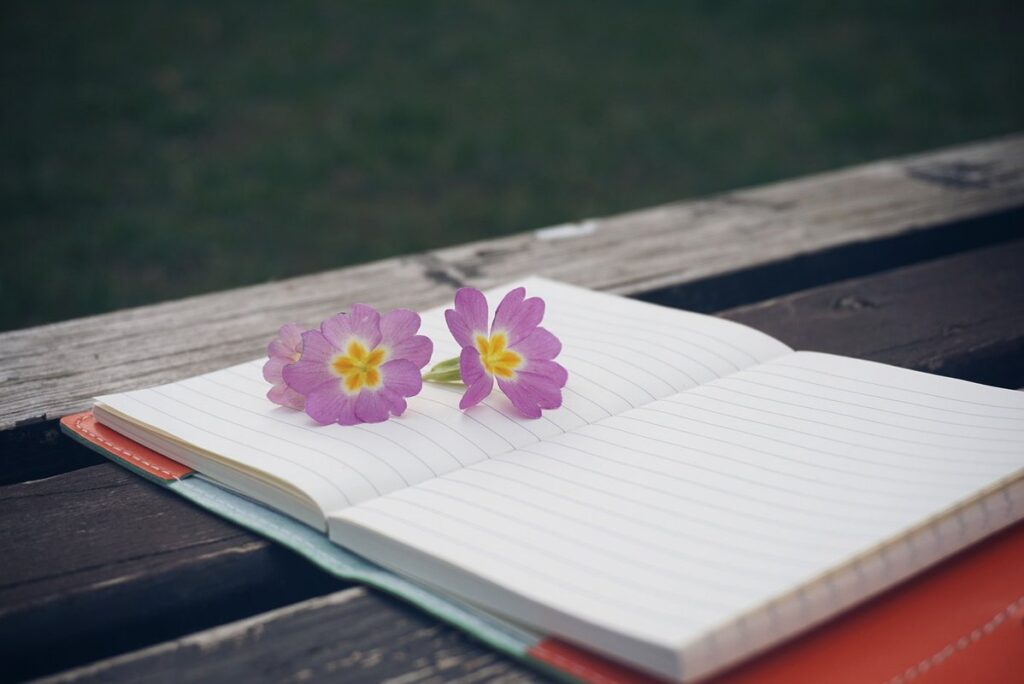
Understanding the Basics of Nature Journaling
To get started, let’s take a closer look at the fundamental principles of nature journaling and how they relate to tracking seasonal patterns.
What is Nature Journaling?
Nature journaling is a practice that combines observation, art, and writing to record and reflect on the natural world. By dedicating time to observing and documenting seasonal changes, you can develop a deeper understanding of the interconnectedness of living things and the rhythms of nature.
This practice has several benefits, including cultivating mindfulness, encouraging curiosity, and fostering a sense of connection with the environment. Regular nature journaling also helps you develop your observation skills, which are essential for tracking seasonal patterns.
When it comes to tracking seasonal patterns in a nature journal, the focus is on recording changes that occur over time. This can include noting when plants bloom or go dormant, observing shifts in bird behavior, and documenting changes in insect populations. By maintaining a consistent record of these observations, you’ll be able to identify trends and patterns that might not be immediately apparent.
To get started with nature journaling, begin by setting aside a dedicated space for your journal and selecting a few essential tools, such as a pen, pencil, and notebook. Experiment with different techniques, like drawing, writing, or collaging, to find what works best for you.
Setting Up Your Nature Journal
When setting up your nature journal, consider the materials and formatting that will best support your tracking of seasonal patterns. A dedicated notebook with high-quality paper is essential for creating detailed observations without bleed-through or feathering. Choose a size that fits comfortably in your backpack or purse, making it easy to take with you on walks.
A consistent system for recording observations is crucial for accurately tracking seasonal changes. Develop a layout that works for you, such as dedicating specific pages to different topics like weather patterns, plant life cycles, or bird behavior. Consider creating an index or key to reference frequently observed species or events.
In addition to these basic components, consider including other features to enhance your nature journaling experience. These might include:
• A calendar or timeline for plotting observations over time
• A list of frequently observed species or plants
• A section for notes on research or additional reading related to your observations
By establishing a clear and functional system from the outset, you’ll be well-prepared to capture the intricacies of seasonal patterns in your nature journal.
Identifying Seasonal Changes in Your Environment
As you observe the world around you, pay attention to subtle changes that signal the passage of seasons – from bird migrations to shifts in plant growth.
Observing Weather Patterns
During each season, you’ll observe distinct types of weather patterns. Spring is often characterized by gentle rains and mild temperatures, while summer brings hot and dry conditions. Autumn typically experiences cooler temperatures and more frequent rain showers, whereas winter is marked by cold snaps and snowfall.
When recording these variations in your nature journal, focus on the specifics of each type of weather. For instance, note the duration and intensity of spring’s rainfall, or the exact dates when summer’s heat waves begin and end. Observe how autumn’s cooler temperatures affect the types of insects that are active during this time, or how winter’s snow cover changes the landscape.
To accurately record these patterns, include sketches or drawings of the weather events you observe. You might sketch a spring storm cloud formation, illustrate the different stages of a summer heat wave, or draw a winter snowflake pattern. Additionally, note any notable weather-related events that occur during each season, such as a rare cold snap in the midst of an otherwise warm spell.
Tracking Plant Life Cycles
As plants grow and mature, they undergo distinct changes throughout the seasons. These transformations can be broken down into three main stages: growth, decay, and dormancy. During the growing season, plants sprout new leaves, flowers bloom, and trees produce fruit. Noting these milestones in your journal helps you track the plant life cycle and anticipate future changes.
To record plant growth, draw simple diagrams or sketches of individual plants over time. Include measurements of stem length, leaf size, and other notable features. Be sure to date each entry so you can see how quickly a particular species grows.
Some plants, like deciduous trees, experience a dramatic change in the fall as leaves turn color and drop off. Note this transition by recording the exact dates when leaves began to change and when they fell. This information will help you anticipate the timing of future leaf changes.
In contrast, evergreen plants remain green year-round but may still exhibit seasonal patterns, such as producing new growth or flowering at certain times. By tracking these subtle changes, you can develop a deeper understanding of how plants adapt to their environment and respond to seasonal shifts.
Recording Bird Behavior and Migration Patterns
When observing birds, it’s fascinating to note their distinct behaviors and migratory patterns that change with each season. Keeping a record of these patterns can help you better understand their habitats and needs.
Understanding Bird Migration
Birds migrate to escape harsh weather conditions, find food, and breed. Some species travel alone, while others form large flocks. Understanding why birds migrate can help you anticipate when different species will be present in your area.
To identify migratory birds, observe their physical characteristics, such as plumage patterns, beak shape, and size. Pay attention to the time of year they arrive or depart. For example, warblers typically arrive in spring with bright yellow or orange markings, while ducks often migrate in large groups, recognizable by their distinctive quacks.
Observe bird behavior to further identify migratory species. Look for birds congregating around water sources, such as ponds or rivers, during migration periods. Note the types of insects they eat and how this changes throughout the year. For instance, hummingbirds are particularly attracted to nectar-rich flowers in spring, while orioles tend to feed on fruit in summer.
When keeping a nature journal, record specific observations about migratory birds, including their arrival dates, habitats, and behaviors. This will help you create a detailed record of seasonal patterns in your area. Consider noting any changes in bird populations over time, which can indicate broader environmental shifts.
Tracking Bird Behavior Through the Seasons
When recording bird behavior through the seasons, one key area to focus on is nesting habits. Observe how birds change their nesting locations, materials, and techniques as temperatures fluctuate. For example, some species may build new nests each season, while others reuse existing ones or adapt existing structures like tree cavities.
Note the timing of breeding seasons, when pairs form, and chicks hatch. You might also observe changes in feeding patterns, such as birds visiting feeders more frequently during harsh winters or migrating to areas with abundant food sources.
Social interactions are another crucial aspect of bird behavior that shifts with the seasons. Observe how flock sizes change, and whether certain species become more aggressive or docile at different times of year. For instance, some species may be more territorial during breeding season but less so when resources are scarce.
To track these changes effectively, consider creating a separate section in your nature journal for bird behavior observations. Record the date, time, location, and specific behaviors you witness, including any notable events or patterns. By doing so, you’ll create a valuable record of how birds adapt to seasonal changes and provide yourself with a rich resource for future reference.
Documenting Insect Life Cycles and Activity
As you observe the changing seasons, keep a close eye on the insects that are emerging, migrating, or hibernating – each stage is crucial to their life cycle. Tracking these patterns will reveal fascinating seasonal rhythms.
Understanding Insect Development
Insects undergo complex life cycles, which can be challenging to track but rewarding to observe. To understand insect development, it’s essential to know about metamorphosis and hibernation. Metamorphosis is a dramatic transformation from egg to larva to adult, often involving significant physical changes, such as the caterpillar-to-butterfly process. Some insects, like ants and beetles, undergo incomplete metamorphosis, where they look similar at all stages.
Insects that hibernate typically do so in a state of dormancy, often called diapause. This can be a brief period or last through winter, depending on the species. For example, monarch butterflies migrate to warmer climates for the winter, while some bees and wasps cluster together in protected areas to conserve energy.
To track insect development in your nature journal, observe the life stages of specific insects over time. Note the dates when you first see eggs, larvae, or adults, and record any notable behaviors or changes. For instance, you might note the emergence of adult dragonflies from ponds or the molting process of grasshoppers. By observing these patterns, you’ll gain a deeper understanding of insect life cycles and how they respond to seasonal changes in your environment.
Tracking Insect Activity Through the Seasons
Insects play a vital role in ecosystems, serving as pollinators and food sources for other animals. To track insect activity through the seasons, observe changes in their behavior, diversity, and abundance. During spring, many insects emerge from hibernation or dormancy, seeking mates and starting new life cycles. Bees, butterflies, and moths are particularly active during this time, as they pollinate plants and lay eggs.
Summer is often peak insect season, with warm weather and abundant food sources supporting a wide range of species. However, some insects, like certain butterfly species, may begin to decline in numbers as the summer wears on. In contrast, autumn can see an influx of migratory insects, such as monarch butterflies, which travel from Canada and the US to Mexico.
In winter, many insect populations go dormant or migrate to warmer areas, but some species remain active, such as certain bees and wasps that cluster together for warmth. Observe these changes in your nature journal by recording dates, times, and details of insect sightings, noting any patterns or correlations between seasons and insect activity.
Analyzing Data and Identifying Trends
Now that you’ve been tracking your observations, it’s time to take a closer look at the data you’ve collected and see if any patterns or trends emerge. Let’s start by analyzing your notes for seasonal changes in plant life.
Interpreting Your Nature Journal Entries
When reviewing your nature journal entries, look for recurring patterns and trends across seasons. Start by identifying specific observations you’ve made each month or season, such as notable weather events, plant growth stages, or bird behavior changes. Use a calendar or spreadsheet to track these observations over time.
As you compare your entries, pay attention to correlations between environmental conditions and the life cycles of plants, animals, or insects you’re tracking. For example, if you’ve consistently observed that certain bird species arrive in late spring when specific plant species are blooming, this could indicate a causal relationship. Note any patterns where changes in one factor seem to trigger responses in another.
Use these insights to inform personal decisions, such as planning garden maintenance or outdoor activities around seasonal cycles. You can also apply your findings to conservation efforts by sharing data with local organizations or using it to advocate for environmental policies that support biodiversity and ecosystem health. For instance, you might use observations of pollinator activity to suggest areas where habitat restoration is needed.
Using Technology to Enhance Your Nature Journaling Experience
Digital tools can be integrated into traditional nature journaling to streamline data collection and analysis. Apps like iNaturalist and PlantSnap allow you to identify plants using photographs, while apps like Merlin Bird ID or Sibley Birds help with bird identification.
Some apps also enable the tracking of seasonal patterns over time. For example, the Nature Journal app allows users to record observations, track changes in the environment, and generate charts and graphs illustrating trends. The Leafsnap app, a collaboration between Columbia University, University of Maryland, and Smithsonian Institution, can be used to identify trees using photographs.
Digital tools can also enhance the journaling process by providing access to information on specific species or ecosystems. For instance, the iBird Pro app offers detailed information on bird behavior, habitat, and migration patterns. You can use this knowledge to inform your observations and create more accurate records of seasonal changes in your environment.
When selecting a digital tool, consider its compatibility with your nature journaling goals and level of expertise. Experiment with different apps to find the ones that best suit your needs.
Tips for Long-Term Commitment and Maintenance
To make tracking seasonal patterns a sustainable habit, you’ll want to develop strategies for maintaining your nature journal over time. This involves setting realistic goals and creating systems that support long-term commitment.
Overcoming Challenges and Staying Motivated
When tracking seasonal patterns in a nature journal over an extended period, you’ll inevitably encounter challenges and moments of discouragement. This is normal, especially when winter’s chill sets in or summer’s heat becomes overwhelming. To stay motivated, break down your nature journaling practice into smaller, manageable tasks. For instance, commit to recording observations for 10-15 minutes each day, rain or shine.
To overcome specific obstacles, identify the source of your frustration. Is it lack of time, difficulty observing certain species, or feeling uninspired by the current season’s patterns? Once you pinpoint the issue, brainstorm solutions tailored to your nature journaling goals and lifestyle. Perhaps you need to adjust your schedule, research additional resources for spotting a particular bird species, or experiment with new drawing techniques to capture seasonal changes.
Another strategy is to find accountability and camaraderie through online nature journaling communities or local groups. Sharing experiences and tips with like-minded individuals can reignite enthusiasm and provide valuable insights into different approaches to tracking seasonal patterns. Regularly reviewing your progress and reflecting on the benefits of this practice – such as increased awareness of natural cycles and improved observation skills – will also help maintain motivation over time.
Expanding Your Nature Journaling Practice
As you continue to develop your nature journaling practice, consider expanding into other areas of study. This can enrich your observations and insights, allowing you to appreciate seasonal patterns from multiple perspectives. For instance, you might begin documenting astronomical events, such as moon phases, planetary alignments, or meteor showers.
Alternatively, explore geology by tracking changes in soil, rock formations, or water bodies throughout the seasons. You could also incorporate botany by studying the characteristics of different plant species and how they adapt to seasonal shifts.
To integrate these new areas into your nature journaling practice, start by setting aside a specific section for each new area of study. This will help you keep your observations organized and make it easier to review patterns over time. Consider using colored pencils or markers to differentiate between types of entries, such as astronomical events in one color and botanical observations in another.
Some potential topics to explore include: the way moon phases affect plant growth, changes in local rock formations due to weathering, or the migratory patterns of birds in relation to celestial events. By incorporating these additional areas of study, you’ll gain a more nuanced understanding of seasonal patterns and develop a deeper appreciation for the interconnectedness of our natural world.
Frequently Asked Questions
How Long Should I Keep Tracking Seasonal Patterns in My Nature Journal?
Yes, it’s recommended to continue tracking seasonal patterns for as long as you can, ideally for multiple years. This allows you to establish a long-term dataset that can reveal subtle changes and trends over time.
Can I Use Digital Tools Alone Without Keeping a Physical Nature Journal?
While digital tools can be incredibly useful in enhancing your nature journaling experience, it’s still beneficial to maintain a physical journal as well. Writing down observations by hand helps with retention and allows for more nuanced recording of data.
What If I Miss Observations Due to Inclement Weather or Personal Circumstances?
Don’t worry if you miss some observations – it’s all part of the nature journaling process. When possible, try to make up for lost time by doing extra entries in a shorter span or focusing on specific areas that you might have overlooked.
How Do I Differentiate Between Similar Plant Species That Are in Bloom at the Same Time?
Pay close attention to subtle details like leaf shape, flower color, and growth habits. You can also consult with local experts, such as park rangers or gardening clubs, for guidance on identifying specific plant species.
Can I Focus Primarily on One Aspect of Nature, Like Bird Behavior or Plant Life Cycles?
Yes, it’s perfectly fine to focus on one aspect that interests you the most – just be sure to record observations and data in a way that allows you to draw connections between different areas of study.