
Planning a treasure hunt can be a daunting task, but with the right approach, you’ll create an event that leaves your audience thrilled and eager for more. While some might think planning a successful treasure hunt is all about luck, it’s actually a carefully crafted mix of strategy, creativity, and logistics. From outdoor adventures to indoor puzzles, the possibilities are endless when it comes to designing engaging experiences that boost participation and fun.
The key to pulling off an unforgettable event lies in choosing the right type and theme for your audience, considering factors like age range and preferences. You’ll also need to think about the overall logistics, including set-up time, execution, and budget. This guide will walk you through expert tips on planning a treasure hunt that exceeds expectations, covering everything from initial concept to final execution, so by the end of it, you’ll be able to design and deliver a successful event that leaves your audience eager for more.
Basic Concepts and Types of Treasure Hunts
To create a treasure hunt game that’s engaging and fun, it helps to understand the basic concepts and types of hunts, including linear and non-linear formats. Let’s break down these fundamental elements.
Defining a Treasure Hunt
A treasure hunt is a purposeful search for hidden items or clues, often with a specific goal or reward in mind. At its core, a treasure hunt is an interactive and engaging activity designed to challenge participants and encourage teamwork, problem-solving, and creativity. Treasure hunts can be applied in various contexts, including entertainment, education, and marketing.
In the entertainment industry, treasure hunts are often used as a form of escape room or immersive game. They can also be incorporated into movies, books, and video games to add an extra layer of engagement. In educational settings, treasure hunts can be designed to promote critical thinking, teamwork, and exploration. For instance, a history museum might create a treasure hunt that guides visitors through exhibits and encourages them to analyze artifacts.
In marketing, treasure hunts are used as promotional tools to drive customer engagement and loyalty. Companies can hide clues or rewards within their products, websites, or social media channels to encourage customers to participate in the hunt. By doing so, businesses can build brand awareness, collect customer data, and foster a sense of community among their audience.
Types of Treasure Hunts: Physical and Virtual
Physical treasure hunts take place in real-world locations and require participants to navigate through physical spaces to find clues and solve challenges. This type of hunt can be more immersive and engaging for players, as they interact with their surroundings and other people. However, it also presents logistical challenges, such as ensuring the safety of participants and managing crowds.
Virtual treasure hunts, on the other hand, exist solely in a digital environment. They can be hosted online or through mobile apps, allowing participants to complete challenges from anywhere with an internet connection. This type of hunt is often more accessible and convenient for players who may have mobility issues or limited time.
A good example of a physical treasure hunt is a scavenger hunt at a museum, where teams must find specific artifacts or exhibits within a set time limit. In contrast, a virtual treasure hunt might involve solving puzzles to unlock digital treasures, with clues presented through email or social media channels.
Planning and Designing Your Treasure Hunt Game
To create a memorable treasure hunt experience, you’ll need to plan every detail carefully, from clues to obstacles and challenges that will keep your participants engaged. Let’s start with designing an engaging game structure.
Setting Clear Objectives and Rules
Setting clear objectives and rules is crucial for a successful treasure hunt game. Without them, participants may become confused or frustrated, which can negatively impact their engagement and enjoyment of the event. To avoid this, decide on a theme that aligns with your goals and audience preferences.
Consider what you want to achieve through your treasure hunt: is it to promote team-building, encourage exploration, or simply provide entertainment? This will help you determine the scope and duration of the event. For instance, if your goal is to foster teamwork, you may design a multi-stage challenge that requires collaboration between participants.
Define the rules clearly, including any specific guidelines or restrictions. Communicate these to participants in advance through briefings, instructions, or even online tutorials. This will help them understand what’s expected of them and allow them to plan accordingly.
It’s also essential to establish a clear timeline for the event, including start and end times, as well as any deadlines for completing challenges or submitting clues. By setting clear objectives and rules, you can create an enjoyable and engaging experience for your participants.
Creating Engaging Challenges and Clues
Designing engaging challenges and clues is crucial to keeping participants invested in your treasure hunt game. You want to create a sense of progression, where each challenge or clue serves as a stepping stone to the next, culminating in the final treasure or prize.
Start by varying the difficulty level of your challenges. Include some easy ones to get participants off to a quick start and build momentum, while also including more complex puzzles that require critical thinking and teamwork. This will cater to different skill levels and keep everyone engaged.
Use multi-layered clues that require participants to think creatively. For example, include an image or object with hidden messages or symbols that need to be decoded. Alternatively, create a cryptic poem or riddle that requires participants to use outside knowledge or resources.
Consider incorporating physical challenges that test participants’ problem-solving skills in real-world contexts. This could involve solving a mechanical puzzle, decoding a message using a specific tool, or even completing an obstacle course.
Some other best practices for crafting engaging clues include:
- Making them relevant to the game’s theme and setting
- Providing clear instructions and hints when needed, but not too much
- Incorporating red herrings or misdirection to keep participants on their toes
- Using a mix of visual, auditory, and text-based clues to cater to different learning styles
Treasure Hunt Themes and Ideas
Get ready to spark creativity with our top treasure hunt theme ideas, from pirate adventures to futuristic quests, designed to captivate your audience. We’ll share some of the most exciting concepts to inspire you.
Themed Treasure Hunts: Examples and Ideas
Themed treasure hunts can transport participants to different eras and worlds, making the experience more immersive and engaging. A pirate-themed hunt, for instance, could involve solving cryptic messages from a “treasure map” or cracking codes using a cipher wheel. Historical themes might focus on specific events or figures, such as the Wild West or ancient civilizations like Egypt.
Fantasy-based hunts can take participants into the realm of mythology and folklore, where they must navigate magical realms and encounter mythical creatures. To adapt these themes to different settings, consider the audience’s interests and preferences. For a corporate event, a treasure hunt focused on company history or values could be more effective than a generic pirate theme.
In terms of ideas for adapting themed treasure hunts, consider incorporating costumes, props, or set dressing to create an immersive environment. Another option is to tailor the challenges and clues to fit the specific theme, using language and imagery that resonates with the participants. For example, a fantasy-themed hunt might involve solving riddles written in a fictional language or identifying magical artifacts hidden around the course.
Seasonal and Holiday-Themed Treasure Hunts
Seasonal and holiday-themed treasure hunts are a great way to add an extra layer of excitement to your event. You can create a winter wonderland hunt for Christmas or a spooky theme for Halloween. For summer, consider a beach-themed scavenger hunt or a patriotic Fourth of July treasure hunt.
To get started, choose a specific holiday or season and brainstorm ideas that fit the theme. You might include clues related to seasonal foods, decorations, or activities. For example, in a winter-themed hunt, participants could find a clue hidden inside a snowman made out of paper or complete a challenge related to building an igloo.
Some popular seasonal themes include:
- A St. Patrick’s Day treasure hunt with Irish-themed challenges and clues
- A Valentine’s Day hunt with heart-shaped puzzles and romantic clues
- A summer solstice scavenger hunt with outdoor activities and nature-inspired challenges
Remember to tailor your hunt to the age group and skill level of your participants. For younger kids, consider using simpler clues and more straightforward challenges. For older groups, you can make it more complex and challenging.
When creating a seasonal or holiday-themed treasure hunt, don’t be afraid to get creative and have fun with it!
Activities and Challenges Within Your Treasure Hunt Game
To add variety to your treasure hunt game, consider incorporating a range of activities that challenge participants physically and mentally. This could include cryptic clues, scavenger hunts, and puzzle-solving challenges.
Outdoor and Indoor Activities
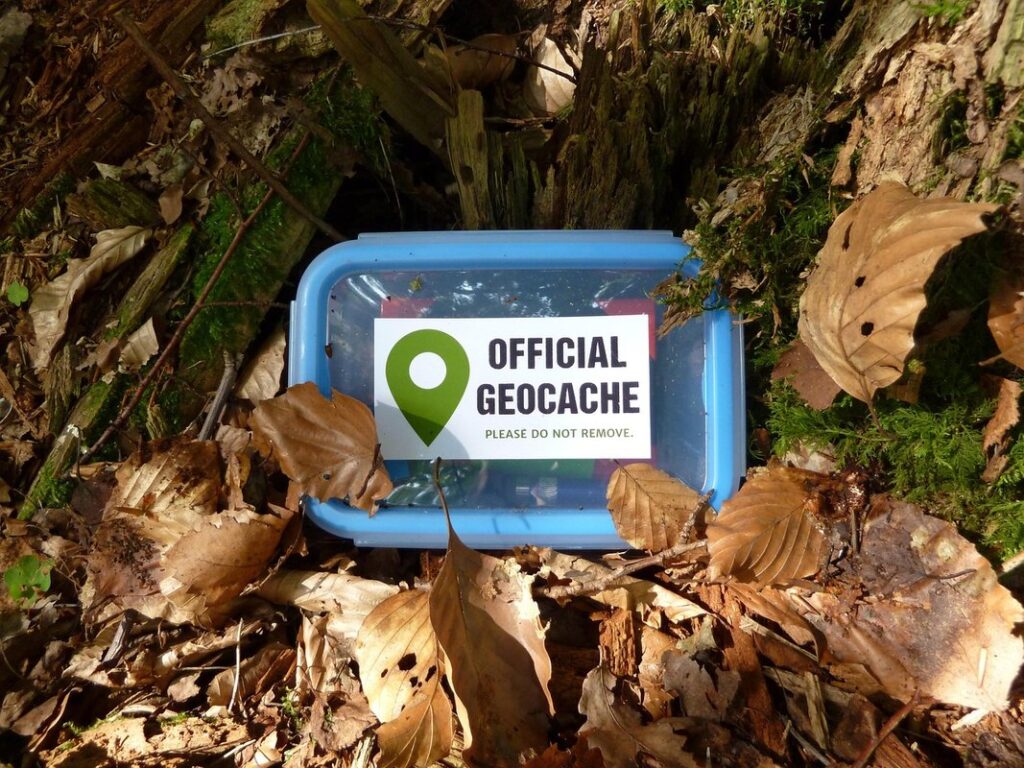
Outdoor activities offer a refreshing change of pace from traditional indoor challenges. Scavenger hunts, for example, can be designed to encourage participants to explore local parks, gardens, or nature reserves, fostering a connection with the natural environment. Geocaching, a modern twist on traditional treasure hunting, involves using GPS coordinates to locate hidden containers. This activity promotes problem-solving and teamwork while allowing participants to engage with the outdoors.
In contrast, indoor activities like escape rooms or puzzle-solving competitions can be just as engaging. Escape rooms, in particular, require teams to work together to solve puzzles and challenges within a set time limit, promoting communication and collaboration. To create a similar atmosphere for your treasure hunt game, consider incorporating puzzles that must be solved on-site or clues that can only be deciphered with the aid of specific tools.
When deciding between outdoor and indoor activities, consider the age range and abilities of your participants. For younger children, outdoor activities like nature-based challenges might be more suitable, while older adults may prefer the structure and comfort of an escape room-style challenge.
Team-Building Exercises and Social Interactions
Incorporating team-building exercises and social interactions into your treasure hunt game can have a profound impact on participants’ experiences. These elements encourage collaboration, trust-building, and communication among teammates. One effective approach is to design challenges that require multiple players to work together to solve a puzzle or unlock a clue. For example, you could create a physical challenge where teams must use their collective strength to move a heavy object or navigate an obstacle course.
Another idea is to incorporate role-playing exercises into your game. This can be achieved by creating scenarios where teams must interact with each other and with non-player characters (NPCs) in the game environment. For instance, you could set up a mock “bank” scenario where teams must work together to negotiate with an NPC bank manager to access a hidden clue.
To foster social interactions among participants, consider incorporating activities that promote friendly competition or mutual support. This can include challenges that require teams to complete tasks while also helping other teams in need or sharing resources. You could also design games that reward teamwork and cooperation over individual accomplishments.
Tips for Executing Your Treasure Hunt Game Successfully
Now that you have a treasure hunt game idea, let’s focus on executing it flawlessly to keep your audience engaged and entertained throughout. Effective execution requires careful planning and attention to detail.
Preparing Participants with Briefings and Instructions
Clear briefings and instructions are essential for ensuring participants have a smooth experience during your treasure hunt game. Before the event begins, schedule a briefing to cover key details such as the rules, objectives, and expected duration. Provide a comprehensive overview of the challenges and clues they’ll encounter, along with any specific equipment or materials required.
Be sure to clarify what constitutes cheating and establish clear consequences for misbehavior. This is particularly crucial if you’re hosting a competitive event where teams may be inclined to bend the rules. Make it known that your staff will be on hand to answer questions and provide assistance throughout the game.
It’s also essential to distribute participant instructions in advance, either digitally or in print, depending on your preference. Include any necessary details such as meeting times, locations, and contact information for staff members. Ensure participants understand what’s expected of them and that they have a clear understanding of the event format before it begins.
Managing Logistics: Equipment, Staffing, and Budget
When executing a treasure hunt game, managing logistics is crucial for ensuring a seamless and enjoyable experience for participants. This encompasses three key areas: equipment, staffing, and budget.
Equipment-wise, you’ll need to consider the types of challenges and obstacles you’ve designed into your game. For instance, if you’re incorporating outdoor activities like scavenger hunts or geocaching, you’ll need sturdy GPS devices, durable clipboards, and waterproof containers to store clues. Indoor games might require interactive displays, digital screens, or specialized software for puzzle-solving.
Staffing is another vital aspect of logistics. Depending on the scope of your game, you may need a team of volunteers or hired professionals to oversee the event, provide technical support, and assist with any issues that arise. Ensure they’re well-informed about the game design, rules, and objectives to effectively manage the experience.
Budget considerations are also essential for a successful treasure hunt game. Allocate funds for equipment rental, staffing costs, venue fees (if applicable), and any contingencies that might arise during the event. A rough estimate of 10-20% above your initial budget can help cover unexpected expenses.
Evaluating the Success of Your Treasure Hunt Game
Now that you’ve created a thrilling treasure hunt game, let’s examine what makes it truly successful and how to refine your design for optimal engagement. Effective evaluation is crucial to its long-term impact.
Measuring Engagement and Participation
When evaluating the success of your treasure hunt game, measuring participant engagement and satisfaction is crucial. To gauge these aspects, consider using a combination of direct feedback methods and observational analysis.
One effective way to capture immediate reactions is through exit surveys or post-event questionnaires. These can be distributed digitally or in-person, allowing participants to share their thoughts on the experience’s enjoyment level, difficulty balance, and overall satisfaction. You might also ask for suggestions on how the game could be improved.
Another approach involves observing participant behavior throughout the event. Pay attention to factors like team dynamics, communication among players, and the amount of time spent engaging with challenges or exploring the environment. Online treasure hunts can use metrics such as completion rates, average solve times, and user engagement tracking tools to monitor participation.
To incorporate more specific feedback, consider implementing a system for participants to rate individual challenges or clues. This will help you identify which elements were most enjoyable and where adjustments are needed. By collecting this data, you’ll gain valuable insights into what works and what doesn’t in your game design, enabling improvements for future events.
Adapting and Improving Your Game Design
To adapt and improve your game design based on participant feedback is crucial for a successful treasure hunt. Start by soliciting constructive criticism from participants after the event. Ask open-ended questions like “What did you enjoy most about the game?” or “Were there any challenges that were too difficult or too easy?” to gather specific insights.
Analyze the feedback and identify common themes, such as difficulties with navigation or a lack of clarity in instructions. Use this information to pinpoint areas for improvement in your game design. For example, if participants struggled with navigation, consider adding more signage or providing GPS coordinates for key locations.
Another approach is to brainstorm new ideas based on participant suggestions. Encourage participants to share their ideas for future games or improvements. This can be done through surveys, online forums, or even in-person feedback sessions. Consider implementing a “suggestion box” where participants can anonymously submit ideas and suggestions. By incorporating this feedback into your game design, you can create a more engaging and enjoyable experience for your audience in the next iteration of your treasure hunt game.
Frequently Asked Questions
What if I have a large outdoor area to set up a treasure hunt game, but the terrain is uneven or includes obstacles? How can I ensure participants’ safety?
Yes. To mitigate risks and ensure participant safety, consider consulting with local experts on accessibility and navigation within your chosen terrain. You may also need to adjust your clues and challenges to accommodate potential obstacles. This could involve creating designated pathways or providing alternative routes for participants who require assistance.
Can I combine elements from different types of treasure hunts, such as physical and virtual components, to create a hybrid game?
Yes. Combining elements can lead to a more engaging experience for participants. However, be sure to clearly communicate the hybrid nature of your game to participants beforehand, ensuring they understand what to expect and how to interact with both physical and digital components.
How do I measure the success of my treasure hunt game beyond participant engagement and satisfaction? Are there any metrics or benchmarks that can help evaluate its effectiveness?
Measuring the success of a treasure hunt game extends beyond immediate feedback. Consider tracking metrics such as participation rates, completion times, and the percentage of participants who solve challenges successfully. You can also survey participants to understand their perceptions of the game’s value and entertainment level.
What if I want to incorporate technology into my treasure hunt game but have limited budget for equipment? Are there any cost-effective solutions or alternatives?
Yes. For a more affordable approach, consider using smartphones as part of your treasure hunt game. This can be achieved through QR code-based challenges, puzzles that require scanning images, or even geocaching with mobile devices. Such approaches do not necessarily require expensive hardware.
Can I adapt my treasure hunt game for participants with disabilities? If so, what are some strategies to make the game more inclusive and accessible?
Yes. Inclusivity is a key aspect of designing engaging experiences. To adapt your treasure hunt game for participants with disabilities, consider offering audio descriptions for visually impaired participants or providing wheelchair-accessible routes through the terrain. You can also provide assistive technology like text-to-speech software to help those with reading challenges.