
Are you an antique jewelry enthusiast or simply looking to add some unique flair to your wardrobe? Identifying whether earrings are truly vintage can be a daunting task, but with the right guidance, you’ll be able to spot authentic antique pieces in no time. Vintage earrings are not just beautiful conversation starters; they also hold historical significance and value. To help you separate the real deal from reproductions, we’ve put together this comprehensive guide on how to tell if earrings are vintage.
In this article, we’ll delve into the key characteristics of vintage earrings, including metal composition, patina development, and designer signatures. You’ll learn how to inspect your jewelry for signs of aging, authenticity, and craftsmanship. By the end of this guide, you’ll be equipped with the knowledge to authenticate your antique earrings and even determine their value. Whether you’re a seasoned collector or just starting out, get ready to elevate your understanding of vintage jewelry with our expert advice.
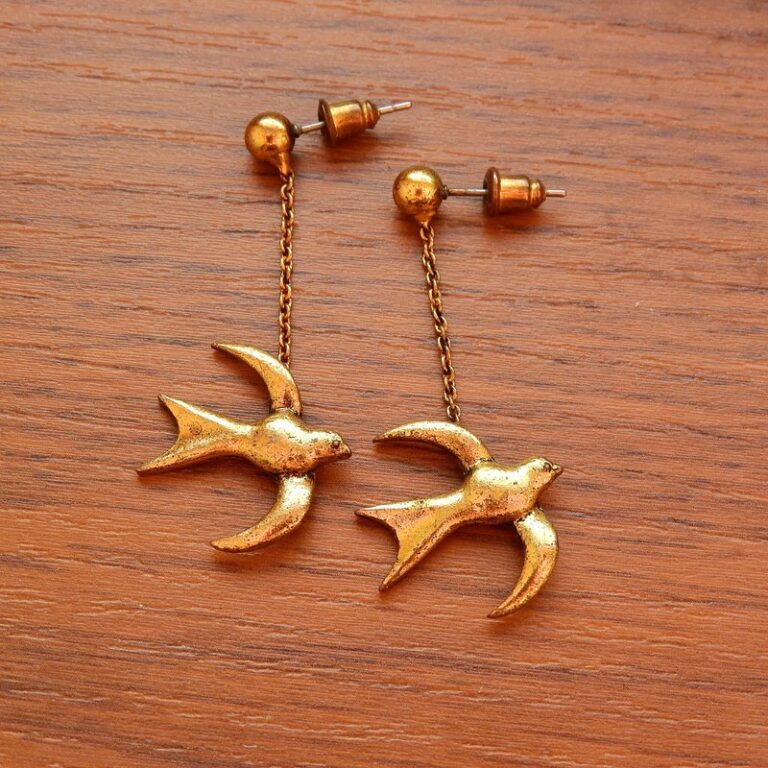
Understanding the Basics of Vintage Jewelry
To get started, let’s break down the essential elements that make a piece of jewelry truly vintage, and how to recognize them at first glance.
Defining Vintage and Antique Jewelry
When it comes to vintage jewelry, it’s essential to understand the difference between vintage and antique pieces. The terms are often used interchangeably, but they have distinct meanings based on age and historical significance.
Vintage jewelry typically refers to pieces created within the past 100 years or so, from the early 20th century up until the present day. This period encompasses various design movements and styles, including Art Deco, Mid Century Modern, and Bohemian chic. Think of iconic fashionistas like Audrey Hepburn and Jacqueline Kennedy Onassis – their jewelry collections are quintessential examples of vintage style.
On the other hand, antique jewelry is much older, typically dating back to before the 20th century. This category includes pieces from the Victorian era (1837-1901), Edwardian period (1901-1910), and even earlier historical periods. Antique jewelry often features intricate craftsmanship, ornate details, and symbolic motifs that reflect the social and cultural context of their time.
Understanding these distinctions will help you accurately identify vintage earrings and appreciate their unique charm and character.
Common Characteristics of Vintage Jewelry
When it comes to vintage jewelry, there are several common characteristics that set it apart from modern pieces. One of the most distinctive features is intricate designs and ornate details. Vintage earrings often feature delicate engravings, filigree work, or other labor-intensive techniques that require a great deal of skill and craftsmanship.
Another characteristic of vintage jewelry is the use of specific materials, such as sterling silver or gold. These precious metals were highly valued in the past and are often used in combination with other materials to create unique and beautiful designs. For example, you might see sterling silver earrings adorned with intricate engravings or gold details.
In particular, look for pieces that feature hallmarks or stamps indicating the metal type and purity. This can be a dead giveaway for vintage jewelry. Additionally, pay attention to the weight and feel of the earring. Vintage pieces often have a more substantial presence due to the use of heavier metals and intricate designs.
Inspecting the Earrings for Age
When examining vintage earrings, one crucial step is inspecting them closely for signs of age, such as patina or worn details. This can reveal a wealth of information about their origins and authenticity.
Examining the Metal Composition
To determine the authenticity of vintage earrings, it’s essential to examine their metal composition. This can be done using various methods that provide clues about the material and manufacturing era.
One common method is acid testing. Apply a drop of nitric acid or aqua regia onto the earring, and observe the reaction. Different metals will react in distinct ways: copper will turn green, gold will dissolve, while silver may darken or change color. However, be cautious when using these acids, as they can damage certain materials.
Another approach is to perform scratching tests. Observe how easily the metal scratches or wears down. Some metals, like silver and gold, tend to wear more evenly than others, such as brass or copper. You can also use a magnet to check for ferromagnetic properties. If the earring is attracted to the magnet, it likely contains iron or another ferromagnetic material.
When interpreting these results, consider the presence of additional markers like hallmark stamps, patina formation, or the overall construction style. By combining these clues, you can gain a more accurate understanding of the earrings’ metal composition and potentially uncover their age and authenticity.
Checking for Patina and Oxidation
Patina is a natural aging process that develops on vintage earrings over time. It’s a telltale sign of an earring’s age and authenticity. When patina forms naturally, it’s a gradual process that occurs due to exposure to air, light, and humidity. However, some unscrupulous sellers may artificially age or “patinate” their earrings using chemicals.
To identify natural patina from artificial patination, look for the following signs:
* Natural patina tends to be uneven and patchy, while artificial patination is often uniform and even.
* Check if the color is deep and rich, or if it’s a shallow, uniform dye job. Genuine patina develops gradually, so it will have layers of different colors.
* Inspect the texture – natural patina has a rough, velvety finish, whereas artificial patination may feel smooth to the touch.
When examining vintage earrings for patina, pay attention to areas that would naturally be protected from exposure, such as the back or underside. If these areas show signs of aging too, it may indicate artificial patination. Remember, the presence of patina doesn’t necessarily mean an earring is authentic, but it can be a valuable clue in determining its age and history.
Researching the Designer or Brand
When researching the designer or brand behind your vintage earrings, pay attention to the maker’s marks, signatures, and stamps that can reveal valuable information about their origin and authenticity. This knowledge will help you make informed purchasing decisions.
Identifying Signature Styles and Hallmarks
When researching the designer or brand behind vintage earrings, one of the most crucial steps is to identify distinctive signatures, hallmarks, and logos that can indicate the earring’s age and authenticity. These unique identifiers can be a major giveaway about the earring’s era and origin.
Start by examining the back of the earring for any metal stamps or markings. Look for letters, numbers, or symbols that might correspond to specific designers or brands. For instance, “750” is a hallmark indicating 75% silver content, while “925” denotes sterling silver. Some iconic brands, like Cartier and Tiffany & Co., often have distinct logos or monograms on their pieces.
Study the earring’s design and construction for any peculiar features that might be characteristic of its era. For example, Art Deco earrings typically feature geometric shapes, symmetrical patterns, and bold ornamentation. Compare your findings with online resources, books, and museum collections to confirm whether you’ve identified a signature style or hallmark.
Remember, these distinctive signatures can greatly increase the earring’s value and authenticity, so take your time to research thoroughly.
Verifying Vintage and Antique Marks
When examining vintage earrings for authenticity and history, one of the most important steps is verifying the marks and labels present on them. These markings can provide valuable clues about the earring’s origin, materials, and age.
Hallmarks are a common marking found on vintage jewelry, particularly those made in Europe. They typically appear on the back or clasp of the earring and indicate the metal content, such as “750” for 75% silver or “585” for 58.5% gold. Familiarize yourself with these markings to understand their significance.
Other stamps and labels can also provide insight into an earring’s history. Look for marks indicating the country of origin, such as “Made in France” or “Sterling Silver USA.” Some earrings may have proprietary marks, like ” Tiffany & Co.” or “Cartier,” which indicate the designer or brand.
When examining these markings, consider the overall style and era of the earring. For instance, Art Deco pieces from the 1920s might feature geometric patterns and bold typography, while a 1950s cocktail ring could have a more elegant, understated design. By combining your knowledge of hallmarks with an understanding of jewelry styles across different eras, you’ll be better equipped to verify the authenticity and value of vintage earrings.
Authenticating Vintage Earrings
When you suspect that a pair of earrings might be vintage, authenticity is crucial. In this next step, we’ll explore how to authenticate vintage earrings with confidence and accuracy.
Evaluating Provenance and Documentation
Provenance and documentation are crucial elements in verifying an earring’s age and authenticity. A certificate of authenticity is a document issued by the artist, manufacturer, or retailer that confirms the earring’s origin and history. Look for certificates from reputable companies like Tiffany & Co. or Cartier, as they often include detailed information about the earring’s materials, craftsmanship, and provenance.
Appraisals from licensed gemologists or jewelry experts can also provide valuable insights into an earring’s authenticity. These appraisals typically involve a thorough examination of the earring’s condition, quality, and features, as well as research into its historical context and market value.
Historical records, such as advertisements, catalogs, and newspaper clippings from the time period, can also be used to verify an earring’s age. For example, if you suspect your earrings are vintage Chanel, look for advertisements or fashion spreads featuring similar designs from the 1920s to 1950s.
When evaluating provenance and documentation, consider the following:
* Is the certificate issued by a reputable company?
* Does the appraisal provide detailed information about the earring’s materials and craftsmanship?
* Are there any historical records that match the earring’s features or design?
Considering the Condition and Rarity
When evaluating the condition and rarity of a vintage earring, it’s essential to consider several factors that can significantly impact its authenticity and value. Start by examining the original packaging, if available. Vintage earrings often came with boxes, tags, or certificates of authenticity, which can provide valuable documentation.
Next, assess the accessories included with the earring, such as a necklace or brooch featuring similar design elements. These connections can strengthen the case for its vintage status. Be cautious of modern reproductions attempting to mimic these details.
Rarity is another critical consideration. Research the specific style and designer to determine if it’s scarce or highly sought after. Consult price guides, online marketplaces, and collector forums to gauge demand and value. For example, a 1920s Art Deco earring with an intact original packaging may be more valuable than a rare 1950s example without documentation.
By carefully evaluating the condition and rarity of a vintage earring, you can make a more informed decision about its authenticity and potential worth.
Pricing and Valuing Vintage Earrings
When it comes to vintage earrings, pricing can be a minefield – so how do you know if your treasured finds are worth their weight in gold? We’ll break down what factors affect their value.
Understanding Market Trends and Values
To accurately price and value vintage earrings, it’s essential to understand current market trends and values. Research auction houses like Christie’s and Sotheby’s to see what similar pieces are selling for. For instance, a pair of 1920s Art Deco chandelier earrings recently sold at an auction house for $12,000.
Online marketplaces like eBay and Etsy also provide valuable insights into current prices. Browse completed listings for vintage earrings with similar characteristics, such as era, designer, or material. Keep in mind that prices can vary depending on factors like the seller’s reputation, listing quality, and demand.
Antique shops and consignment stores can also offer a glimpse into local market values. Visit these establishments to see what they’re offering and at what price points. Take note of the condition, rarity, and provenance (ownership history) of each piece, as these factors significantly impact value. By analyzing prices from various sources, you’ll gain a more informed understanding of vintage earrings’ current market trends and values.
Factors Affecting Value: Condition, Rarity, and Provenance
When it comes to determining the value of vintage earrings, several key factors come into play. One crucial aspect is an earring’s condition. A pair with minimal wear and tear, such as a small chip on the stone or minor tarnish, will generally be more valuable than one that’s heavily worn. Consider a pair of 1920s Art Deco earrings with original patina, which can command a higher price due to its unique character.
Another factor is an earring’s rarity. A limited production run or a specific style that’s no longer in demand can drive up the value. For example, vintage earrings from renowned designers like Tiffany & Co. or Cartier are highly sought after by collectors and connoisseurs. Even if you’re not familiar with the designer, knowing the era and style of the earring can help gauge its rarity.
Provenance also plays a significant role in determining an earring’s value. If the earrings have a documented history, such as being owned by a celebrity or being part of a notable collection, their value increases exponentially.
Frequently Asked Questions
Can I still identify vintage earrings if they’ve been restored or refinished?
Yes, with practice and experience, it’s possible to recognize restored or refinished vintage earrings. Look for inconsistencies in the patina, uneven oxidation, or noticeable repairs. Research the original designer and period to determine what restoration methods were used historically.
How do I handle a situation where multiple people claim ownership of a vintage earring?
Verify provenance through documentation, such as receipts, certificates of authenticity, or historical records. Consider consulting with experts in appraising antique jewelry or consulting reputable auction houses for guidance on resolving disputes over ownership.
What’s the difference between patina and oxidation when it comes to vintage earrings?
Patina is the natural aging process that occurs on metal surfaces, resulting from exposure to air, moisture, or chemicals. Oxidation, while sometimes referred to as patina, specifically refers to the formation of rust or corrosion on metals like silver or copper.
Should I consider getting my vintage earrings appraised by a professional before selling?
Absolutely! A professional appraisal can provide an objective assessment of your earrings’ authenticity, value, and market worth. This is especially crucial if you’re new to collecting or unsure about the provenance of your pieces.
Can I still buy authentic vintage earrings online or through second-hand shops?
While it’s possible to find genuine antique pieces in these venues, be cautious of reproductions or mislabeled items. Research reputable sellers, verify signatures and hallmarks, and inspect the jewelry carefully for signs of aging and authenticity before making a purchase.