
Are you a collector or enthusiast looking to add some elegance to your space? Then, you’re in luck! Vintage jewelry boxes are not only stunning decorative pieces but also hold significant historical and monetary value. For those new to collecting vintage items, identifying authentic pieces can be a daunting task. However, with the right guidance, you’ll be able to spot genuine antique jewels in no time.
In this comprehensive guide, we’ll take you on a journey through the world of vintage jewelry boxes. From understanding their historical significance and design evolution to styling them in modern spaces, we’ve got you covered. Our expert advice will walk you through how to identify authentic pieces, and what makes certain designs truly valuable. Whether you’re looking to start or add to your collection, this guide is perfect for anyone interested in the world of vintage jewelry boxes.
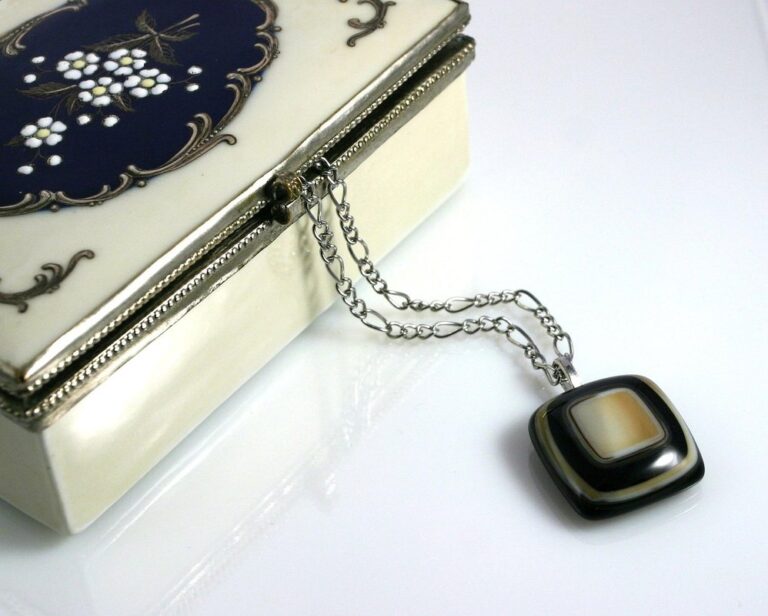
History and Evolution of Vintage Jewelry Boxes
Let’s take a journey through time as we explore how vintage jewelry boxes have evolved over the centuries, from ornate Victorian designs to art deco masterpieces.
Early Beginnings: Antique Jewelry Boxes from the Victorian Era
The Victorian era, spanning from 1837 to 1901, marked the beginning of the exquisite world of antique jewelry boxes. During this time, intricate craftsmanship and ornate designs were characteristic of these beautifully crafted containers. Craftsmen employed a range of materials, including sterling silver, gold, and ivory, to create stunning pieces that showcased their skill.
One key feature of Victorian-era jewelry boxes was the use of decorative filigree, which added an extra layer of beauty to these already ornate designs. Filigree, made from thin threads of metal or wire, was often used to create intricate patterns and details, such as flowers, leaves, or other natural motifs.
Sterling silver was a popular choice for jewelry boxes during the Victorian era due to its durability and versatility. Many examples feature sterling silver with decorative engravings or etchings that added an extra layer of sophistication to these already impressive pieces.
Art Deco and Art Nouveau Influences on Vintage Jewelry Box Design
Art Deco and Art Nouveau Influences on Vintage Jewelry Box Design
The early 20th century saw a significant impact of art movements on the design of vintage jewelry boxes. Two notable styles that influenced this era were Art Deco and Art Nouveau. These luxurious designs showcased opulent materials, intricate details, and bold geometric shapes.
Art Deco jewelry boxes from the 1920s to 1940s often featured metallic finishes like chrome or silver-plated surfaces adorned with inlays of mother-of-pearl, onyx, or other precious stones. A prime example is a vintage Art Deco box by Cartier that boasts an intricate geometric pattern and features a hinged lid. On the other hand, Art Nouveau jewelry boxes from the late 19th to early 20th centuries often featured flowing organic curves, sinuous lines, and floral patterns.
When collecting or purchasing vintage jewelry boxes influenced by these styles, consider the era and artist. For instance, if you’re drawn to an Art Deco design, look for pieces made between the 1920s and 1940s, characterized by metallic finishes and geometric shapes. Conversely, Art Nouveau pieces from the late 19th to early 20th centuries will feature flowing curves and floral patterns.
Keep in mind that these styles often overlap or blend together, so being familiar with their distinct characteristics can help you make informed purchasing decisions or additions to your collection.
Mid-Century Modern Jewelry Boxes: A Shift towards Minimalism
As we delve into the mid-century modern era, we see a significant shift towards minimalism in vintage jewelry box design. Gone are the ornate and intricate patterns of earlier decades; instead, designers began to emphasize clean lines, simplicity, and functionality.
Notable designers such as Paul McCobb and Charles Eames pioneered this minimalist trend, creating boxes that were not only beautiful but also easy to use. Their designs often featured simple shapes, a limited color palette, and an emphasis on negative space. This approach allowed the jewelry itself to take center stage, rather than being hidden behind ornate decorations.
One notable example of mid-century modern minimalism is the iconic ‘Cocktail Box’ designed by Paul McCobb for his ‘ Planner’s Desk’ collection in the 1950s. With its sleek shape and minimalist aesthetic, this box was the perfect companion for a woman on-the-go, allowing her to carry her jewelry with ease while still maintaining a sense of style.
For collectors, mid-century modern jewelry boxes offer a unique opportunity to own a piece of design history that embodies the spirit of minimalism and functionality. When shopping for these pieces, look for simple shapes, clean lines, and a focus on negative space. Consider pairing your vintage box with jewelry from the same era to create a cohesive and stylish display.
Identifying and Valuing Vintage Jewelry Boxes
When scouring estate sales, antique shops, and online marketplaces for vintage jewelry boxes, it’s essential to know what you’re looking at. Let’s break down the key factors in identifying and valuing these unique treasures.
Factors to Consider When Evaluating a Vintage Jewelry Box’s Condition
When evaluating a vintage jewelry box’s condition, several key factors come into play. The materials used to construct the box are crucial, as those made from high-quality woods like mahogany, walnut, or ebony tend to hold their value better than those made from more affordable options like pine or particleboard.
Craftsmanship is also vital, with intricately carved or inlaid boxes being highly prized for their unique details and attention to detail. Look for examples of skilled craftsmanship, such as fine filigree work or beautifully polished surfaces, which can significantly impact the box’s value.
Provenance, or the history behind the piece, can also greatly affect its condition and value. For instance, a vintage jewelry box once owned by a royal family or a famous artist could command a higher price due to its association with a particular era or individual. Be sure to research the box’s history thoroughly before making an offer.
A final consideration is any damage or restoration that may have been done to the box over time. Check for signs of repair, such as mismatched hardware or uneven surfaces, which can indicate previous attempts to restore the piece.
Researching and Authenticating Vintage Jewelry Boxes: Tips for Collectors
When researching and authenticating vintage jewelry boxes, collectors must be vigilant to ensure they’re acquiring genuine pieces. A great starting point is consulting reputable resources such as the International Association of Appraisers (IAA) or the Jewelers Board of Trade (JBT). These organizations provide comprehensive information on various types of jewelry boxes, including their history, characteristics, and market values.
To authenticate a vintage jewelry box, examine its materials, construction, and any markings or signatures. Be cautious of red flags such as overly worn or restored pieces, mismatched components, or inconsistent quality control. For example, some unscrupulous sellers may repair or replace missing parts with lower-quality materials to artificially inflate the item’s value.
To verify authenticity, collectors can also consult online marketplaces like eBay or specialized forums where experienced collectors share knowledge and insights. However, be wary of misinformation or biased opinions that might sway your decision. Ultimately, a thorough examination of the piece in person, accompanied by expert advice, will provide the most accurate assessment of its value and authenticity.
The Role of Provenance in Determining a Vintage Jewelry Box’s Value
Provenance plays a vital role in determining the value of a vintage jewelry box. It’s not just about the beauty and craftsmanship of the piece; its history can significantly impact its worth. Consider, for instance, the infamous “Maltese Falcon” brooch, sold at auction for $4 million in 2013. The brooch’s provenance was impeccable, having once belonged to Harpo Marx, one of the Marx Brothers.
A vintage jewelry box’s value is often tied to its ownership history, with notable connections or stories elevating its worth. If a piece has been owned by a famous person or has significant historical significance, it becomes more valuable. For example, a box once belonging to Elizabeth Taylor might fetch higher prices than an identical one without such provenance.
When evaluating the value of a vintage jewelry box, consider its documentation and any information about its past owners. If you’re looking to buy or sell a piece, research its history thoroughly and verify the information through experts or documentation. This attention to detail can make all the difference in determining the true worth of your vintage treasure.
Restoration and Maintenance of Vintage Jewelry Boxes
To keep your treasured vintage jewelry box in pristine condition, it’s essential to understand how to restore and maintain its intricate details. This involves gentle cleaning and occasional polishing techniques.
Common Issues Affecting Vintage Jewelry Boxes: What to Look Out For
When restoring and maintaining vintage jewelry boxes, it’s essential to be aware of common issues that can affect their condition. Damage is one of the most common problems, often caused by poor handling or storage. Look for scratches, dents, or cracks on the surface of the box, as well as any broken or loose hinges. To prevent further damage, clean and inspect your vintage jewelry box regularly.
Pests such as silverfish, carpet beetles, or moths can also infest vintage jewelry boxes, particularly those made from fabric, wood, or other organic materials. Check for tiny holes or tunnels in the wood, as well as signs of moth larvae on fabrics. If you suspect an infestation, treat your box with a gentle pesticide and store it in a sealed container.
Water damage is another potential issue to watch out for. If your vintage jewelry box has been exposed to water, check for warping, swelling, or discoloration of the wood or other materials. To prevent water damage, keep your box away from humid environments and avoid storing it near sinks or showers.
Restoration Techniques for Preserving the Integrity of Vintage Jewelry Boxes
When it comes to restoring vintage jewelry boxes, the goal is not only to revive their beauty but also to preserve their integrity. To achieve this, restorers employ a range of techniques that cater to each box’s unique needs.
One successful approach involves consolidating loose or crumbling materials using specialized adhesives or consolidants. For example, in restoring a 19th-century French ivory jewelry box, conservators used a gentle adhesive to reattach the flaking sections of its intricate carvings. The result was a seamless restoration that preserved the box’s original patina.
Another technique involves refinishing worn or damaged surfaces using techniques like hand-painting, gilding, or even laser etching. For instance, when restoring an Art Deco silver box, restorers opted for laser etching to recreate its original geometric patterns without altering its underlying metalwork.
Ultimately, restoration success relies on a deep understanding of the box’s materials, history, and intended use. By combining scientific knowledge with artistic sensitivity, restorers can breathe new life into these treasured artifacts while respecting their inherent value.
Tips for Maintaining Your Vintage Jewelry Box’s Condition Over Time
Maintaining the integrity and beauty of your vintage jewelry box is essential to its longevity. To keep it looking its best, start by dusting it regularly with a soft-bristled brush or a dry cloth. Avoid using harsh chemicals or abrasive materials that can damage the finish or strip away any existing patina.
When cleaning more delicate areas like intricate carvings or inlays, use a gentle soap solution and a soft-bristled toothbrush to gently scrub away dirt and grime. Rinse thoroughly with distilled water and allow it to air dry.
Store your vintage jewelry box in a cool, dry place, away from direct sunlight, which can cause fading or discoloration. If you must display your collection, consider using UV-filtering glass or acrylic to minimize exposure to harsh light. By following these simple care tips, you’ll be able to preserve the beauty and character of your vintage jewelry box for generations to come.
Regularly inspecting your box for signs of wear or damage will also help prevent more serious issues from arising. Catching problems early on can save you from costly repairs down the line.
Styling and Displaying Vintage Jewelry Boxes in Modern Spaces
Now that you have your vintage jewelry box collection, it’s time to showcase them in a way that brings charm and character to your modern space. We’ll explore creative display ideas to highlight their beauty.
Mixing Mid-Century with Modern: How to Style a Vintage Jewelry Box in a Contemporary Setting
When it comes to incorporating a vintage jewelry box into a modern space, it’s all about striking the right balance between old and new. One way to do this is by pairing the vintage piece with other mid-century pieces that share similar design elements. For example, if you have a vintage jewelry box with clean lines and minimal ornamentation, look for other mid-century pieces in your collection or home decor with similar aesthetic qualities.
Consider combining the vintage jewelry box with modern pieces that complement its retro vibe, such as a geometric-patterned vase or a sleek, low-profile coffee table. This will create a visually appealing contrast between old and new. Another approach is to style the vintage piece as a focal point in the room by surrounding it with other vintage items, creating a cohesive mid-century look.
Ultimately, the key to mixing mid-century with modern is to have fun and experiment with different combinations. Don’t be afraid to try out unique pairings that reflect your personal style. With a little creativity, you can seamlessly integrate a vintage jewelry box into your contemporary space while preserving its timeless charm.
Creating a Vintage-Inspired Room with Your Jewelry Box as the Star Attraction
When it comes to showcasing your unique vintage jewelry box, why not take it to the next level by creating an entire room around its timeless charm? This is a fantastic opportunity to infuse personality and character into your space while honoring the beauty of the past. Begin by choosing a color palette that complements the jewelry box’s hue, whether it’s soft pastels or rich jewel tones.
Consider pairing your vintage piece with antique furniture, such as an ornate dresser or a distressed wooden chair, to create a cohesive look. To amplify the vintage vibe, don’t be afraid to add decorative accents like lace doilies, vintage linens, and intricately patterned rugs.
To give your room a curated feel, group items of similar era or style together. For instance, if your jewelry box has Art Deco flair, surround it with other pieces from the same period, such as an antique chandelier or a 1920s vase.
Displaying Your Vintage Jewelry Box: Ideas for Showcasing Its Beauty
When it comes to displaying your vintage jewelry box, you want to showcase its beauty and unique character. First, choose a spot that’s easily accessible but not in direct sunlight, which can cause fading or discoloration of the wood or other materials. Consider placing the box on a decorative tray or pedestal to elevate it and create visual interest.
To add an extra layer of style, you can surround your vintage jewelry box with other collectibles or treasures. Grouping similar items together creates a cohesive look and draws attention to the piece. For example, pair your jewelry box with antique perfume bottles, vintage compacts, or delicate lace doilies. This technique is called “editing” and helps to create a visually appealing display.
Remember, when displaying your vintage jewelry box, it’s all about creating a balanced composition. Balance large items with smaller ones, and don’t overcrowd the space. Leave some breathing room to allow each piece to shine in its own right. By following these simple tips, you’ll be able to showcase your vintage jewelry box as a stunning centerpiece that adds a touch of elegance and sophistication to any room.
The Impact of Social Media and Online Marketplaces on Vintage Jewelry Box Collectors
As a collector, you’re probably curious how social media and online marketplaces are changing the way vintage jewelry boxes are bought, sold, and valued. Let’s dive into this new landscape together.
How Social Media Has Changed the Way We Collect and Share Vintage Jewelry Boxes
Social media has revolutionized the way we collect and share vintage jewelry boxes. Platforms like Instagram, Pinterest, and Facebook have given collectors a global stage to showcase their treasures and connect with fellow enthusiasts.
With just a few clicks, collectors can browse through thousands of vintage jewelry box listings, discover new pieces, and learn about emerging trends. Online marketplaces like eBay, Etsy, and Ruby Lane have also made it easier to find rare and unique items from around the world. For instance, a collector might stumble upon a 1920s Art Deco box on Ruby Lane and immediately share it with their social media community.
Social media has also transformed the way collectors share their finds. Instead of simply admiring their collections in private, enthusiasts now showcase them online for others to enjoy. This has created a sense of community and camaraderie among collectors, who can share tips, advice, and inspiration with one another. To get started, consider creating a social media account dedicated to your vintage jewelry box collection, where you can post high-quality photos, share your finds, and engage with fellow enthusiasts.
The Rise of Online Marketplaces for Buying and Selling Vintage Jewelry Boxes
Online marketplaces have revolutionized the way collectors buy and sell vintage jewelry boxes. One of the most significant advantages is the ability to connect with a vast network of buyers and sellers from around the world. Popular platforms like eBay, Etsy, and Ruby Lane have made it easier than ever to find rare and unique pieces.
eBay, for instance, offers a dedicated section for vintage collectibles, where you can search through thousands of listings and filter by price, location, and condition. On Etsy, you’ll find a curated selection of handmade and vintage items from independent sellers, often with detailed descriptions and high-quality photos.
Ruby Lane is another favorite among collectors, offering a wide range of antique and vintage jewelry boxes from established dealers and estates. When buying online, it’s essential to research the seller, read reviews, and carefully examine the item before making a purchase. By doing so, you’ll increase your chances of finding the perfect piece for your collection while also supporting reputable sellers.
Conclusion: Why Collecting Vintage Jewelry Boxes Remains a Timeless Pursuit
As you’ve now explored the history, designs, and meanings behind vintage jewelry boxes, let’s discuss why collecting them remains such a beloved hobby for so many people.
Reflection on the Enduring Appeal of Vintage Jewelry Box Collecting
Collecting vintage jewelry boxes is more than just a hobby – it’s an experience that connects us to the past, allows us to appreciate craftsmanship and design, and even provides a sense of community with fellow collectors. One reason vintage jewelry box collecting remains so beloved is its ability to evoke emotions and create lasting memories. Think about it: when you hold a beautifully crafted antique jewelry box in your hands, you’re not just admiring an object – you’re stepping into the world of those who created it.
This unique connection to history also allows collectors to appreciate the intricate craftsmanship and attention to detail that went into creating each piece. Whether it’s the delicate engravings or the sturdy construction, every aspect of a vintage jewelry box is a testament to the skill and artistry of its maker. As you add more pieces to your collection, you’ll begin to notice subtle differences in style, materials, and techniques used over time – a true appreciation for the evolution of craftsmanship.
The rewards of collecting vintage jewelry boxes extend far beyond personal enjoyment, too. Not only do these pieces make thoughtful gifts or additions to family heirlooms, but they also appreciate in value over time, making them a savvy investment opportunity. With the rise of online marketplaces and collector communities, it’s easier than ever to discover new pieces, share knowledge with fellow enthusiasts, and even trade items with like-minded collectors.
As you continue on your collecting journey, remember that the most important aspect is finding joy in the hunt – whether it’s scouring antique shops, attending estate sales, or browsing online marketplaces. Don’t be afraid to dig through dusty shelves or try new sources; you never know what hidden gems you might discover. And when you do find a piece that speaks to you, cherish it for its beauty and significance – not just as an object, but as a connection to the past, a tribute to craftsmanship, and a treasured keepsake for generations to come.
As with any journey, there will be times when your interests may shift or your collection evolves. Perhaps you’ll move from vintage pieces to more contemporary designs, or you’ll discover new themes, such as Art Deco or Mid-Century Modern. Whatever path you choose, remember that collecting vintage jewelry boxes is a lifelong pursuit – one that rewards patience, dedication, and a willingness to learn.
But what truly sets vintage jewelry box collecting apart from other hobbies? It’s the sense of camaraderie among collectors. Whether online forums, social media groups, or local collector clubs, there are countless resources available for connecting with fellow enthusiasts who share your passion. You’ll find guidance on everything from authenticity and restoration to display and care – making it easier than ever to build a collection that brings you joy and pride.
As you continue to collect vintage jewelry boxes, keep in mind the unique rewards this hobby has to offer: preserving history, appreciating craftsmanship, connecting with others, and even building a valuable collection.
Final Tips for New Collectors: Where to Start Your Journey
As you embark on your journey to collect vintage jewelry boxes, remember that the most important aspect is to have fun and be patient. Don’t feel overwhelmed by the vast array of styles, materials, and eras available – start by focusing on what resonates with you personally.
Consider setting a budget or theme for your collection, whether it’s focused on Art Deco pieces, vintage linens, or specific designer brands. This will help narrow down your search and give direction to your collecting endeavors. Research local antique shops, estate sales, and online marketplaces like eBay and Etsy – these platforms often feature an assortment of unique finds.
As you begin building your collection, prioritize condition over rarity: a beautifully restored piece can be just as valuable as a rare one in need of repair. Don’t shy away from restoring or repurposing vintage pieces – with the right materials and skills, you can breathe new life into these timeless treasures.
Frequently Asked Questions
What are the best online marketplaces for buying and selling vintage jewelry boxes?
We recommend checking out popular platforms like Etsy, eBay, and Ruby Lane, which cater to a wide range of collectors and enthusiasts. Additionally, social media groups dedicated to vintage jewelry box collecting can be a great resource for finding unique pieces.
How do I properly clean and maintain my vintage jewelry box’s condition over time?
To keep your vintage jewelry box in excellent condition, avoid using harsh chemicals or abrasive materials. Instead, gently dust with a soft cloth and occasionally use a gentle polishing solution to maintain the finish. This will help preserve its beauty for generations to come.
What if I suspect that my vintage jewelry box is authentic but lack documentation to prove it?
If you’re unsure about the provenance of your piece, consult with an expert or conduct thorough research on similar designs and models. You can also consider getting your item appraised by a reputable professional who specializes in antique and vintage items.
Can I use modern materials to restore my vintage jewelry box, or should I stick to traditional techniques?
While it’s tempting to use modern materials for convenience, we strongly advise against it. Traditional restoration techniques are often the best way to preserve the integrity of your vintage piece. This will ensure that its original character and value remain intact.
How can I display my vintage jewelry box in a modern space without compromising its elegance?
Consider displaying your vintage jewelry box on a minimalist shelf or mantle, allowing its beauty to shine against a clean backdrop. You can also pair it with other vintage or antique items to create a cohesive look that celebrates the charm of bygone eras.