
The vintage display wall cabinet has become a sought-after addition to home decor, prized for its unique blend of nostalgia and aesthetic appeal. You may have acquired one at an antique store or inherited it from a family member, but now you’re facing the challenge of incorporating it into your modern space while preserving its original character. Restoring a vintage display wall cabinet requires attention to detail and a understanding of its history and craftsmanship. To enhance its authenticity and visual appeal, it’s essential to choose the right style, materials, and accessories that complement its era and design. In this article, you’ll learn expert tips on how to choose, style, restore, and care for your vintage display wall cabinet, ensuring it remains a stunning focal point in your home for years to come.
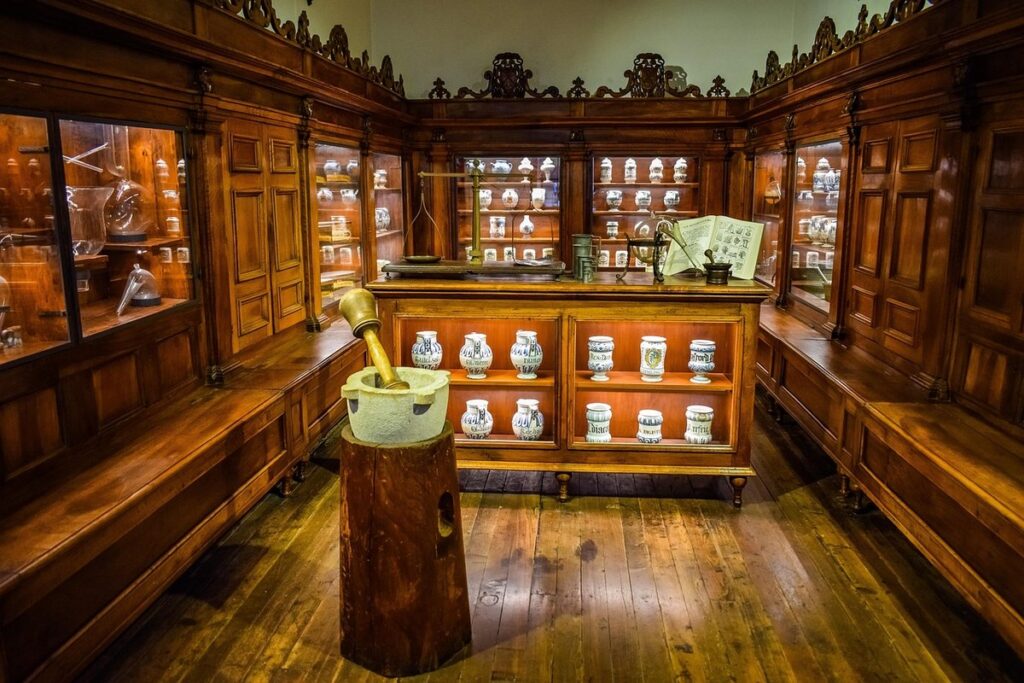
Understanding Vintage Wall Cabinets
Vintage wall cabinets can add a touch of elegance to any room, but understanding their history and design elements is key to choosing the right one for your space. Let’s break down the characteristics that make them unique.
History and Evolution of Wall Cabinets
Wall cabinets have a rich history that spans centuries, from their humble beginnings as part of antique furniture making to modern interpretations. In the 18th and 19th centuries, wall cabinets were a staple in European homes, particularly among the upper class. These early examples often featured intricate carvings, ornate moldings, and polished woods like mahogany and walnut.
As design styles evolved, so did the function of wall cabinets. In the late 19th century, the introduction of the Arts and Crafts movement led to a focus on handcrafted details and natural materials. This influence is evident in the rustic, country-inspired cabinets that became popular during this period.
In the mid-20th century, Scandinavian design had a significant impact on the evolution of wall cabinets, emphasizing clean lines, minimal ornamentation, and functionality. Today, vintage wall cabinets continue to inspire interior designers and homeowners alike, often repurposed as unique display pieces or incorporated into modern kitchens and bathrooms with creative styling.
Key Features to Look for When Choosing a Vintage Cabinet
When selecting a vintage display wall cabinet, condition is paramount. Look for pieces with original hardware and minimal restoration. Avoid cabinets with significant wear, such as scratched surfaces, faded finishes, or broken glass. Consider the material: solid wood, like oak or pine, can add warmth to a room, while metal or mirrored cabinets create a sleeker look.
Examine the design style of the cabinet, ensuring it aligns with your existing decor. For example, a vintage cabinet with ornate carvings might clash with minimalist furniture. Check for any signatures, labels, or stamps that could indicate the cabinet’s maker or era.
Inspect the cabinet’s size and proportions to ensure they fit comfortably in the intended space. Also, think about the functionality you need: do you require storage or display only? Some vintage cabinets come with built-in shelves, while others may have intricate drawers or secret compartments. Take note of these features when making your selection, as they can impact how you plan to use and style your new vintage find. A well-chosen cabinet will elevate your space, but a mismatched one can detract from the overall aesthetic.
Identifying Authenticity: Tips for Spotting Genuine Vintage Pieces
When scouring vintage shops and markets, it’s easy to get caught up in the charm of a piece without doing your research. Learning how to spot genuine vintage items is essential for building trust in your finds.
Red Flags to Watch Out for in Fake or Reproved Cabinets
One common sign of a fake or reproved cabinet is inconsistent craftsmanship. Look for uneven joints, mismatched hardware, or poorly finished surfaces. Reproduction cabinets often lack the patina and wear of an authentic piece, with smooth, glossy finishes that belie their age.
Check the back panel or underside of the cabinet for manufacturer labels, stamps, or other identifying marks. Many reproductions lack these features or attempt to mimic them in a way that’s easily recognizable. Be wary of cabinets with obvious “added” features, such as new hardware or excessively polished surfaces, which can indicate attempts to conceal their reproved status.
Another red flag is an unusually low price compared to similar pieces on the market. If it seems too good to be true, it probably is. Finally, examine the cabinet’s materials and construction methods. Vintage cabinets often feature heavy, solid wood and traditional joinery techniques, which are expensive and time-consuming to replicate. A reproduction cabinet may use cheaper materials or shortcuts that compromise its durability and aesthetic appeal.
Researching the Maker and Provenance
When searching for vintage cabinets, it’s essential to research the maker, provenance, and history behind each piece. Start by examining the cabinet’s label or signature, which can often provide clues about its manufacturer and era of production. Look for marks like “Made in England” or “Patent Applied For,” as these can be indicative of a specific time period.
Next, consult online resources such as vintage furniture forums, collector communities, and specialized websites that catalog vintage cabinet makers. These platforms can offer valuable insights into the cabinet’s provenance, including its original use, materials, and condition. Check for listings on reputable marketplaces like eBay or 1stdibs, where sellers often provide detailed descriptions of their items.
When verifying a cabinet’s authenticity, consider consulting with experts in the field. Local antique dealers, restoration specialists, or historians may be able to provide expert opinions on your cabinet’s age, materials, and condition. Additionally, check for documentation like receipts, certificates of authenticity, or appraisals that can support the seller’s claims about the cabinet’s history.
Displaying Your Treasures: Styling Tips for Vintage Wall Cabinets
When it comes to showcasing your unique finds, styling vintage wall cabinets is all about balance and harmony. You’ll learn how to pair period pieces with modern decor in this next step of the process.
Mixing and Matching with Modern Decor
When combining vintage and modern pieces, it’s essential to strike a balance between eras. You can start by choosing one statement piece from each era – perhaps a sleek modern vase on a vintage cabinet or an antique clock above a minimalist console table. This contrast creates visual interest and prevents the space from feeling too uniform.
Consider the style of your modern decor as well: if it’s heavily ornate, it may clash with delicate vintage pieces; conversely, simple modern furniture can provide a clean backdrop for intricate antiques. Mixing textures also adds depth to the display – combine smooth glass vases with distressed wood accents or metallic finishes with ceramic elements.
Avoid over-accessorizing, as this can make the space feel cluttered and chaotic. Instead, choose a few key pieces from each era that complement each other and allow them to stand out individually. For instance, pair an ornate vintage mirror with a minimalist modern shelf or vice versa. Remember, it’s not about matching everything perfectly; it’s about creating harmony through thoughtful selection and arrangement.
Focusing on Showstopping Centerpieces
When it comes to creating a stunning display within your vintage wall cabinet, focusing on showstopping centerpieces is essential. This can be achieved by carefully selecting and arranging decorative objects or artwork that draw the eye upwards. Consider grouping similar items together, such as antique vases or intricately framed prints, to create a visually appealing focal point.
Alternatively, you might choose to display a single statement piece, like a large oil painting or a dramatic sculpture, to anchor the space. Just be mindful of scale and balance – a massive centerpiece can overwhelm the surrounding decor if not carefully paired with smaller accents. To add depth and visual interest, layering is also effective: place a few delicate items on a shelf above a larger decorative piece.
For example, placing a vintage locket or brooch near a framed family portrait creates an intimate connection between the object and its story. By thoughtfully curating your centerpieces, you can direct the viewer’s attention to specific areas of the cabinet, adding context and meaning to your display.
Restoring and Refurbishing Your Vintage Find
Now that you’ve got your vintage find, it’s time to bring it back to its former glory – restoring and refurbishing requires some TLC and the right techniques to get it looking perfect again.
Assessing Damage and Prioritizing Repairs
When evaluating the condition of your vintage cabinet, start by inspecting each component for signs of wear and damage. Check the doors, drawers, and shelves for dents, scratches, and loose joints. Look for any water stains or mineral deposits that may indicate past exposure to moisture. Gently run your hand over the surfaces to detect any rough spots or uneven finishes.
Next, determine which repairs are necessary based on your desired level of restoration. For a more rustic look, you can leave some damage intact and focus on preserving the piece’s original character. However, if you prefer a more polished appearance, prioritize repairs that will restore the cabinet’s original functionality and aesthetics. Consider enlisting the help of a professional restorer or carpenter for particularly complex tasks.
As you assess the damage, keep in mind your cabinet’s intended use and display style. If it will hold delicate items, ensure any repairs address potential structural weaknesses. For example, if a drawer is loose, secure its runners to prevent contents from falling out. This attention to detail will help maintain the cabinet’s overall integrity and safety.
Techniques for Restoration and Upcycling
When it comes to restoring and upcycling your vintage wall cabinet, the possibilities are endless. You can start by refinishing the existing wood to bring out its natural beauty. This involves sanding down the surface to remove old finishes and imperfections, then applying a new coat of stain or varnish.
Another option is repainting the cabinet in a bold, contrasting color to add visual interest. Choose a paint specifically designed for furniture, as it will adhere better to the existing finish. Consider adding decorative trim or molding to create a unique look.
For upholstery, remove any old fabric and inspect the underlying structure for damage. If the springs are still intact, reupholstering can be a cost-effective way to give your cabinet a fresh new look. Use high-quality fabric that complements the cabinet’s style and color scheme. This might mean sticking with traditional patterns like stripes or florals for a more vintage feel, or opting for a modern solid color to create contrast.
When reupholstering, be sure to use a sturdy backing material to prevent sagging and ensure a professional finish.
Caring for Your Investment: Maintenance Tips for Vintage Cabinets
To keep your vintage wall cabinet looking its best, regular maintenance is crucial to prevent damage and wear. Proper care will extend the life of this beautiful piece of furniture.
Cleaning and Dusting
Cleaning vintage cabinets requires gentle care to preserve their original finish and prevent damage. Avoid using harsh chemicals or abrasive cleaners, which can strip away old wax or paint and create uneven surfaces. Instead, mix a solution of mild soap and warm water on a soft cloth to gently wipe down the cabinet’s exterior. For more stubborn stains or grime buildup, use a gentle wood cleaner specifically designed for antique furniture.
When dusting your vintage display cabinet, focus on gentle strokes with a microfiber cloth to avoid scratching delicate surfaces. Pay particular attention to intricate carvings, moldings, and other ornate details. Avoid using feather dusters or dry cloths, which can leave behind lint and fibers. To keep your cabinet looking its best, regularly dust the shelves, handles, and any other hardware.
Some experts recommend cleaning vintage cabinets every 6-12 months, depending on their exposure to light and environmental conditions. Regular maintenance will help maintain the cabinet’s appearance and prevent damage from dirt and grime buildup.
Storage and Handling Considerations
Proper storage and handling are essential to preserving the integrity and longevity of your vintage cabinet. Before putting it away for an extended period, clean the interior thoroughly with a soft-bristled brush and gentle soap solution. This removes dust and debris that can settle on delicate finishes or mechanisms.
When storing your cabinet, avoid stacking it with heavy objects or compressing it between other pieces. Instead, place it in a sturdy box or crate, filling any empty spaces with bubble wrap or packing paper to prevent scratches and dents. Store the box in a dry, cool area away from direct sunlight.
Avoid moving your vintage cabinet up or down stairs, as this can cause unnecessary stress on the joints and frame. If relocation is unavoidable, use proper lifting techniques and consider hiring professional movers who have experience handling antique furniture.
When removing the cabinet from storage, inspect it carefully for any signs of damage or wear. Gently dust off any accumulated debris before reassembling any disassembled components.
Frequently Asked Questions
What If I Find a Vintage Wall Cabinet in Poor Condition – Should I Still Buy It?
Yes, it’s worth considering purchasing a vintage wall cabinet in poor condition if you can envision its potential after restoration. Assess the damage and prioritize repairs before making a decision. Researching similar pieces and consulting with professionals can also help determine whether the cabinet is a worthwhile investment.
Can You Use Any Type of Material for Restoration or Upcycling?
While it’s possible to experiment with various materials, not all may be suitable for your vintage wall cabinet. For example, some materials might alter the piece’s original character or compromise its structural integrity. Stick to traditional techniques and materials that respect the cabinet’s historical context whenever possible.
How Do I Balance My Vintage Wall Cabinet with Contemporary Decor?
To create a harmonious display, balance your vintage wall cabinet with modern pieces through color palette, texture, and scale. Introduce contrasting elements, such as sleek lines or bold colors, to prevent the space from feeling stagnant. Experiment with different arrangements until you find a visually appealing combination.
What If I Want to Display Fragile or Valuable Items in My Vintage Wall Cabinet?
Consider using glass shelves or specialized display cases for fragile or valuable items to prevent damage and maintain their value. This will also help keep your cabinet’s overall aesthetic intact by not overwhelming it with too many delicate pieces at once.