
For many vintage collectors, a well-crafted trunk maker’s mark can be more than just an aesthetic flourish – it’s a key to unlocking the history of the piece. However, deciphering these marks can be a daunting task for even the most seasoned collector. You may have inherited or purchased a beautiful old trunk with a mysterious symbol etched onto its lid, but without context, it’s little more than a curiosity. Understanding the significance of trunk maker’s marks requires knowledge of the industry’s past and an eye for detail. This guide will walk you through inspection techniques to identify marks, research methods to authenticate trunks, and valuable tips for collectors to get the most out of their finds, ultimately enabling you to uncover not just the value but also the story behind your vintage trunk.
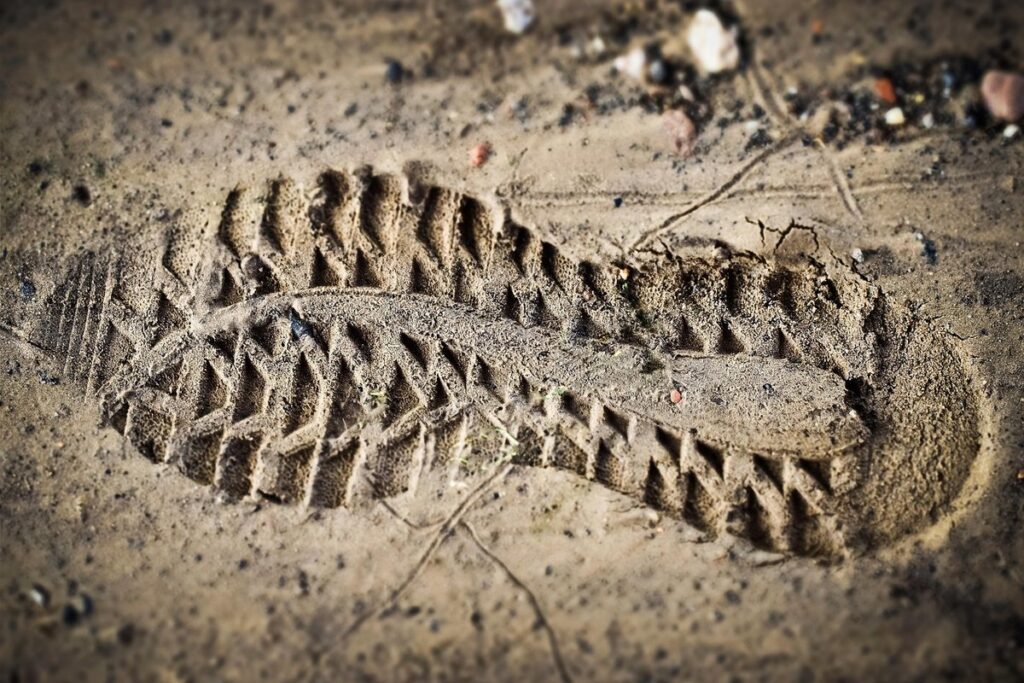
Understanding Vintage Trunk Makers’ Marks
Makers’ marks are a treasure trove of information for trunk enthusiasts, revealing not only the maker’s identity but also their craftsmanship and timeline. Let’s decode some common vintage trunk makers’ marks.
What Are Trunk Makers’ Marks?
Trunk makers’ marks are a series of symbols, letters, and numbers stamped onto trunks to identify their origin, maker, and sometimes even specific features. These marks have a rich history dating back to the 17th century when trunk making became a highly regulated craft. To qualify as a licensed trunk maker, artisans had to register with local guilds and receive permission to use their official mark.
Each trunk makers’ mark was unique to its creator and served as proof of authenticity. The marks often included the maker’s initials or name, followed by a series of numbers or symbols indicating the location where the trunk was made. For example, a mark consisting of “A.L.” with a corresponding number might signify that the trunk was crafted by Alexander Lewis in London.
Not all trunks feature makers’ marks; however, those that do can provide valuable information about their history and craftsmanship. When examining a vintage trunk’s maker’s mark, pay close attention to its placement, size, and clarity, as these factors can indicate whether it is genuine or added later as a forgery.
Types of Trunk Makers’ Marks
Trunk manufacturers used various techniques to mark their products, resulting in a range of designs. Logos were often stamped or embossed onto trunks, featuring the company’s name and sometimes an image associated with the brand. Some logos were quite elaborate, while others were simple yet distinctive.
Stamps were another common method, typically made from metal plates that could be customized with different designs. These stamps might feature intricate patterns or the manufacturer’s initials. The quality of the stamp can provide insight into the age and authenticity of a trunk, as well as its intended use.
Engravings, often done by hand, added an extra layer of craftsmanship to trunks. Engravers would carve their marks directly onto the wood, creating unique and intricate designs. These engravings could be simple or complex, sometimes featuring the name of the manufacturer or a specific model number. When identifying trunk makers’ marks, it’s essential to consider these various techniques and how they may have been used in combination with one another.
Deciphering the Meaning Behind Makers’ Marks
When deciphering the meaning behind trunk makers’ marks, it’s essential to consider multiple factors. Manufacturer identity is often indicated by a logo or initials, which can be unique to each company. Look for these markings on the lid, sides, or bottom of the trunk. Production dates may be included as well, typically in the form of a year or decade. These dates can help you narrow down the time period when the trunk was made.
Location is another crucial piece of information conveyed through trunk makers’ marks. Trunks from specific regions, such as Europe or Asia, often feature distinct designs and markings that reflect their place of origin. For example, French trunks may have a distinctive escutcheon plate with the maker’s name and address, while Chinese trunks might feature intricate carvings and stamps.
To decode the meaning behind trunk makers’ marks, start by researching the company or region associated with the mark. Consult reference books, online databases, or expert resources to gain a deeper understanding of the symbols and abbreviations used. By doing so, you’ll be able to uncover valuable information about your vintage trunk’s history and authenticity.
History of Trunk Making and Makers’ Marks
The history of trunk making spans centuries, shaped by skilled artisans who left behind distinctive makers’ marks that reveal their craftsmanship. These marks hold secrets to a trunk’s authenticity and are essential for any collector or enthusiast.
Evolution of Trunk Design and Construction
Trunks evolved significantly from their early beginnings to modern times. The first trunks were made from wood and leather, with a simple lock and key system. As trade and travel increased, so did the demand for more durable and secure trunks. By the 18th century, trunks began to feature intricately carved wooden frames, brass hardware, and decorative metalwork.
The Industrial Revolution brought significant changes in trunk design and construction. Mass production techniques allowed for more affordable and accessible trunks, while new materials like vulcanized rubber and canvas were introduced. These innovations led to the development of lighter, stronger, and more water-resistant trunks that could withstand harsh weather conditions.
In the late 19th century, the introduction of metal stamping and casting enabled trunk makers to produce intricate designs and patterns on metal hardware. This marked a significant shift from traditional hand-stamping techniques, allowing for greater consistency and efficiency in production. By the early 20th century, trunks had become more streamlined and aerodynamic, reflecting the growing influence of industrial design on consumer goods.
Rise of Famous Trunk Makers and Their Marks
As the trunk-making industry grew, so did the reputation of its top craftsmen. One such example is John W. Rose, a renowned trunk maker from Liverpool who patented his signature “J.W.R.” mark in 1867. His innovative designs and exceptional quality earned him international recognition, with trunks bearing his mark fetching high prices at auction.
Another notable figure was the French trunk maker, Maison Goyard, whose iconic red-and-blue striped canvas became synonymous with luxury travel. Founded by François Goyard in 1853, the company’s attention to detail and commitment to craftsmanship set a new standard for trunk making.
These pioneers, along with others like Hartmann and Steiff, pushed the boundaries of trunk design and construction. Their marks not only identified their products but also reflected their dedication to excellence. When searching for authentic vintage trunks, collectors should look for these distinctive signs, as they often indicate a trunk’s quality and value.
Impact of Global Trade on Trunk Making and Makers’ Marks
Global trade played a significant role in shaping the trunk making industry. As trade routes expanded, trunk makers from different regions began to exchange ideas and techniques. This cultural exchange led to the emergence of new styles and designs. For instance, the introduction of Asian silks and lacquerwork influenced European trunk making, resulting in the creation of ornate and decorative trunks. Similarly, the spread of makers’ marks across continents facilitated the identification of trunk origins and authenticity.
The global trade also introduced new materials and technologies that impacted trunk construction. The use of exotic woods, such as ebony and rosewood, became more widespread, while the development of new manufacturing techniques enabled mass production of trunks. This led to a greater variety of designs and styles being produced, making it more challenging for collectors to identify authentic makers’ marks.
The increased global trade also contributed to the rise of famous trunk makers and their distinctive marks. For example, the British company, G.W. Wickes, began producing high-quality trunks with intricate inlays and decorative hardware, while the French trunk maker, Louis Vuitton, became renowned for his iconic monogram pattern.
Identifying and Authenticating Vintage Trunks with Makers’ Marks
To accurately identify vintage trunks, look for distinctive makers’ marks that reveal a trunk’s age, origin, and authenticity. These subtle signs can be a treasure trove of history and value.
Inspection Techniques for Makers’ Marks
When inspecting a vintage trunk for makers’ marks, it’s essential to examine the materials used in its construction. Start by lifting the lid and inspecting the hinges, handles, and other hardware. Look for signs of wear or damage that may indicate the age of the piece. Next, examine the exterior and interior surfaces for any visible makers’ marks, such as stamps, labels, or engravings.
Check the trunk’s material composition, including the type of wood, leather, or fabric used. Some makers’ marks are embossed into the leather or stamped onto metal plates attached to the trunk. Inspect the stitching, rivets, and other craftsmanship details for evidence of high-quality construction.
Also, consider the trunk’s overall design and aesthetics. Makers’ marks often reflect a particular style or era. For example, Art Deco trunks from the 1920s may feature geometric patterns and metallic accents. Be sure to examine any decorative elements, such as inlays or carvings, for signs of makers’ marks.
When examining these distinguishing features, take note of any anomalies or inconsistencies that could indicate a restoration or alteration.
Researching and Verifying Makers’ Marks
When researching trunk makers’ marks, it’s essential to consult reference sources such as books, online databases, and museum collections. These resources can provide valuable information on specific makers, their marks, and the time periods they were active. You can also examine existing trunks with known provenance to study the marks firsthand.
One crucial step in verifying authenticity is consulting with experts in the field. Trunk collectors, appraisers, and conservators often have extensive knowledge of trunk makers’ marks and can help you identify a specific mark or authenticate a trunk. Some experts may also conduct non-invasive tests, such as x-raying or ultraviolet lighting, to detect hidden marks or reveal details about the trunk’s construction.
To get the most out of an expert consultation, be prepared to provide detailed information about the trunk, including its materials, construction, and any known history. This will enable the expert to give a more informed opinion on the mark’s authenticity. Additionally, consider consulting multiple experts before making any conclusions, as this can help ensure a more accurate assessment of your trunk’s value and significance.
Restoring and Preserving Trunks with Makers’ Marks
When restoring and preserving vintage trunks with makers’ marks, it’s essential to prioritize their integrity and value. Start by gently cleaning the trunk using a soft-bristled brush and a mild soap solution, avoiding harsh chemicals that can damage the finish or affect the paint. For more extensive restoration work, consider consulting a professional conservator who specializes in antique furniture.
To maintain the trunk’s original patina, avoid applying modern varnishes or polyurethane coatings. Instead, opt for traditional wax-based finishes like beeswax or linseed oil, which can be applied sparingly to protect the wood without altering its appearance. Be cautious when using cleaning products or restoration techniques that may compromise the makers’ marks or other original details.
When preserving vintage trunks with makers’ marks, it’s crucial to handle them carefully to prevent damage during storage and transportation. Wrap the trunk in acid-free tissue paper or a breathable cloth to protect it from dust and moisture. Store the trunk in a dry, climate-controlled environment away from direct sunlight to slow down the aging process. By taking these steps, you can help maintain the integrity of your vintage trunks while ensuring their continued beauty and historical significance.
The Value and Collectibility of Vintage Trunks with Makers’ Marks
Vintage trunks with makers’ marks are highly prized among collectors for their beauty, craftsmanship, and historical significance. We’ll explore what makes these trunks so valuable and coveted by enthusiasts today.
Factors Affecting the Value of Trunks
Rarity is a significant factor affecting the value of vintage trunks. Trunks with unique designs, limited production runs, or those created by renowned makers are more valuable due to their scarcity. For instance, a 19th-century trunk from the esteemed Widdop and Company, known for its intricate lockwork and high-quality hardware, can command a higher price due to its rarity.
Condition plays a crucial role in determining a vintage trunk’s value. Trunks that have been well-preserved, with minimal wear and tear, are more valuable than those showing significant signs of aging or damage. A trunk’s original finish, padding, and hardware also impact its condition and, subsequently, its value.
Provenance is another essential factor influencing the value of vintage trunks. A trunk’s ownership history, including documentation of notable owners or exhibitions, can increase its value. For example, a trunk once owned by a prominent family or used in a historical event can command a higher price due to its provenance.
Demand in the market also affects the value of vintage trunks. Trunks that are highly sought after by collectors and dealers tend to appreciate in value over time.
Notable Sales and Auctions of Trunks with Makers’ Marks
Notable sales and auctions of trunks with makers’ marks have consistently demonstrated their historical significance and monetary value. In 2019, a rare mid-19th-century trunk bearing the mark of renowned French trunk maker, Maison Paillet, sold at Christies for $12,500. The sale highlighted the trunk’s exceptional craftsmanship and its status as one of the last remaining examples of Maison Paillet’s work.
In 2020, a vintage trunk with a makers’ mark attributed to German trunk maker, Th. Kuhn, fetched $9,000 at an online auction. The sale underscored the significance of makers’ marks in verifying a trunk’s authenticity and provenance. Similarly, a trunk bearing the mark of American trunk maker, William T. Peters & Co., sold for $6,800 at a New York auction house.
These sales demonstrate that trunks with notable makers’ marks can command high prices due to their rarity and historical importance. For collectors and dealers, research is essential in verifying the authenticity of makers’ marks and ensuring the trunk’s provenance is accurately documented.
How to Buy and Sell Vintage Trunks with Confidence
When buying vintage trunks with makers’ marks, it’s essential to approach the market with a clear understanding of what you’re looking for. Start by researching reputable dealers and auction houses that specialize in antique trunks. Look for sellers who provide detailed descriptions, high-quality photographs, and provenance information. This will help you verify the trunk’s authenticity and ensure that it matches your expectations.
When inspecting the trunk, pay close attention to the condition, craftsmanship, and materials used. Check for any signs of restoration or repair, as this can impact the trunk’s value. Consider consulting with a professional appraiser or restorer who can provide an expert opinion on the trunk’s condition and potential for restoration.
When negotiating prices, be prepared to ask questions and make informed decisions. Don’t be afraid to walk away if you feel that the price is not justified by the trunk’s value. Keep in mind that buying vintage trunks is often a long-term investment, and patience can pay off in finding a rare or exceptional piece at a fair price.
When selling your own vintage trunks with makers’ marks, take the time to document their history, condition, and provenance. This will help attract serious buyers who are willing to pay top dollar for authentic pieces. Be transparent about any restoration work or repairs that have been done, as this can impact the trunk’s value.
Conclusion: Preserving the Legacy of Vintage Trunk Makers’ Marks
As we conclude our journey through the fascinating world of vintage trunk makers’ marks, let’s reflect on how to preserve their legacy for future generations.
Recap of Key Points and Takeaways
In recap, vintage trunk makers’ marks are a treasure trove of historical significance, revealing the craftsmanship, innovation, and global connections of their time. We’ve seen how different types of marks convey distinct meanings, from initials to logos, and how deciphering these symbols can unlock the stories behind each trunk.
To authenticate a vintage trunk with a maker’s mark, it’s essential to inspect the mark itself, considering factors like material, condition, and provenance. Researching and verifying the mark through reputable sources, such as antique dealers or museums, is also crucial. Moreover, restoring and preserving trunks with makers’ marks requires great care to maintain their integrity.
For collectors and enthusiasts, understanding the value of vintage trunks lies in recognizing the interplay between factors like rarity, condition, and provenance. Notable sales and auctions have showcased the importance of maker’s marks in determining a trunk’s worth. When buying or selling a vintage trunk with a makers’ mark, it’s vital to approach these transactions with confidence by knowing what to look for in terms of authenticity and value.
Ultimately, preserving the legacy of vintage trunk makers’ marks depends on continued research, appreciation, and responsible collecting practices.
Final Thoughts and Future Directions
As we reflect on the significance of vintage trunks with makers’ marks, it’s clear that their preservation is crucial for understanding our collective history and cultural heritage. These intricately designed marks not only authenticate a trunk’s origin but also offer a glimpse into the craftsmanship and techniques employed by master artisans of the past.
One area ripe for further research is the documentation of makers’ marks across different regions and time periods. A comprehensive database would enable enthusiasts, collectors, and researchers to easily access information on specific marks, facilitating a more in-depth understanding of trunk making traditions worldwide.
Innovative technologies can also play a role in preserving vintage trunks with makers’ marks. For instance, digital scanning and 3D modeling can help create detailed replicas of intricate marks, ensuring their preservation for future generations. Moreover, AI-powered analysis can aid in deciphering the meaning behind complex marks, shedding new light on the history of trunk making.
By combining traditional research methods with modern technologies, we can unlock a richer understanding of vintage trunks with makers’ marks and ensure their continued relevance in today’s world.
Frequently Asked Questions
Can I use digital restoration techniques on my vintage trunk with makers’ marks to enhance its appearance?
Yes, gentle digital retouching can help preserve the trunk’s details, but be cautious not to alter original marks or materials. It’s essential to weigh the benefits against potential damage and consider consulting a professional conservator for advice.
How do I know if a trunk maker’s mark is rare or common, and what does that mean for its value?
Rarity is subjective and depends on market demand. Research and consult with experts to determine a trunk’s significance and value. Consider the mark’s age, condition, and provenance when evaluating rarity and potential value.
Can I use a vintage trunk with makers’ marks as a functional storage piece or should it be displayed?
While trunk makers’ marks are valuable for historical and aesthetic purposes, some trunks can still function as storage pieces. However, consider the trunk’s original design and materials when deciding whether to use it for storage; some may require special care or handling.
What if I find a trunk with an unknown maker’s mark? How do I go about researching its origin?
Start by consulting reference sources, such as books or online databases, that specialize in vintage trunks. You can also reach out to collectors’ communities, join relevant forums, or seek advice from experts in the field of antique furniture and collectibles.
Can I replicate a trunk maker’s mark on a modern trunk for authenticity or do I need to use original materials?
No, replicating a trunk maker’s mark without permission is not recommended. Instead, consider working with a reputable manufacturer that can create a new trunk using traditional techniques and authentic materials, while also obtaining the necessary documentation and certification.