
Have you ever filled up your bird feeder with excitement, only to watch in dismay as seeds spill out onto the ground? It can be frustrating to see all that food go to waste. But why do birds throw seed out of feeders in the first place? Is it because they’re just being careless or is there something more at play? If you’re tired of throwing away money on wasted birdseed, this article will help you get to the bottom of this frustrating phenomenon and explore effective solutions to minimize waste. We’ll delve into feeder design tips that can make a big difference, as well as alternative feeding methods that might just do the trick. By the end of this article, you’ll be better equipped to attract birds to your yard while keeping those seeds where they belong – in their bellies, not on the ground!
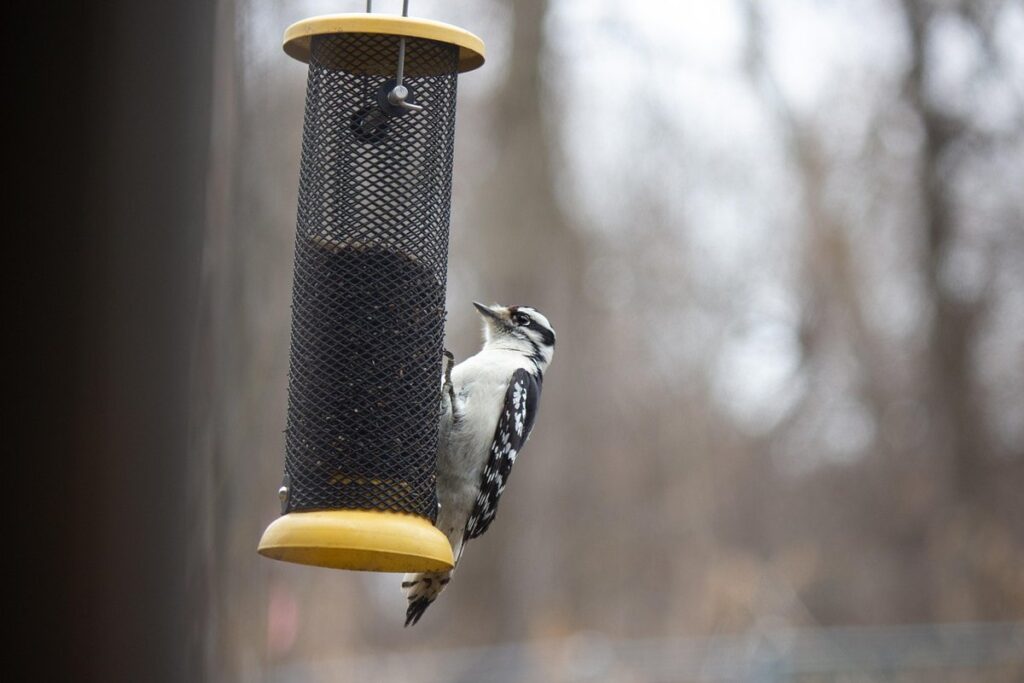
Understanding Bird Behavior
Let’s dive into the fascinating world of bird behavior, where birds throw seed out of feeders as a natural response to their instincts and environmental cues. This behavior is not uncommon, but it can be frustrating for bird enthusiasts.
The Reason Behind the Throwing
When birds throw seed out of feeders, it’s often due to an innate behavior inherited from their wild ancestors. In the wild, birds have evolved to cache food for later use, storing seeds and grains in various spots to survive during harsh winters or periods of scarcity. This instinctual behavior is still present in domesticated birds today, causing them to throw seed out of feeders as a way to store it for future meals.
Another reason birds may throw seed out of feeders is due to a lack of familiarity with feeder types or feeding habits. If a bird is new to a particular feeder or hasn’t seen one before, it may not understand how it works and will try to cache food by throwing it on the ground. This can be especially true for birds that are used to foraging in dense forests or shrublands where seed dispersal is more natural.
This behavior can also be influenced by the type of feeder itself. For example, some feeders with large trays or open spaces may encourage caching behavior as birds try to store seeds in these areas. In such cases, bird owners can consider using feeders with smaller tray sizes or enclosures that prevent seed dispersal.
Environmental Factors Contributing to the Behavior
Birds throwing seed out of feeders is often a complex issue influenced by multiple environmental factors. Weather conditions can significantly impact bird behavior at feeders. Strong winds, for instance, can cause birds to lose their grip on the feeder, resulting in seeds being thrown out. Similarly, heavy rainfall or melting snow can make the seed wet and unpleasant for birds to eat, prompting them to discard it.
The placement and design of the feeder itself also play a crucial role in determining bird behavior. Feeders placed in open areas with minimal cover are more likely to attract predators, which can cause birds to be wary and throw seeds out as a result. Similarly, feeders that are too small or shallow may encourage birds to scatter seed rather than eat it calmly.
Another significant environmental factor contributing to birds throwing seed is the presence of predators or competitors at the feeder. Birds have an innate ability to sense potential threats, and if they perceive another bird or animal as a threat, they will often discard their food in an attempt to avoid confrontation.
Seed Type and Quality
When it comes to seed type and quality, it can have a significant impact on whether birds will throw seeds out of feeders or not. In this next part of our guide, we’ll explore what you need to know about seed selection.
The Effect of High-Quality Seed on Bird Behavior
When it comes to bird behavior at feeders, seed quality plays a significant role in influencing their actions. Birds have an innate preference for fresh and nutritious seed over stale or low-quality options. This is because they can taste the difference between good and bad seed, just like we do with food.
Feeding high-quality seed not only satisfies this preference but also offers potential health benefits to birds. A diet rich in nutrients can boost their immune system, energy levels, and overall well-being. For instance, sunflower seeds are a great source of healthy fats and protein, making them an excellent choice for attracting a variety of bird species.
To choose the best seed options for your feeder, look for those that are high in oil content (such as sunflower or safflower seeds) and have been harvested within the past six months. You can also consider blends that combine different types of seeds to provide a balanced diet. By selecting high-quality seed, you’ll not only attract more birds to your feeder but also support their overall health and well-being.
Impact of Low-Quality or Moldy Seed on Bird Behavior
When it comes to seed type and quality, one crucial factor that can impact bird behavior at feeders is the presence of low-quality or moldy seed. Birds are highly sensitive to spoiled or unpalatable food, and they will often associate such offerings with risk rather than reward.
If you’re feeding your birds subpar seed, it’s likely they’ll develop an aversion to it over time. This can lead to a decrease in their enthusiasm for visiting the feeder altogether. Moreover, consuming moldy or spoiled seed can pose serious health risks to birds, including respiratory problems and potentially even death.
To avoid this issue, it’s essential to maintain clean and healthy seed at all times. Regularly inspect your seed supply, and discard any that shows signs of spoilage. Store seed in a cool, dry place to prevent moisture buildup. You can also try offering fresh seed every few days or switching to a high-quality seed blend from the start.
This simple vigilance will help ensure your feathered friends remain healthy and interested in visiting their favorite feeder.
Feeder Type and Design
When it comes to feeder type and design, there are some common mistakes that can make feeding birds more challenging for both them and you. Let’s explore how these factors contribute to seed throwing behavior.
Factors Influencing Bird Choice of Feeders
When it comes to choosing feeders that will keep birds happy and seed-filled, there are several factors to consider. The type of feeder you select can greatly influence bird behavior, particularly when it comes to seed dispersal.
For instance, tube feeders tend to be a hit with smaller birds like finches and sparrows, as they allow for easy access to seeds from multiple sides. Hopper feeders, on the other hand, are often preferred by larger birds such as cardinals and chickadees, who can comfortably perch on the edge while feeding.
The size of your feeder is also crucial – if it’s too small, it may attract more visitors than you’d like, leading to overcrowding and seed dispersal. As for material, some birds may favor plastic or metal feeders over wood due to their durability and ease of cleaning. To ensure the right bird species visit your garden, observe which types frequent your area and opt for a feeder designed with those in mind.
Consider this: if you’re aiming to attract blue jays and robins, a hopper feeder made from durable plastic would be an excellent choice. Conversely, finches and sparrows will likely flock to tube feeders crafted from metal or wood. By matching your feeder type to the local bird population, you’ll minimize seed waste due to birds throwing it out – a win-win for both you and the feathered visitors!
Design Flaws Contributing to Seed Throwing
When it comes to understanding why birds throw seed out of feeders, we can’t ignore the impact of feeder design. Some common design flaws can actually encourage birds to dispose of their seed rather than enjoy it. For instance, uneven or narrow feeding trays can make it difficult for birds to comfortably access the food, leading them to spill seed in search of a better spot.
Poor weight distribution and stability issues are also significant concerns. Feeders that tip over easily or have a high center of gravity can cause seeds to be thrown out as the feeder sways in the wind or when birds land on it. Moreover, inadequate protection from the elements can cause seeds to become soggy or moldy, leading birds to abandon them rather than eat them. By choosing feeders with wide bases and sturdy constructions, you can help minimize these issues and encourage birds to enjoy their meal peacefully. This is a simple yet crucial aspect of creating a bird-friendly feeding environment.
Tips for Minimizing Seed Throwing
Minimizing seed throwing is all about understanding bird behavior and making a few simple adjustments to your feeder setup. Let’s dive into some practical tips that’ll save you (and them) a headache!
Strategies for Reducing Seed Loss
Reducing seed loss is crucial to maintaining a healthy and thriving bird population at your feeder. One effective strategy is to use feeder designs that minimize seed throwing. Weighted feeders, for example, are designed with heavy bases or weights that prevent the feeder from tipping over, thus reducing the likelihood of seeds being thrown out.
Another approach is to strategically place your feeders in areas with minimal wind or weather impact. This can be as simple as placing a large tree or shrub nearby to block harsh winds or selecting a location that provides some protection from rain and snow. By doing so, you’ll reduce the stress on your feeder and minimize seed loss.
Regular maintenance is also essential in reducing seed loss. Make it a habit to clean out your feeders regularly, removing any debris, mold, or mildew that can attract pests and encourage seed throwing. Additionally, ensure your feeders are well-stocked at all times, as hungry birds are more likely to engage in seed-throwing behavior when their primary food source is scarce.
Lastly, consider investing in a feeder with a roof or canopy to shield seeds from the elements and protect them from being blown away by wind.
Alternative Feeding Methods
If you’re tired of cleaning up seed debris from your feeders and want to reduce waste, it’s worth exploring alternative feeding methods. One approach is to install ground-level feeding stations. These platforms allow birds to forage for seeds on the ground, where they can easily pick them up without throwing any out.
Using a shallow dish feeder specifically designed for smaller birds is another option to consider. These feeders have a wide, flat design that makes it easy for tiny beaks to access seed without spilling it out. You can also experiment with using a “suet” feeder, which is typically designed to hold soft, high-calorie foods like peanut butter or suet. Suet feeders often have small openings that prevent larger birds from accessing the food, thus reducing waste.
When setting up ground-level feeding stations or shallow dish feeders, make sure to place them in an area with good cover and a reliable water source nearby. This will encourage birds to visit these feeders regularly, making it less likely for them to resort to throwing seed out of your traditional feeder.
Managing Seed Throwing in Your Backyard
Now that you know why birds throw seed out of feeders, let’s tackle one of the most frustrating consequences: managing the mess in your backyard. We’ll share practical tips to minimize seed waste and keep your yard tidy.
Tips for Maintaining a Balance Between Bird Feeding and Property Maintenance
Maintaining a balance between providing a welcoming environment for birds and keeping your property tidy can be a delicate task. Birds throw seed out of feeders to cache food for later use, but excessive seed throwing can lead to messiness around the feeder area.
To manage this issue, consider implementing a few strategies. First, clean your feeders regularly by scrubbing them with soap and water to remove mold and debris. This will not only make the feeders more hygienic for birds but also reduce the amount of waste generated from seed throwing.
Another approach is to limit the number of bird feeders in your yard and position them far enough apart so that birds are less likely to visit multiple feeders in a single trip, thus reducing the amount of seed they carry around. Consider using feeders with built-in cleaning systems or those designed specifically for bird seed types that produce less waste.
By striking a balance between providing a welcoming environment for birds and maintaining your property, you can enjoy watching these beautiful creatures without the hassle of excessive seed throwing.
The Benefits of Allowing Seed Throwing in Your Yard
Allowing seed throwing in your yard can have numerous benefits for both you and the birds visiting your outdoor space. By letting go of this common concern about bird feeders, you’re essentially creating a welcoming environment for local bird populations and ecosystems.
For one, supporting these birds is crucial to maintaining healthy ecosystems. When you allow them to throw seed, they’ll naturally disperse seeds in various parts of your yard, promoting the growth of native plants. This not only enhances biodiversity but also attracts more birds to visit your area.
By embracing natural behaviors in birds, such as throwing seed, you’re encouraging their instinctual actions. This means that instead of relying on artificial feeders and bird baths, they’ll get into their natural routines – exploring, foraging, and interacting with one another. As a result, your yard becomes an even more vibrant outdoor space.
Not only do these changes benefit the birds but also create unique wildlife viewing opportunities for you. Imagine observing flocks of finches, sparrows, or robins as they flit from feeder to feeder, dropping seeds wherever they go. It’s not just about feeding them; it’s about witnessing their intricate social dynamics and natural behaviors up close.
Frequently Asked Questions
How do I know if my bird feeder design is contributing to the seed throwing issue?
If you suspect that your feeder’s design is causing birds to throw seeds, inspect it for any flaws or gaps that might be allowing seeds to spill out. Consider replacing the feeder with a new one designed with seed-catcher trays or perches to help birds land and eat comfortably.
What are some common signs of low-quality or moldy seed, and how can I identify them?
Look for seeds that appear discolored, musty-smelling, or rancid. Check the expiration date on the packaging and ensure it’s within a reasonable timeframe. If you notice any of these signs, remove the affected seed from your feeder to prevent further waste.
Can birds get accustomed to throwing seed out of feeders over time?
Yes, some birds may become more aggressive about throwing seeds as they learn that it gets them attention or access to food. To combat this, try rotating different types of seed or using alternative feeding methods like tray feeders or hopper feeders with small openings.
How often should I clean and maintain my bird feeder to prevent mold growth?
Regularly cleaning your feeder is essential to preventing mold growth. Aim to clean it at least once a week during peak bird activity, and more frequently if you live in an area with high humidity. Use a mild detergent and water solution to scrub away any debris.
What’s the best way to transition birds from old feeding habits to new ones?
Gradually introducing changes to your feeder or seed type can help reduce stress on the birds and prevent them from throwing seeds excessively. Consider phasing in the new setup over several days, allowing the birds to adjust to the changes gradually.