
Wildlife observation can be a thrilling experience for anyone who loves nature, but it requires careful consideration to avoid causing harm to the very animals we’re trying to observe. When done responsibly, wildlife observation can contribute significantly to conservation efforts by providing valuable insights into animal behavior and habitat needs. However, when done poorly, it can lead to stress and disturbance for the animals, ultimately undermining the very goals of conservation.
In this article, we’ll explore best practices for minimizing disturbance on animals in various environments. We’ll discuss how to choose the right equipment and techniques for observing wildlife without disrupting their natural behavior. Additionally, we’ll examine the importance of respecting animal space and giving them a safe distance when interacting with their habitat. By the end of this article, you’ll be equipped with the knowledge and skills necessary to observe wildlife responsibly and contribute meaningfully to conservation efforts.
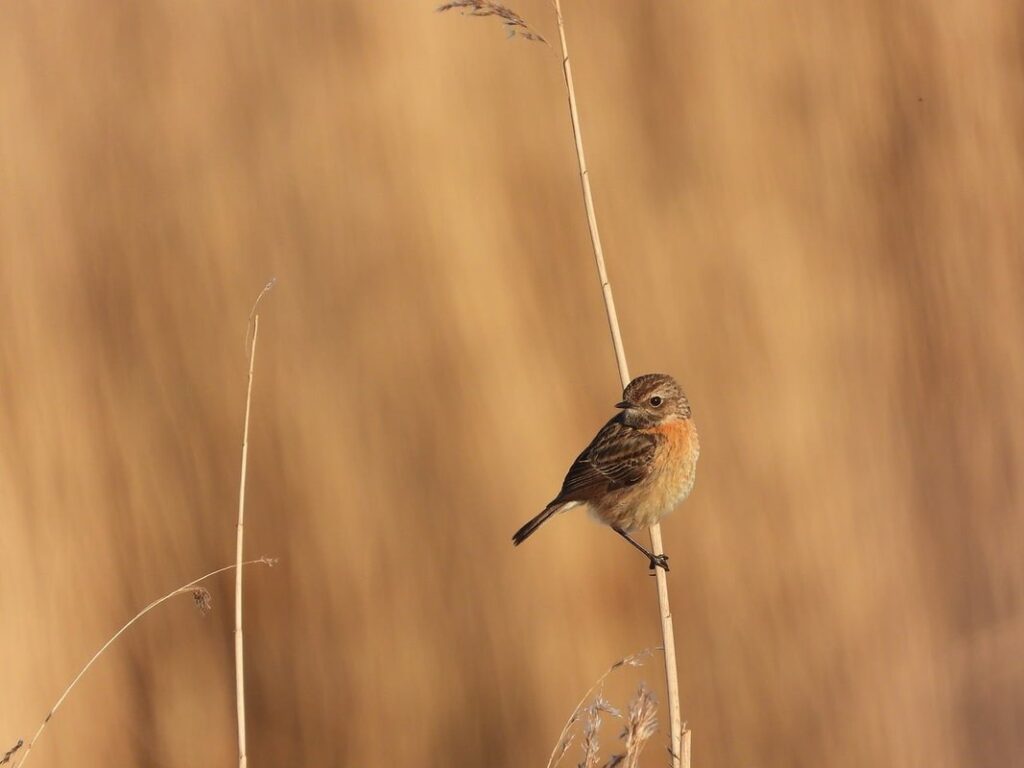
Understanding the Importance of Wildlife Observation Ethics
Wildlife observation ethics are more than just guidelines – they’re essential for preserving natural habitats and respecting the animals we’re trying to learn from. Let’s explore the importance of responsible viewing practices in a real-world context.
The Impact of Human Behavior on Wildlife Populations
Human behavior has a profound impact on local ecosystems and wildlife populations. One of the most significant effects is disturbance caused by repeated visits to a specific area. This can lead to animals becoming habituated, losing their natural fear of humans, and eventually changing their behavior to seek out human interaction.
When observing wildlife, it’s essential to consider your presence and the impact it may have on the animals. Frequent visits to a particular location can disrupt the delicate balance of the ecosystem, causing animals to alter their habitat use, mating habits, or migration patterns. For example, a study in Yellowstone National Park found that visitors who followed established trails significantly reduced human-wildlife conflict.
To mitigate these effects, it’s crucial to adopt responsible viewing practices. This includes visiting areas at times when wildlife is less active, keeping a safe distance from animals, and not feeding them. By being mindful of your presence and actions, you can help minimize the impact on local ecosystems and populations, ensuring that both humans and wildlife coexist harmoniously.
The Role of Wildlife Observation in Conservation
Responsible wildlife observation plays a crucial role in conservation efforts by providing valuable insights into species behaviors, habitats, and population dynamics. Observations can inform researchers about key aspects of an ecosystem, such as migratory patterns, feeding habits, and social structures. This information is essential for developing effective conservation strategies.
Policymakers and conservationists can use observations to identify areas that require protection or restoration. For instance, if a species is found to be struggling due to habitat loss, policymakers can work with stakeholders to implement measures such as reforestation programs or the establishment of protected areas. Conservation efforts can also benefit from citizen science initiatives, where observers contribute data and insights to larger research projects.
Observations can also help conservationists identify potential threats to species populations, allowing them to develop targeted strategies for mitigating these impacts. By combining observations with other data sources, researchers can build a more comprehensive understanding of an ecosystem’s dynamics and make informed decisions about conservation priorities. In some cases, observations may even reveal opportunities for human-wildlife coexistence and sustainable land-use planning.
Best Practices for Wildlife Observation
When observing wildlife, it’s essential to be aware of your surroundings and behave in a way that doesn’t disrupt their natural behavior. Let’s look at some practical tips for responsible wildlife viewing.
Minimizing Disturbance and Stress on Animals
When approaching wildlife for observation, it’s crucial to minimize disturbance and stress on animals. This can be achieved by moving quietly through the environment to avoid startling them. Sudden movements or loud noises can cause animals to flee their natural habitats, which can have long-term effects on their behavior and well-being.
To keep a safe distance from wildlife, use binoculars or spotting scopes whenever possible. These tools allow you to observe animals without invading their personal space, reducing the risk of habituation and associated stress. When walking through habitats, stick to designated trails and avoid trampling vegetation, which can disrupt animal burrows and dens.
Avoid disrupting natural behaviors by not approaching animals when they are engaging in critical activities such as feeding, mating, or caring for young. These periods of vulnerability can lead to increased stress levels if humans intervene. Additionally, refrain from feeding wildlife, as this can create dependence on human resources and alter their natural behavior patterns.
Respecting Animal Space and Habitat
When observing wildlife, it’s essential to respect animal space and habitat. Human activities can significantly damage habitats and disrupt ecosystems, leading to long-term consequences for wildlife populations. For example, trampling vegetation, disturbing nesting sites, or introducing invasive species can irreparably harm delicate ecosystems.
In sensitive environments, such as wetlands or coral reefs, human presence can have devastating effects. Even seemingly innocuous actions like standing too close to an animal’s habitat or feeding wildlife can cause stress and alter behavior patterns. To minimize your impact, maintain a safe distance from observed animals – at least 100 feet for most mammals and birds.
Be mindful of physical barriers that may be present in natural habitats. Avoid disturbing water sources, like streams or rivers, as these are often critical components of animal ecosystems. Additionally, refrain from entering sensitive areas during vulnerable times, such as breeding seasons or when animals are actively foraging.
Wildlife Observation Equipment and Technology
When observing wildlife, it’s essential to have the right gear, which is why we’ll explore the various types of equipment and technology designed for responsible viewing.
From binoculars to camera traps, this section will cover the most effective tools for minimizing your impact while maximizing your experience.
Choosing the Right Binoculars and Spotting Scopes
When it comes to choosing binoculars and spotting scopes for wildlife observation, there’s a wide range of options available. To select the right gear, consider the type of environment you’ll be observing in and the level of magnification needed. For general wildlife viewing, 7x or 8x magnification is usually sufficient, while 10x or higher may be required for birdwatching or observing distant animals.
When selecting binoculars, look for a waterproof and nitrogen-purged model to ensure durability in various weather conditions. A good pair should also have a sturdy tripod adapter for stability. For spotting scopes, consider the lens size and objective diameter – larger lenses provide more light gathering capacity but may be heavier and bulkier.
Camera traps can also be useful for wildlife observation, particularly for capturing images of nocturnal or elusive species. However, it’s essential to use camera traps responsibly, adhering to local regulations and ensuring the device doesn’t pose a threat to animals. Always follow the manufacturer’s guidelines and ensure the device is properly secured to avoid accidents.
Ultimately, the right equipment choice depends on your specific observation needs and preferences.
The Use of Camera Traps and Drones in Wildlife Observation
Camera traps and drones have revolutionized wildlife observation by providing researchers and conservationists with valuable insights into animal behavior and habitats. Camera traps, which are motion-sensitive cameras set up in remote areas, allow for long-term monitoring of species without disturbing them. They’re particularly useful for tracking nocturnal or elusive animals that are difficult to spot with the naked eye. Drones, on the other hand, offer a bird’s-eye view of wildlife habitats and can be equipped with thermal imaging cameras to detect heat signatures from animals.
However, both camera traps and drones have limitations. Camera traps may capture images of non-target species, and their batteries often need to be replaced or recharged regularly. Drones can disturb wildlife if flown too close, and they require a significant amount of technical expertise to operate safely. Regulatory considerations also come into play: in some countries, drone usage is restricted near protected areas or over populated regions.
When using camera traps or drones for wildlife observation, it’s essential to follow local regulations and obtain necessary permits. Researchers should also consider the environmental impact of their equipment and take steps to minimize disturbance on animal habitats.
Wildlife Observation in Different Environments
Different environments present unique challenges and opportunities for responsible wildlife observation, from dense forests to arid deserts. We’ll explore how to adapt your viewing approach to these diverse settings effectively.
Observing in National Parks and Protected Areas
National parks and protected areas offer a unique opportunity for wildlife observation, with their well-manicured trails, designated viewing areas, and abundance of wildlife. However, these environments also present distinct challenges. Regulations and guidelines are typically stricter in national parks and protected areas than in private reserves or backyard habitats.
Before entering these areas, familiarize yourself with the park’s rules and regulations regarding wildlife observation. Many parks have specific guidelines for behavior around wildlife, such as staying on designated trails, not feeding animals, and maintaining a safe distance. For example, Yellowstone National Park prohibits visitors from approaching bears within 100 yards.
When observing in national parks and protected areas, it’s essential to be mindful of your surroundings and other visitors. This includes being aware of your own impact on the environment and respecting the presence of other observers. Bring binoculars or a spotting scope to avoid disturbing animals and to maintain a safe distance. Some parks also offer guided tours or educational programs that can enhance your experience while minimizing disturbance to wildlife. By following these guidelines, you can contribute to responsible wildlife viewing in national parks and protected areas.
Observing in Private Reserves and Backyard Habitats
When it comes to observing wildlife, private reserves and backyard habitats often provide unique opportunities for close encounters with nature. These settings can be particularly rewarding because they allow for more flexible observation styles and a deeper connection with the animals. To create a wildlife-friendly habitat, consider incorporating native plant species that provide food and shelter for local wildlife.
In your own backyard, you can set up a bird feeder or a small pond to attract a variety of species. For example, installing a bat box can support pollinators like bats, which are essential for many ecosystems. When observing animals in these settings, remember to respect their natural behavior and avoid feeding them, as this can lead to dependence on humans.
When visiting private reserves, look for guided tours or self-guided trails that allow you to observe wildlife without disrupting their habitats. Some private reserves also offer opportunities to participate in citizen science projects, which can help contribute valuable data to conservation efforts.
Wildlife Observation Ethics in Action
As we explore the best practices for wildlife observation, let’s focus on real-life scenarios where ethics come into play and how to respond responsibly. This includes handling unexpected situations and protecting both humans and animals.
Case Studies of Successful Conservation Efforts
In Kenya’s Amboseli National Park, conservation efforts have led to a significant increase in elephant populations. By monitoring and protecting water sources, researchers were able to create a safe haven for these endangered animals. This initiative was informed by responsible wildlife observation, which allowed scientists to understand the complex relationships between elephants and their habitat.
A similar example can be seen in Botswana’s Okavango Delta, where camera trap data revealed a previously unknown large predator population. This information led to the establishment of protected areas, safeguarding these apex predators’ habitats and preventing human-wildlife conflict. By using responsible wildlife observation methods, researchers were able to gather valuable insights that informed conservation decisions.
In both cases, responsible wildlife observation played a crucial role in informing effective conservation strategies. These examples demonstrate the importance of considering animal behavior, habitat needs, and environmental factors when developing conservation initiatives. By doing so, we can create lasting solutions that promote coexistence between humans and wildlife.
Overcoming Challenges to Responsible Wildlife Viewing
Conflicts between human activities and animal habitats are a significant challenge to responsible wildlife viewing. For instance, increased tourism can lead to over-trampling of sensitive habitats, while agricultural expansion can encroach on critical wildlife corridors. To overcome these obstacles, it’s essential to adopt a flexible and adaptable approach.
When faced with conflicting interests, consider the long-term implications of your actions. Prioritize habitat preservation and animal welfare by choosing viewing areas that minimize disturbance. For example, avoid visiting sensitive habitats during peak breeding or nesting seasons. Additionally, support conservation efforts that promote coexistence between humans and wildlife, such as community-led ecotourism initiatives.
In some cases, creative problem-solving can help resolve conflicts. Collaborate with local communities to develop sustainable tourism practices, or work with landowners to establish wildlife-friendly corridors. By fostering open communication and cooperation, you can find solutions that benefit both humans and animals. Remember, responsible wildlife viewing requires flexibility, adaptability, and a willingness to address complex challenges head-on.
Conclusion: The Future of Wildlife Observation Ethics
As we conclude our exploration of wildlife observation ethics, let’s focus on how you can apply these principles to create a better future for both humans and animals.
Summary of Key Takeaways
When observing wildlife responsibly, several key takeaways emerge from our exploration of best practices. First and foremost, minimizing disturbance and stress on animals is crucial to maintaining their well-being. This involves keeping a safe distance, avoiding sudden movements, and refraining from feeding or baiting wildlife. Respect for animal space and habitat is also essential, including avoiding sensitive areas such as breeding grounds, nesting sites, and migration routes.
Additionally, choosing the right equipment and technology can significantly impact our ability to observe wildlife responsibly. Selecting high-quality binoculars and spotting scopes that are designed specifically for wildlife observation can help us get a closer look without disrupting the animals. When using camera traps and drones, it’s essential to follow guidelines set by local authorities and conservation organizations to ensure that we’re not causing unnecessary stress or disruption.
By applying these key takeaways, individuals can contribute to a more responsible and sustainable approach to wildlife observation. By prioritizing animal welfare and respecting their habitats, we can help promote the long-term health of wildlife populations.
Call to Action: Encouraging Responsible Viewing Practices
As you conclude your journey through these guidelines for responsible wildlife viewing, it’s essential to remember that adopting these practices is just the beginning. Your commitment can make a tangible difference in conservation efforts. By choosing to observe wildlife responsibly, you contribute to the well-being of animals and ecosystems.
To further your involvement, consider joining local conservation organizations or participating in citizen science projects. Many communities have initiatives focused on monitoring wildlife populations, habitat restoration, and education programs. Some popular options include:
- National Audubon Society’s Citizen Science Program
- The Wildlife Conservation Society’s Community Conservation Program
- Your local park or nature reserve’s volunteer opportunities
For those interested in learning more about wildlife observation ethics, there are numerous online resources available. Websites like the International Union for Conservation of Nature (IUCN) and the World Wildlife Fund (WWF) offer comprehensive guides on responsible viewing practices.
Take your commitment to the next level by sharing your knowledge with others. Educate friends and family about the importance of wildlife observation ethics, or lead a workshop in your community to spread awareness. Together, we can promote a culture of respect and responsibility when interacting with wildlife.
Frequently Asked Questions
What if I’m not a professional wildlife observer – can I still contribute to conservation efforts through responsible viewing?
You don’t need to be a professional to make an impact. By adopting responsible viewing practices, you can help inform local conservation initiatives and support species conservation. Consider joining citizen science projects or volunteering with local organizations that promote wildlife observation.
Can I use my drone for wildlife observation in national parks or protected areas – are there any regulations?
Yes, some national parks and protected areas allow the use of drones for wildlife observation, but regulations vary depending on the location and purpose of the flight. Check with park authorities or relevant conservation organizations to determine if your drone is allowed and what guidelines you must follow.
What if I accidentally disturb a sensitive species during observation – can I still contribute to their conservation?
Yes, even accidental disturbances can provide valuable insights into wildlife behavior and habitat needs. If you do inadvertently disturb a sensitive species, report the incident to local conservation organizations or researchers. They may use your observations as an opportunity to educate others about responsible viewing practices.
How can I create a wildlife-friendly backyard habitat that supports local biodiversity?
To create a wildlife-friendly habitat, focus on providing food, water, shelter, and suitable breeding grounds for local species. Consider incorporating native plants, installing birdhouses or bat boxes, and maintaining a safe distance from animals during observation to avoid disturbance. Consult with local conservation organizations for specific guidance tailored to your region.
What if I’m observing wildlife in my own backyard and notice signs of habitat damage or human-wildlife conflict – what can I do?
If you observe signs of habitat damage or human-wildlife conflict, consider reporting the issue to local authorities or conservation organizations. They may be able to provide guidance on how to mitigate the problem and support local species conservation efforts. Additionally, you can take steps to modify your own habits and create a more wildlife-friendly environment in your backyard.