
Wildlife signs are an essential part of understanding animal behavior and habitats. By recognizing tracks, scat, nests, and burrows, you can gain valuable insights into the lives of local wildlife. However, identifying these signs requires a keen eye and some knowledge of what to look for. A wildlife sign identification guide is crucial for conservation efforts, as it helps researchers and enthusiasts alike understand animal behavior, habitats, and migration patterns. This guide will cover various types of wildlife signs, including those left behind by mammals, birds, reptiles, and insects. You’ll learn how to identify different track patterns, scat shapes, and nest constructions, as well as how to locate burrows and other hidden signs. By the end of this article, you’ll be able to recognize and interpret a range of wildlife signs, providing you with a deeper understanding of the natural world.
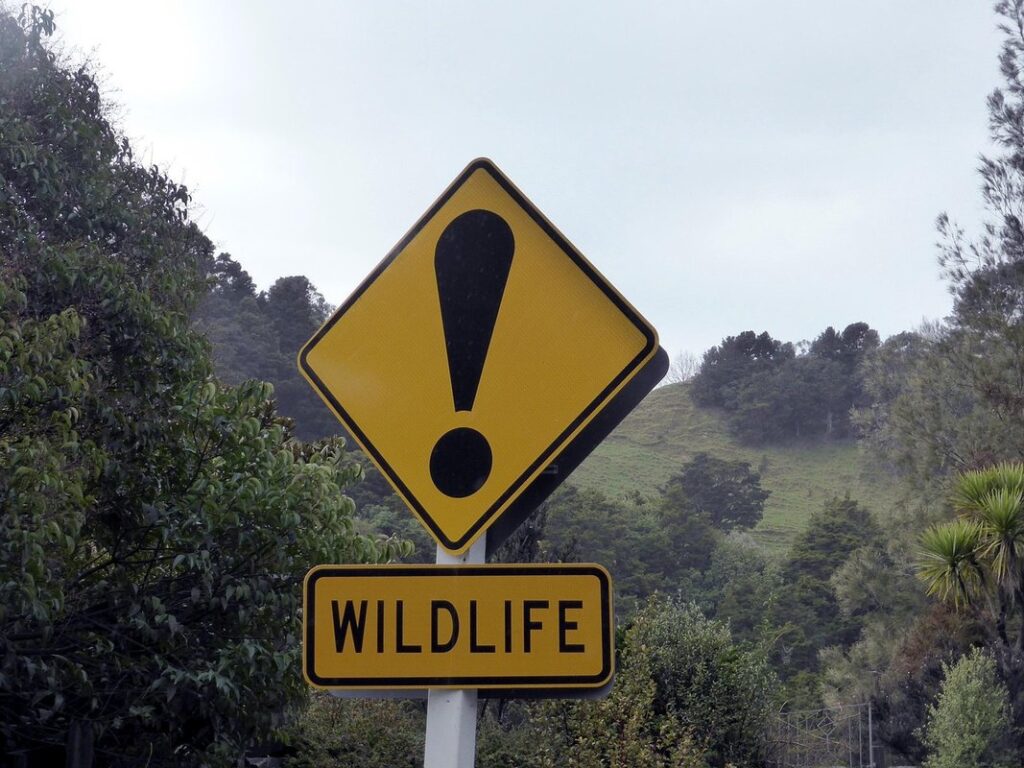
Understanding the Basics of Wildlife Sign Identification
Learning to identify wildlife signs is a fundamental skill for outdoor enthusiasts, and understanding the basics is essential for recognizing tracks, scat, and other signs left behind by animals. It’s where your journey in sign identification begins.
What is Wildlife Sign?
Wildlife sign is a broad term that encompasses all evidence left behind by animals in their natural habitats. This can range from simple signs like tracks and scat to more complex structures such as nests and burrows. Each type of wildlife sign provides valuable information about the animal’s behavior, habitat use, and ecology.
To identify these signs effectively, it’s essential to understand that they are shaped by various factors, including the animal’s diet, movement patterns, and environmental conditions. For example, a carnivore’s scat will likely contain the remains of its prey, whereas an herbivore’s droppings may consist mainly of plant material.
When observing wildlife signs in the field, consider the context in which they occur. This might involve taking note of the surrounding vegetation, terrain features, and any other environmental factors that could influence sign creation or preservation. By combining this contextual information with knowledge about specific animal behaviors, you can begin to piece together a more comprehensive picture of the local wildlife community.
Importance of Wildlife Sign Identification
Understanding wildlife sign can have a significant impact on various aspects of conservation and research. For instance, recognizing signs left behind by animals can aid in tracking populations and understanding their movements. This knowledge is crucial for effective conservation efforts, as it enables policymakers to develop targeted strategies for protecting species and their habitats.
Moreover, analyzing wildlife sign provides valuable insights into animal behavior, allowing researchers to study the habits of different species without disrupting their natural patterns. By examining the signs left behind, scientists can gain a deeper understanding of an animal’s diet, habitat preferences, and social structures.
In practical terms, identifying wildlife sign can also inform land-use decisions and management practices. For example, recognizing areas where animals are congregating or feeding can help guide sustainable agriculture practices or habitat restoration efforts. By applying this knowledge, we can work towards preserving biodiversity and promoting coexistence with wildlife in various ecosystems.
Types of Wildlife Sign
Wildlife sign comes in many forms, including tracks, scat, nests, and other physical evidence left behind by animals. Let’s take a closer look at these different types.
Track Identification
When identifying tracks, it’s essential to note that different species have unique foot shapes and sizes. The size of a track can be an indicator of the animal’s body mass, with larger animals producing larger tracks. For example, a moose track can measure up to 6 inches long and 4 inches wide, while a deer track is typically smaller, around 2-3 inches long.
To accurately identify a track, look at the shape of the foot, including the number of toes and any distinctive features such as claw marks. Some animals, like bears, have five distinct toes with large claws, whereas dogs have four toes with smaller claws. Track shape can also indicate movement patterns – for instance, cats are known to have flexible feet that leave a shallow impression.
When examining a track, consider the surrounding environment and any other signs of wildlife activity in the area. This can help you narrow down the possible species responsible for creating the tracks. Keep in mind that tracks can be worn or distorted over time due to weather conditions or human activity, so it’s essential to look for fresh impressions whenever possible.
Scat Identification
Scat can be a valuable tool for identifying specific species, understanding their diet, and even assessing their health status. When analyzing scat, consider factors such as size, shape, color, and texture to narrow down the possible species responsible.
Different species produce distinct scat types due to variations in their diets and gut anatomy. For example, carnivores tend to have smaller, more compact scats, whereas herbivores often produce larger, more voluminous droppings. Be aware that these general patterns can be influenced by factors like age, sex, and overall health.
When examining scat, look for visible signs of digestion, such as partially digested seeds or plant matter. This can indicate the presence of specific plants in a particular area or the species’ dietary habits. Note any unusual characteristics, like a strong odor or distinctive coloration, which may be indicative of specific pathogens or parasites.
To properly identify scat, it’s essential to collect and store samples carefully. Use gloves to prevent contamination, and consider using a sealable container or bag for storage. Record observations about the sample’s appearance, location, and any notable features. This information can help inform further research or identification efforts.
Plant Signs
When it comes to tracking wildlife, plant signs can be just as telling as animal tracks themselves. In this part of our guide, we’ll explore how to identify and interpret these important clues.
Herbivory and Grazing Marks
Herbivores leave behind distinct signs on plants, such as gnaw marks, nibbled leaves, and broken branches. To recognize these signs, look for areas where vegetation is being systematically eaten or damaged. Gnaw marks are often circular or oval-shaped and may be accompanied by a slight indentation of the bark.
When examining plant stems and branches, note whether they are cleanly cut or snapped off with a rough edge. Herbivores like deer and elk typically have a preference for tender shoots and leaves, so look for areas where these have been preferentially eaten. Broken branches often indicate that an herbivore has used its teeth to grasp and tear the wood.
Grazing marks can also be indicative of large herbivore presence. These marks are typically irregular in shape and may involve a combination of biting and tearing actions. When observing grazing marks, consider the size and pattern of the damage, as well as any accompanying signs like scat or track marks nearby. By paying attention to these details, you can gain a better understanding of which herbivores have been using an area for food.
Pollinator Signatures
Pollinators like bees and butterflies can be identified by the damage they cause to flowers. When examining a plant with pollinator sign, look for characteristic patterns of flower damage. Bees often remove entire petals or pieces of them to gather nectar, leaving behind irregularly shaped holes. Butterflies may also feed on nectar, but their sipping action typically leaves behind small, droplet-shaped spots.
Some plants are more prone to pollinator damage than others. For example, flowers with long, tube-like shapes like honeysuckle or fuchsia tend to attract bees. Delicate, petal-less blooms like clematis and lavender often get visited by butterflies. By noting the type of plant and the extent of flower damage, you can make an educated guess about which pollinators have been present.
Keep in mind that multiple species may visit the same plant, making it challenging to pinpoint a single pollinator. However, observing patterns and frequencies of damage over time can help you build a more accurate picture. Consider factors like flower size, color, and scent when trying to identify pollinators through their sign.
Animal Signs
When it comes to tracking wildlife, recognizing animal signs is a crucial skill. In this section, we’ll cover the unique characteristics of various animal tracks and signs.
Burrows and Digging Marks
Burrows are often a sign of larger mammals such as badgers, groundhogs, and rabbits. These animals dig complex networks of tunnels and dens using their powerful front legs and sharp claws. Look for signs of burrowing activity on hillsides, near water sources, or in areas with dense vegetation.
When identifying burrow entrances, note the size and shape of the opening. Badger burrows typically have a narrow entrance tunnel leading to a larger chamber, while groundhog burrows often have multiple entrances and exits. The surrounding soil may be disturbed, with roots and vegetation pushed aside to create a clear path.
Digging marks can also indicate the presence of certain animals. For example, deer leave behind scrape marks on tree trunks or rocks as they rub their faces against these surfaces. These marks are usually oval in shape and about 6-8 inches long. Other animals, such as horses and donkeys, may create similar digging marks as they seek to scratch an itch or relieve tension.
When examining burrows and digging marks, consider the surrounding environment and look for additional signs that might indicate the presence of a particular species.
Nests and Roosting Sites
Nests and roosting sites are crucial for understanding animal behavior and habitat use. Identifying these structures can reveal a wealth of information about the animals that inhabit an area. For example, the type of nest or roosting site can indicate the species’ preference for certain vegetation, microhabitats, or shelter types.
In forests, look for characteristic nesting sites such as bird’s nests in shrubs or tree cavities, while in grasslands, observe the presence of rabbit warrens or bird nests on the ground. Even small signs like scratched branches or bent twigs can indicate a roosting site.
When searching for nests and roosting sites, pay attention to vegetation height and density, as well as the presence of debris or scattered plant material. Keep in mind that some species may reuse nests over multiple years, so look for patterns in nest construction or location.
To identify a roosting site, observe signs of animal activity at dusk or dawn when animals are most active. Look for characteristic behavior such as birds flying to their roosts or mammals returning to their dens.
Advanced Wildlife Sign Identification
Advanced wildlife sign identification requires a keen eye for detail, and this section will walk you through some of the more challenging signs to spot. From hoof prints to scat, we’ll cover it all in this expert guide.
Microscopic Signs
Hair can be especially challenging to identify due to its varied structure and texture. Deer hair, for example, is typically coarse and brown, while rabbit hair tends to be finer and often has a lighter color. Feather fragments are another common microscopic sign that can provide valuable clues about the presence of birds in an area. These fragments can often be identified by their shape, size, and coloration.
Scales from reptiles or amphibians can also leave behind tiny impressions or pieces that are visible under magnification. In areas where these animals are known to inhabit, it’s not uncommon for researchers to find scale impressions on tree bark, rocks, or other surfaces.
When collecting microscopic signs like hair or feather fragments, it’s essential to handle them gently to avoid damaging the evidence. This can be achieved by using a soft-bristled brush or a small, clean tool to carefully sweep up the fragments and place them in an envelope for further examination.
Fossilized Signs
Fossils can provide valuable information about ancient wildlife habitats and ecosystems. When examining fossilized signs, look for impressions of tracks, scat, or other animal activity preserved in rock formations. These fossils often retain detailed characteristics such as shape, size, and texture, making them ideal for identification.
In particular, track fossils can reveal insights into the locomotion patterns of ancient animals. For example, fossils of hadrosaur footprints discovered in North America’s Hell Creek Formation show a gait similar to that of modern waterfowl. Similarly, scat fossils have been found in the same formation, offering clues about the diet and digestive system of these prehistoric creatures.
To identify fossilized signs, consider the following factors: the type of rock or sediment in which they were preserved, the presence of other fossilized plant or animal remains, and the overall context in which they were discovered. Consulting with a paleontologist or geologist can also provide valuable expertise in interpreting these ancient signs. By examining fossilized signs, you can gain a deeper understanding of how past ecosystems functioned and what species inhabited them.
Regional Variations in Wildlife Sign
Wildlife sign can vary significantly from one region to another, depending on local ecosystems and climate. Understanding these regional differences is essential for accurate identification.
Climate-Dependent Signs
In regions with harsh winters, snow tracks can provide valuable insights into the behavior and movement patterns of certain species. For instance, wolves and coyotes often leave distinct track impressions in fresh powder, while larger ungulates like deer and elk may create deeper, more sprawling tracks that can be used to estimate their size and weight. In arid or desert environments, sand impressions can serve as a vital sign of animal presence, particularly for species like felines and canines that prefer sandy substrates.
To accurately identify climate-dependent signs, it’s essential to have a basic understanding of regional climate conditions. This includes knowing the typical temperature ranges, precipitation patterns, and seasonal changes in your area. For example, if you’re searching for tracks in an area with frequent snowfall, look for areas with consistent snow cover or where the snow is likely to remain longest.
When examining these signs, pay attention to the surrounding terrain and any environmental factors that may have influenced their formation. Note the consistency of the track impressions, as well as any associated sign such as digging marks or scat. By considering both the climate-dependent nature of the sign and its context within the environment, you’ll be better equipped to accurately identify and interpret the signs left behind by wildlife.
Habitat-Specific Signs
Different habitats produce unique signs shaped by their environment. For example, coastal areas are marked by salt-encrusted tracks and scat, while arid regions feature faint, sandy impressions. In tropical rainforests, the dense undergrowth creates a challenging environment for sign detection, but experienced trackers can still identify subtle patterns of crushed vegetation.
In aquatic habitats, signs may be submerged or washed away quickly, requiring specialized techniques to detect them. Freshwater environments often exhibit signs of fish and other aquatic animals, such as scratched logs or disturbed sediment around water’s edge. In contrast, marine habitats display unique signs like shell remains, seaweed impressions, or tracks on sandy beaches.
When searching for habitat-specific signs, consider the local climate and vegetation. Look for adaptations that animals have made to their environment, such as burrows in rocky outcroppings or nests in tree cavities. Pay attention to subtle changes in terrain, like depressions or ridges, which can indicate animal activity. By recognizing these unique features, you’ll improve your chances of detecting and interpreting habitat-specific signs.
Conclusion and Future Directions
Now that you’ve learned how to identify various types of wildlife signs, let’s discuss what’s next for your newfound skills.
Putting It All Together
To become proficient in identifying wildlife sign, you need to combine theoretical knowledge with hands-on observation skills. This guide has provided a comprehensive overview of the various types of signs, from tracks and scat to plant marks and animal burrows. However, true proficiency requires practice and patience.
When observing potential signs, remember that context is crucial. Consider the habitat, climate, and time of year when interpreting what you see. For example, a fresh deer track in a forest may indicate recent activity, but a similar track in a grassland might be from an older sign.
To put this knowledge into practice, try to identify at least one type of wildlife sign per week. Start by selecting a specific species or habitat and focusing on the associated signs. Over time, your skills will improve as you become more familiar with the different types of marks and how they relate to their environment.
Regularly practicing observation and identification will help you develop a keen eye for detail and increase your chances of accurately interpreting wildlife sign.
Future Research Opportunities
The field of wildlife sign identification is on the cusp of significant advancements with the emergence of new technologies and methods. Drones equipped with high-resolution cameras are being used to survey large areas, allowing researchers to detect and analyze signs that would be impossible to identify manually. Machine learning algorithms can now be trained to recognize patterns in sign morphology, enabling more accurate classification and analysis.
These tools hold great promise for improving our understanding of wildlife behavior and ecology. For example, detailed examination of scat morphology using advanced microscopy techniques has provided insights into the dietary habits of specific species. Similarly, 3D scanning technology is being applied to create digital models of tracks, allowing researchers to study track morphology in unprecedented detail.
The integration of these new methods with existing approaches will undoubtedly lead to a more comprehensive understanding of wildlife sign and its significance for conservation efforts. Researchers should explore ways to combine traditional observation skills with cutting-edge technologies to gain a deeper understanding of the complex relationships between signs and their environment.
Frequently Asked Questions
How to Apply Wildlife Sign Identification in Real-World Conservation Efforts
When working on the ground with conservation teams, how can I practically apply the knowledge gained from this guide to inform our efforts?
Yes, you can definitely apply wildlife sign identification skills to real-world conservation projects. For instance, by using track identification to monitor species populations or scat analysis to determine diet and health status. This information can then be used to inform habitat management decisions, improve resource allocation, and enhance overall conservation outcomes.
What if I’m Not an Expert in Tracking or Wildlife Biology – Can Anyone Learn?
Is it possible for someone without a background in wildlife biology or tracking to learn about wildlife sign identification?
Yes, with practice and patience, anyone can develop the skills needed to identify basic signs. Start by focusing on common signs like tracks and scat, then gradually move on to more complex ones. You can also take online courses, attend workshops, or join local conservation groups to gain hands-on experience.
How Do I Handle Different Weather Conditions When Tracking?
What if it’s raining or very dry – how do weather conditions affect track visibility?
Track visibility can indeed be affected by weather conditions. In rainy weather, tracks may be more visible due to the moisture, but they can also become distorted or washed away. In hot and dry conditions, tracks can become less visible as they dry out quickly. When tracking in variable weather, it’s essential to be aware of these factors and adjust your search strategies accordingly.
Can I Use Wildlife Sign Identification in Urban Areas?
Is there any value in looking for wildlife signs in cities or towns?
Yes, even in urban areas, wildlife sign identification can still provide valuable insights into local ecosystems. For example, analyzing scat or track patterns in parks or green spaces can reveal the presence of certain species and inform management decisions to create more wildlife-friendly environments.
How Do I Know When I’ve Successfully Identified a Sign?
What are some indicators that I’m correctly identifying a particular sign, rather than just guessing?
You can be confident you’ve identified a sign when you’re able to match it with a known pattern or characteristic from your training. Pay attention to details like shape, size, and texture, and consult reference materials or experts if needed.