
When browsing through Yixing teapots, you may have noticed small markings or stamps on the base or body of the vessel. These marks are not just decorative; they carry significant information about the pot’s authenticity and value. In China, a country steeped in tea culture, Yixing teapot makers’ marks have become an essential aspect of tea appreciation. Not only do these marks confirm a pot’s origin, but they also determine its monetary worth. Unfortunately, deciphering these markings can be a daunting task for even the most seasoned collectors. To help you unlock the secrets of your Yixing teapot, this article will explore what these makers’ marks mean and how to distinguish between authentic and fake pots. By the end of this guide, you’ll know how to identify valuable teapots and understand their historical significance in Chinese tea culture.
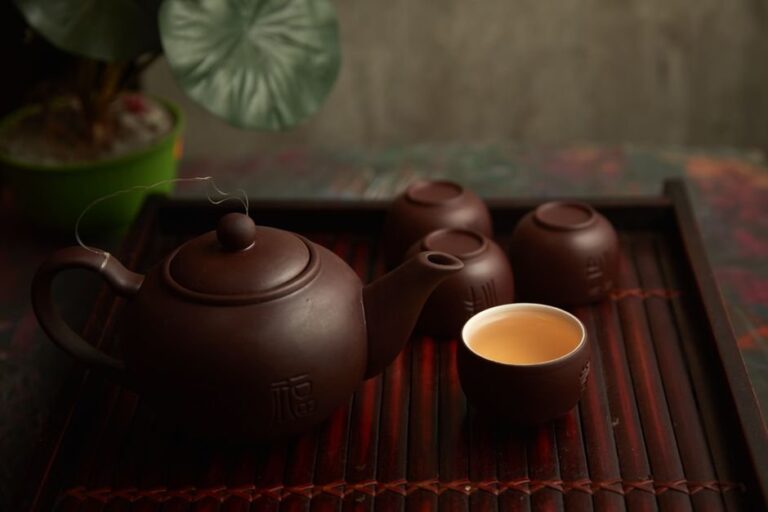
The Significance of Makers Marks in Yixing Teapots
The makers mark is more than just a signature on your yixing teapot, it’s a key to understanding its history and craftsmanship. We’ll explore what makes each mark unique and valuable.
Understanding the Purpose of Makers Marks
Makers marks on Yixing teapots serve a crucial purpose beyond their aesthetic appeal. They are a vital indicator of authenticity, allowing collectors and enthusiasts to verify the identity and craftsmanship of the potter. A makers mark is essentially a signature that certifies the teapot’s origin, quality, and value.
Each maker has their unique style and technique, reflected in the way they apply the marks. Some makers use bold strokes, while others opt for subtle designs. The placement and size of the marks also vary, often dependent on personal preference or regional traditions. For instance, some makers prefer to place their mark near the base of the teapot, while others position it towards the spout.
When examining a Yixing teapot, pay attention to the materials used for the marks, as they can provide insight into the maker’s skill level and attention to detail. A skilled craftsman will often use the same materials throughout their work, including for the makers mark. This consistency is essential in verifying authenticity and appreciating the craftsmanship that goes into each teapot.
Types of Makers Marks Found on Yixing Teapots
Official stamps are a common type of maker’s mark found on Yixing teapots. Issued by the local government and stamped onto the teapot at various stages of production, these marks guarantee that the teapot meets quality standards and has been made from authentic materials. Official stamps often include a series number or production date.
Some makers opt to sign their name directly onto the teapot. These signatures can range from simple brushstrokes to intricate calligraphy. Some collectors view signed teapots as more valuable due to their unique authenticity.
Less common, but equally important, are other forms of identification found on Yixing teapots. This may include symbols or characters denoting the maker’s family name or ancestral lineage. Other times, a small inscription will detail specific production techniques used in crafting the teapot.
History of Yixing Teapot Makers Marks
Yixing teapots have a rich history, and understanding their makers’ marks is key to appreciating these beautiful pieces. In this section, we’ll explore the evolution of Yixing teapot makers’ marks over time.
The Evolution of Makers Marks Over Time
Over time, Yixing teapot makers marks have undergone significant changes, reflecting the evolution of craftsmanship and artistic expression. During the Qing dynasty (1644-1912), makers marks were often simple and straightforward, featuring a few characters that identified the potter’s name or workshop. These early marks were typically written in seal script, which added to their elegance and sophistication.
As the Ming dynasty gave way to the Qing, makers marks began to incorporate more intricate designs and motifs. Potters started using specialized seals, such as the “Yongzheng seal,” named after one of China’s most famous emperors. These seals featured intricate patterns and symbols that not only added beauty but also served as a guarantee of authenticity.
During the Republican era (1912-1949), makers marks continued to evolve, with many potters adopting more modern styles. Some notable Yixing teapots from this period feature bold, graphic designs that showcase the maker’s skill and creativity. Collectors should be aware that these later marks often lack the historical significance of their earlier counterparts but can still command a high price due to their beauty and rarity.
Some makers marks from the Republican era have even become iconic symbols of Yixing teapot craftsmanship.
Influences on Makers Marks: Dynasties and Eras
The development of Yixing teapot makers marks was significantly influenced by various dynasties and eras throughout Chinese history. During the Ming dynasty (1368-1644), potters began to adopt more distinctive and intricate marks, often featuring auspicious motifs and imperial seals. This period saw the rise of renowned potter families, such as the Guan family, who produced teapots with elaborate marks that reflected their status.
The Qing dynasty (1644-1912) brought about a shift towards more standardized and simplified marks, which were often stamped or carved onto the teapot’s base. This era also saw the introduction of new materials and techniques, such as the use of glaze and underglaze decorations. The Qianlong emperor, in particular, was known for his love of fine ceramics and encouraged the development of Yixing teapots with exquisite marks.
The early 20th century saw a resurgence in interest in traditional Yixing craftsmanship, with many potters reviving classic marks and techniques. This revival was driven in part by the efforts of collectors and enthusiasts who sought to preserve China’s cultural heritage. Today, collectors and connoisseurs continue to seek out teapots with authentic marks from these influential eras.
Deciphering Makers Marks: A Guide for Collectors
Understanding yixing teapot makers marks is crucial to authenticating and appreciating these Chinese treasures, and deciphering their secrets can be a fascinating process. Let’s start by examining the unique characteristics of these marks.
Identifying Authenticity through Makers Marks
When examining a Yixing teapot, collectors often rely on its makers mark to verify authenticity. A well-crafted makers mark can serve as a visual signature, distinguishing genuine pieces from reproductions or forgeries. Look for marks that are intricately carved or stamped with precision, typically found on the base or underside of the teapot.
A reputable maker’s mark should be consistent in style and execution throughout their body of work. Familiarize yourself with specific makers’ styles to develop your eye. For instance, a particular potter may favor bold, flowing characters, while another might use more minimalist, elegant marks.
To further verify authenticity, research the artist and their reputation among collectors. Check for documentation or certificates of origin that confirm the teapot’s provenance. When inspecting the makers mark itself, examine its material, texture, and coloration. Legitimate marks are often made from a contrasting material, such as metal or ceramic, to ensure visibility.
When purchasing a Yixing teapot, insist on seeing documentation or certification of origin. This can help establish the maker’s identity and authenticity of the piece.
Advanced Techniques for Dating and Valuing Teapots
When examining makers marks on Yixing teapots, collectors often focus on identifying authenticity and verifying a piece’s provenance. However, advanced techniques for dating and valuing these teapots take into account various subtleties within the mark itself. One key aspect is the study of seal combinations – specific arrangements of characters or motifs that can indicate a particular time period or region. For instance, the pairing of a certain clan character with a specific wave motif may be unique to the late Qing dynasty.
In addition to seal combinations, experts also consider the font style and size used in the mark. Changes in these elements over time can provide clues about a teapot’s age. Furthermore, some marks feature a series of characters or numbers, which can indicate the piece was produced for a specific market or trade route.
When evaluating a teapot with an intricate makers mark, collectors should look for these subtle nuances and consider them alongside other factors such as the material quality, glaze type, and overall craftsmanship.
Notable Makers Marked Yixing Teapots
Many of China’s renowned yixing teapot makers have their own distinctive marks, which can greatly affect a teapot’s value and authenticity. Let’s take a closer look at some of these notable maker’s marks.
Famous Potters and Their Marks
Among the most celebrated Yixing teapot makers are Guan Qifeng and Guan Weixin, father-son duo renowned for their exquisite craftsmanship. Their marks often feature a combination of seal scripts and brushstrokes, reflecting their unique style. Notably, Guan Qifeng’s mark typically includes the character “” (qifu) meaning “Qifu,” while his son’s signature features an added stroke to indicate the passing down of skills.
Another notable pottter is Zhu Changwen, a master craftsman from the early 20th century. His marks are characterized by bold, expressive brushstrokes and often include the character “” (zhu) signifying “Zhu” as his surname. Collectors should be aware that reproductions of these marks can appear on modern teapots, so it’s essential to verify authenticity through other means.
The Guan family’s legacy continues with contemporary potters like Guan Xiaohua and Guan Hong, who carry on their ancestors’ traditions. Their marks often blend traditional techniques with innovative designs, making them highly sought after by collectors. When examining the marks of these renowned potters, look for distinctive characteristics such as seal scripts, brushstrokes, or specific characters that signal their craftsmanship and heritage.
Rare and Valuable Teapots with Exceptional Makers Marks
Some of the rarest and most valuable Yixing teapots are those featuring exceptional makers marks. One such example is the “Lotus Pond” teapot created by renowned potter, Ding Yi, during the Qing dynasty. This teapot boasts an intricate maker’s mark on its base, showcasing Ding Yi’s signature style and skill. The mark features a small lotus flower surrounded by delicate calligraphy, indicating the potter’s name and the date of creation.
Another notable example is the “Dragon and Phoenix” teapot crafted by the celebrated potter, Zhu Xi, in the early 20th century. This teapot’s maker’s mark is particularly striking, with a large dragon and phoenix emblazoned on its side. The mark not only signifies the potter’s name but also his mastery of intricate design.
When collecting Yixing teapots, look for these exceptional makers marks as indicators of a piece’s rarity and value. These marks can significantly impact a teapot’s price and desirability among collectors. For instance, a rare Ding Yi teapot with an excellent maker’s mark could fetch tens of thousands of dollars at auction.
The Role of Makers Marks in Yixing Teapot Appreciation
Learning to decipher yixing teapot makers marks can elevate your appreciation and understanding of these exquisite tea vessels, opening up a world of nuance. Let’s examine the significance of these markings in more detail.
How Makers Marks Enhance the Collecting Experience
Understanding makers marks can be a game-changer for Yixing teapot collectors. It allows you to appreciate the craftsmanship and heritage behind each piece. A maker’s mark is more than just an identifier – it provides insight into the potter’s skills, techniques, and even their identity.
When you hold a teapot with a clear, well-crafted maker’s mark, you’re not just admiring its beauty; you’re connecting with the person who made it. This connection enriches your experience as a collector. You can research the potter’s reputation, their place in Yixing’s tea-making history, and even learn about their family traditions.
The presence of a maker’s mark also adds value to the teapot itself. A well-documented maker’s mark can significantly increase its worth, both financially and culturally. For instance, a rare example with an exceptional maker’s mark might be deemed a national treasure in China.
To fully appreciate this aspect, familiarize yourself with common makers marks found on Yixing teapots. Look for patterns, characters, or symbols that indicate the potter’s origin, skill level, and era. By doing so, you’ll develop a deeper understanding of your collection and be able to share its significance with others.
Caring for and Preserving Makers Marked Teapots
Proper care and preservation of makers marked teapots require attention to detail and a gentle hand. First, ensure the teapot is completely dry before storing it. A damp environment can cause mineral deposits to form on the surface, obscuring the maker’s mark. Store the teapot in a cool, dry place away from direct sunlight.
To prevent fading or discoloration, avoid placing makers marked teapots near heating vents or radiators. Exposure to extreme temperatures can damage the glaze and compromise the authenticity of the mark. Clean your makers marked teapot by hand with mild soap and warm water; avoid using abrasive materials or harsh chemicals that may damage the glaze.
When displaying a makers marked teapot, consider using a cushioned base to prevent scratches and chipping. This is especially important if you plan to display the teapot frequently. Regularly inspect your makers marked teapot for signs of wear and tear, such as cracks or fading, which can impact its value.
To maintain the integrity of the maker’s mark, avoid exposing your teapot to extreme changes in humidity or temperature. Most importantly, handle your makers marked teapot with care to prevent accidental chips or cracks that could compromise its authenticity and value.
The Future of Yixing Teapot Makers Marks: Trends and Developments
As we explore the rich history of yixing teapots, it’s fascinating to see how modern makers are innovating while staying true to traditional techniques. Emerging trends in craftsmanship and design are shaping the future of these iconic vessels.
Emerging Potters and New Techniques
In recent years, a new generation of potters has emerged in Yixing, bringing innovative techniques and fresh perspectives to traditional teapot making. One notable trend is the increased use of hand-carved designs, which not only add visual interest but also highlight the artisan’s skill and craftsmanship. For example, Zhang Wenxin, a young potter from Yixing, has gained recognition for his intricate carvings that depict scenes from Chinese mythology.
Another development is the introduction of new materials, such as celadon-glazed clay, which offers improved durability and resistance to thermal shock. This allows potters to experiment with larger sizes and more complex designs without compromising the teapot’s performance. Some collectors have expressed concerns about the authenticity of these new techniques, but experts argue that they can enhance the overall quality and longevity of the teapots.
As Yixing’s traditional craftsmanship faces challenges from mass production and urbanization, it is heartening to see emerging potters pushing boundaries while staying true to their heritage. For those interested in collecting or investing in Yixing teapots, understanding these new trends can help navigate the market and identify potential gems.
Challenges and Opportunities in Preserving Traditional Craftsmanship
Traditional craftsmen in Yixing face several challenges that threaten their unique techniques and marks. One major challenge is the increasing cost of raw materials, particularly high-quality clay, which can be difficult to source locally. This has led some artisans to experiment with alternative materials or adjust their production methods, potentially altering the character of their teapots.
Another significant challenge is the erosion of traditional skills due to a lack of apprenticeships and formal training programs for young potters. Without guidance from experienced masters, new generations are not learning the intricacies of hand-carving, glazing, and other techniques that define Yixing teapot makers marks.
Despite these challenges, opportunities exist for innovation and preservation. Some artisans are embracing sustainable practices, such as using locally sourced materials and reducing waste in their studios. Others are exploring collaborations with international artists or designers to create unique fusion pieces that appeal to a broader market while still honoring traditional techniques. By supporting these efforts, collectors can help ensure the continued evolution of Yixing teapot makers marks while preserving the essence of China’s finest teapots.
Frequently Asked Questions
Can I use a makers mark as proof of authenticity in all cases?
Yes, but it’s essential to consider the context and verify other factors such as the teapot’s materials, craftsmanship, and documentation. A single makers mark may not be enough to guarantee authenticity, especially for rare or valuable pieces.
How do I care for a Yixing teapot with an exceptional makers mark without damaging it?
When caring for a Yixing teapot with an exceptional makers mark, use gentle cleaning methods and avoid exposure to harsh chemicals or extreme temperatures. Dry the teapot thoroughly after washing, and store it in a cool, dry place to prevent damage.
Can I replicate a makers mark on my own Yixing teapot to increase its value?
No, attempting to replicate a makers mark is considered counterfeit and can severely decrease the teapot’s value. Instead, focus on developing your skills as a potter or seeking out authentic, marked pieces from reputable sources.
What if the makers mark on my Yixing teapot is worn or partially illegible – does that affect its authenticity?
If the makers mark is worn or partially illegible, it may still be possible to verify authenticity through other means such as documentation, expert appraisal, or examination of the teapot’s materials and craftsmanship. In some cases, a worn or damaged mark may even increase the teapot’s value due to rarity or historical significance.
Can I use a makers marked Yixing teapot for everyday brewing if it’s rare and valuable?
While a makers marked Yixing teapot is certainly a valuable collector’s item, using it regularly can damage its value. Instead, consider displaying the teapot as a decorative piece or using a similar, less valuable teapot for everyday brewing to preserve the condition of your prized possession.