
Yowah nut opal is one of the most sought-after gemstones in the world, and for good reason. This rare and exquisite stone has been captivating collectors and enthusiasts alike with its unique characteristics and exceptional beauty. But what makes yowah nut opal so special? From its origins deep within Australia’s Outback to its current market trends, there’s a lot to uncover about this enigmatic gemstone. As an expert in the field, I’ll take you on a journey through the fascinating world of yowah nut opal, exploring its history, geology, and cultural significance. Whether you’re a seasoned collector or just starting to explore the world of opals, this article will provide you with valuable insights into the latest trends and expert opinions on this highly prized gemstone. Get ready to discover why yowah nut opal is truly one of a kind.
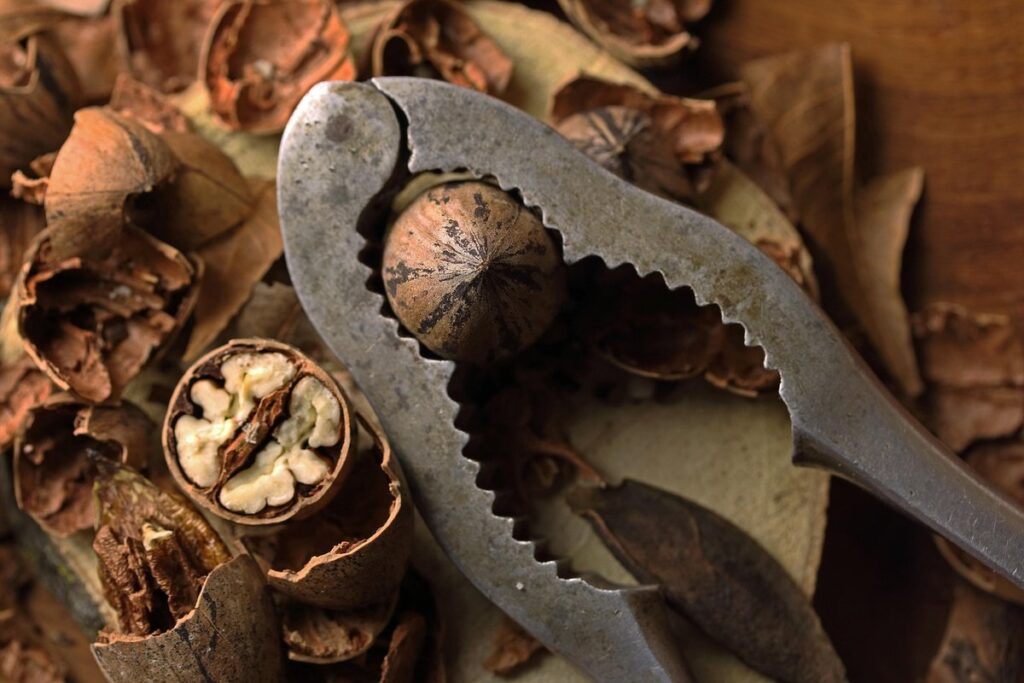
What is Yowah Nut Opal?
Yowah nut opal is a rare and unique type of opal that gets its name from the town of Yowah in Queensland, Australia. Let’s dive into what makes this gemstone so special.
Definition and Origins
Yowah nut opal is a unique and captivating type of opal that forms in a specific geological setting. To understand what makes yowah nut opal so special, it’s essential to know its definition and origins.
In the opal world, yowah nut opal is defined by its distinctive rounded or “nut”-shaped formation. This shape is a result of the way the silica gel that forms opal settles and crystallizes within the rock. The rounded shape gives yowah nut opal a smooth appearance, unlike other types of opals that may have more irregular shapes.
Yowah nut opal is primarily found in Australia’s Queensland region, particularly in the town of Yowah where it gets its name from. This type of opal forms when silica-rich water flows through underground rock formations, depositing tiny particles that gradually build up over time to create the distinctive rounded shape.
The unique geological setting required for yowah nut opal formation is a result of millions of years of tectonic activity and weathering processes in the region. This setting allows for the specific combination of water flow, silica deposits, and mineral-rich soil needed for yowah nut opal to form.
Key Characteristics
One of the most distinctive features of yowah nut opal is its unique appearance. Unlike other types of opals, which can display a wide range of colors and patterns, yowah nut opal is characterized by a dark body tone, often ranging from black to dark brown. This base color provides a striking contrast to the iridescent flashes that dance across its surface. The pattern typically resembles a mixture of greens, golds, and reds, evoking images of the Australian outback.
In terms of hardness, yowah nut opal rates around 5.5-6.5 on the Mohs scale, making it slightly softer than some other types of opals. While this means that it may be more prone to scratches or damage, many consider the risk worth taking for its unique beauty.
Yowah nut opal is also an exceptionally rare gemstone, found primarily in a limited area of Queensland, Australia. Its scarcity contributes significantly to its allure and value, making each piece truly one-of-a-kind.
Types of Yowah Nut Opal: Classifications and Rarity
Yowah nut opal comes in a variety of classifications, each with its own unique characteristics and rarity. Let’s dive into the different types you can expect to encounter.
Classification Systems
Yowah nut opals are categorized using various classification systems, primarily based on their appearance and characteristics. One widely accepted system is the International Colored Gemstone Association (ICA) gemological report, which examines factors such as body tone, play of color, and pattern type to assign a grading category.
In addition, yowah nut opals can be classified under different mineral compositions, including hyalite, gel quartz, or hydrated silica. This is significant because it helps determine the stability and durability of the stone.
It’s also worth noting that some reputable sellers categorize Yowah Nut Opals using a color-specific classification system (e.g., blue, green, red). While these classifications provide an easy-to-understand way to differentiate between various types of opal, they don’t offer an accurate representation of the stone’s overall quality.
To navigate this complex landscape and make informed purchasing decisions, research reputable sellers who adhere to established grading systems, such as the ICA.
Rare Varieties and Their Value
Yowah nut opal is renowned for its exceptional rarity and uniqueness. Among the rarest types of yowah nut opal are those that feature intricate patterns, vibrant colors, and distinct shapes. These characteristics not only make them highly sought after by collectors but also significantly impact their market value.
The rarity of a yowah nut opal can be attributed to several factors including its formation process, geological location, and quality. For instance, a yowah nut opal that showcases a perfectly symmetrical pattern is far more valuable than one with irregular patterns. Similarly, stones featuring rare colors such as vibrant reds or electric blues are in high demand.
The value of these unique gemstones is not just about their rarity; it’s also about the craftsmanship and expertise required to cut and polish them. The best lapidaries spend years perfecting their skills to bring out the intricate details within these stones, making each one truly a masterpiece. For those looking to invest in rare yowah nut opal, consider working with reputable dealers who can authenticate the stone’s origin and quality.
Properties and Care of Yowah Nut Opal
To ensure your yowah nut opal remains a stunning addition to any jewelry collection, it’s essential to understand its unique properties and how to properly care for these beautiful gemstones. Proper handling is key to maintaining their vibrant colors.
Hardness and Durability
Yowah nut opal is known for its unique characteristics, but one aspect that’s often overlooked is its hardness and durability. Measuring a 6-7 on the Mohs hardness scale, yowah nut opal is relatively soft compared to other gemstones. This means it requires special care when handling or wearing as jewelry.
When it comes to maintenance, avoid exposing your yowah nut opal pieces to harsh chemicals, abrasive cleaners, or excessive heat, which can cause damage or discoloration. To clean yowah nut opal, gently wipe the surface with a soft cloth and mild soap solution. Avoid using ultrasonic cleaners, as they can cause internal fractures.
To ensure your yowah nut opal jewelry remains in good condition, store it separately from other items to prevent scratching or chipping. If you need to clean a large piece of yowah nut opal, consider consulting a professional jeweler or gemologist for guidance.
Sensitivity to Chemicals and Light
Yowah nut opal is known for its unique sensitivity to chemicals and light exposure. When it comes to cleaning these gemstones, it’s essential to avoid using harsh chemicals that can damage their surface. Exposure to water and heat can also cause discoloration or etching on the stone.
To clean your yowah nut opal, gently wipe the surface with a soft cloth and mild soap solution. Avoid soaking the stone in water or exposing it to high temperatures. For tougher stains, mix equal parts of water and white vinegar in a bowl, then gently soak the stone for about 15-20 minutes before rinsing it with cold water.
When it comes to light exposure, yowah nut opal is sensitive to direct sunlight, which can cause fading or discoloration over time. To minimize this risk, place your gemstone away from direct sunlight or display it in a shaded area. Consider using a UV-filtering glass case or acrylic display box if you plan to showcase the stone in a sunny location.
Remember that yowah nut opal is a relatively delicate gemstone. Handle it with care and avoid exposing it to extreme conditions to preserve its beauty and integrity. By taking these precautions, you can enjoy your yowah nut opal for years to come without worrying about damage from chemicals or light exposure.
Jewelry and Fashion Trends: Using Yowah Nut Opal in Designs
When it comes to incorporating yowah nut opal into your jewelry and fashion designs, there are several trends and styles that you can draw inspiration from. Let’s explore some of the most popular ways designers use this unique gemstone.
Design Inspiration
When it comes to designing with yowah nut opal, the possibilities are endless. This unique and iridescent gemstone can add a touch of magic to any piece of jewelry. For instance, consider pairing yowah nut opal with warm-toned metals like gold or bronze for an earthy, bohemian-inspired look. Alternatively, combine it with silver and subtle textures to create a sleek, modern design.
To really showcase the beauty of yowah nut opal, try incorporating it into statement pieces like bold cocktail rings or chunky necklaces. The stone’s play of colors can add visual interest to even the simplest of designs. Consider experimenting with different settings, such as bezels or pendants, to highlight the opal’s unique iridescence.
One trend that’s particularly well-suited for yowah nut opal is the use of mixed-media elements in jewelry design. By combining the opal with other natural materials like wood, bone, or shell, you can create truly one-of-a-kind pieces that reflect your personal style and aesthetic.
Crafting and Setting Techniques
When it comes to working with yowah nut opal, designers and jewelers must consider its unique properties and characteristics. One of the most significant challenges is setting these delicate gemstones securely without compromising their natural beauty.
To begin with, yowah nut opal requires a sturdy yet flexible setting that can withstand daily wear and tear. A high-quality silver or gold alloy, such as 925 sterling silver or 14k gold, is ideal for crafting settings that provide both support and showcase the gemstone’s vibrant colors.
Some key tips to keep in mind when setting yowah nut opal include:
• Using a combination of prong and bezel settings for maximum security
• Choosing a setting style that complements the opal’s natural shape and size
• Avoiding excessive glazing or polishing, which can damage the gemstone’s surface
When crafting with yowah nut opal, designers must also consider its relatively soft hardness rating (5.5-6 on the Mohs scale). To minimize scratches and damage, use techniques such as wire-wrapping or casting to create intricate designs while maintaining a delicate touch.
Proper handling and care of yowah nut opal are equally crucial to preserving their beauty over time. By understanding these nuances and taking extra precautions during the crafting process, designers can unlock the full potential of this enchanting gemstone and create truly stunning pieces that shine with unique beauty.
Market Trends and Value: Buying and Selling Yowah Nut Opal
When buying or selling yowah nut opal, staying informed about current market trends is crucial to making savvy decisions. This section will guide you through navigating these trends and valuing your precious stones.
Market Fluctuations
Market trends play a significant role in determining the value of yowah nut opal. As with any luxury gemstone market, fluctuations in demand and supply can greatly impact prices. For instance, a shortage of high-quality yowah nut opals may drive up prices due to increased competition for available stones.
On the other hand, an oversupply of low-grade material can lead to decreased prices as buyers become more discerning about quality. This is where understanding market trends comes in – being aware of changes in demand and supply can help you make informed purchasing decisions.
To navigate market fluctuations, keep a close eye on reputable dealers, auction houses, and industry publications for updates on yowah nut opal availability and prices. You may also consider investing in lower-grade material when prices are low, with the intention of upgrading or re-selling it later at a higher price point.
Certifying and Authenticating Yowah Nut Opal
When purchasing yowah nut opal, it’s essential to ensure that you’re buying a genuine and high-quality stone. To guarantee this, look for certification from reputable organizations such as the Gemological Institute of America (GIA) or the International Colored Gemstone Association (ICA). These organizations verify the authenticity and natural origin of yowah nut opal.
One key standard to consider is the “Natural Yowah Opal” certificate issued by the Australian Government’s Department of Industry, Science, Energy and Resources. This certification ensures that the stone has been extracted from a specific region in Australia, guaranteeing its natural origin.
To authenticate your yowah nut opal, examine it carefully for signs of inclusions or imperfections. Check if the seller provides documentation or certification from a recognized organization. If you’re purchasing online, be cautious of sellers who claim their stones are certified without providing proof. Always research the seller and read reviews before making a purchase to avoid buying counterfeit or treated yowah nut opal.
In summary, when buying yowah nut opal, always look for certification from reputable organizations to ensure its authenticity and natural origin.
Conclusion: Appreciating the Beauty of Yowah Nut Opal
As we come to the end of our journey through the unique beauty of yowah nut opal, let’s take a moment to truly appreciate its splendor.
Recap of Key Points
In this comprehensive guide, we’ve explored the unique aspects of yowah nut opal, one of the rarest and most beautiful gemstones. You now know that these opals owe their distinct appearance to the way they’re formed, with iron oxide creating a web-like pattern within the stone. This natural process is what sets them apart from other types of opals.
We’ve also discussed the rarity and value of yowah nut opal, with some exceptional pieces fetching high prices at auction. If you’re lucky enough to own one, consider it a treasured heirloom passed down through generations. We’ve covered how to identify authentic yowah nut opal, including the look for a web-like pattern that’s free from any imperfections.
In addition to their beauty and rarity, we’ve touched on the durability of these stones, with proper care they can remain stunning for years to come. By understanding the unique characteristics of yowah nut opal, you’re now equipped with the knowledge to appreciate and cherish this gemstone even more.
Encouraging Further Exploration
As you’ve now gained a deeper understanding of yowah nut opal’s unique characteristics and beauty, we hope that our comprehensive guide has inspired you to further explore the world of this captivating type of opal. With its rarity and exceptional qualities, yowah nut opal is truly a treasure worth delving into.
If you’re fascinated by the stories behind each stone, consider exploring the history of discovery and mining in Australia’s Outback. You might also want to learn more about the specific characteristics that set yowah nut opal apart from other types of opals. For instance, its unique “nut” shape is due to the way it forms in ironstone nodules.
Take your appreciation a step further by researching and learning about the different treatments and care methods for preserving the beauty of yowah nut opal jewelry or specimens. You could also explore how this stone has been used in various artistic expressions, such as jewelry design or sculpture.
Frequently Asked Questions
Can I find yowah nut opal for sale online, or do I need to visit Australia?
Yes, you can find high-quality yowah nut opal for sale online through reputable dealers and gemstone marketplaces. However, be cautious of counterfeit stones and ensure that any online purchase comes with proper documentation and certification.
How do I care for my yowah nut opal to maintain its beauty and longevity?
To keep your yowah nut opal looking its best, avoid exposing it to harsh chemicals or extreme temperatures. Clean the stone regularly using a soft cloth and mild soap solution. Store your opal in a cool, dry place away from direct sunlight.
What’s the typical price range for high-quality yowah nut opal?
The value of yowah nut opal can vary greatly depending on factors like size, color intensity, and rarity. On average, you can expect to pay anywhere from $500 to $5,000 or more per carat for a high-quality yowah nut opal.
Can I set my yowah nut opal in any type of jewelry, or are there specific requirements?
When setting your yowah nut opal in jewelry, it’s essential to use a protective setting that allows the stone to breathe and doesn’t trap moisture. This can help prevent cracking or clouding over time. Consider using a bezel or prong setting with a smooth surface.
How do I verify the authenticity of my yowah nut opal purchase?
To ensure the authenticity of your yowah nut opal, look for certification from reputable organizations like the Gemological Institute of America (GIA) or the International Colored Gemstone Association (ICA). These certifications can provide valuable information about the stone’s origin, quality, and value.