
A Victorian-style mantel can be a breathtaking focal point in any room, its ornate details and intricate carvings adding a touch of elegance that’s hard to match. But designing and installing one that looks stunning and lasts for years isn’t always as straightforward as it seems. For those looking to elevate their home’s ambiance with a beautifully crafted mantel, the process can be overwhelming, especially when considering the unique challenges of incorporating ornate details and carvings into a functional design. This article will walk you through the key elements that make up a classic Victorian-style mantel, from choosing the right materials and designing intricate carvings to installing it with durability in mind. By the end, you’ll be equipped with the knowledge needed to bring this timeless look into your own home, creating a stunning focal point that stands the test of time.
History and Inspiration
The Victorian era was a time of great cultural and architectural change, inspiring many timeless design elements that still influence our homes today. This section will examine the historical context behind the iconic mantel styles.
The Evolution of the Victorian Era
The Victorian era, spanning from 1837 to 1901, was a time of grandeur and opulence in Britain. During this period, various architectural styles emerged, including Italianate, Gothic Revival, and Queen Anne. These styles significantly influenced interior design, with a focus on rich colors, intricate patterns, and ornate details.
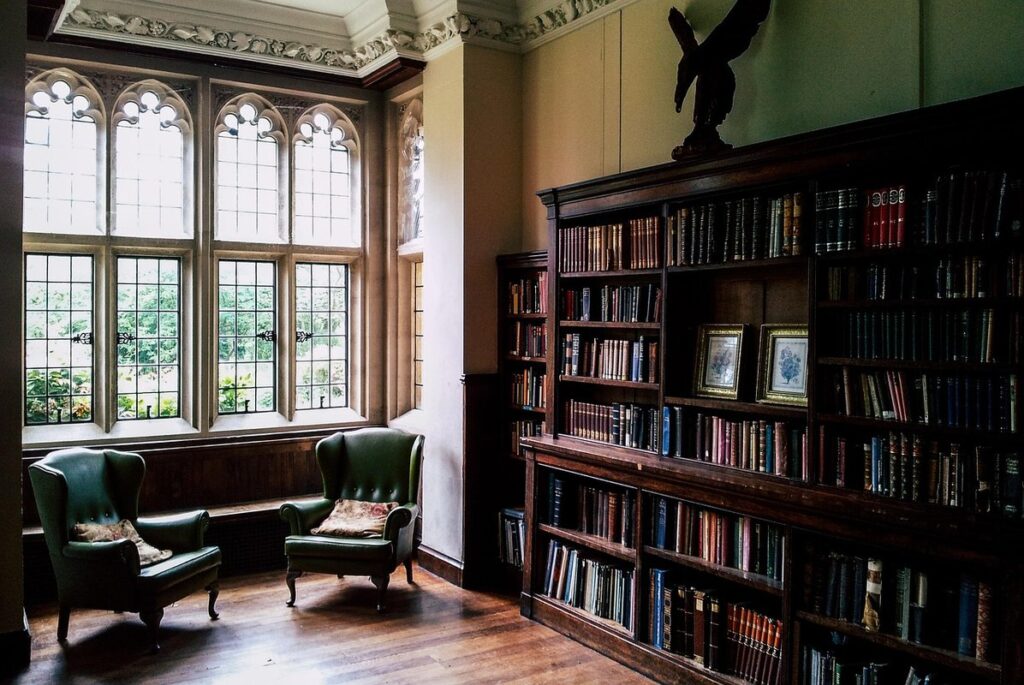
One notable architectural feature of the Victorian era is the use of bay windows, which allowed for more natural light and created a sense of spaciousness. This design element was often incorporated into homes’ interiors through decorative elements such as carved woodwork, moldings, and ornate plaster ceilings. As a result, interior spaces became more elaborate and sophisticated.
In terms of mantel design, the Victorian era’s emphasis on opulence is evident in the use of rich materials like marble, granite, and cast iron. Mantels often featured intricate carvings, ornate details, and carved wooden surrounds, reflecting the era’s love for decoration and ornamentation. By understanding the architectural styles and interior design trends of this era, homeowners can create a cohesive and authentic Victorian-style mantel that complements their home’s existing features.
Key Features of Victorian-Style Fireplaces
A Victorian-style mantel is defined by its ornate details, curved lines, and intricate carvings. One of the most distinctive features of these fireplaces is their use of ornamentation, which often includes carved wooden or stone decorations such as acanthus leaves, scrollwork, and gilded accents. The mantel’s design typically follows a curved line, with some styles featuring a more pronounced S-curve than others.
Intricate carvings are another hallmark of Victorian-style fireplaces. These carvings often depict natural motifs like flowers, foliage, or even mythological creatures. For example, the “Gothic Revival” style features heavily carved wooden mantels with intricate patterns and scrollwork. When choosing a Victorian-style mantel for your home, look for these distinctive design elements to ensure you’re selecting an authentic piece.
The combination of ornate details, curved lines, and intricate carvings creates a rich visual tapestry that adds depth and warmth to any room. By incorporating one or more of these features into your mantel design, you can create a stunning focal point in your home that’s reminiscent of the Victorian era.
Design Considerations
When choosing a Victorian-style mantel, there are several key design considerations that will help you achieve the perfect fit for your home and personal taste. This includes determining the style’s nuances and deciding on details like trim and molding.
Choosing the Right Materials
When it comes to creating a Victorian-style mantel, choosing the right materials is crucial for achieving an authentic look. Oak and walnut are popular wood types used in traditional Victorian mantels due to their rich, dark colors and sturdy grain patterns. However, marble and stone are also excellent choices for adding a touch of elegance and sophistication.
Marble, in particular, was a favorite among Victorians for its luxurious feel and ability to withstand heat from candles and fires. A white or gray marble mantel can add a sense of grandeur to any room, while a black or dark-colored marble can create a dramatic contrast with surrounding decor. Consider pairing your marble mantel with intricate carvings or moldings to emphasize its ornate details.
Stone mantels, on the other hand, offer a more rustic and natural look. Choose from materials like limestone, granite, or slate to add texture and depth to your Victorian-style design. When selecting stone, consider the color palette of your room and choose a finish that complements it. A well-crafted stone mantel can become a stunning focal point in any space.
Color Schemes and Decorative Elements
To truly elevate a Victorian-style mantel, consider the importance of color schemes and decorative elements. The era’s ornate aesthetic is defined by rich, jewel-toned hues, which can be achieved through bold wall paint colors or strategically placed statement pieces.
Metallic accents, such as gold, brass, or copper, are another crucial aspect of a Victorian-style mantel. These metals add warmth and depth to the space, but use them sparingly to avoid overwhelming the design. Consider pairing metallic accents with intricate patterns like carved wooden panels or embroidered fabrics to create visual interest.
Ornate lighting fixtures also play a significant role in completing the look. Opt for chandeliers or sconces with crystal drops or etched glass shades to add an air of sophistication and luxury. Alternatively, consider antique-inspired lanterns or candelabras to bring a touch of old-world charm to the space.
Installation and Maintenance
To ensure a beautiful and long-lasting Victorian-style mantel, understanding the installation process is crucial, as well as learning how to properly maintain it over time.
Preparing the Fireplace Surround
Before installing a new Victorian-style mantel, it’s essential to prepare the fireplace surround. Start by cleaning the area thoroughly with a mixture of soap and water, paying particular attention to any stubborn stains or grime buildup. Remove any old adhesive, dust, or debris from the wall or brickwork using a gentle scrubber.
Next, inspect the surrounding walls for any gaps or cracks that could compromise the structural integrity of your new mantel. Fill these openings with a suitable filler material, such as caulk or joint compound, and smooth it out to create a seamless finish. For more extensive repairs, consider consulting a professional contractor or mason to ensure the work is done correctly.
It’s also crucial to verify that the fireplace surround can support the weight of your new mantel. Check for any signs of damage, decay, or wear on the surrounding brickwork or stonework, and address these issues before proceeding with installation. A stable and secure foundation will not only ensure the longevity of your new mantel but also provide peace of mind during use.
Installing the Mantel Shelf and Decorative Trim
Measure the mantel shelf carefully against the fireplace opening to ensure a proper fit. Mark the wall with a pencil at the top and bottom of the shelf’s location, using a level to maintain perfect alignment. Begin by installing the decorative trim along the edges of the mantel shelf, following the manufacturer’s instructions for adhesive or mechanical fastening methods. Secure the trim firmly in place, checking frequently that it remains level.
For a more polished look, consider pre-drilling screw holes through the trim into the surrounding wall material. This will help conceal any visible fasteners and prevent damage to the decorative finish. Once the trim is secure, attach the mantel shelf itself using screws or brackets specifically designed for this purpose. Double-check that all components are level and plumb before tightening any final fasteners. A slight miscalibration here can lead to a visually unappealing installation, so be diligent in your measurements and adjustments.
Advanced Techniques and Customization
If you’re looking to take your Victorian-style mantel design to the next level, you can achieve intricate details and unique flair through advanced techniques and customization options.
Adding Mouldings and Ornaments
When adding mouldings and ornaments to create a more elaborate Victorian-style design, it’s essential to work with intricate patterns and motifs. This can be achieved through careful selection of materials, such as carved wood or intricately designed metalwork. For instance, consider using acanthus leaves, scrollwork, or florid brackets, which are characteristic of the Victorian era.
To incorporate these elements effectively, start by sketching out your design to visualize how mouldings and ornaments will interact with one another. This will help you identify potential areas for overlap or conflict. You can also use software or consult with a professional designer to ensure that your chosen motifs complement each other.
When working with intricate patterns, prioritize proportion and balance. For example, if using multiple types of moulding, choose those that are roughly equivalent in scale to avoid visual clutter. Similarly, consider the overall texture and color palette: combining too many different textures or colors can create a visually overwhelming effect. By thoughtfully selecting and arranging mouldings and ornaments, you can enhance your Victorian-style mantel’s elegance and sophistication.
Integrating Other Design Elements
When designing a Victorian-style mantel, it’s not uncommon for homeowners to incorporate other design elements to enhance its overall aesthetic and functionality. One common approach is to integrate built-in cabinetry or decorative panels into the mantel itself. For instance, you can add a pair of intricately carved cabinets on either side of the mantel to create a sense of balance and symmetry.
Alternatively, consider installing decorative panels above or below the mantel to add visual interest and depth to the space. A popular choice is to use intricately patterned paneling in a rich wood tone that complements the mantel’s design. When selecting materials for your built-in cabinetry or decorative panels, remember to choose ones that are consistent with the Victorian style’s emphasis on ornate details and rich textures.
Incorporating other design elements requires careful planning to ensure they don’t overwhelm the mantel’s presence in the room. A general rule of thumb is to balance bold or eye-catching features – like built-in cabinetry or decorative panels – with more understated elements, such as a simple yet elegant mantel itself.
Maintenance and Upkeep
To keep your beautiful Victorian-style mantel looking its best, regular maintenance is essential to protect it from dust, moisture, and wear. This includes tasks like polishing and cleaning.
Cleaning and Protecting the Mantel
To maintain the mantel’s appearance and protect it from wear and tear, regular cleaning is essential. Use a soft-bristled brush to gently sweep away dust and debris from the carved surfaces. For more stubborn stains or grime buildup, mix a small amount of mild soap with warm water, and apply it using a soft cloth. Avoid harsh chemicals or abrasive cleaners that can damage the mantel’s finish.
Polishing is another crucial step in maintaining your Victorian-style mantel. Use a high-quality furniture polish specifically designed for wood surfaces to restore the mantel’s luster. Apply a small amount of polish to a soft cloth and rub it gently into the wood, working in circular motions. Allow the polish to dry completely before applying additional coats.
To provide an extra layer of protection, consider sealing your mantel with a clear wax or polyurethane coating. This will help repel dust and spills, making future cleaning tasks easier. Apply the sealant according to the manufacturer’s instructions, using a clean cloth to buff out any excess.
Troubleshooting Common Issues
Cracks can appear due to settlement or dryness of the wood. To mitigate this, maintain a consistent humidity level within your home. You can use a humidifier during dry seasons and consider installing a whole-house humidistat for optimal results. Regularly inspecting the mantel’s edges and corners can also help identify hairline cracks before they spread.
Fading is often caused by exposure to direct sunlight or harsh cleaning products. To prevent fading, position your Victorian-style mantel away from direct sunlight or use UV-filtering window treatments. When cleaning, avoid using harsh chemicals; instead, opt for a gentle wood cleaner and test it on an inconspicuous area first.
Pest infestations can be prevented by sealing any small gaps or holes in the mantel’s surface with caulk or putty. This is especially important around electrical outlets or switches. Store firewood or other combustible materials at least three feet away from the mantel to discourage pests like carpenter ants or termites.
Some homeowners have reported finding small insects, such as silverfish or woodworms, in their mantels. If you suspect an infestation, consult a pest control professional for guidance on safely removing and disposing of affected areas.
Conclusion
With your Victorian style mantel now complete and installed, you can step back and admire its grandeur. The intricate details and ornate design will add warmth and character to any room, making it a true focal point. To ensure this beautiful feature remains in excellent condition for years to come, be mindful of the types of materials used and how they hold up over time. For example, consider using high-quality wood or stone for the mantel itself, as these are less prone to damage than lower-end options. Regular maintenance tasks such as dusting and polishing will also help maintain the appearance of your Victorian style mantel.
Frequently Asked Questions
Can I use a pre-made mantel shelf for a Victorian-style design?
You can use a pre-made mantel shelf, but it’s essential to choose one that complements your existing fireplace surround and design elements. Consider the style, material, and size of the shelf to ensure it fits with your overall aesthetic.
How do I handle uneven or warped wood in my Victorian-style mantel?
If you encounter uneven or warped wood during installation, try to salvage the piece by using a wood filler to even out the surface. If the damage is extensive, consider replacing the affected section with new material that matches the surrounding area as closely as possible.
Is it necessary to install a Victorian-style mantel in a period-specific home?
While installing a Victorian-style mantel can enhance any room’s ambiance, it’s not strictly necessary for homes built during the Victorian era. However, incorporating design elements from the same time period can create a cohesive and authentic look.
Can I combine a Victorian-style mantel with modern lighting fixtures or other contemporary design elements?
Combining Victorian-style mantels with modern design elements is a common practice in interior design. Choose lighting fixtures that complement the ornate details of your mantel, and balance out the style by incorporating other period-specific pieces or materials.
What if I don’t have a fireplace surround to start with – can I build one as part of my Victorian-style mantel installation?
Yes, you can build a custom fireplace surround to install your Victorian-style mantel. This involves creating a structural base for the mantel, which will require expertise in carpentry and possibly additional support from a professional builder or contractor.