
A stunning Victorian-era chandelier can be the crowning glory of any room, its intricate metalwork or delicate crystal drops catching the eye and commanding attention. But with so many styles to choose from, selecting the perfect fixture for your home can be a daunting task. You may have seen them adorning ballrooms in period dramas or gracing the grand entrance halls of historic mansions, but how do you bring this level of elegance into your own space? In this article, we’ll explore the beauty and versatility of Victorian style chandeliers, from crystal to metalwork designs, and provide guidance on choosing, installing, and styling these luxurious lighting fixtures to create a truly unforgettable look. By the end of this piece, you’ll be able to confidently choose and install a stunning Victorian-era chandelier that will elevate your home’s décor and leave a lasting impression.
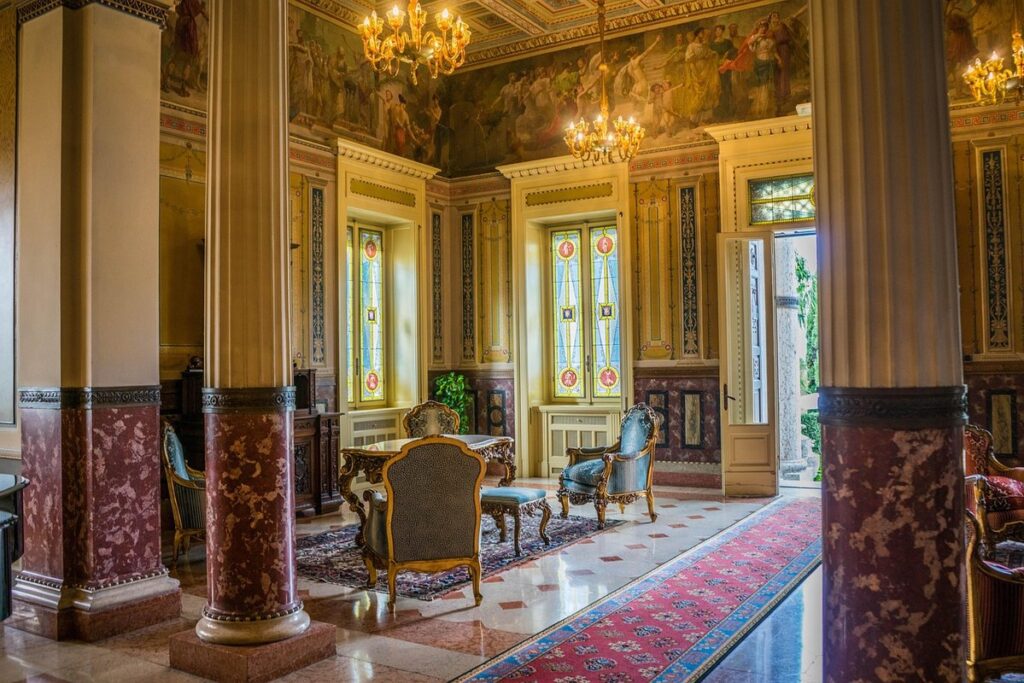
Origins and Evolution of Victorian Chandeliers
The roots of these stunning chandeliers date back to 19th-century England, where intricate craftsmanship and ornate designs first emerged. We’ll explore how they evolved over time.
The Aesthetic Roots of Victorian Lighting
The aesthetic roots of Victorian lighting can be traced back to the Gothic Revival style, which emphasized ornate details and a sense of history. During this period, architects and designers drew inspiration from medieval architecture, incorporating pointed arches, ribbed vaults, and intricate stonework into their designs. This influence is evident in the use of heavy drapery, rich textures, and dramatic lighting effects found in many Victorian-era interiors.
Art Nouveau also played a significant role in shaping Victorian lighting design, particularly in its emphasis on sinuous lines, organic forms, and natural motifs. Designers like Charles Rennie Mackintosh and Louis Comfort Tiffany drew upon these influences to create intricate metalwork and glass fixtures that were both decorative and functional. When choosing a chandelier for a room with strong Art Nouveau or Gothic Revival roots, look for pieces featuring flowing lines, geometric patterns, and ornate details to create a cohesive aesthetic.
Key Features and Materials Used in Victorian Chandeliers
Intricate metalwork is a hallmark of Victorian chandeliers. Look for fixtures with ornate details such as filigree, scrollwork, and acanthus leaves. These elements are often found on the frame, arms, or drops of the chandelier. In addition to intricate metalwork, crystals or glass are frequently used in Victorian-style lighting fixtures.
Crystals were particularly prized during the Victorian era due to their sparkle and ability to refract light. You can spot them by looking for fixtures with clear or colored crystal drops, beads, or prisms. Some examples of crystal features include floral motifs, urns, or other decorative shapes. Glass was also used in some chandeliers, often in the form of etched or cut glass drops.
When shopping for a Victorian-style chandelier, examine the fixture’s metalwork and material carefully. Consider whether the intricate details align with your desired aesthetic and how they will fit into your existing decor. Keep in mind that authentic Victorian chandeliers can be pricey due to their intricacy and historical value. If you’re looking for more affordable options, consider replicas or reproductions made from high-quality materials that mimic the look of antiques.
Types of Victorian-Style Chandeliers
Victorian-style chandeliers come in a variety of forms, from ornate and intricate to more minimalist designs. We’ll explore some of the key types you can choose from for your home.
Crystal Chandeliers: Luxurious and Timeless Options
Crystal chandeliers are a quintessential element of Victorian-era interior design. Crafted with meticulous attention to detail, these opulent fixtures showcase exceptional craftsmanship. Typically made from high-quality crystal glass, each piece is carefully cut and polished to refract light, creating a dazzling display of sparkle and shine.
The durability of crystal chandeliers is one of their most appealing qualities. With proper care, they can remain a stunning focal point in any room for generations. To maintain their luster, it’s essential to clean the crystals regularly with mild soap and warm water, followed by a gentle polishing with a soft cloth.
When incorporated into a space, crystal chandeliers effortlessly add a touch of luxury and sophistication. Hang one above a grand staircase or in a dining area to create an impressive focal point. Consider combining a crystal chandelier with rich fabrics, such as velvet or silk, for an even more opulent atmosphere. By selecting a high-quality crystal fixture and adhering to proper maintenance, you can enjoy the timeless beauty of this Victorian staple for years to come.
Metalwork and Ornate Details in Victorian-Inspired Chandeliers
The metalwork techniques used to create Victorian-inspired chandeliers are truly remarkable. Filigree, a delicate process of weaving thin metal threads, was often employed to add intricate patterns and details to these lighting fixtures. For instance, the iconic Crystal Palace Chandelier, designed by Joseph Paxton in 1851, features an elaborate filigree design that is both visually striking and technically impressive.
Engravings and etchings were also commonly used techniques in Victorian metalwork. These methods allowed artisans to add intricate designs, textures, and even narrative scenes to the chandeliers’ surfaces. The result was a level of craftsmanship and attention to detail that was unparalleled at the time. To achieve a similar look, consider incorporating subtle engravings or etchings into your own Victorian-style chandelier design. When selecting a metalwork technique, keep in mind the overall aesthetic you want to achieve – do you prefer delicate filigree or more dramatic engravings?
Lighting Design Considerations for Installing a Victorian-Style Chandelier
When installing a majestic Victorian-style chandelier, it’s crucial to consider the lighting design to ensure your fixture shines as intended. Proper installation will amplify its grandeur and charm in your home’s interior.
Choosing the Right Size and Scale for Your Space
When measuring a room for a Victorian-style chandelier, it’s essential to consider the space’s overall proportions. A well-proportioned installation will ensure the chandelier doesn’t overwhelm the area or get lost in it. Start by taking note of the ceiling height and the diameter of the room. Measure from the floor to the top of the ceiling to determine the minimum drop required for a comfortable clearance.
Next, calculate the circumference of the room by multiplying its width by two. This will help you gauge the right size of the chandelier to avoid overhanging it too much or leaving too much empty space above. Typically, a Victorian-style chandelier with multiple arms and a dramatic presence looks best in spaces with higher ceilings – ideally 10 feet or more. However, in rooms with lower ceilings, consider opting for a smaller-scale fixture or one that’s flush-mounted to maintain visual balance.
Tips for Hanging and Adjusting a Large, Heavy Chandelier
When installing a large, heavy Victorian-style chandelier, it’s essential to consider the ceiling’s weight-bearing capacity. Check your ceiling type and consult the manufacturer’s guidelines for the recommended maximum load. For example, if you have a standard drywall ceiling, you may need to install additional support beams or anchors to ensure the chandelier doesn’t overload the structure.
To hang the chandelier safely, use a sturdy chain or rod that can handle its weight. Consider using a reinforced suspension system specifically designed for heavy fixtures. Make sure the mounting hardware is securely attached to the ceiling and won’t slip or come loose over time. When measuring the hanging height, take into account the fixture’s overall size, as well as the space below it.
Before starting the installation process, check your local building codes and regulations regarding ceiling load limits and lighting fixture installations. It’s also crucial to choose a chandelier with a sturdy base and a balanced design to minimize weight distribution issues. By considering these factors and taking necessary precautions, you can ensure a safe and successful installation of your Victorian-style chandelier.
Decorating with Victorian-Style Chandeliers: Room Ideas and Styling Tips
Elevate your home’s opulence with our expert guide on incorporating stunning Victorian-style chandeliers into various rooms, from grand foyers to cozy bedrooms. Discover how to create a regal atmosphere.
How to Mix and Match Period Pieces with Modern Furniture
Combining period pieces with modern furniture can be a challenging but rewarding task. To create a cohesive look, start by selecting a few iconic Victorian-era items and using them as anchors for the room’s aesthetic. For example, you might choose an ornate side table or a velvet armchair to serve as focal points.
Next, introduce modern elements that complement these antique pieces without overpowering them. Consider using a sleek coffee table or a minimalist floor lamp to provide contrast. The goal is not to create a jarring mix of styles but rather to achieve a harmonious balance between old and new.
When pairing period lighting fixtures like the Victorian-style chandeliers with modern furniture, think about scale and proportion. For instance, if you have a large, ornate chandelier, pair it with smaller, more streamlined pieces to avoid visual overload. Balance is key: don’t be afraid to mix textures, patterns, and colors to create visual interest while still maintaining a sense of cohesion.
Balancing Ornate Lighting with Minimalist Elements for a Balanced Look
When pairing a show-stopping Victorian-style chandelier with more subdued decorations or color schemes, it’s essential to strike a balance between opulence and restraint. To avoid overwhelming the space, consider introducing minimalist elements that serve as a foil to the chandelier’s grandeur. This might include using a monochromatic color palette, with deep, rich tones that complement the chandelier without competing with it.
For example, pairing a lavish Victorian-style chandelier with a neutral-colored sofa and walls creates a sense of visual equilibrium. The clean lines and minimalist aesthetic of these elements help to ground the space, preventing the chandelier from feeling overwhelming. Similarly, incorporating natural textures such as woven baskets or a jute rug can add warmth and coziness to the room without drawing attention away from the chandelier.
To achieve this balance, focus on introducing one or two statement pieces that create contrast with the chandelier’s ornate details. This might be a sleek side table or a sculptural piece of art in a contrasting style or material. By carefully selecting these complementary elements, you can create a harmonious and balanced look that showcases the beauty of your Victorian-style chandelier without overwhelming the space.
Creating a Statement Piece with a Custom-Made Victorian-Style Chandelier
When it comes to adding a touch of elegance and sophistication to any room, few lighting fixtures can compete with a custom-made Victorian-style chandelier. Let’s see how you can create a show-stopping centerpiece for your home.
Designing and Commissioning a Unique, Handcrafted Piece
When designing a custom-made Victorian-style chandelier, it’s essential to involve a skilled craftsman or lighting designer from the outset. This ensures that the piece is not only aesthetically pleasing but also structurally sound and compliant with local building codes.
During the design process, you’ll work closely with your chosen professional to discuss your vision, preferences, and requirements. Consider factors such as the space’s dimensions, existing architectural features, and the style of adjacent furnishings. You may also need to specify details like materials, finish, and lighting type (e.g., LED, candelabra-style bulbs).
A well-crafted bespoke chandelier can take several weeks or even months to complete, depending on its complexity. Be prepared for a more extensive timeline and potential adjustments along the way. To minimize delays, provide clear specifications and references, such as photographs or samples of your desired aesthetic.
Ultimately, the reward for investing time and effort into a custom piece is a one-of-a-kind chandelier that perfectly reflects your personal style and complements its surroundings.
Materials and Techniques Used in Crafting One-of-a-Kind Chandeliers
The art of crafting a one-of-a-kind Victorian-style chandelier involves selecting an array of materials that reflect the opulence and grandeur of the era. Glassmakers often employ techniques like copper foil wrapping, where thin sheets of glass are wrapped around a metal frame to create intricate patterns and textures. Alternatively, artisans may use lead crystal, which is cut and polished by hand to produce a stunning, faceted effect.
For the framework itself, craftsmen frequently turn to brass or bronze, choosing from a range of patinas that evoke the rich colors of aged copper, verdigris, or polished silver. Some designers opt for more subtle materials like wrought iron, which is often left unpainted to reveal its natural, weathered finish. In terms of craftsmanship techniques, many custom chandeliers incorporate intricate etching, engraving, or hand-painting on metal components.
To replicate this level of detail in a DIY project, consider practicing basic glassworking skills or exploring pre-made components from reputable suppliers. When sourcing materials, be prepared to spend time selecting pieces that perfectly complement the overall aesthetic you envision for your custom chandelier.
Restoration and Upcycling of Vintage Victorian Chandeliers
When it comes to giving vintage Victorian chandeliers a new life, restoration and upcycling techniques can breathe fresh beauty into these antique fixtures. You’ll learn how to revitalize your treasured chandelier.
Refurbishing and Rejuvenating Antique Lighting Fixtures
Refurbishing an antique lighting fixture requires a delicate balance between preserving its original character and modernizing functionality. One approach is to replace outdated fixtures with more energy-efficient alternatives while retaining the chandelier’s period details. For instance, swapping out old socket holders for new ones can enhance safety without sacrificing aesthetics.
Another strategy is to refinish or repaint the fixture to restore its original luster. A gentle sanding and a coat of clear varnish can revitalize the finish without altering the chandelier’s era-specific design. In some cases, it may be necessary to replace outdated wiring or electrical components while maintaining the integrity of the original structure.
When refinishing an antique chandelier, it’s essential to work with preservation-grade materials that won’t compromise the fixture’s historical value. This might involve using traditional techniques like hand-finishing or employing specially designed restoration products. By taking a thoughtful and measured approach, you can revitalize your vintage lighting fixture while preserving its unique character.
Ideas for Incorporating Repurposed or Recycled Materials in Your Lighting Design
Consider repurposing vintage chandelier components to create one-of-a-kind lighting fixtures. For example, you could upcycle old glass shades into unique pendant lights by reattaching them to a modern base or reworking their metal frames. Alternatively, salvage antique chandeliers and transform them into floor lamps or sconces by adapting their arms and shades.
Old crystal drops can be repurposed as decorative accents for other lighting fixtures, such as table lamps or ceiling medallions. When working with vintage materials, it’s essential to clean and inspect them carefully before incorporating them into your design. This ensures the longevity of the piece and prevents damage to the new components.
To create a cohesive look, balance repurposed elements with modern features like LED lighting or metallic finishes. For instance, pair an antique chandelier’s crystal drops with a sleek, low-profile base or a minimalist metal shade. By combining vintage charm with contemporary style, you can breathe new life into an old fixture and make it suitable for modern spaces while maintaining its historical character.
Frequently Asked Questions
Can I use a Victorian-style chandelier in a small room?
Yes, with careful consideration of size and scale. While these fixtures can be dramatic, they don’t necessarily require large spaces. Measure your room carefully to choose a chandelier that complements the area without overwhelming it.
How do I clean and maintain my crystal or glass Victorian chandelier without scratching the surfaces?
Cleaning a chandelier is an art. Gently dust delicate areas with a soft-bristled brush, then use a mild soap solution on the crystals or glass. Avoid harsh chemicals, abrasive cleaners, or scrubbers that can scratch the surface. Microfiber cloths are also effective for gentle polishing.
What if my ceiling isn’t strong enough to hold a large Victorian-style chandelier?
A common concern with heavy lighting fixtures is ensuring your ceiling can support their weight. Before hanging any chandelier, consult with a professional about necessary hardware and whether additional structural reinforcement might be required to ensure safety.
How do I style a Victorian chandelier when the room has a minimalist aesthetic?
Pairing a show-stopping chandelier with minimalist elements requires balance. To avoid visual overload, choose simple, neutral-colored walls and furniture that allow the chandelier to be the focal point. Then, add small pops of color or texture through smaller decorations.
What’s the difference between restoration and upcycling when it comes to vintage Victorian chandeliers?
While both involve giving old fixtures new life, restoration typically involves returning a piece as close to its original state as possible. Upcycling is more about creative reimagining, often involving repurposing materials in innovative ways to achieve a unique look that blends past and present styles.