
When it comes to adding a touch of elegance to your home, few design elements are as effective as Victorian-style ceiling lights. Not only do they bring a sense of sophistication and refinement, but they’re also surprisingly adaptable to modern tastes and decors. However, finding the perfect balance between aesthetic appeal and energy efficiency can be a challenge.
For many homeowners, the allure of traditional lighting styles is undeniable – who wouldn’t want to recreate the ambiance of a bygone era? But what if you could have your cake and eat it too – enjoying a beautiful Victorian-style ceiling light that not only looks stunning but also saves on energy costs? In this article, we’ll explore the world of Victorian-style ceiling lights, covering design considerations, installation tips, maintenance advice, and budget-friendly options to help you find the perfect fit for your home.
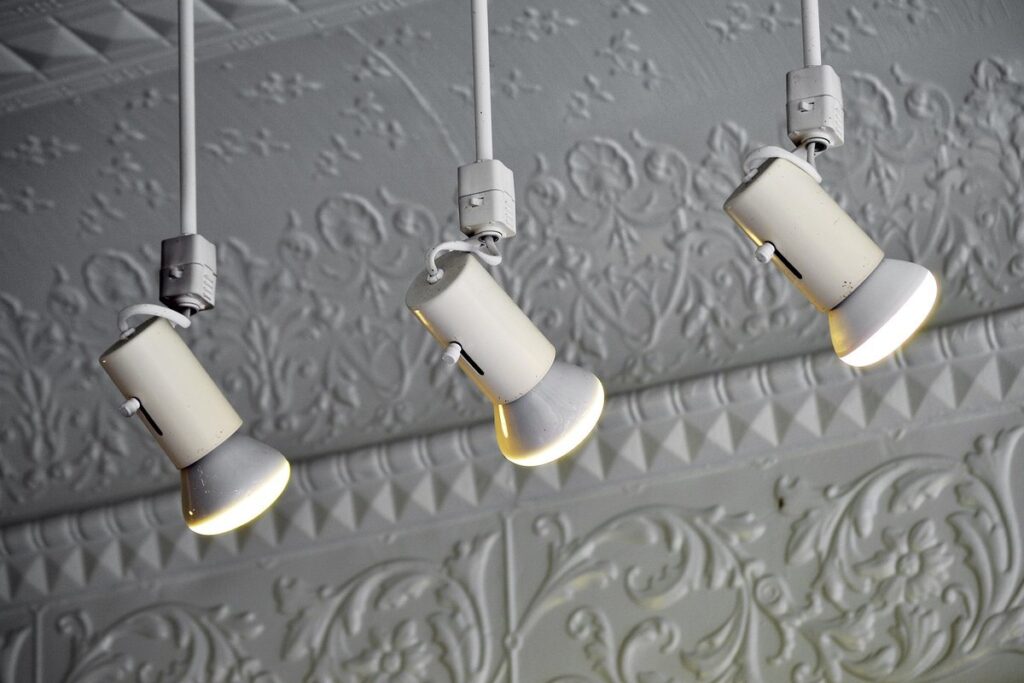
Understanding Victorian Ceiling Light Design
Victorian ceiling light design is characterized by intricate details and classic elements, such as ornate metalwork and floral motifs. We’ll break down these key features to help you understand their significance.
Origins of Victorian Lighting
The origins of Victorian lighting can be attributed to several architectural movements that gained popularity during the 19th century. The Gothic Revival style, which emerged in England during the 1740s, had a significant impact on the design of Victorian ceiling lights. Characterized by pointed arches and ribbed vaults, this style led to the development of elaborate lighting fixtures that incorporated intricate patterns and ornate details.
Art Nouveau, another influential style, introduced sinuous lines and flowing curves into the world of lighting design. This can be seen in the use of organic shapes and Art Nouveau motifs in many Victorian ceiling light designs. The juxtaposition of these styles led to the creation of distinctive ceiling light designs that were both ornate and functional.
As a result, Victorian ceiling lights often featured elaborate ornamentation, including intricate metalwork, etched glass shades, and decorative finials. When selecting a Victorian-style ceiling light, consider the level of ornamentation you desire and choose a fixture that reflects your desired aesthetic.
Key Features of Victorian Ceiling Lights
Victorian ceiling lights are characterized by intricate patterns and ornate details that add to their unique aesthetic appeal. These features often involve a mix of materials such as glass, metal, and wood, which contribute to the lighting fixture’s opulent look. For instance, some Victorian-style ceiling lights feature etched glass shades with floral patterns or scrolling motifs.
The combination of materials used in Victorian ceiling lights can also vary significantly. Some fixtures may incorporate a mixture of brass and bronze for a warm, vintage finish. Others might feature intricate carvings on wooden surrounds or metal trimmings that add to the overall ornateness.
Incorporating these characteristic features into your lighting design can greatly enhance the overall aesthetic appeal of a room. When selecting a Victorian-style ceiling light, consider the surrounding decor and choose a fixture that complements it. For example, a light with a richly patterned glass shade might work well in a formal dining room or entryway, while one with simpler details could suit a smaller space like a bedroom or bathroom.
Types of Victorian-Style Ceiling Lights
Victorian-style ceiling lights come in a range of styles, from ornate chandeliers to more subtle pendant lights. Here are some of the most popular types you’ll want to consider for your home.
Crystal Chandeliers
Crystal chandeliers are a staple of Victorian-era interior design, and their intricate beauty continues to captivate homeowners today. Typically constructed from a combination of metal and glass, these elaborate fixtures feature numerous crystals that refract light, creating a stunning display of color and sparkle.
The type of crystal used in chandelier construction can vary greatly, with many opting for lead-crystal or opal glass. Lead-crystal, with its high clarity and sparkle, was particularly prized during the Victorian era due to its ability to refract light into tiny, sparkling particles. Conversely, opal glass, while less expensive, offers a softer, more diffuse glow.
When selecting a crystal chandelier, consider the scale of the room and the desired ambiance. Large, heavily ornamented fixtures are best suited for grand spaces, such as ballrooms or drawing rooms, where they can make a statement. Smaller, more delicate designs, on the other hand, work well in cozy bedrooms or studies. Regardless of size, crystal chandeliers bring an undeniable touch of elegance to any room, their sparkle and shine sure to elevate even the most mundane space.
Metal-Frame Ceiling Lights
Metal-frame ceiling lights are a staple of Victorian-style lighting. These fixtures often feature intricate designs and ornate details, adding a touch of elegance to any room. The frames themselves can be made from various metals, including brass, bronze, and even copper. Brass is a popular choice for its warm, golden hue, which complements the ornate patterns commonly found in these fixtures.
In terms of design, metal-frame ceiling lights often feature classic motifs such as acanthus leaves, scrollwork, or florid patterns. These designs can be used to create a cohesive look with other Victorian-style elements in the room, like intricately carved woodwork or patterned fabrics. To adapt metal-frame ceiling lights to different settings, consider the overall aesthetic you want to achieve. For example, a brass fixture with ornate details may work well in a traditional living room, while a bronze fixture with simpler patterns might suit a more modern space.
When choosing a metal-frame ceiling light, think about the level of ornamentation that suits your taste and decor. Some fixtures feature delicate, lacy designs, while others boast bold, geometric patterns.
Installing Victorian Style Ceiling Lights
When it comes to installing Victorian style ceiling lights, choosing the right fixtures and following a few key steps can make all the difference in achieving the look you want. Let’s start by examining the types of lighting that work best for this classic style.
Preparing Your Home for Installation
Before installing Victorian-style ceiling lights, it’s essential to assess your home’s electrical capacity. Check the circuit breaker or fuse box to ensure you have a dedicated 20-amp circuit for the lighting fixture. If not, you may need to upgrade your electrical panel or add a new circuit. This is crucial because Victorian-style lights often feature intricate designs and heavy shades, which can draw more power than standard fixtures.
Next, determine the best placement for the new light fixture. Consider the room’s layout and purpose – for example, in a dining area, you may want to place the light above the table to create a warm ambiance. Typically, Victorian-style ceiling lights are centered over a specific area or placed at an angle to create a sense of drama.
If your home has existing electrical work that dates back to the Victorian era, it’s possible that some components, such as outlet boxes or wiring, may need renovation or repair before installation can proceed safely and efficiently. This might involve hiring a licensed electrician to inspect and update your electrical system.
Step-by-Step Installation Process
Begin by carefully selecting a Victorian-style ceiling light fixture that suits your room’s aesthetic and dimensions. Ensure it matches the electrical requirements of your space, including wattage and voltage compatibility. Next, turn off the power to the circuit at the main electrical panel to prevent accidental shock or injury.
Measure and cut the wiring according to the manufacturer’s specifications for the new fixture. You may need to use wire connectors or splices to join existing wires with the new ones. Always follow proper safety procedures when working with electricity, such as using a voltage tester to ensure the circuit is de-energized.
Secure the light fixture in place by attaching it to the ceiling junction box using screws or clips provided with the fixture. Double-check that all wiring is properly connected and secured before replacing the main electrical panel’s cover plate. If you’re unsure about any aspect of the process, consider consulting a licensed electrician for assistance.
Caring for Your Victorian Ceiling Lights
When it comes to keeping your vintage-inspired ceiling lights shining brightly, proper care and maintenance are essential. Regular dusting and cleaning can help prevent damage and ensure they remain a beautiful focal point in your home.
Maintenance Tips
Cleaning Victorian-style ceiling lights requires attention to detail and a gentle touch. Start by turning off the power at the circuit breaker or fuse box to ensure your safety while working on the fixture. Use a soft, dry cloth to dust the crystals and ornaments, taking care not to scratch any surfaces. For more stubborn dirt or grime, mix a solution of mild soap and warm water on a soft-bristled brush.
Regularly check the connections between the light’s components to prevent loose wiring from causing overheating or electrical shock. Tighten any loose screws or clips, but avoid overtightening, which can damage the fixture. Additionally, inspect the crystals for any signs of cracking or breakage. If you notice any issues, it may be necessary to replace the crystal entirely.
Perform a routine check on your Victorian-style ceiling light at least once a month to maintain its functionality and beauty. This includes verifying that all connections are secure and the light is properly seated in its socket. By following these simple maintenance tips, you can ensure your fixture continues to shine brightly for years to come.
Repairing or Replacing Victorian-Style Ceiling Lights
When repairing or replacing components of your Victorian-style ceiling light, it’s essential to source authentic replacement parts that match your fixture’s original design. You can find these at specialized lighting stores, online marketplaces, or through the manufacturer itself. If you’re unable to locate exact replacements, consider working with a professional electrician who has experience with period lighting.
To reattach fixtures, make sure to follow the manufacturer’s instructions and take necessary safety precautions. This may involve shutting off power to the circuit, removing any glass panels, or using specialized tools to secure metal frames.
For crystal panels, gently clean them with a soft cloth and mild soap solution before reinstalling. When handling fragile components, avoid touching the crystals themselves, as oils from your skin can cause them to appear dull or develop tiny scratches.
Choosing the Right Victorian Style for Your Home
When it comes to selecting a fitting Victorian style, you’ll want to consider the era’s characteristic ornate and intricate details, as well as your home’s architecture. This will help you choose a look that perfectly complements its aesthetic.
Matching Lighting Styles with Architecture
When selecting a Victorian-style ceiling light, it’s essential to consider the architectural style of your home. Different periods and styles have distinct design elements that can influence your lighting choice. For instance, Gothic Revival architecture is characterized by pointed arches, ribbed vaults, and ornate details. To match this style, look for lights with intricate carvings, gothic-inspired metalwork, or glass shades featuring etched patterns.
In contrast, Art Nouveau homes often feature sinuous lines, flowing curves, and organic shapes. For an Art Nouveau-inspired lighting selection, opt for fixtures with fluid, whiplash-like lines or art nouveau-style metalwork featuring leaves, flowers, or other motifs. Consider lights with sculpted shades or ornate metal details that evoke the era’s emphasis on craftsmanship.
You can also draw inspiration from your home’s era-specific architectural features. For example, if you have a Victorian-era home with a prominent staircase, consider lights with ornate metalwork or glass shades featuring floral patterns to complement the staircase’s intricacy. Alternatively, if your home boasts large windows and high ceilings, choose lights that will create a sense of height and draw attention upwards.
When shopping for lighting fixtures, don’t be afraid to mix and match elements from different styles to create a unique look that reflects your home’s character. Pay attention to the materials, shapes, and details used in each fixture, and consider how they’ll interact with the rest of the room’s design elements. By matching your lighting style with your home’s architecture and decor, you can create a cohesive, visually appealing space that celebrates your Victorian-era aesthetic.
Additional Considerations for Victorian-Style Ceiling Lights
When selecting a Victorian-style ceiling light, it’s essential to consider factors such as space constraints and electrical requirements to ensure a proper fit. Proper planning can prevent costly installations down the line.
Energy Efficiency and Sustainability
When choosing a Victorian-style ceiling light, it’s essential to consider energy efficiency and sustainability. Traditional glass shades often feature intricate designs and ornamentation, but some manufacturers now offer eco-friendly alternatives. Look for lights made with recycled or reclaimed materials, such as old glass or salvaged metalwork.
Smart home integration is another key factor in balancing aesthetic appeal with environmental concerns. Many modern ceiling light fixtures can be integrated into a smart home system, allowing you to control lighting levels and schedules remotely using an app. This not only saves energy but also enhances the ambiance of your space.
Innovations like LED bulbs and solar-powered lights have made significant strides in reducing energy consumption without sacrificing style. Some manufacturers even offer retrofit kits that allow you to upgrade existing fixtures with energy-efficient components. When shopping for a Victorian-style ceiling light, prioritize brands that emphasize sustainability and eco-friendliness. Research the materials used and look for certifications like Energy Star or ISO 14001, which indicate a commitment to environmental responsibility.
Budget-Friendly Options
You can create a stunning Victorian-style ceiling light without overspending by repurposing or upcycling existing materials. Thrift stores, garage sales, and online marketplaces are treasure troves for unique fixtures or decorative elements that can be refinished to fit your desired aesthetic.
For example, you could take an antique chandelier and update its crystal drops with new ones in a Victorian-inspired style. Alternatively, you can repurpose vintage metal shades or glass containers as pendant lights. Websites like Craigslist or local classifieds often have people giving away free materials that just need some TLC to become part of your Victorian-style ceiling light.
When shopping for budget-friendly options, look for kits or starter sets that include everything needed to create a complete fixture. These can be significantly cheaper than buying individual components and may even come with tutorials or instructions. You can also find affordable materials at salvage yards or Habitat for Humanity ReStores, which sell donated building supplies.
Frequently Asked Questions
Can I install Victorian-style ceiling lights in a loft conversion with limited headroom?
Yes, it’s possible to install Victorian-style ceiling lights in a loft conversion with limited headroom. Consider using flush-mount or semi-flush fixtures that don’t protrude too much from the ceiling. Measure carefully and consult with an electrician if needed to ensure proper installation.
What if I’m renting my home – can I still choose Victorian-style ceiling lights?
While it’s generally not recommended to make significant changes to a rented property, you can still opt for temporary or removable lighting solutions that incorporate Victorian-style elements. Look into adhesive-backed crystal decorations or LED strip lights with ornate covers to add a touch of elegance without compromising your security deposit.
How do I know if a specific Victorian-style ceiling light is energy-efficient?
When shopping for Victorian-style ceiling lights, look for products labeled as “energy-efficient” or “LED-compatible.” Check the packaging or manufacturer’s website for information on wattage, lumens, and estimated energy consumption. Consider factors like smart home integration and eco-friendly materials when making your decision.
Can I mix Victorian-style ceiling lights with other lighting styles in my home?
Yes, combining Victorian-style ceiling lights with other styles can create a unique look that suits your taste and decor. Balance the ornate details of Victorian fixtures with more minimalist or modern elements to avoid overwhelming the space. Consider factors like color palette, texture, and overall aesthetic when mixing styles.
What if I’m on a tight budget – are there any affordable options for Victorian-style ceiling lights?
Yes, you can find affordable options for incorporating Victorian-style ceiling lights into your home without breaking the bank. Explore DIY projects that repurpose or upcycle materials, consider second-hand stores or online marketplaces for gently used fixtures, and look for budget-friendly shopping strategies like bulk purchases or discounts on energy-efficient products.