
Bird watching is an activity that lets you connect with nature in a way that few other hobbies can, and yet many people are intimidated by it. Getting started with bird watching requires only a pair of binoculars and some basic knowledge of how to identify different species, making it more accessible than you might think. You don’t need to be an expert naturalist or have a degree in ornithology to enjoy the simple pleasure of spotting birds up close. In fact, the thrill of seeing a rare bird for the first time can be just as exciting for beginners as it is for seasoned enthusiasts. This article will cover the essential equipment and identification techniques every beginner needs to know, providing you with a solid foundation to start your own bird watching adventures.
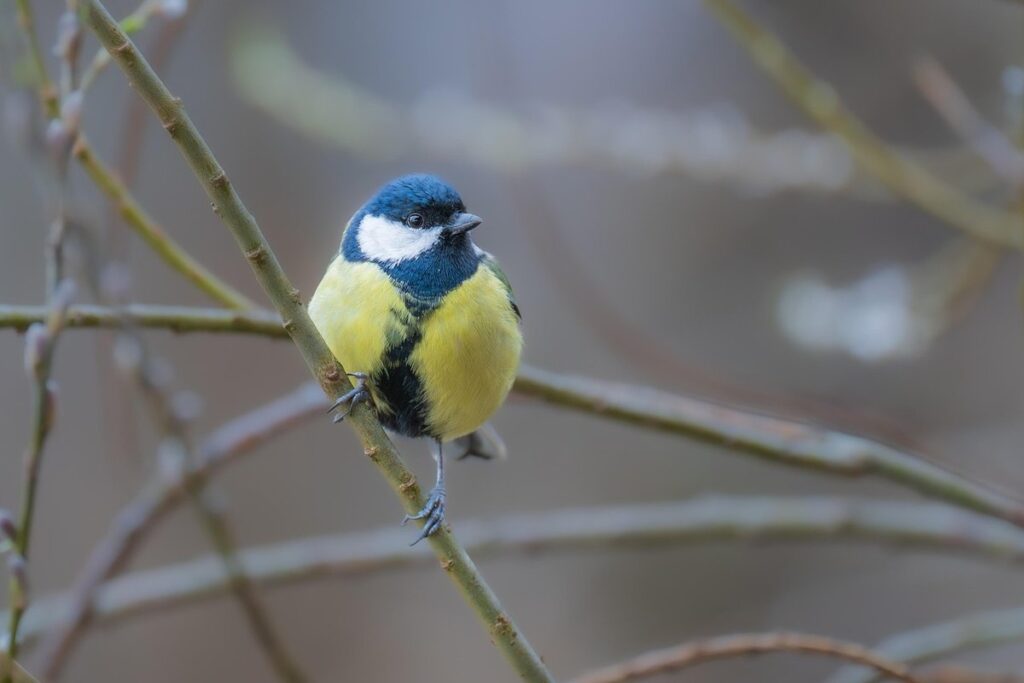
Getting Started with Bird Watching
To start bird watching, you’ll want to gather some essential gear and learn basic observation techniques that will help you spot your first birds. Let’s begin by covering the basics of binoculars and spotting scopes.
Understanding the Basics of Bird Watching
Bird watching is a hobby that involves observing and identifying birds in their natural habitats. People enjoy bird watching for various reasons, including the opportunity to connect with nature, appreciate the beauty of different species, and learn about the unique characteristics and behaviors of each bird. One of the main benefits of bird watching is that it can be done almost anywhere, from backyards to national parks, making it accessible to people of all ages and backgrounds.
To get started with bird watching, you’ll need a pair of binoculars or a spotting scope to help you observe birds from a distance. You’ll also want to invest in a field guide that provides information on the different species found in your area, as well as their habits and habitats. Consider investing in a journal or app to record your observations and track your progress over time. Many parks and nature reserves offer guided bird walks, which can be a great way to learn from experienced birders and gain insight into local ecosystems.
Setting Up Your Equipment
When it comes to bird watching, having the right equipment is crucial. Let’s start with the basics: binoculars. A good pair of binoculars will be your most-used tool in the field. Look for a pair that is waterproof and has a magnification power of 7x or 8x – this will allow you to get a clear view of birds without causing them undue stress.
A field guide is another essential item. Choose one that covers the birds found in your region, and consider a comprehensive guide that includes detailed descriptions, range maps, and illustrations. This will help you identify the different species you encounter and learn about their habits and habitats.
A spotting scope can also be useful for observing birds at longer distances or in areas with dense vegetation. When choosing a spotting scope, consider one with an adjustable objective lens to allow for more flexibility when adjusting focus.
Investing in good-quality equipment may seem like a significant expense, but it will pay off in the long run as you become more comfortable and confident in your bird-watching abilities. Remember to check the condition and functionality of any used or borrowed equipment before taking it into the field.
Identifying Birds: Key Characteristics and Field Marks
To identify birds, you’ll need to know what to look for in terms of size, shape, plumage, beak type, and other distinctive features that make each species unique. Let’s examine some key characteristics that will help you get started.
Understanding Bird Anatomy
The shape and structure of a bird’s beak are crucial identifying features. Different species have evolved unique beak shapes to suit their diet and environment. For example, birds that eat seeds and nuts typically have strong, stout beaks with a rounded tip, while those that feed on insects or fruits tend to have longer, thinner beaks.
Plumage patterns also play a significant role in identification. Birds can display various colors, textures, and patterns on their feathers, including stripes, spots, and bars. The American Goldfinch, for instance, is easily recognizable by its bright yellow body with black wings and tail feathers. In contrast, the Northern Flicker‘s plumage features a mottled brown back with a reddish-orange crown.
Leg color can also provide valuable clues when identifying birds. Most songbirds have pink or red legs, whereas waterfowl typically sport yellow or orange feet. The Ruddy Turnstone is an exception, featuring distinctive black legs that help distinguish it from similar species. When observing bird anatomy, take note of these distinguishing features to aid in identification and build your knowledge as a birder.
Recognizing Common Bird Families
When you start observing birds, it’s essential to recognize common bird families found in various regions. This knowledge will help you quickly identify a species and narrow down its possibilities in your field guide or app. Three main groups of birds that are often discussed together are waterfowl, raptors, and songbirds.
Waterfowl includes ducks, geese, and swans. These birds are typically found near bodies of water, such as ponds, lakes, or rivers. Look for distinctive feathers, like the bright orange bill on a male Mallard duck or the white patches on a Canada Goose’s head. Songbirds, on the other hand, are small to medium-sized birds that produce melodic sounds, such as sparrows, finches, and warblers. They often flit between trees and shrubs in search of insects and seeds.
Raptors, which include hawks, eagles, owls, and falcons, are known for their sharp talons and hooked beaks. These birds of prey have adapted to life on the wing, with exceptional eyesight and agility. When observing raptors, note their wingspan, feather patterns, and hunting behavior – such as soaring or swooping down from a perch. By becoming familiar with these bird families, you’ll develop your observational skills and become more confident in identifying the birds you see.
Where and When to Go Bird Watching
Choosing the right location and timing is crucial for a successful bird-watching trip, so let’s explore some tips on where and when to go. Local parks, nature reserves, and nearby waterways are often great places to start.
Choosing the Right Location
When selecting a location for bird watching, you should prioritize areas with diverse habitats. This allows you to spot a wide variety of species, including those that thrive in different environments. Consider visiting national parks, wildlife refuges, or nature reserves that offer a mix of forests, grasslands, and wetlands.
Migratory routes are another crucial factor to consider. Birds often congregate near bodies of water during their migrations, so look for locations with rivers, lakes, or coastal areas. For example, the Atlantic Flyway is a major migration route along the eastern seaboard of North America, where you can spot species like the Ruby-throated Hummingbird and the American Golden-Plover.
Access to water sources is also essential for attracting birds. Look for areas with ponds, streams, or marshes that provide drinking water and habitat for aquatic species. Some birders even set up their own birdbaths or feeders near water sources to attract a wider range of visitors.
Timing Your Bird Watching Trips
Timing is crucial when planning a bird watching trip. You need to consider migration patterns, breeding seasons, and weather conditions to maximize your chances of spotting a variety of species.
Migration patterns play a significant role in determining the types of birds you’ll see during different times of the year. In North America, for instance, many songbird species migrate south for the winter, while waterfowl such as geese and ducks remain year-round. Knowing when to visit your chosen location can make all the difference. For example, if you’re heading to Texas in late April, you may catch the tail end of the warbler migration, but arrive too early for the summer residents like the hummingbirds.
Breeding seasons are also worth considering. Many birds are more active and vocal during their breeding periods, making them easier to spot. However, some species can be quite secretive during this time, as they build nests and raise their young. In general, it’s best to visit areas with dense vegetation or near water sources during the breeding season, as these provide ideal habitats for many bird species.
Weather conditions also impact bird activity. Avoid visiting during extreme weather events like thunderstorms or heatwaves, when birds tend to seek shelter. Instead, plan your trip during mild, overcast days, which often bring out a wide range of species.
Advanced Techniques: Tips and Tricks for Serious Birders
As you gain more experience, it’s time to level up your birding skills with advanced techniques that will help you spot even more species. From expert identification tips to nuanced field guides, we’ll share our top secrets.
Learning Bird Calls and Songs
Learning Bird Calls and Songs involves more than just listening. It requires you to become attuned to the distinct timbres, frequencies, and rhythms of different species’ vocalizations. This means paying attention to pitch, tone, and cadence – from the whistled songs of warblers to the grunting calls of turkeys.
To develop your skills, start by recording bird sounds in a variety of habitats and environments. Listen to these recordings multiple times to become familiar with the range of vocalizations within each species group. You can also download apps or websites that offer bird call collections, allowing you to identify songs and calls on the go.
When learning specific calls and songs, focus on the key identifiers – for example, the distinctive “tsee” sound in the Common Yellowthroat’s song or the harsh, screeching call of the Red-winged Blackbird. Practice repeating these sounds in your head as you listen to recordings, which will help you develop an ear for the patterns and nuances within each species’ vocal repertoire.
Using Technology to Enhance Your Experience
To get the most out of birding apps and software, it’s essential to understand their capabilities. Many popular options offer advanced features like AI-powered species identification, real-time data sharing with other users, and audio recordings of bird calls. For instance, Merlin Bird ID allows you to input a photo or audio recording of a bird, then suggests possible species based on visual characteristics. Similarly, eBird is a comprehensive database that lets you track your sightings, create customized lists, and contribute to broader conservation efforts.
Some apps, like iBird Pro and Audubon Birds, include detailed field guides with range maps, habitat information, and behavior notes for over 1,000 species. While these resources can be incredibly valuable, it’s crucial to remember that technology should supplement, not replace, your own observational skills. Always verify identification through multiple sources, including expert guidance or on-site confirmation whenever possible.
When choosing digital tools, consider what features are most important to you. If you’re new to birding, start with apps that focus on species identification and data collection. As you gain experience, explore more advanced software that offers in-depth analysis of habitat, migration patterns, and population trends.
Common Challenges and Mistakes to Avoid
As you gain more experience, it’s easy to fall into common pitfalls that can make bird watching frustrating. Let’s look at some mistakes beginners often make that will help you get off on the right foot.
Understanding Bird Behavior
When it comes to observing bird behavior, understanding social interactions is crucial. Birds are highly social creatures that live in complex societies, just like humans. They often form flocks with a strict hierarchy, led by dominant individuals who establish and maintain order. Observing these dynamics can be fascinating, especially during migration seasons when birds congregate in large numbers.
Territorial displays are another essential aspect of bird behavior to recognize. Birds defend their territories from predators and rival birds, using various signals such as songs, calls, and visual displays. For example, the Northern Mockingbird is known for its aggressive behavior when defending its territory against other birds or potential threats like cats or humans.
Courtship rituals are equally captivating, showcasing a bird’s unique characteristics and adaptations. Many species display elaborate courtship behaviors, including dance-like movements, vocalizations, and even gift-giving to attract mates. By paying attention to these behaviors, you can gain a deeper appreciation for the intricate social lives of birds and improve your observation skills as a beginner birder.
Avoiding Common Pitfalls: Tips for Improved Identification
When it comes to identifying birds, beginners often make the mistake of relying on superficial characteristics. This can be due to limited experience or a lack of understanding about what features are truly distinctive. For instance, many bird species have striking plumage patterns, but these can be misleading if not viewed in context. A bird’s appearance at first glance may not accurately reflect its overall shape and proportions.
Misidentifying birds in flight is another common pitfall. Flight patterns and wingbeats can be quite similar among different species, making it difficult to pinpoint a bird’s identity without considering other factors such as habitat, behavior, and vocalizations. To avoid this mistake, try observing the bird’s flight patterns over several minutes or hours. Pay attention to its altitudes, speeds, and maneuvers – these can often give away its true identity.
Additionally, don’t assume that all birds with similar features are necessarily one species. Some species have remarkable mimicry capabilities, while others may simply share ancestral traits. When in doubt, consult multiple field guides or take notes on the bird’s specific characteristics to aid future identification.
Conclusion and Next Steps
As we come to the end of our comprehensive guide, let’s summarize the key takeaways from your bird watching journey so far. Now it’s time to reflect on what you’ve learned and plan for future adventures.
Recap and Key Takeaways
In this comprehensive guide, we’ve covered essential topics to get you started with bird watching. Begin by investing in a good pair of binoculars and a field guide that provides detailed descriptions and range maps for North American birds. Understanding the different types of habitats is crucial – from forests to wetlands and backyards – as each supports unique species.
We also discussed how to choose the right equipment, including spotting scopes and cameras with telephoto lenses. It’s essential to learn about bird identification, including key features such as beak shape, plumage patterns, and songs. Start by learning common birds in your area, then gradually expand your knowledge to more rare or exotic species.
For effective observation, consider joining a local birding group or club. These communities often share knowledge, tips, and resources that can enhance your experience. By incorporating these key points into your practice, you’ll be well on your way to becoming a confident and skilled birder. Practice observing birds in various settings, taking note of their behavior, habitats, and unique characteristics to further develop your skills.
Encouraging Further Exploration: Resources for Continued Learning
To deepen your understanding of bird behavior and habitats, consider exploring online courses offered by organizations such as Audubon, Cornell Lab of Ornithology, or local nature centers. These courses often cover topics like bird identification, migration patterns, and conservation efforts.
For those interested in learning from experts in the field, websites like eBird, Birding Adventures Online, and BirdLife International provide valuable insights into bird behavior, habitat preservation, and citizen science projects. eBird’s community forums are particularly useful for connecting with experienced birders who can offer guidance on everything from identifying rare species to understanding local regulations.
Local birding groups often host field trips, workshops, and online meetings that cater to beginners. Joining these groups can be a great way to connect with like-minded individuals, learn about local birding hotspots, and gain hands-on experience in the field. When searching for local groups, look for organizations affiliated with national or regional birding associations, such as the National Audubon Society or the American Birding Association.
Frequently Asked Questions
What If I Missed Spring Migration – Can I Still See Many Bird Species?
You can still see many bird species in the summer and fall. While spring migration brings new arrivals, many birds remain year-round or return during these seasons. Focus on finding wetlands, forests, and backyards with native plants to attract a variety of species.
How Do I Choose the Best Binoculars for Bird Watching?
When selecting binoculars, consider magnification (7x or 8x is ideal), objective lens size (40mm or larger), weight, and image stabilization. Read reviews and try before you buy to find the perfect fit for your birding style.
What If I’m Confused by a Bird’s Plumage Patterns – Are They Just Messy?
No, birds’ plumage patterns are not just messy! They serve important functions like camouflage, communication, and thermoregulation. Study field guides and observe birds in different lighting conditions to become more familiar with these complex patterns.
Can I Use My Phone Camera for Bird Photography or Do I Need a DSLR?
You can start with your phone camera, but consider investing in a dedicated camera or using a high-quality smartphone model. Look into apps like iBird Pro or Merlin Bird ID for tips on improving your phone photography skills and identifying birds from your images.
What If I See a Baby Bird on the Ground – Should I Help It?
No, do not touch or move baby birds! This can cause more harm than good. Observe from a safe distance to learn its behavior and wait for the parents to return. Remember, some bird species, like those with cavity-nesting habits, may leave their young on the ground temporarily.