
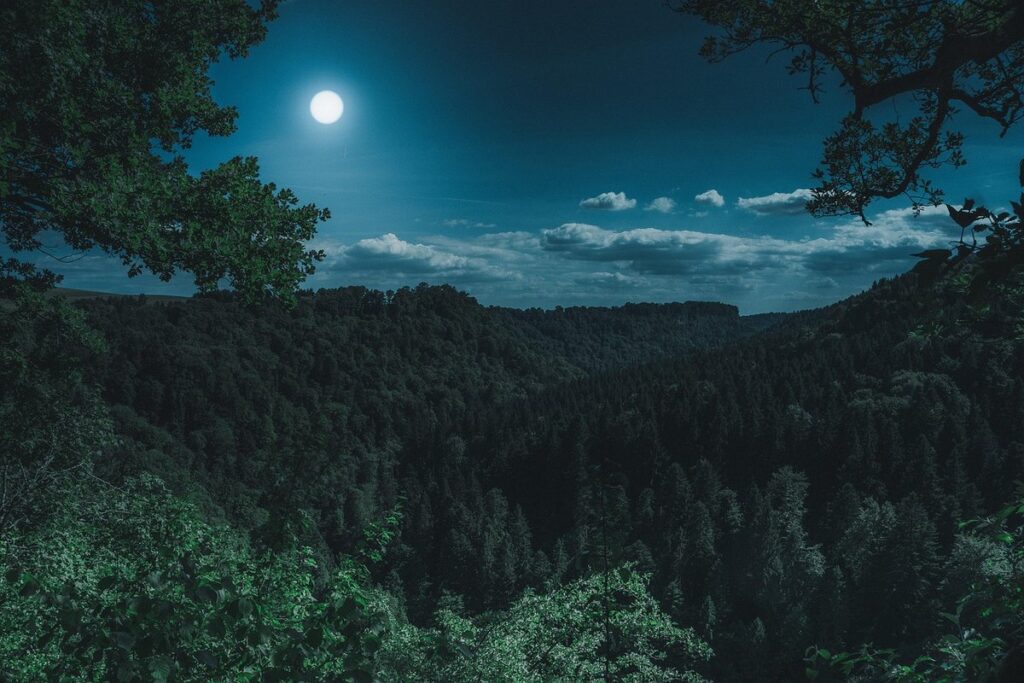
The full moon is upon us, shining brightly in the night sky with an otherworldly glow. For centuries, humans have been fascinated by this lunar event, and its significance extends far beyond mere astronomy. In many cultures, the full moon is a time of heightened spiritual awareness, associated with myths and legends that still captivate our imagination today. But the full moon’s influence doesn’t stop there – it also has a profound impact on our planet’s tides, shaping coastlines and marine ecosystems in intricate ways. As we gaze up at this silvery orb tonight, let’s explore the fascinating mix of mythology, science, and cultural importance surrounding the full moon. We’ll delve into its folklore, examine the tidal effects that make it so significant, and discover how this lunar event continues to shape our world today – by the time you finish reading, you’ll have a deeper understanding of the full moon’s impact on humans and our planet.
What is a Full Moon?
So, you’re wondering what all the fuss is about when we talk about a full moon? Let’s break down the basics and explore what makes it so unique.
Definition and Characteristics
A full moon occurs when the Moon is on the opposite side of Earth from the Sun, making its illuminated surface fully visible from our planet. This happens approximately once a month as the Moon orbits Earth in about 29.5 days. During this time, the Moon appears larger and brighter than during other lunar phases due to its position relative to the observer.
The full moon is characterized by several distinct features: it’s the most prominent phase of the lunar cycle, with the highest illumination level; it often coincides with high tides, as the gravitational pull of the Sun and Moon on Earth’s oceans is at its strongest; and it can be seen from anywhere on the night side of the planet. The full moon also marks a transition point in the lunar cycle: the waning phase begins immediately after the full moon, while the waxing phase concludes before it.
A few key characteristics are worth noting when observing or experiencing the full moon: increased light pollution makes stargazing more challenging; some people find the bright light disrupts their sleep patterns; and certain animal species exhibit changes in behavior during this time. These factors highlight the complexities of living with a lunar cycle that affects both our environment and human experience.
Types of Full Moons
A full moon is more than just a lunar cycle’s final phase; it can also be a specific type of event with unique characteristics. One notable example is the Harvest Moon, which typically occurs in September or October when the moon is closest to the autumnal equinox. This full moon often coincides with the start of harvest season, making it an ideal time for farmers to work late into the night under its bright light.
Another type of full moon is the Blue Moon, which occurs when there are two full moons in a single month. This phenomenon happens due to the lunar cycle’s 29.5-day average duration and our calendar’s consistent month length. The second full moon in a month is called a Blue Moon, although it doesn’t have any distinctively different properties.
Blood Moons occur during a total lunar eclipse when the Earth passes between the sun and the moon, casting a reddish hue on its surface. This rare event can only happen during specific alignments of celestial bodies and has significant cultural and astronomical importance.
When you know which type of full moon is occurring, you can plan accordingly to make the most out of this unique lunar event.
Folklore and Mythology Surrounding the Full Moon
The full moon has captivated human imagination for centuries, inspiring a rich tapestry of myths and legends that continue to fascinate us today. Let’s explore some of these enchanting stories.
Lunar Deities and Goddesses
In many ancient cultures, the full moon was revered as a symbol of femininity, fertility, and the divine. Goddesses like Selene, the Greek goddess of the moon, were often associated with the full moon’s radiant glow. In Roman mythology, Luna, the personification of the moon, was said to ride across the sky each night, illuminating the darkness. Similarly, in Egyptian mythology, Isis, the mother goddess, was linked to the cyclical nature of the moon and its influence on tides and fertility.
These lunar deities were often worshipped for their power to bring forth life-giving rains, ensure successful harvests, and protect against evil spirits. In many cultures, the full moon was seen as a time of great spiritual significance, when the veil between the mortal world and the realm of the gods was at its thinnest. To tap into this energy, ancient worshippers would often perform rituals and ceremonies under the light of the full moon, seeking to align themselves with the goddess’s power.
In modern times, reverence for lunar deities continues in various forms, from neo-paganism to folk traditions. By understanding the symbolic significance of these goddesses, we can tap into their enduring power and connect with the natural world on a deeper level.
Superstitions and Legends
Werewolf lore has long been associated with full moons. The idea of humans transforming into wolves during a full moon’s peak power is a staple of folklore and mythology. In many cultures, werewolves are seen as cursed individuals who struggle to control their transformations. This legend likely arose from the observation that wolves often become more active at night, coinciding with the full moon’s illumination.
Some superstitions surrounding the full moon involve curses or hexes placed on individuals during its peak power. It’s believed that performing certain rituals or making specific offerings can prevent these curses from taking hold. However, others claim that the full moon’s energy can be harnessed for both good and ill – depending on one’s intentions.
Examples of such superstitions include avoiding cutting hair or nails during a full moon to prevent illness or bad luck. Others believe in performing protective rituals, like burning sage or salt, to ward off negative energies associated with the full moon. These practices vary widely across cultures, but they all share a common thread: the full moon’s power is seen as both transformative and potentially destructive.
Scientific Aspects of the Full Moon
The full moon’s effects on our planet’s tides and ocean currents are a fascinating area of study, shedding light on its scientific significance. Let’s take a closer look at these intriguing phenomena.
Lunar Cycles and Phases
The lunar cycle is a 29.5-day period during which the Moon orbits around the Earth, undergoing various phases as it reflects the Sun’s light. The cycle begins with the new moon, where the side of the Moon facing the Earth is not illuminated by the Sun. As the Moon moves away from this phase, we see the crescent shape emerge, indicating that the Moon is now reflecting a small portion of the Sun’s light.
As the Moon continues its orbit, it reaches the first quarter phase, marking the point when the Moon is half-illuminated and appears as a right half-moon in the sky. The gibbous phase follows, where the Moon appears more than half-full but not yet full. This is the stage just before the full moon, which occurs when the entire face of the Moon is illuminated by the Sun.
The last quarter phase marks the point when the opposite side of the Moon has reached full illumination, while the waning phases see the Moon gradually decreasing in brightness as it approaches the next new moon. Understanding these different lunar phases can help you better appreciate the dynamic relationship between the Earth, Moon, and Sun, and even inform your planning for outdoor activities or time-sensitive tasks.
Tidal Effects and Coastal Activity
The full moon’s gravitational pull has a profound impact on tides, causing the ocean’s water levels to rise and fall. This phenomenon is particularly evident in coastal areas where the tidal range is more pronounced. During a full moon, the increased water volume can lead to higher high tides and lower low tides, resulting in erosion of beaches and shorelines.
Marine life is also affected by the full moon’s tidal effects. Some species, such as shellfish and crabs, are adapted to take advantage of the changing tide patterns to feed or mate. For example, many species of oysters spawn during the full moon when the tides are at their most extreme. Conversely, some coastal ecosystems may experience stress due to the altered water levels.
A notable example of the full moon’s impact on tidal activity is the King Tide event that occurs in certain regions around the world. This phenomenon, also known as a perigean spring tide, occurs when the gravitational pull of the full moon coincides with the Earth’s slightly elliptical orbit. The resulting tides can be extreme, causing flooding and erosion in vulnerable coastal areas.
Cultural Significance and Celebrations
From ancient rituals to modern-day festivities, the full moon has been a source of inspiration for countless cultures, each with its own unique traditions and stories.
Let’s take a closer look at some of these fascinating cultural celebrations.
Full Moon Rituals and Practices
In many cultures, the full moon is a time for spiritual growth, renewal, and connection with the divine. Various full moon rituals and practices have been developed to harness its energy and honor its significance. These can range from simple meditation sessions or yoga practices to more elaborate sacred ceremonies.
Some examples of these rituals include the ancient Greek practice of holding festivals in honor of the goddess Selene, while others draw inspiration from indigenous cultures that perform traditional dances under the full moon’s light. In modern times, many people participate in group meditations or full moon ceremonies, often led by spiritual leaders or healers.
Practitioners may also engage in activities like journaling, releasing negative energies, and setting intentions for personal growth. These practices serve as a way to tap into the full moon’s energy, promoting reflection, introspection, and spiritual evolution. For those interested in incorporating full moon rituals into their lives, consider setting aside time for quiet contemplation or participating in local ceremonies to connect with like-minded individuals.
Folk Traditions and Festivals
Full moon celebrations are an integral part of many cultures around the world. One notable example is the Chinese Mid-Autumn Festival, held on the 15th day of the eighth lunar month. This ancient festival honors the full moon’s harvest and celebrates family reunions with traditional foods like mooncakes and pomelos. In contrast, Native American communities hold powwows to mark the full moon’s spiritual significance. These vibrant gatherings often feature music, dance, and storytelling that honor the land and ancestors.
In many Indigenous cultures, the full moon is a time for renewal and spiritual growth. For example, some tribes participate in sunrise ceremonies to awaken the spirit of the new moon cycle. The full moon’s luminescence is also believed to facilitate healing rituals and divination practices. In Japan, the Tsukimi festival celebrates the full moon’s beauty with poetry readings and mochi-making.
To incorporate these traditions into your own life, consider hosting a full moon gathering or participating in local cultural events. You can also reflect on your personal connection to the lunar cycle by journaling or meditating during the full moon phase. By embracing these folk traditions, you’ll be tapping into a rich cultural heritage that honors the full moon’s mystical and symbolic significance.
Effects on Humans: Emotional, Physical, and Psychological
The effects of tonight’s full moon on humans are a topic of much debate, ranging from emotional instability to physical ailments. Let’s examine some of the most commonly reported impacts.
Lunar Cycles and Human Behavior
Research has shown a link between lunar cycles and human behavior, with some studies suggesting that the full moon phase can affect mood, sleep patterns, and physical well-being. For example, a study published in the journal Sleep found that hospital admissions for mental health issues increased during the full moon phase.
While the exact mechanisms behind this phenomenon are still unclear, it’s thought that the lunar cycle may influence hormonal fluctuations and circadian rhythms. This can lead to changes in mood, energy levels, and physical symptoms such as headaches or digestive issues. Some people also report experiencing vivid dreams or nightmares during the full moon phase.
If you’re sensitive to the full moon’s effects, consider taking steps to manage your sleep patterns and stress levels. Try establishing a consistent sleep schedule, engaging in relaxing activities like meditation or yoga, and avoiding stimulating substances like caffeine or electronics before bedtime. By being aware of the potential impact of the lunar cycle on your behavior and health, you can take proactive measures to maintain your well-being during this time. Paying attention to your body’s natural rhythms may also help you better understand how the full moon affects you personally.
Full Moon and Sleep Patterns
Research on the relationship between full moons and sleep patterns has yielded some intriguing findings. A 2014 study published in the journal Sleep found a significant increase in emergency room visits related to sleep disorders during full moon phases. While correlation does not necessarily imply causation, this suggests that full moons may be linked to disruptions in sleep patterns.
Another study from 2018 explored the relationship between lunar cycles and human sleep-wake cycles. The researchers discovered that people tend to stay up later and wake up more frequently during full moon nights. This could be due to increased activity levels, as some studies have suggested that humans experience a natural increase in energy and alertness during full moon phases.
Practically speaking, this means that people may want to prepare for potential sleep disturbances by establishing consistent bedtime routines and creating a sleep-conducive environment. Additionally, being aware of one’s own energy levels and sleep patterns can help individuals make informed decisions about their schedules and activities. By acknowledging the possible effects of full moons on sleep, we can better navigate our lives and cultivate healthier habits.
Conclusion: The Significance of the Full Moon in Modern Times
As we conclude our journey through the fascinating world of full moons, let’s examine how its significance has evolved and remains relevant in modern times. We’ll explore what this means for us today.
Modern Perspectives and Interpretations
Modern perspectives on the full moon have evolved significantly from traditional folklore and mythology. In contemporary times, the full moon is often seen as a cultural phenomenon, with many people embracing its symbolism and energy. For some, it’s a time for spiritual growth, introspection, and self-reflection. Many modern practitioners of paganism and witchcraft view the full moon as an opportunity to tap into its transformative power, using rituals and practices to harness its energies.
Some individuals even use the full moon as a catalyst for creative pursuits, such as writing, art, or music. The full moon’s association with fertility and abundance also makes it a popular time for planting seeds, harvesting crops, and celebrating new beginnings. In contrast, others view the full moon as a time for release and letting go, using its energy to break free from patterns of thought and behavior that no longer serve them.
Ultimately, the interpretation of the full moon’s significance is highly personal and subjective, reflecting each individual’s unique experiences, values, and perspectives. By embracing this diversity of views, we can come to appreciate the full moon’s rich cultural heritage while also acknowledging its relevance in modern times.
Reflections on Tradition and Science
As we reflect on the full moon’s significance, it’s striking to consider the interplay between ancient mythology and modern scientific understanding. On one hand, we have a rich tapestry of folklore and superstitions that have been woven into the fabric of human culture for centuries. These stories often personify the moon as a goddess or deity, imbuing it with mystical powers and symbolic meaning.
On the other hand, science has revealed the full moon’s natural cycles and effects on our planet. By combining these two perspectives, we can gain a more nuanced appreciation for the full moon’s significance in modern times. For instance, while some people may still believe that the full moon influences human behavior, others view it as simply a lunar phase with predictable tidal effects.
To strike a balance between tradition and science, consider this: acknowledge the cultural significance of the full moon in your own life or community, but also educate yourself on its scientific aspects. By embracing both perspectives, you can deepen your understanding and connection to this natural phenomenon.
Frequently Asked Questions
Can I see the full moon from anywhere on Earth tonight?
Yes, as long as it’s clear of clouds and you have an unobstructed view of the eastern horizon around sunset. The full moon is visible from most locations worldwide, but its visibility can be affected by factors like light pollution and atmospheric conditions.
How does the full moon affect my sleep patterns if I’m already sensitive to lunar cycles?
Research suggests that individuals who are already sensitive to lunar cycles may experience disrupted sleep patterns during full moons. To mitigate this effect, try establishing a consistent sleep schedule, maintaining a dark and quiet sleep environment, and engaging in relaxing activities before bedtime.
What if I don’t feel any emotional or physical effects from the full moon? Am I immune?
Not necessarily. Everyone’s sensitivity to lunar cycles can vary greatly, and it’s possible that you may not be aware of your body’s subtle responses. Pay attention to your overall well-being during this time, as some people may experience more pronounced effects than others.
Can I use the full moon energy for meditation or spiritual practices, even if I’m not familiar with lunar mythology?
Yes. Many modern practitioners find inspiration in lunar symbolism and energies, regardless of their background knowledge. Feel free to explore different meditative techniques, such as visualization, breathwork, or sound healing, and observe how your connection to the full moon evolves.
Will the full moon have a significant impact on my daily activities, like work or travel plans?
Generally, no. While the full moon can affect tides and coastal activity, its influence on land-based events is minimal. However, it’s always a good idea to check local weather forecasts and plan accordingly for any outdoor activities that might be affected by potential changes in weather patterns or atmospheric conditions.