
The night sky is abuzz with magic when the full moon rises high, illuminating our lives in more ways than one. From its gravitational pull on tides to its spiritual significance in astrology and culture, the full moon has long been a subject of fascination for many. But what exactly does it do, beyond simply looking beautiful? In reality, the full moon affects human behavior, emotions, and natural phenomena in profound ways. It’s a time when our emotions can run high, and our intuition is heightened. This article will explore how to harness the energy of the full moon in your life, revealing practical uses for tapping into its power and leveraging its transformative potential. By the end of this article, you’ll know exactly what to do with the full moon’s influence on a daily basis.
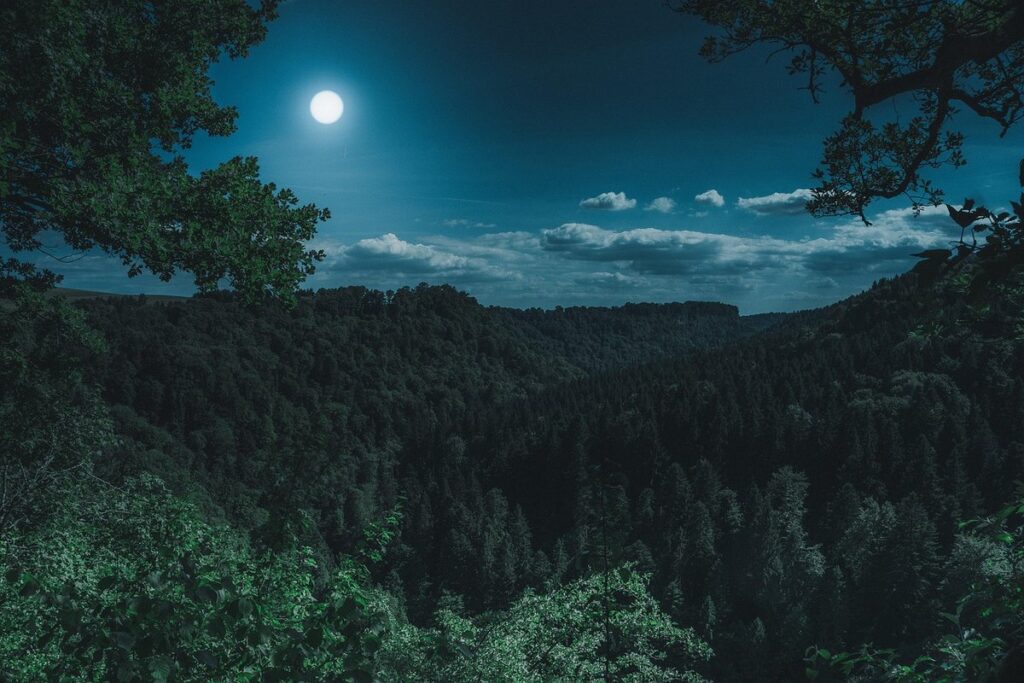
What is a Full Moon?
Let’s start by understanding what exactly happens during a full moon, and how it affects our planet’s tides and natural rhythms. A full moon occurs when the entire face of the moon is illuminated by the sun’s light.
Definition and Cycle
A full moon occurs when the lunar cycle reaches its final phase, opposite the new moon. This happens when the Moon is on the exact opposite side of the Earth from the Sun, allowing us to see the entire illuminated surface of the Moon. In the lunar cycle, a full moon follows the waxing gibbous and last quarter phases.
The full moon marks the peak of the lunar cycle’s illumination, but it also signals a subtle shift in its waning phase. As the Moon begins to decrease in brightness, we enter the waning gibbous and third quarter phases before reaching the new moon again. Understanding this cycle is essential for appreciating the full moon’s significance.
To visualize this process, imagine a clock with the new moon at 12 o’clock. The waxing crescent appears at 3 o’clock, followed by the first quarter at 6 o’clock and the waxing gibbous at 9 o’clock. The full moon occurs just before midnight (at 11:59), after which we see a gradual decrease in illumination.
While it’s common to associate the full moon with its peak brightness, recognizing its place within the lunar cycle can help us appreciate its subtle yet profound impact on our lives and the world around us.
Importance in Astrology and Culture
Cultures around the world have long revered and utilized the full moon for various purposes. In many ancient civilizations, the full moon marked significant events such as harvests, festivals, and spiritual rituals. For example, in ancient Egypt, the full moon was associated with the goddess Isis, who embodied fertility and motherhood. During these times, farmers would often plan their planting and harvesting schedules according to the lunar cycles.
In other cultures, the full moon has been used for spiritual practices such as meditation, divination, and healing. In many indigenous cultures, shamans would perform rituals during the full moon to honor the ancestors and seek guidance from the spirits. Similarly, in modern times, some people use the full moon energy for personal growth, reflection, and intention-setting.
Some of these cultural traditions can be applied in a more practical way today. For instance, farmers can plan their planting schedule according to the lunar cycles to optimize crop yields. Individuals can also use the full moon as an opportunity for self-reflection, setting intentions, and releasing old patterns that no longer serve them. By tapping into this collective energy, we can connect with our own inner cycles and tap into a deeper sense of purpose and meaning.
Effects on Human Behavior and Emotions
As we explore the mystical allure of the full moon, it’s fascinating to examine how its cycles can significantly influence our emotions and behavior, affecting us in profound ways.
Emotional Changes
Many people report feeling a heightened sense of sensitivity during full moons. They may become more easily irritated, emotional, and reactive to their environment. Some individuals experience mood swings, shifting from calmness to irritability within hours or even minutes. This increased emotional intensity can be overwhelming for some, but also allows others to tap into their deeper emotions and connect with themselves on a deeper level.
One common phenomenon associated with full moons is the tendency for relationships to become strained. Partners may feel more argumentative, while friends might withdraw from social interactions. On the other hand, the increased emotional charge can facilitate greater empathy and understanding between people. For instance, conflicts that would normally be swept under the rug are brought to the surface during a full moon, allowing for raw and potentially transformative conversations.
Some people find it helpful to engage in self-care practices during this time, such as journaling, meditation, or taking long walks outdoors. By acknowledging their heightened emotions and taking steps to manage them, individuals can harness the energy of the full moon to cultivate greater emotional awareness and release pent-up feelings.
Physical and Mental Health Implications
For many people, the full moon’s energy is not just a spiritual phenomenon but also has a tangible impact on their physical and mental well-being. Some common symptoms reported during the full moon phase include insomnia, anxiety, restlessness, and mood swings. These effects can be attributed to the moon’s gravitational pull, which is said to influence the body’s natural cycles.
The emotional intensity of the full moon can also manifest as irritability, increased stress levels, or even physical tension. In some cases, individuals may experience vivid dreams or nightmares during this time. It’s essential to recognize that these symptoms are not unique to individuals with a history of mental health conditions but rather a common experience for many people.
To mitigate the potential negative effects of the full moon on your physical and mental health, try establishing a calming pre-bedtime routine, such as meditation, deep breathing exercises, or a warm bath. Regular exercise and a balanced diet can also help regulate your body’s natural rhythms.
Lunar Cycles and Natural Phenomena
As we explore the magic of the full moon, let’s take a closer look at how lunar cycles influence natural phenomena on Earth, from ocean tides to animal behavior.
Tides and Oceanic Patterns
During a full moon, the gravitational pull of the moon on the Earth’s oceans is at its strongest, causing significant changes in ocean tides. This effect is more pronounced when the moon, sun, and Earth are aligned, creating what’s known as spring tides. As a result, coastal communities often experience higher high tides and lower low tides, which can lead to erosion, flooding, and saltwater intrusion into freshwater sources.
In some areas, tidal patterns can be particularly extreme. For instance, in the Bay of Fundy, located between New Brunswick and Nova Scotia in Canada, the difference between high and low tide is about 16 meters (52 feet). This phenomenon has a profound impact on local ecosystems, with some species adapting to these dramatic changes by migrating or altering their behavior.
Coastal residents must often adjust their daily routines to accommodate these fluctuations. This might involve moving valuables to higher ground during high tide, securing boats and piers, and monitoring water levels for signs of flooding. By understanding the complex relationship between the full moon and ocean tides, individuals can better prepare for and mitigate the effects of these events, ensuring a safer and more sustainable environment for themselves and their communities.
Weather and Atmospheric Conditions
Some people claim to notice a connection between full moons and unusual weather patterns. While there’s no conclusive evidence to support this correlation, many anecdotal reports suggest that full moons can coincide with increased storm activity or unusual temperature fluctuations.
One possible explanation for this perceived link lies in the moon’s gravitational pull on the Earth’s oceans. During a full moon, the moon’s gravitational force is at its strongest, causing more pronounced tidal patterns. This can lead to increased coastal erosion and flooding, particularly during high tide cycles.
Some studies have also suggested that full moons may be associated with unusual temperature fluctuations. For example, research has shown that full moons are often preceded by a period of low atmospheric pressure, which can contribute to the development of severe thunderstorms or heatwaves.
If you’re someone who’s sensitive to changes in weather patterns, it might be worth paying attention to the days leading up to and immediately following a full moon. Keep an eye on local forecasts and plan accordingly – especially if you live in an area prone to extreme weather events.
Folklore and Mythology Surrounding the Full Moon
For centuries, people have been fascinated by the mystical aura surrounding the full moon, and many cultures have woven captivating tales to explain its power. Let’s explore some of these enchanting stories.
Ancient Myths and Legends
In ancient cultures, the full moon was often associated with goddess worship, where lunar deities like Selene and Luna were revered for their power to control the tides and fertility. The Greek myth of Endymion, who fell in love with Selene and was granted eternal youth by Zeus, exemplifies this connection. Similarly, in Norse mythology, the goddess Máni rode across the sky each night, pulling a chariot of silver horses.
Many ancient cultures believed that supernatural creatures roamed during full moon nights. In Celtic folklore, the sidhe (fairy spirits) were said to dance under the light of the full moon, while in Slavic mythology, the vila (forest spirits) were believed to weave magic spells during this time. These myths often served as a way to explain natural phenomena and human experiences.
The association with goddess worship highlights the symbolic significance of the full moon as a representation of feminine power and receptivity. This theme is echoed in modern pagan practices, where the full moon is often celebrated as a time for honoring the divine feminine and releasing emotional blockages. By understanding these ancient myths and legends, we can tap into the rich symbolism of the full moon and connect with its transformative energy.
Modern Interpretations and Symbolism
In modern culture, the full moon continues to captivate artists, writers, and filmmakers. It’s a potent symbol that evokes strong emotions and associations. In art, the full moon is often depicted as a source of inspiration, a muse that sparks creativity. Painters like Vincent van Gogh and Claude Monet were drawn to its soft, ethereal light.
In literature, the full moon serves as a backdrop for mystery and magic. Authors like Stephen King and Anne Rice use it to create an atmosphere of foreboding or supernatural events. In popular media, films and TV shows frequently feature characters who undergo transformative experiences during a full moon, tapping into its emotional resonance.
The full moon’s symbolism extends beyond the realm of entertainment. Many spiritual practices associate it with heightened energy and intuition. Some practitioners use this time for meditation, journaling, or setting intentions. By tapping into the full moon’s symbolic power, you can tap into your own creative potential and inner wisdom. Consider creating a personal ritual to honor the full moon, such as writing down your goals and aspirations during its peak.
Practical Applications and Uses for Full Moon Energy
Now that you understand the mystical properties of the full moon, let’s explore how to harness its energy in your daily life. You’ll learn practical ways to tap into the full moon’s power and enhance your well-being.
Spiritual and Meditative Practices
Incorporating full moon energy into spiritual practices can amplify their effectiveness. During a full moon, the lunar cycle’s peak intensity is an ideal time for meditation and energy work. You can harness this energy by setting intentions during ritual or simply taking a few minutes to breathe deeply and focus on your goals.
Some practitioners find it helpful to align their personal intention with the full moon’s symbolism. For example, if you’re seeking clarity, you might set up a small altar with candles representing illumination and mental focus. Alternatively, you could perform a simple exercise like writing down what you want to release or manifest during the next lunar cycle.
To further tap into this energy, consider using tools such as crystals or essential oils that resonate with the full moon’s themes of growth and expansion. You can also try incorporating movement practices like yoga or tai chi to connect with your body and the natural world. By embracing the full moon’s power in these ways, you can heighten your spiritual practice and make it more meaningful.
Lunar Gardening and Agriculture
Farmers and gardeners have long been attuned to the full moon’s influence on the natural world. By synchronizing their planting schedules with the lunar cycle, they can tap into its energizing effect on crops and soil. This ancient practice is based on the idea that the full moon amplifies the growth potential of plants, making it an ideal time for sowing seeds, transplanting seedlings, and pruning overgrown vegetation.
For example, many gardeners believe that planting during the full moon allows roots to grow deeper into the earth, increasing water absorption and nutrient uptake. This is especially beneficial for root vegetables like carrots and beets. Similarly, pruning during the full moon can stimulate new growth and encourage bushy development in plants like tomatoes and peppers.
To apply this knowledge in your own garden or farm, consider the following tips: Plant seeds during the full moon to give them a boost of energy. Prune shrubs and trees when the moon is full to promote healthy regrowth. Avoid harvesting during the full moon, as this can drain the plant’s energy. By working with the lunar cycle, you can optimize your agricultural endeavors and tap into the full moon’s revitalizing power.
Frequently Asked Questions
Can I harness full moon energy every day?
Yes. While the full moon is often associated with heightened energy and emotional intensity, you can incorporate lunar cycles into your daily routine by aligning your meditation or spiritual practices with the full moon’s energies. This involves setting intentions during the new moon and releasing them during the full moon.
How do I know if my emotional changes are due to the full moon?
Emotional sensitivity and mood swings are common effects of the full moon, but it can be difficult to distinguish from other factors like stress or hormonal imbalances. Pay attention to patterns over time: do you notice that your emotions tend to fluctuate with the lunar cycle? If so, consider incorporating more self-care practices during the full moon.
Can I use the full moon for agriculture and gardening in areas without a visible full moon?
While the full moon’s gravitational pull affects tides globally, its effects on plant growth and agriculture are still being studied. Some gardeners swear by lunar planting schedules based on the moon’s phases, but this may not be directly related to the full moon itself. Experiment with different planting times to see what works best for your specific climate and region.
What if I’m not a spiritual or astrological person – can I still benefit from the full moon?
The full moon offers more than just spiritual significance; it’s also associated with natural phenomena like tides and weather patterns. By paying attention to the full moon, you may gain insights into your own emotional cycles and develop greater awareness of the interconnectedness of human and natural systems.
Can I use the full moon for personal growth if I’m not experiencing dramatic emotional changes?
While the full moon is often linked with intense emotions, its energies can also be harnessed for personal growth through introspection, self-reflection, and intentional practices like journaling or meditation. Use this time to set new intentions, release old patterns, and cultivate greater self-awareness.