
The moon is at its most striking when it’s waxing gibbous, appearing larger than half full but not yet full. This phase has long fascinated people around the world, and for good reason: a waxing gibbous moon offers a unique combination of physical characteristics, astronomical significance, and cultural symbolism that can deepen your understanding of the lunar cycle. You may have noticed that certain agricultural practices are tied to specific phases of the moon, or that many spiritual traditions place great importance on lunar cycles. As we explore the waxing gibbous moon in more detail, you’ll learn about its physical characteristics, such as the way it appears in the sky and how much light it reflects, as well as its astronomical significance and cultural symbolism. By the end of this article, you’ll have a richer understanding of the practical applications of lunar cycles.
What is a Waxing Gibbous Moon?
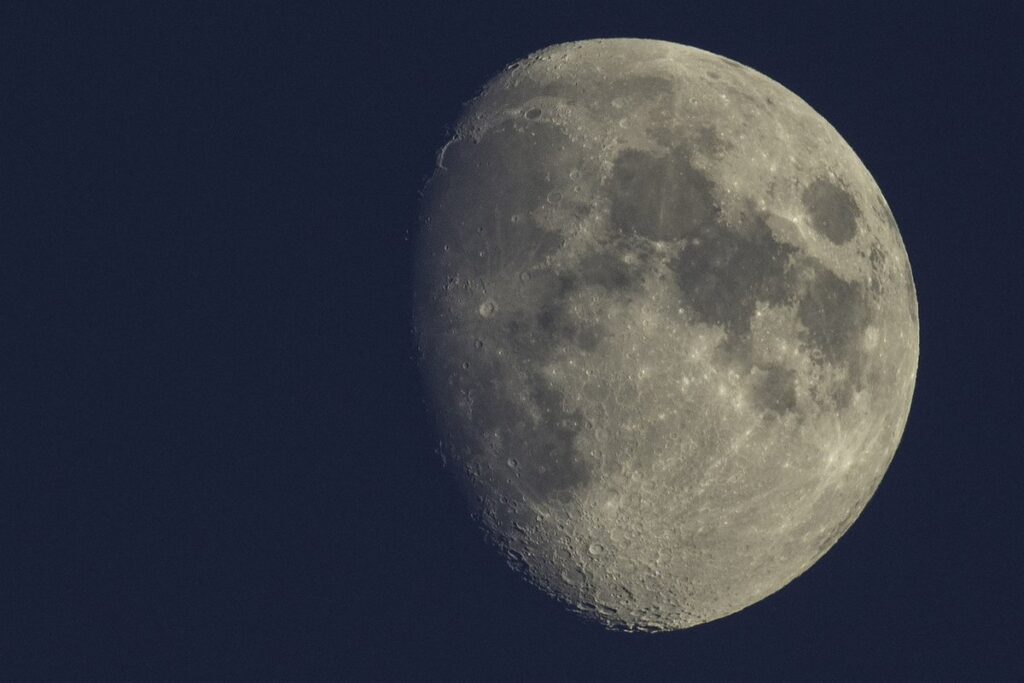
A waxing gibbous moon is a lunar phase where the moon’s illuminated surface continues to grow, appearing larger and fuller in the night sky. This section will explore its defining characteristics.
Defining the Waxing Gibbous Moon Phase
A waxing gibbous moon is a lunar phase where the moon appears more than half full but not yet full. This phase occurs after the first quarter and before the full moon, when the moon’s illuminated portion continues to increase. The key characteristic of this phase is that the moon is growing in brightness and size as it moves closer to its next full moon.
To define the waxing gibbous moon more precisely, consider the following criteria: the moon has completed more than 50% but less than 90% of its illuminated cycle. This means the moon’s right half is fully lit, while its left half is still in darkness. The exact appearance of a waxing gibbous moon can vary depending on the time and location of observation.
For example, if you observe the moon at different times throughout its waxing gibbous phase, you’ll notice changes in its brightness and angular size. You may also see variations in the amount of lunar illumination visible from your vantage point.
Characteristics of a Waxing Gibbous Moon
A waxing gibbous moon appears as a bright, glowing crescent shape in the night sky. Its illuminated portion grows larger and more rounded with each passing day, taking on a more substantial arc of light. The first noticeable change is the increase in brightness, which is often accompanied by a shift in the position of the moon relative to nearby stars.
As the waxing gibbous moon continues to grow, its illumination becomes more pronounced, allowing it to stand out against the surrounding sky. This can make it easier to observe and track over time. Note that the exact appearance of the moon will vary depending on atmospheric conditions and the observer’s location.
In terms of physical characteristics, a waxing gibbous moon is typically around 90-100% illuminated, but this percentage increases as the moon approaches full illumination. This phase can last anywhere from three to four days, during which time the moon’s appearance changes noticeably each night due to its increasing brightness and size.
Astronomical Significance of the Waxing Gibbous Moon
As we continue our journey through the phases of the moon, it’s time to explore the fascinating astronomical significance of the waxing gibbous moon. This phase offers a unique glimpse into lunar behavior and its impact on Earth’s tides.
Phases of the Moon and Their Importance
The lunar cycle is a series of eight distinct phases, each with its own significance. The new moon marks the beginning, as the side of the Moon facing Earth is not illuminated by the Sun. As the Moon orbits Earth, it gradually becomes visible, first appearing as a small sliver in the crescent phase. This is followed by the first quarter, where half of the Moon’s illuminated surface is visible from our planet.
The gibbous phases – waxing and waning – occur when more than half but not all of the Moon’s illuminated surface is visible. The waxing gibbous moon is a key part of this sequence, as it represents a crucial transition point between the crescent and full moon phases. Understanding each phase helps predict lunar events like eclipses and tidal patterns.
The importance of each phase lies in its impact on Earth’s oceans and atmosphere. For example, during new moon and full moon phases, the gravitational pull of the Moon on ocean tides is at its strongest. This can lead to increased coastal erosion and flooding in some areas, while also affecting marine life and navigation routes.
Tidal Effects and the Waxing Gibbous Moon
The waxing gibbous moon has a significant impact on tides and coastal regions. As the moon continues to increase in illumination, its gravitational pull on Earth’s oceans becomes stronger. This increased tidal force causes higher high tides and lower low tides, resulting in more pronounced tidal fluctuations.
In coastal areas, this can lead to erosion, flooding, and saltwater intrusion into freshwater sources. For instance, during a full moon or new moon, the tidal range is typically at its greatest. When the waxing gibbous moon reaches its peak brightness, it’s common for tides to be 10-20% higher than usual.
Coastal residents and mariners need to be aware of these changes to plan accordingly. This might involve adjusting sailing schedules, monitoring water levels, or taking precautions against flooding. In some cases, extreme tidal fluctuations can also impact marine ecosystems, affecting the habitats and behaviors of coastal wildlife.
To minimize risks, it’s essential for those living in coastal areas to stay informed about upcoming lunar events and take necessary precautions. By understanding the relationship between the waxing gibbous moon and tides, individuals can better prepare for and respond to these changes.
Observational Tips for Viewing the Waxing Gibbous Moon
As you gaze up at the waxing gibbous moon, notice how its growing light illuminates more of its surface each night. This section shares expert tips for observing this fascinating lunar phase up close.
Best Times to Observe the Waxing Gibbous Moon
Observe the waxing gibbous moon during its most optimal viewing times, typically when it is visible in the western sky after sunset. The best time to observe a waxing gibbous moon is usually between 30 minutes to an hour after sundown, when the moon has risen high enough to be seen clearly but is still relatively low on the horizon.
During this time, the moon’s light will not overpower the surrounding stars and planets, allowing for better observation of its surface features. It’s also essential to choose a location with minimal light pollution to ensure an unobstructed view of the night sky.
Some specific dates and times can be beneficial for observing the waxing gibbous moon. For instance, during the spring and autumn equinoxes, the waxing gibbous moon is often visible in the western sky after sunset, offering a unique opportunity to observe its features in detail. Additionally, the moon’s position changes throughout the year, so it’s crucial to check lunar calendars or mobile apps for specific viewing times and locations tailored to your location.
Equipment Needed for Observation
When observing a waxing gibbous moon, you’ll need a combination of equipment to enhance your viewing experience. Binoculars are an excellent starting point, as they provide a wider field of view than telescopes and can be more portable. A 7x or 10x magnification power is sufficient for observing the moon’s surface details. However, if you want to observe the moon in greater detail, consider investing in a telescope with a diameter of at least 60mm (2.4 inches).
A tripod is also essential for stabilizing your binoculars or telescope, allowing you to adjust focus and pan across the moon’s surface smoothly. Additionally, a moon filter can help reduce glare and bring out more subtle details on the lunar surface.
If you’re using a smartphone to observe the moon, a camera adapter with a wide-angle lens or a specialized astrophotography app can enhance your viewing experience. Remember to use a high-quality image stabilization feature if available to minimize blur caused by hand movement. By investing in these essential pieces of equipment, you’ll be well-equipped to appreciate the intricate features and changes that occur during the waxing gibbous moon phase.
Cultural Significance and Symbolism of the Waxing Gibbous Moon
The waxing gibbous moon holds a special place in many cultures, representing growth, abundance, and transformation as it continues to swell towards full illumination. Let’s take a closer look at its symbolic meaning.
Lunar Cycle in Different Cultures
In various cultures around the world, the lunar cycle has been interpreted and utilized in diverse ways. For instance, ancient civilizations like the Egyptians and Greeks associated the full moon with festivals and celebrations. In contrast, many indigenous cultures have traditionally linked the waxing gibbous moon to planting and harvesting crops, as they believed it brought prosperity and abundance.
The Chinese calendar, which is still used today, divides the lunar cycle into 12 distinct phases, each corresponding to a specific month. During the waxing gibbous phase, the Chinese often prepare for the approaching spring season by cleaning their homes and performing rituals to ward off evil spirits.
In Hindu mythology, the waxing gibbous moon is associated with the goddess Lakshmi, who represents prosperity and good fortune. Devotees often worship her during this phase to ensure a bountiful harvest and financial success.
These examples highlight the varying ways in which cultures have utilized the lunar cycle throughout history. By understanding these different interpretations, we can gain a deeper appreciation for the significance of the waxing gibbous moon and its impact on human societies.
Symbolism and Mythology Surrounding the Waxing Gibbous Moon
In various cultures and mythologies, the waxing gibbous moon has been imbued with symbolic meanings that reflect its growing light and increasing presence. In ancient Greek mythology, the goddess Selene was often depicted as a crescent moon, symbolizing her association with the waxing gibbous phase. Similarly, in Hindu mythology, the god Chandra is said to embody the qualities of growth and illumination, which are reflected in the waxing gibbous moon’s increasing brightness.
In many indigenous cultures, the waxing gibbous moon is seen as a time for planting and harvesting, reflecting its association with fertility and abundance. For example, in some Native American traditions, the full moon is considered a time for ceremonial planting, while the waxing gibbous moon is seen as a period of growth and expansion.
The symbolic meanings associated with the waxing gibbous moon can also be tied to personal growth and transformation. As the moon grows in light, it can serve as a reminder to individuals to nurture their own inner light and allow themselves to grow and develop. This can involve setting new goals, taking on new challenges, or simply allowing oneself to receive guidance and support from others. By embracing the symbolism of the waxing gibbous moon, individuals can tap into its transformative energy and harness its power for personal growth.
Practical Applications of Understanding the Waxing Gibbous Moon
Now that we’ve explored the characteristics of the waxing gibbous moon, let’s look at how you can apply your understanding to real-life situations and observations.
Navigation and Maritime Use
Understanding the waxing gibbous moon is crucial for sailors and mariners due to its significant impact on navigation. The gibbous phase indicates a growing illumination of the Moon’s surface, which affects the tides. As the Moon waxes, the tidal range increases, causing higher high tides and lower low tides. Mariners need to be aware of these changes to ensure safe passage.
A key consideration for mariners is the timing of the full moon, which occurs about a day after the waxing gibbous phase. During this period, the tidal forces are at their strongest, leading to more pronounced tidal cycles. A small error in navigation can result in being swept off course or even grounding on shallow waters.
To navigate safely during the waxing gibbous moon, mariners should monitor tidal charts and forecasts closely. They should also consider the lunar cycle when planning routes through narrow channels or coastal areas prone to flooding. By understanding the relationships between the Moon’s phases and tidal patterns, sailors can better anticipate and prepare for the challenges posed by the waxing gibbous moon. This awareness is vital for safe navigation and avoiding potential hazards.
Agricultural and Horticultural Implications
As farmers and gardeners, you’re likely aware of the importance of timing when it comes to planting and harvesting crops. The lunar cycle, including the waxing gibbous moon phase, can have a significant impact on agricultural activities and plant growth. During this phase, the increasing light from the growing moon promotes cell elongation in plants, causing them to grow more rapidly.
Plants are also more sensitive to moisture during this time, making it an ideal period for irrigation. However, be cautious not to overwater, as this can lead to root rot and other issues. In contrast, a small minority of plants, such as succulents, prefer the dry conditions that often accompany the waxing gibbous moon.
Some farmers plant their crops during the waxing gibbous moon phase, taking advantage of the increased growth rate. For example, corn, beans, and squash are commonly planted when the moon is in this phase. By aligning your planting schedule with the lunar cycle, you may be able to improve crop yields and reduce the need for fertilizers or other chemicals.
Frequently Asked Questions About the Waxing Gibbous Moon
You’ve got questions about the waxing gibbous moon, and we’ve got answers. Below, we’ll address some of the most common queries related to this lunar phase.
Common Misconceptions and Debunked Myths
Many people believe that a waxing gibbous moon is always visible during the day due to its size and brightness. However, this isn’t necessarily true. The visibility of the waxing gibbous moon depends on the time of year, atmospheric conditions, and the observer’s location. In reality, the waxing gibbous moon can be seen in the morning or evening sky, but not always during the daytime.
Some individuals also assume that a waxing gibbous moon is fully illuminated, meaning it has reached its full phase. Yet, this isn’t accurate. The definition of a waxing gibbous moon requires that the moon appear more than 75% illuminated and still increasing in brightness. As such, a significant portion of the moon’s surface remains in shadow.
To accurately identify a waxing gibbous moon, consider the following key characteristics: its size is larger than half full but not yet full; it appears to be growing in brightness; and more than 75% of its illuminated surface is visible. By understanding these distinct features, you can confidently distinguish a waxing gibbous moon from other lunar phases.
Additional Resources for Learning More
For those who wish to delve deeper into the world of lunar cycles and astronomy, several resources are available. The National Aeronautics and Space Administration (NASA) website is a comprehensive online platform for learning about the Moon’s phases, including the waxing gibbous phase. NASA’s Jet Propulsion Laboratory also offers educational materials and interactive tools to help students understand astronomical concepts.
Astronomy enthusiasts can find various books on the subject, such as “The Backyard Astronomer’s Guide” by Terence Dickinson and Alan Dyer, which provides practical advice for observing the night sky. Online courses like those offered by Coursera and edX allow learners to explore topics in astronomy at their own pace.
Additionally, institutions like the Lowell Observatory and the American Museum of Natural History offer educational programs, exhibitions, and lectures on lunar cycles and astronomy. These resources can help individuals expand their knowledge and appreciation for the waxing gibbous moon’s significance in our understanding of the universe.
Frequently Asked Questions
Can I see the waxing gibbous moon during the daytime?
Yes. Although it’s challenging to spot the waxing gibbous moon in daylight due to its brightness, it can be observed with specialized equipment or at specific times when the sun is low on the horizon.
How does the waxing gibbous moon affect plant growth in my garden?
Research suggests that certain plants respond positively to the increased lunar energy during the waxing gibbous phase. However, more studies are needed to confirm this effect, and individual results may vary depending on factors like soil quality and climate.
What if I’m planning a sailing trip around the time of the waxing gibbous moon? Will it significantly impact my navigation?
While the waxing gibbous moon does influence tides, its effects are relatively predictable. With proper planning and knowledge of tidal patterns in your area, you can still navigate safely. Consult local charts and guides for specific advice.
Can I use any type of telescope to observe the waxing gibbous moon, or do I need a specialized one?
Any telescope with a good quality lens will allow you to observe the waxing gibbous moon, but binoculars (7×50 or 10×40) can also provide an excellent view. The choice ultimately depends on your personal preference and budget.